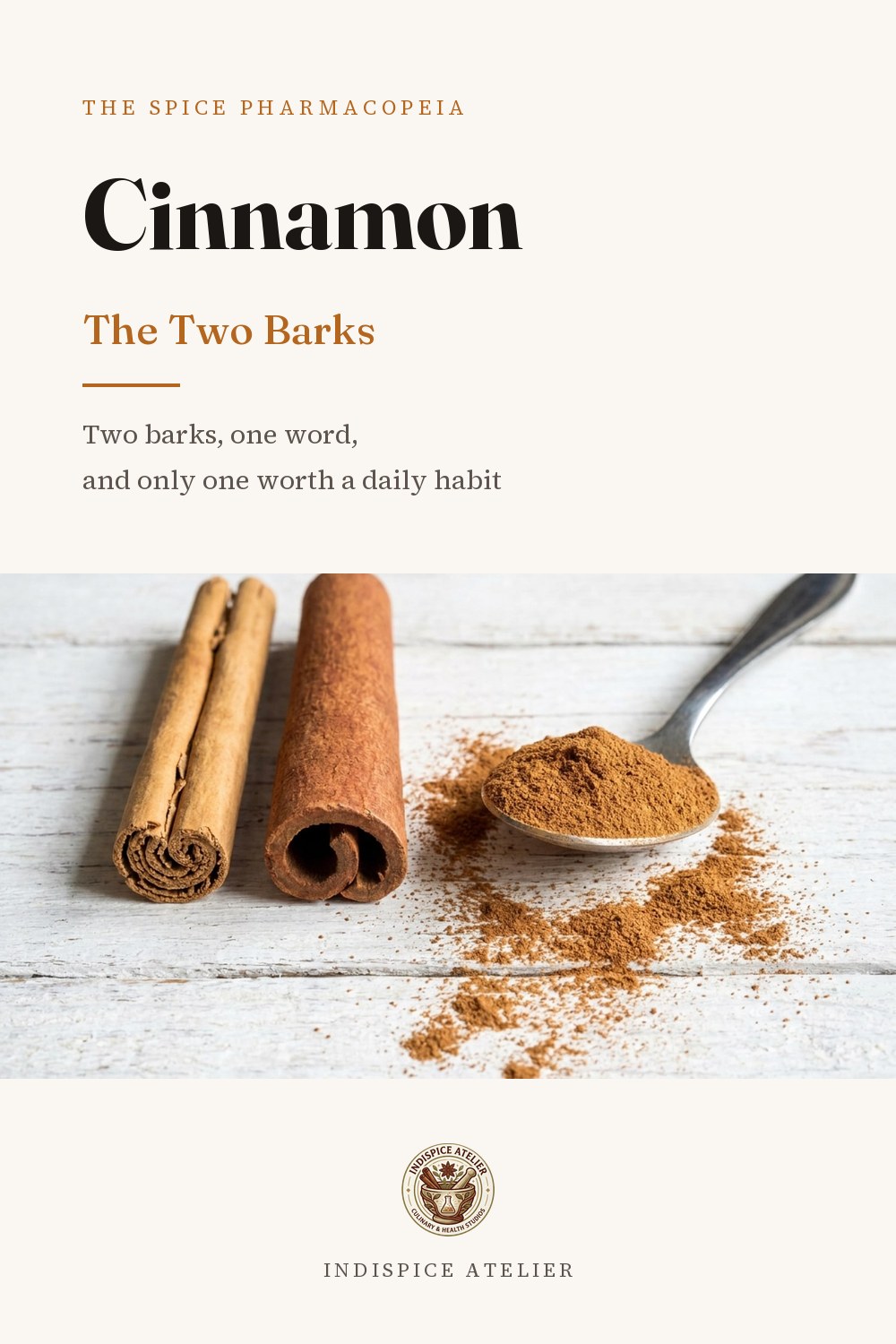
Cinnamon · Ebook
Cinnamon: The Two Barks
Two different barks are sold under one word, and the cheap one carries a compound that stresses the liver. This book is about telling them apart, understanding what cinnamon genuinely does to blood sugar, and cooking with the good one properly.
$14.99
PDF and EPUB included · no subscription · yours to keep
In your cart
- Every claim carries an evidence grade
- Peer-reviewed citations with verified PMIDs
- Both formats, no DRM, no account needed
The problem this book solves
Most people in the English-speaking world have never tasted cinnamon. They have tasted cassia, which is a different bark from a different tree, sold under the same word because the law allows it.
That would be a footnote, except for two things. Cassia carries coumarin, which stresses the liver at high intakes, at a level Ceylon cinnamon does not approach. And cinnamon is one of the very few kitchen spices that people genuinely take daily and deliberately, in spoon-sized amounts, because they read it helps their blood sugar.
A habit built on the wrong bark is the one place this distinction stops being trivia.
What makes it different
Every claim carries an evidence grade, shown inline, so you can see the strength of the support without leaving the sentence:
- S — Strong: supported by human clinical studies
- P — Preliminary: early or small human data
- V — Lab: cell or animal work, mechanism only
- T — Traditional: historical use, not clinically proven
Cinnamon is an unusual case for that grading, because its best-evidenced fact is a risk rather than a benefit. The coumarin work is solid. The blood-sugar work is real but modest and inconsistent, and it is almost always reported as though the trial dose and a sprinkle on toast were the same thing.
This book quotes the dose, every time — and never tells you what yours should be.
What's inside
- 01One word, two trees
- 02The two-second stick test
- 03Ceylon, cassia, Saigon and Korintje
- 04Buying, grading and storing
- 05Coumarin: the honest risk
- 06Blood sugar - what the trials found
- 07The claims that thin out
- 08Cinnamon tea, cinnamon water and the morning habit
- 09Cooking sweet: buns, bakes and the Nordic tradition
- 10Cooking savoury: Sri Lankan curry, tagine and biryani
- 11Supplements and capsules, read as labels
- 12Safety, interactions and who should be careful
- 13Six recipes worth keeping (bonus)
- 14References & further reading
Before you buy
What format is it, and will it work on my device?+
Both PDF and EPUB, included in the one purchase. PDF is best on a computer or for printing. EPUB is best on Kindle, Kobo, Apple Books and phones. There is no DRM, so the files are yours to keep and read anywhere.
How do I get it after paying?+
Immediately. You land on a download page with both formats, and your receipt arrives by email. If you close the tab before downloading, email us and we will send the files straight back.
Who am I actually buying from?+
Paddle is the Merchant of Record for the sale — they handle payment, tax and invoicing worldwide, and their name appears on your receipt. The book is published by IndiSpice Atelier.
Can I get a refund?+
Yes. Refunds are handled by Paddle as Merchant of Record — request one at paddle.net using the order number on your receipt. We will always replace a file that is faulty or did not arrive.
Is this medical advice?+
No. It is an evidence-graded reference about food and traditional remedies. Every claim shows how strong the support for it is, and the book is explicit about when to see a professional instead.
Cinnamon: The Two Barks
$14.99 · PDF and EPUB · read it on anything.
In your cart
The other titles
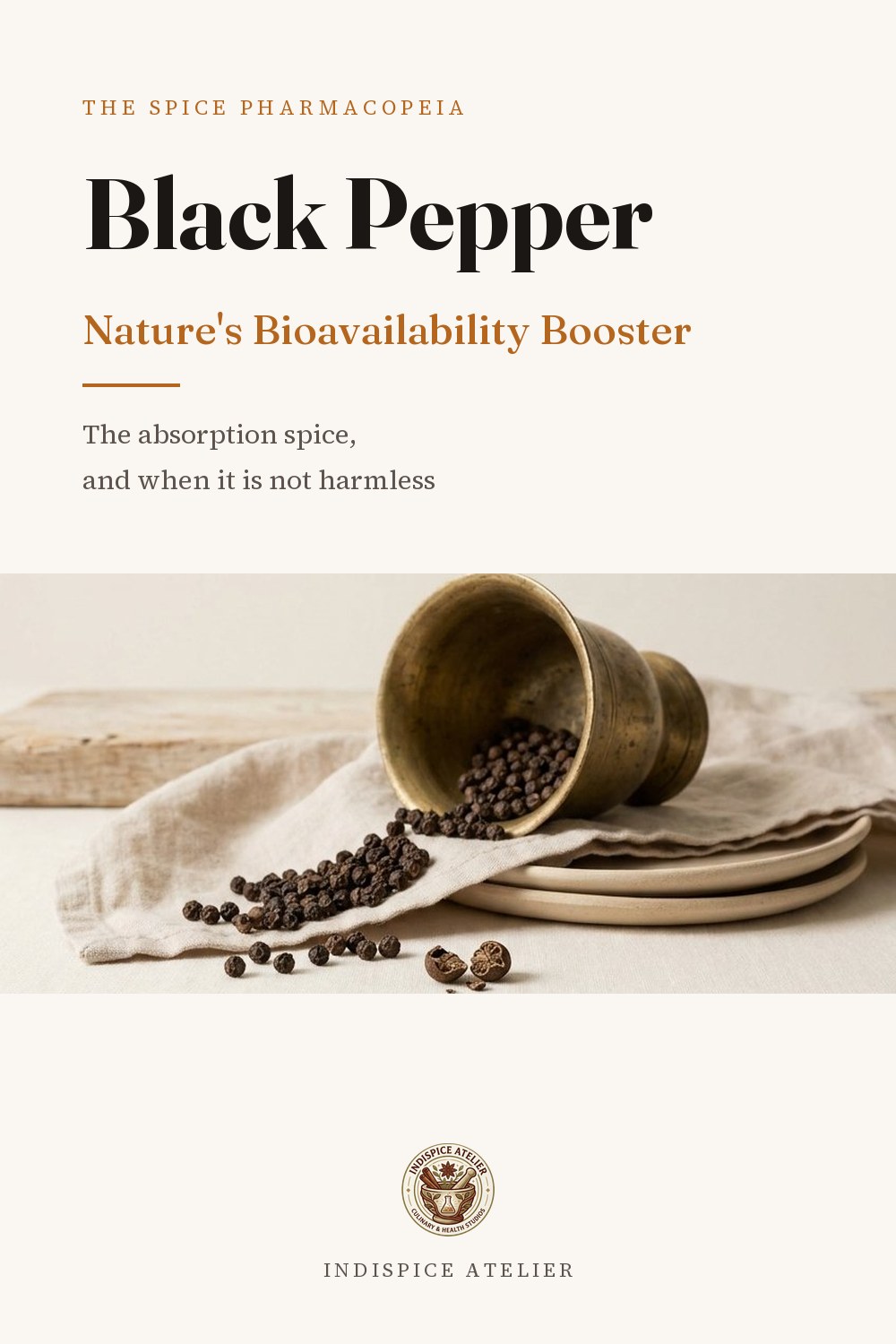
Black Pepper
Black Pepper: Nature's Bioavailability Booster
Black pepper sits on every table in the world and is almost never thought about. It changes how other compounds behave in your body — which is exactly why a piperine capsule is not the same thing as seasoning your dinner.
Why a piperine capsule and your peppermill are not the same thing.
$14.99
In your cart — checkout
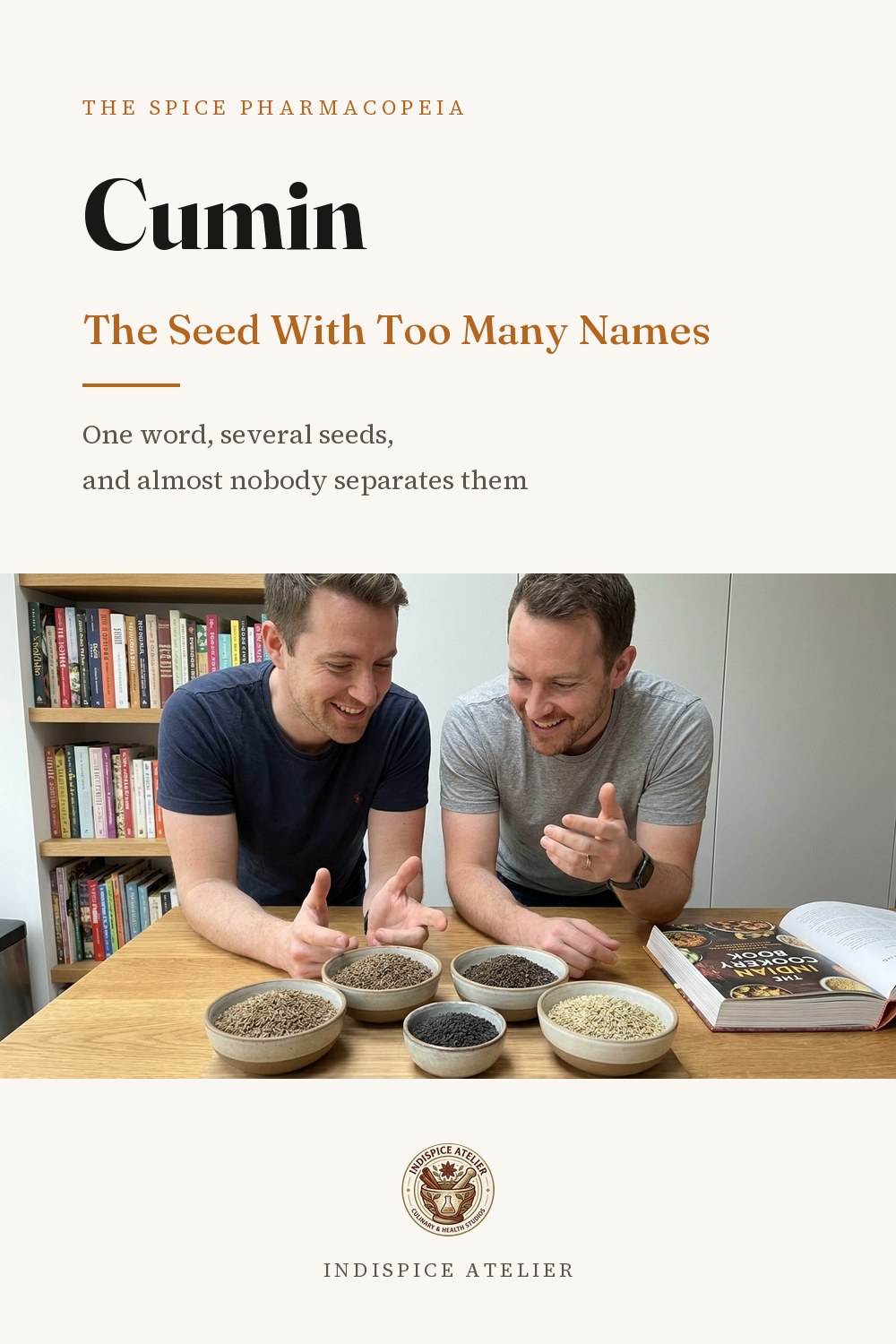
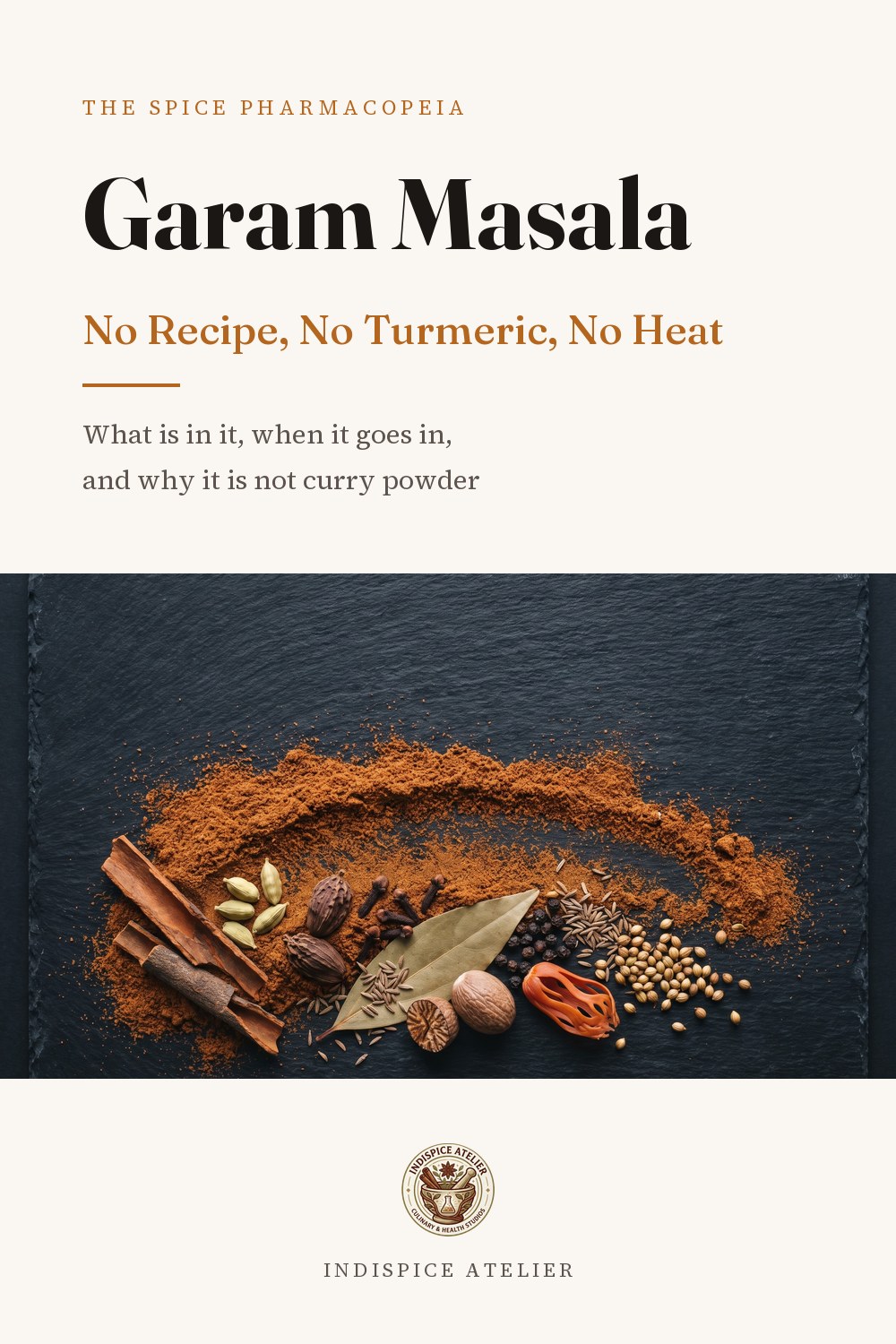
Garam Masala
Garam Masala: No Recipe, No Turmeric, No Heat
Garam masala is the most-owned and least-understood jar in a Western kitchen — bought for one recipe, added with the onions the way the recipe said, and never thought about again. Three things built into the name and the packet send cooks the wrong way: it is not hot, there is no such thing as the recipe, and it is a finishing blend rather than a base. This book gives each of its twelve spices a job, fixes the timing that ruins more curries than anything else, and settles the curry powder question properly.
Warming, not hot — and it belongs at the end, not the start.
$14.99
In your cart — checkout