
Spice guide
Ceylon Cinnamon: What It Is, and Why It Is Not What You Have
Almost every jar labelled cinnamon in an American supermarket is not cinnamon. It is cassia, a related bark that is cheaper, harsher and carries a liver-stressing compound at hundreds of times the level found in the real thing. These guides cover the difference, how to spot it, and what cinnamon does and does not do for you.
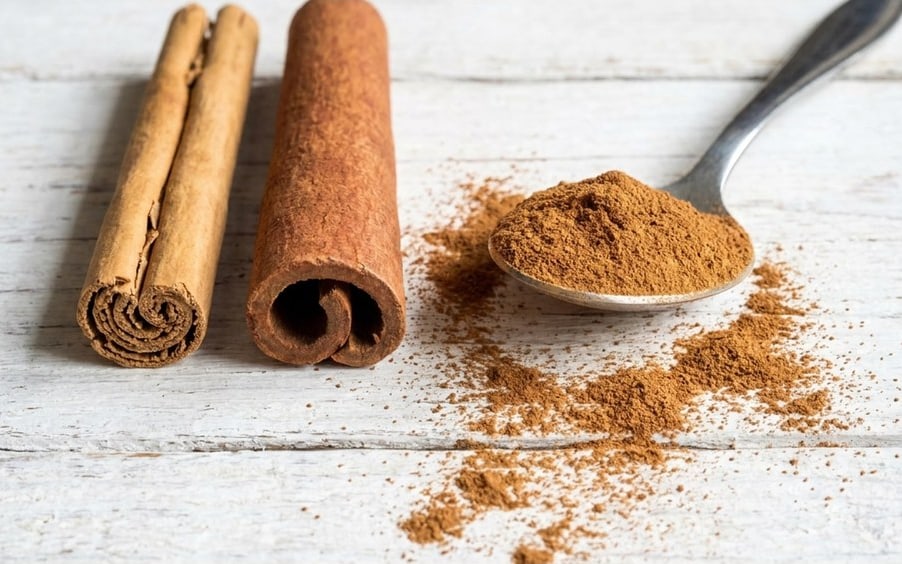
Almost every jar labelled cinnamon in an American supermarket is not cinnamon. It is cassia — a related bark from a different tree, cheaper to grow and harvest, harsher in flavour, and carrying a compound called coumarin at somewhere between dozens and hundreds of times the level found in the real thing.
This is not a scandal and nobody is being defrauded. Cassia is a legitimate spice, US labelling law permits it to be sold as cinnamon, and for a sprinkle on toast the distinction genuinely does not matter.
It starts to matter when people take cinnamon daily, for their blood sugar, because they read that it helps.
The two questions this spice raises
Cinnamon is unusual among kitchen spices in that both of its big questions are practical rather than mystical.
“Which one am I holding?” — because two very different barks share one word, and the cheap one is the one you almost certainly own.
“Is it doing anything?” — because cinnamon carries a genuine, real, thoroughly studied health claim about blood sugar, and that claim is smaller than the internet believes.
The guides below answer those in that order.
What the evidence actually supports
We grade every claim inline so you can see the strength of the support without leaving the sentence.
- Blood sugar — supported, and much smaller than advertised. Real trials, real effect, wide variation between them, and doses well above culinary amounts. Meaningful as a habit, useless as a treatment.
- Coumarin harm from cassia — well established, and the one that runs the other way. This is the best-evidenced fact about cinnamon and it is a caution, not a benefit.
- Antimicrobial and antifungal action — laboratory-solid, kitchen-irrelevant. Cinnamaldehyde kills things in a dish. That does not make cinnamon tea an antibiotic.
- Cholesterol and inflammation — mixed and unconvincing. Some trials move, others do not.
- Flavour and aroma — the actual reason to buy the good one. Not a health claim, and the only one that survives a stale jar.
Read this first
Cinnamon in food is a food, and safe as one. Nothing on these pages is a treatment, and none of it tells you how much to take.
If you use cinnamon in daily, spoon-sized amounts — the blood-sugar habit, the cinnamon-water habit — the coumarin question becomes real, and the answer is not “take less”, it is buy Ceylon. That single change removes the risk without removing the habit.
Going deeper
The complete account — the two species and their chemistry, the blood-sugar evidence read honestly, buying, grading and storage, and the full culinary range from Sri Lankan curry to Scandinavian buns — is Cinnamon: The Two Barks, a 55-page book that grades every health claim by the strength of the evidence behind it, including the ones it says you should ignore. The guides here are free and stay free.
Guides
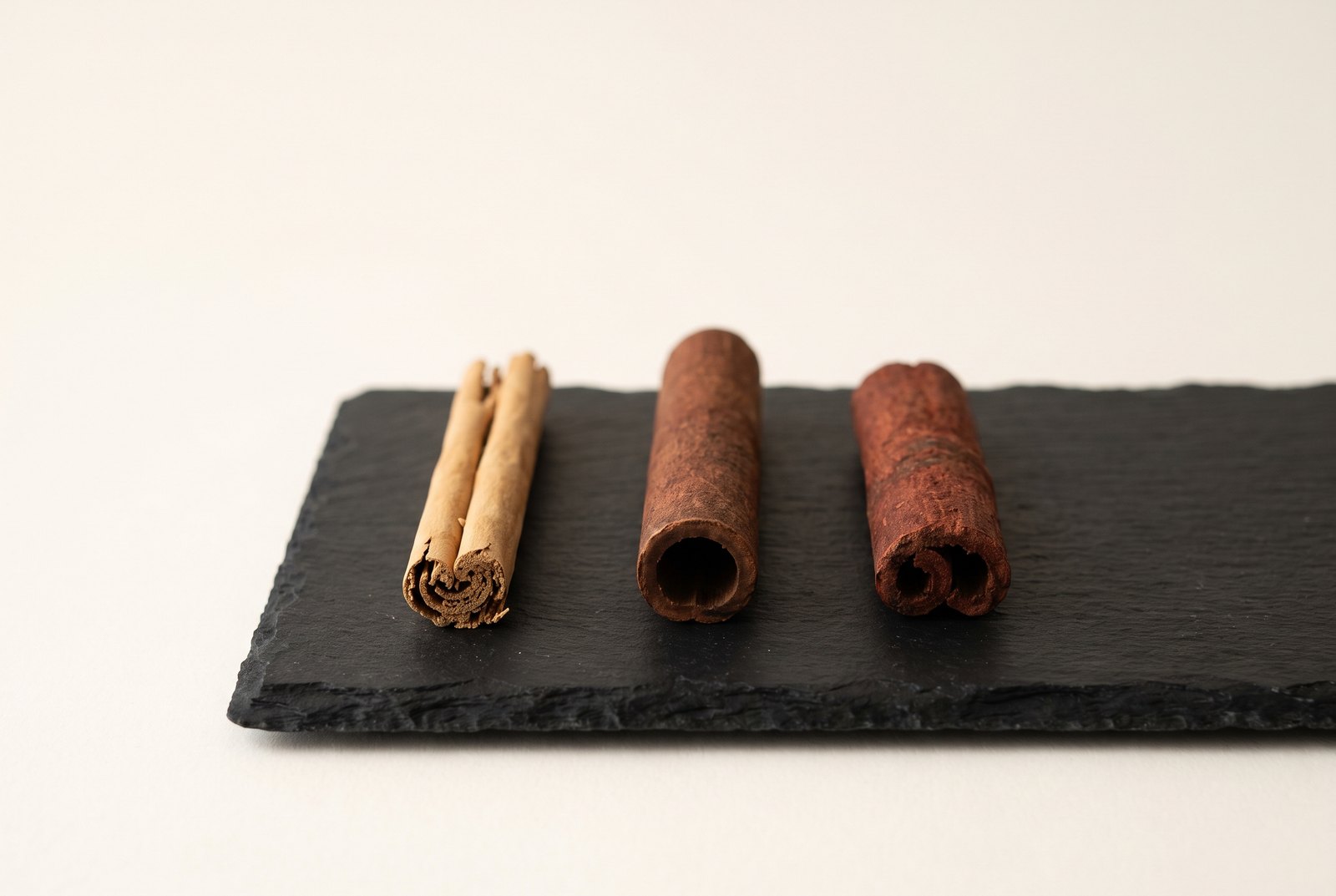
Ceylon vs Cassia vs Saigon Cinnamon: Which One Do You Have?
The three cinnamons compared — how Ceylon, cassia and Saigon differ in taste, appearance and coumarin content, how to tell them apart in the jar, and which one to use for what.
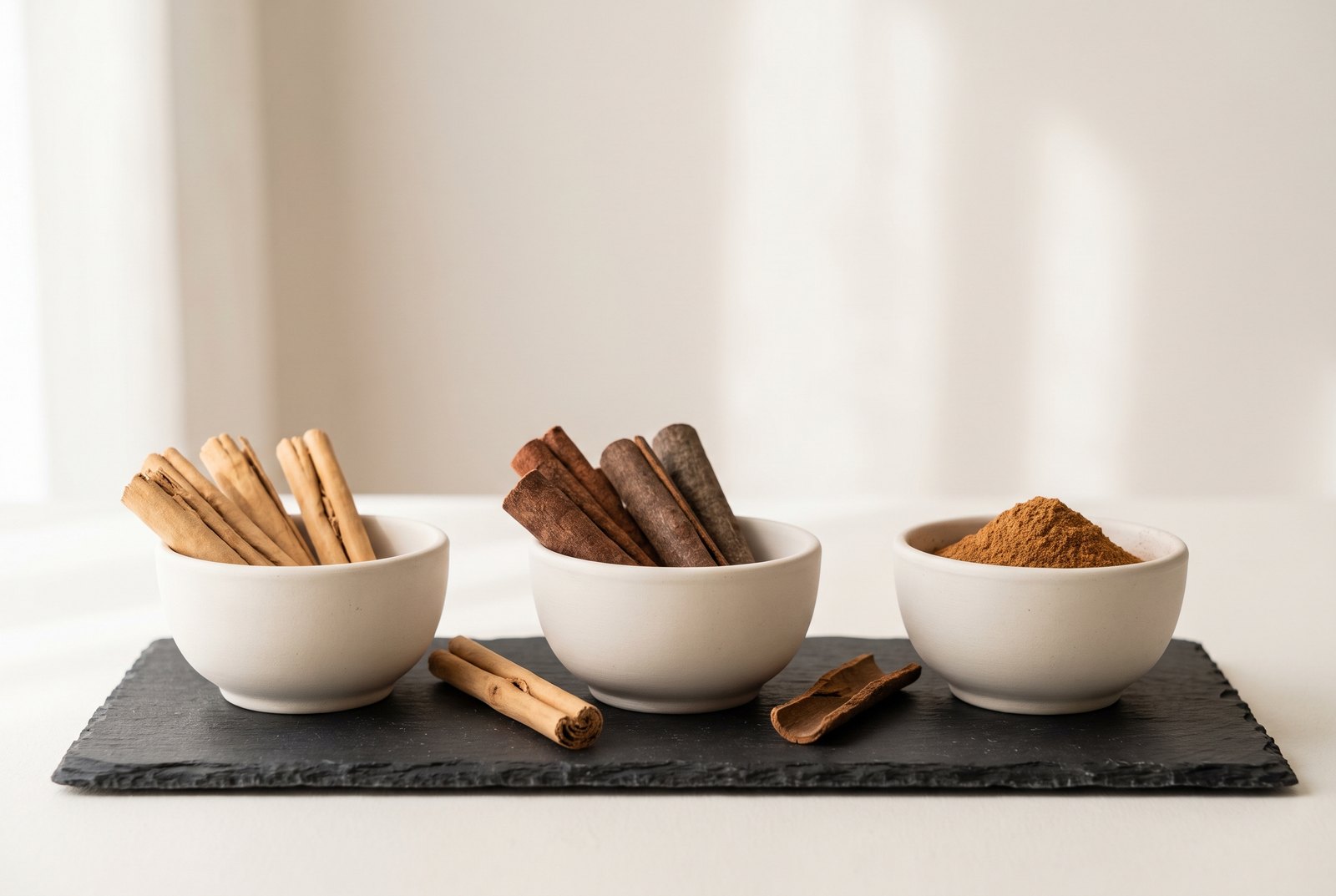
Which Cinnamon to Buy: Ceylon or Cassia, Sticks or Ground
A buyer's guide to cinnamon — how to spot genuine Ceylon, what the grades mean, sticks versus ground, what to expect to pay, and how to tell fresh cinnamon from the jar that has been open three years.
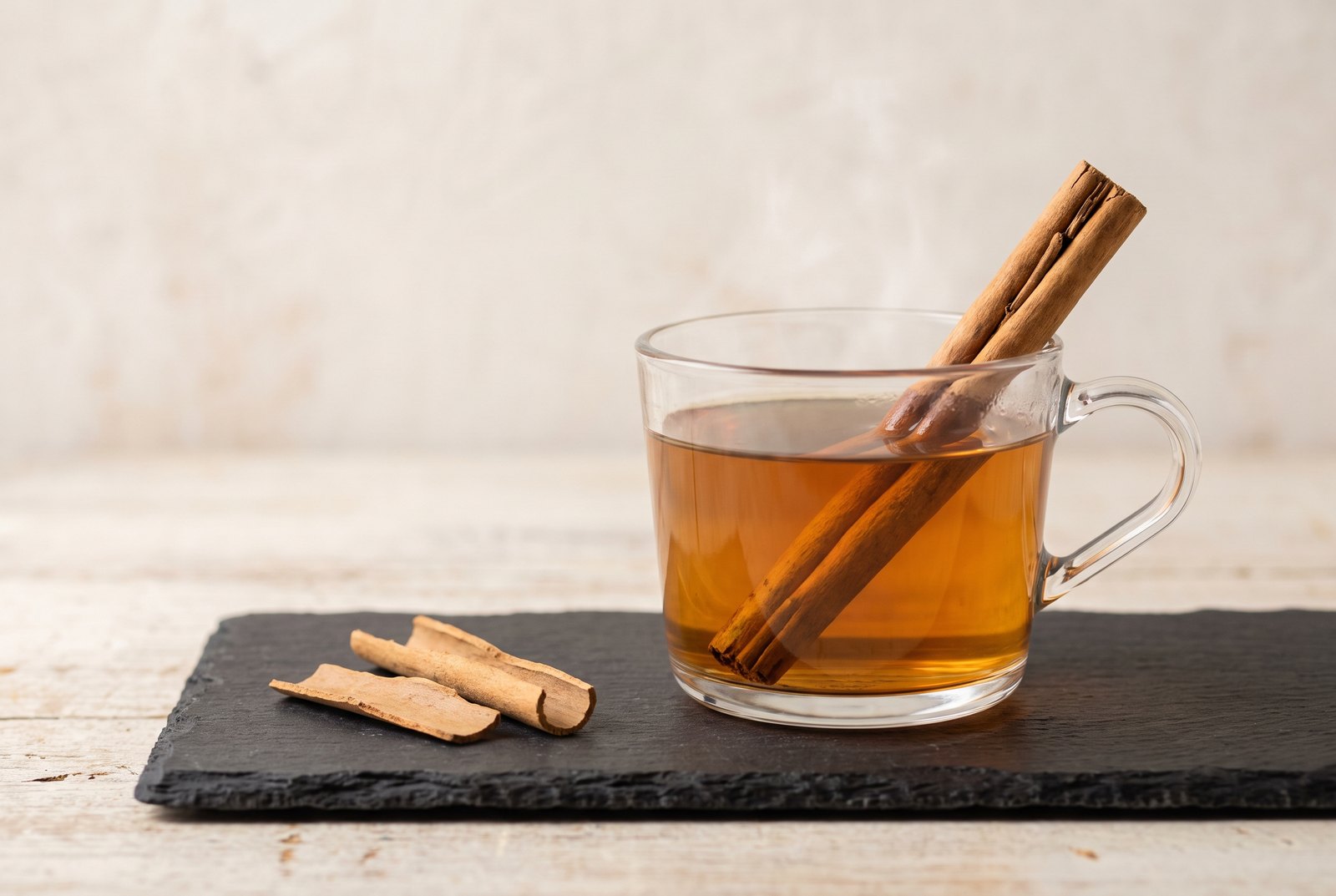
Cinnamon Tea Benefits: What It Does, and How to Make It Properly
What cinnamon tea actually does — the blood sugar evidence read honestly, why the stick you use changes the answer, how to brew it so it tastes of something, and who should be careful.
Cinnamon Side Effects: The Coumarin Problem Nobody Mentions
The real risks of cinnamon — what coumarin in cassia does to the liver, why the daily-spoonful habit is the pattern that matters, mouth and medicine interactions, and who should avoid it.
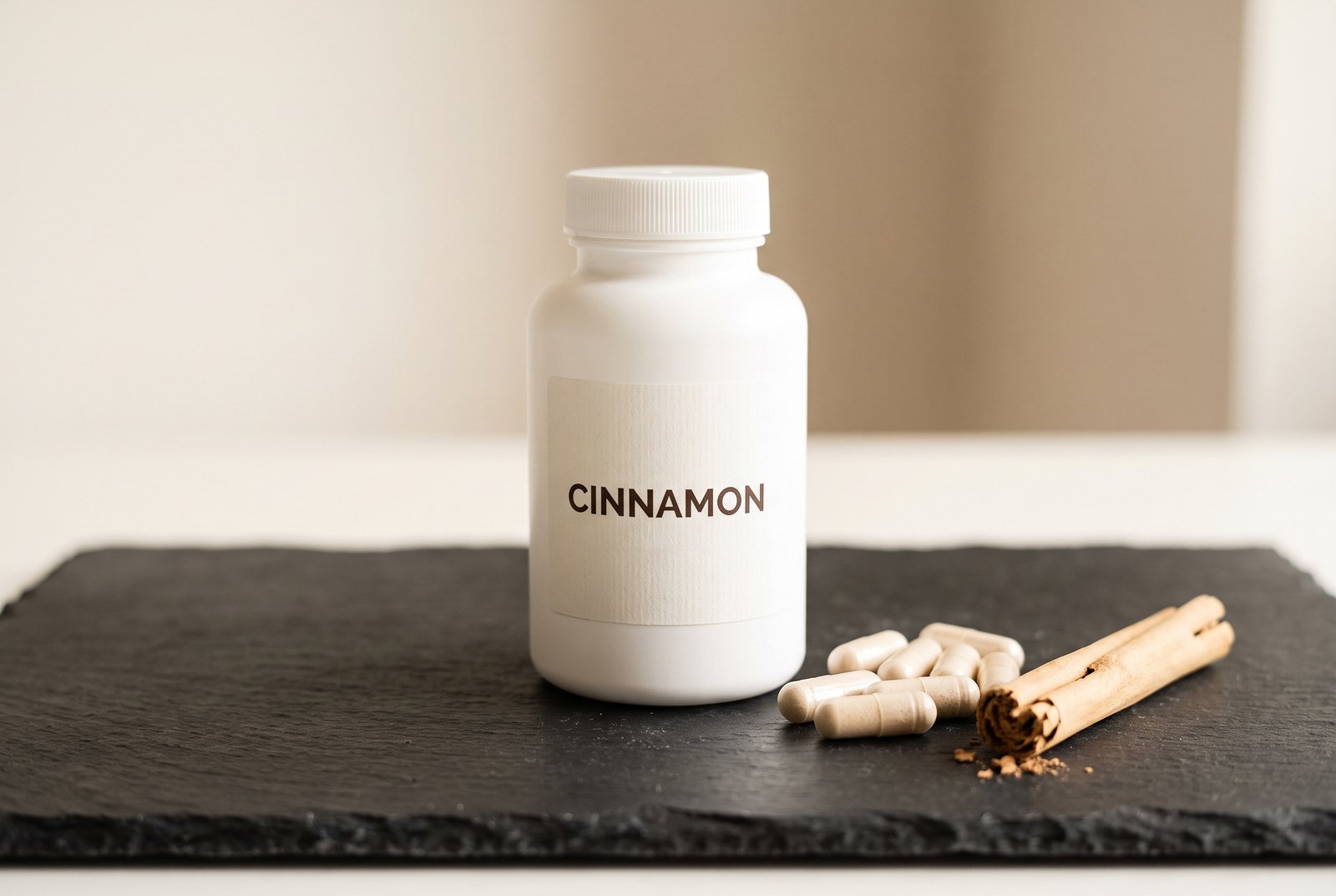
Ceylon Cinnamon Capsules: How to Read the Label Before You Buy
What to look for in a Ceylon cinnamon supplement — why the species on the label decides everything, extract versus whole bark, the fillers to avoid, third-party testing, and when capsules are the wrong answer entirely.
Common questions
What is Ceylon cinnamon?+
Ceylon cinnamon is the bark of Cinnamomum verum — literally 'true cinnamon' — grown mainly in Sri Lanka. It is pale tan, made of many paper-thin layers rolled together like a cigar, and it crumbles between your fingers. Its flavour is delicate, sweet and faintly citrusy. It is not what most shops sell as cinnamon.
What is the difference between Ceylon and cassia cinnamon?+
They are different species. Cassia is darker, redder, one thick hard hollow layer instead of many thin ones, and much stronger and hotter in flavour. The practical difference is coumarin, a compound that stresses the liver at high intakes: cassia carries a great deal of it and Ceylon carries only traces. For a sprinkle on toast that difference does not matter. For a daily spoonful it does.
How do I know if my cinnamon is Ceylon?+
If you have sticks, look at the end. Ceylon is many fragile layers rolled together and snaps easily; cassia is one thick tube you would struggle to break by hand. Ground cinnamon is harder — go by the label. If it says only 'cinnamon' with no origin, assume cassia, because a producer paying for Ceylon always says so.
Is cinnamon good for blood sugar?+
This is cinnamon's biggest claim and the honest answer is 'a little, maybe, and not enough to treat anything'. Trials show small average reductions in fasting glucose, with results that vary a lot between studies and doses well above what anyone sprinkles on porridge. It is not a substitute for diabetes medication and no page here will tell you a dose.
How much cinnamon is too much?+
The limiting factor is coumarin in cassia, not cinnamon itself, and European food-safety bodies set a tolerable daily intake that a heaped teaspoon of cassia can approach for a smaller adult. We do not publish a personal dose — read the label on the jar you actually own and ask a pharmacist if you take daily amounts or any regular medication. Switching to Ceylon removes the question entirely.