
The studio
Discover Spices
Each spice gets one book and a shelf of free guides. The book is the complete account — dosing, chemistry, safety, and the traditional preparations. The guides answer the single questions people arrive with.
Every claim in both carries an evidence grade, so you can see how strong the support is without leaving the sentence.
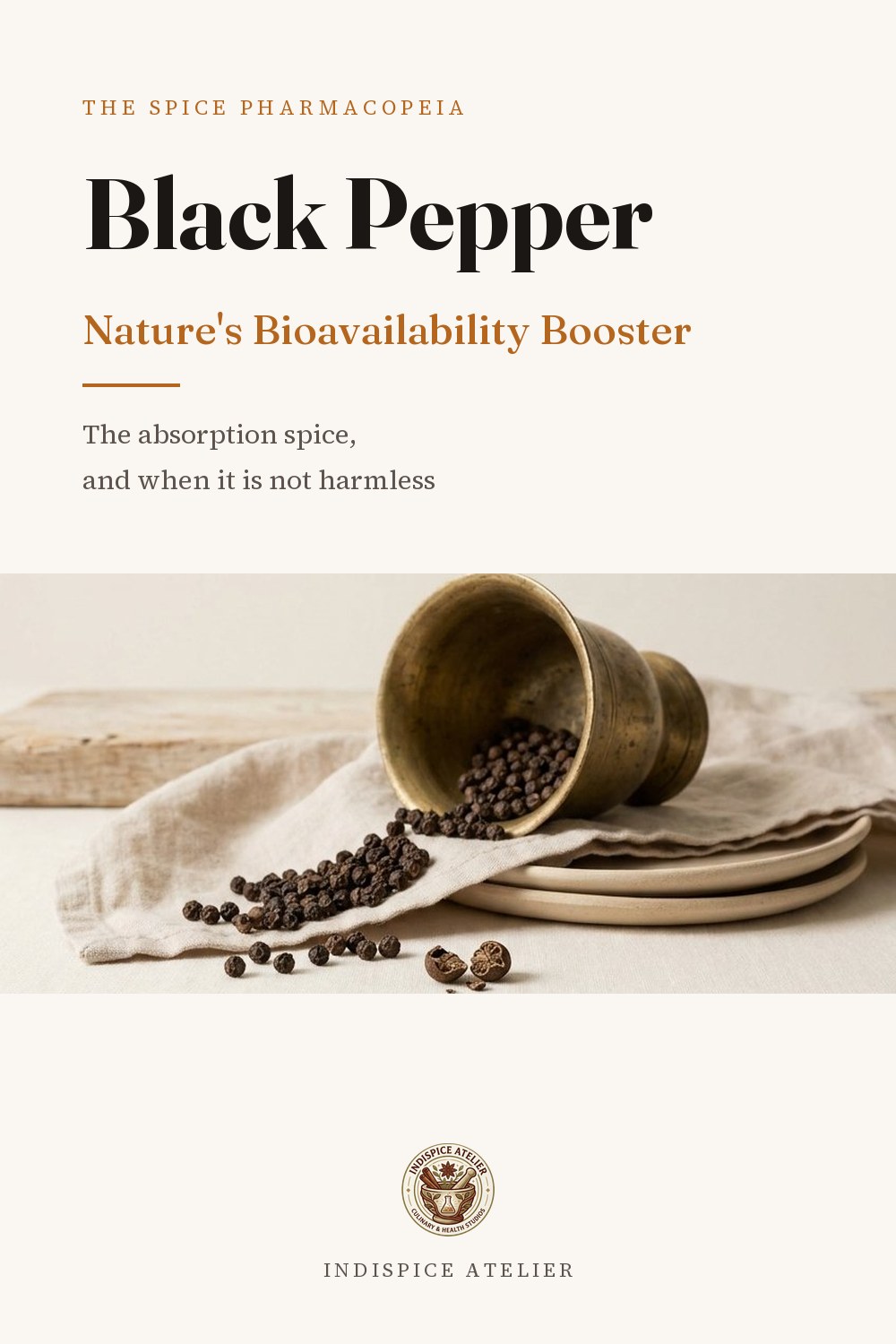
Black Pepper
Black Pepper: Nature's Bioavailability Booster
Black pepper sits on every table in the world and is almost never thought about. It changes how other compounds behave in your body — which is exactly why a piperine capsule is not the same thing as seasoning your dinner.
Why a piperine capsule and your peppermill are not the same thing.
$14.99
In your cart — checkout
Black Pepper
Black pepper sits on every table in the world and is almost never thought about. Its real benefit is stranger than the usual list: it changes how other compounds behave in the body. That same property is why a piperine supplement is not the same thing as seasoning your dinner.
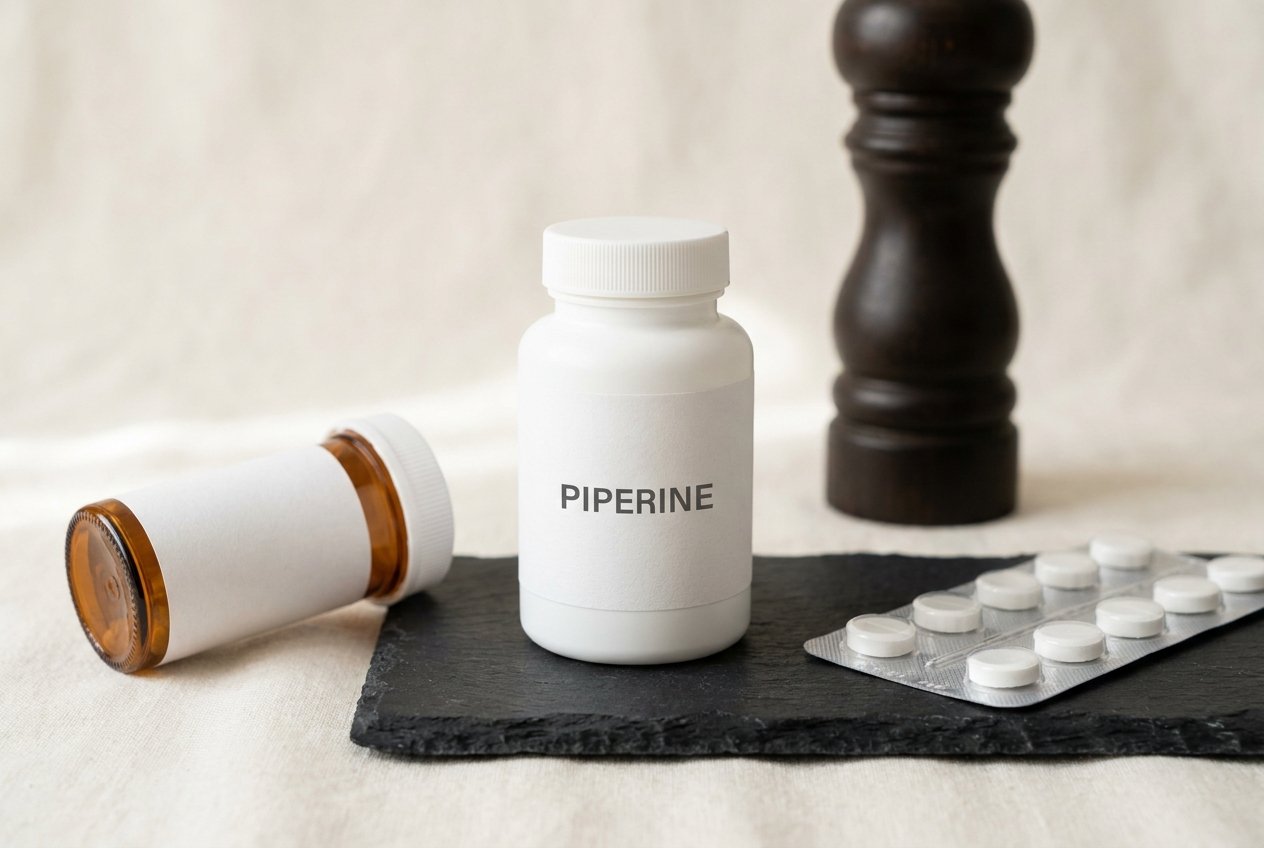
Black Pepper & Your Medications: When Piperine Isn't Harmless
Black pepper's absorption 'superpower' has a flip side. Here's how concentrated piperine can raise the levels of some drugs — and the one question to ask your pharmacist.
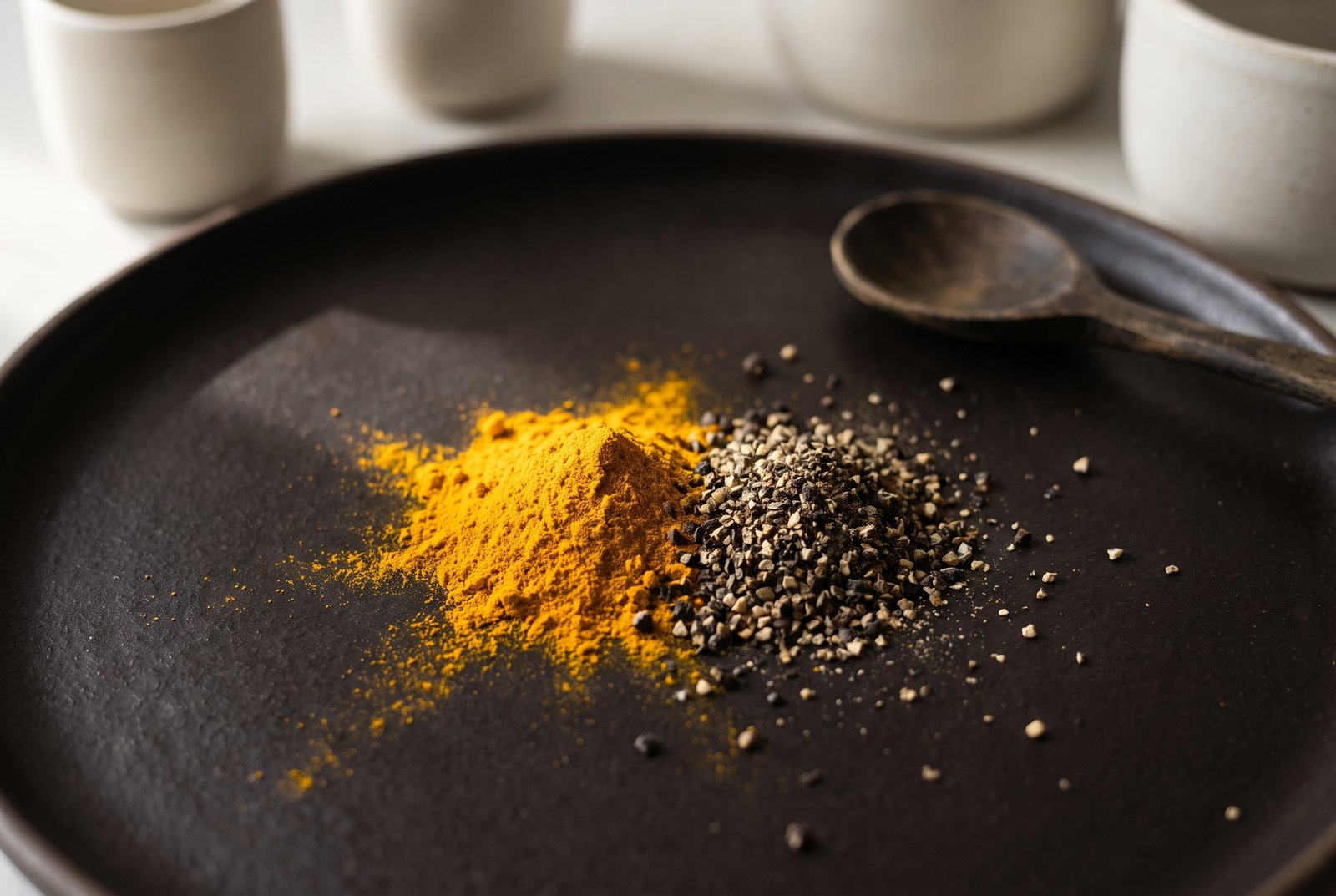
Does Black Pepper Really Make Turmeric Work? The 2,000% Claim, Checked
The famous 2,000% turmeric-absorption figure comes from one small study. Here's what black pepper genuinely does for curcumin — and how much you actually need.
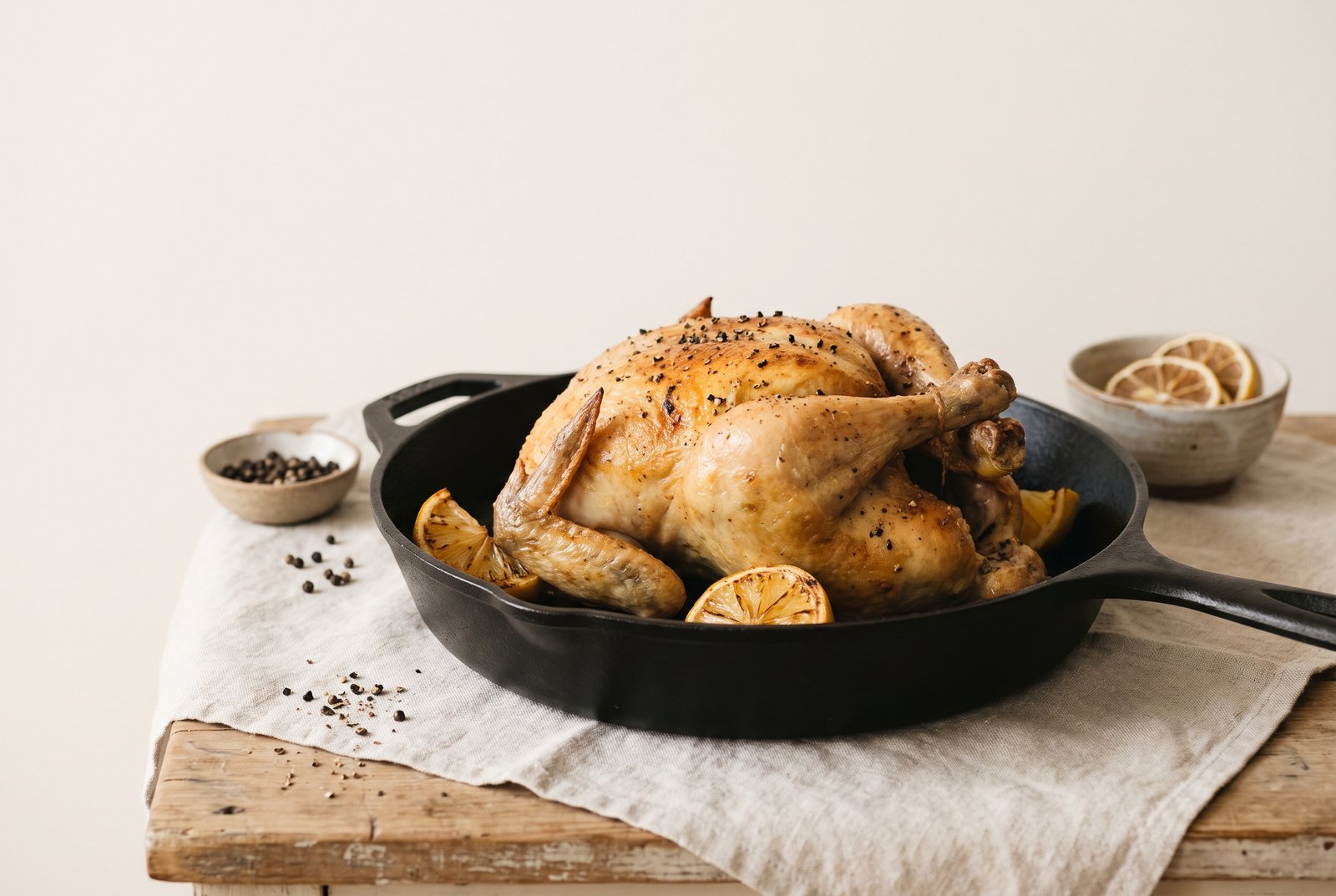
Lemon Black Pepper Chicken (+ How to Actually Cook with Pepper)
An easy weeknight lemon black pepper chicken, plus the simple method for making black pepper earn its place — big flavour, far less salt.
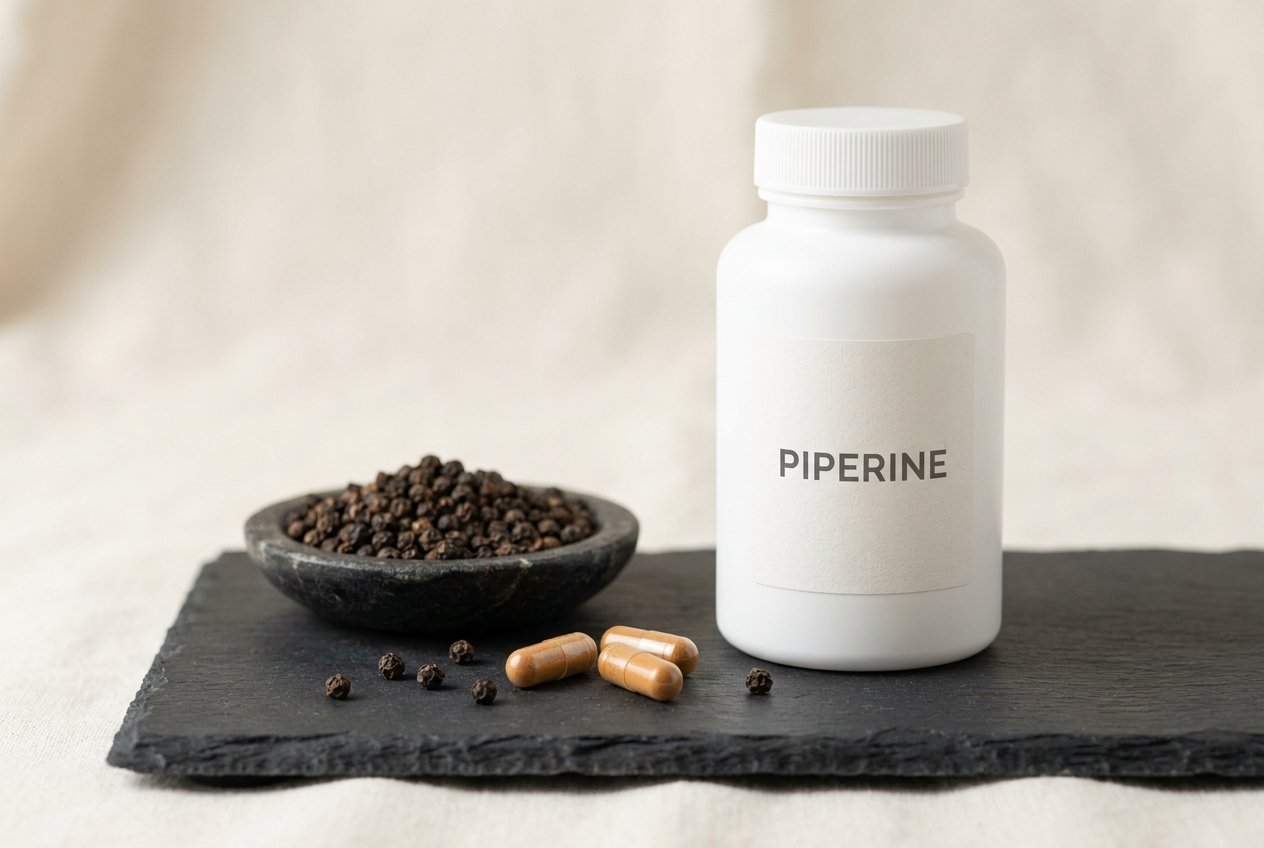
Piperine Supplements & BioPerine: What You're Actually Buying
Piperine, BioPerine, 'turmeric + black pepper' — a plain-English buyer's guide to what the labels mean, how much you need, and how to choose one safely.
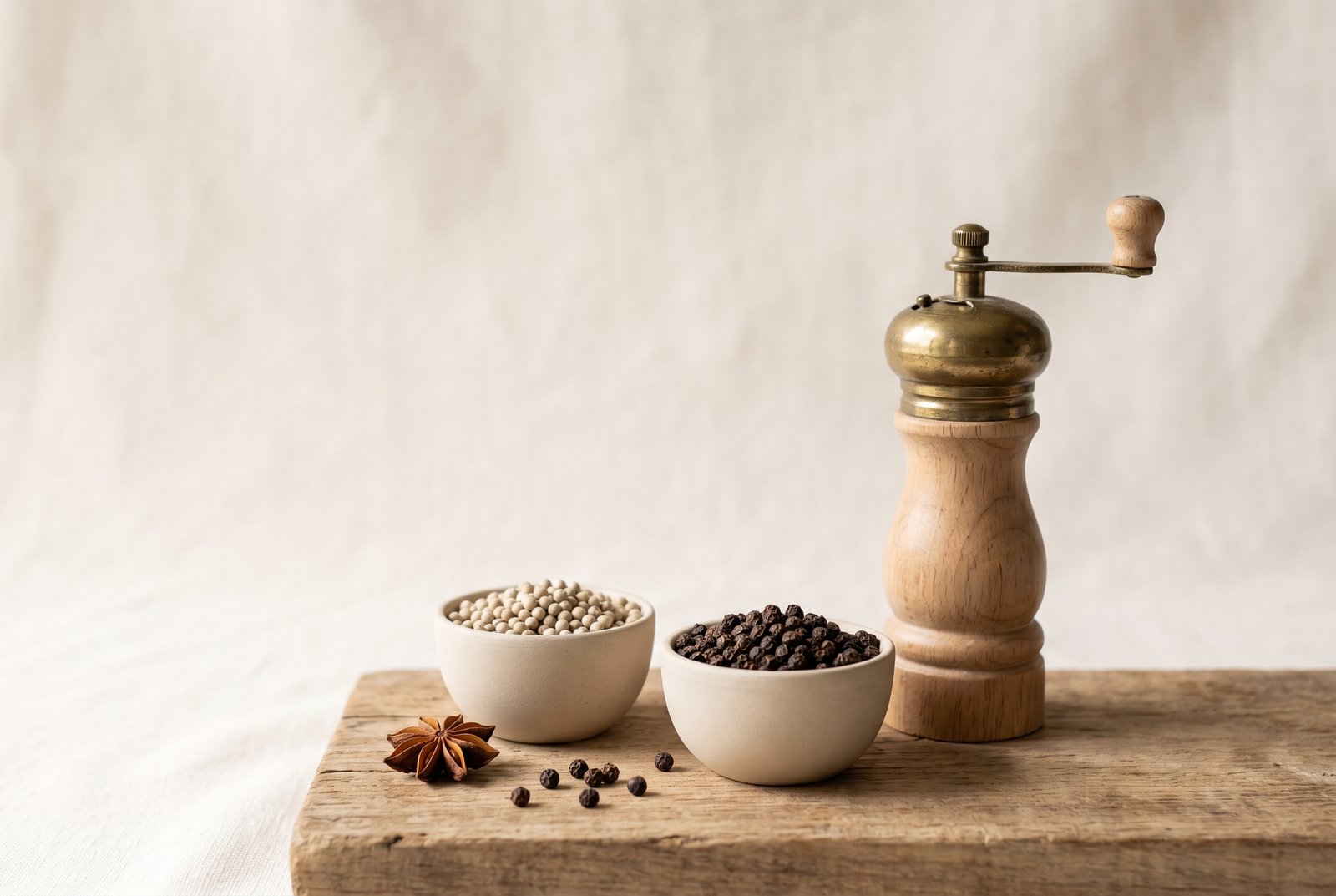
White vs Black Pepper (and Is Tellicherry Worth It?)
White, black, green, Tellicherry, Malabar — a clear guide to what's actually different, when to use each, and whether premium peppercorns are worth the money.
Cardamom
Cardamom is the spice people own without ever quite learning. It sits in the back of the cupboard because one recipe asked for it, costs more per gram than almost anything else on the shelf, and gets thrown away stale. These guides cover what cardamom is good for — graded honestly — and how to actually use the tin you already paid for.
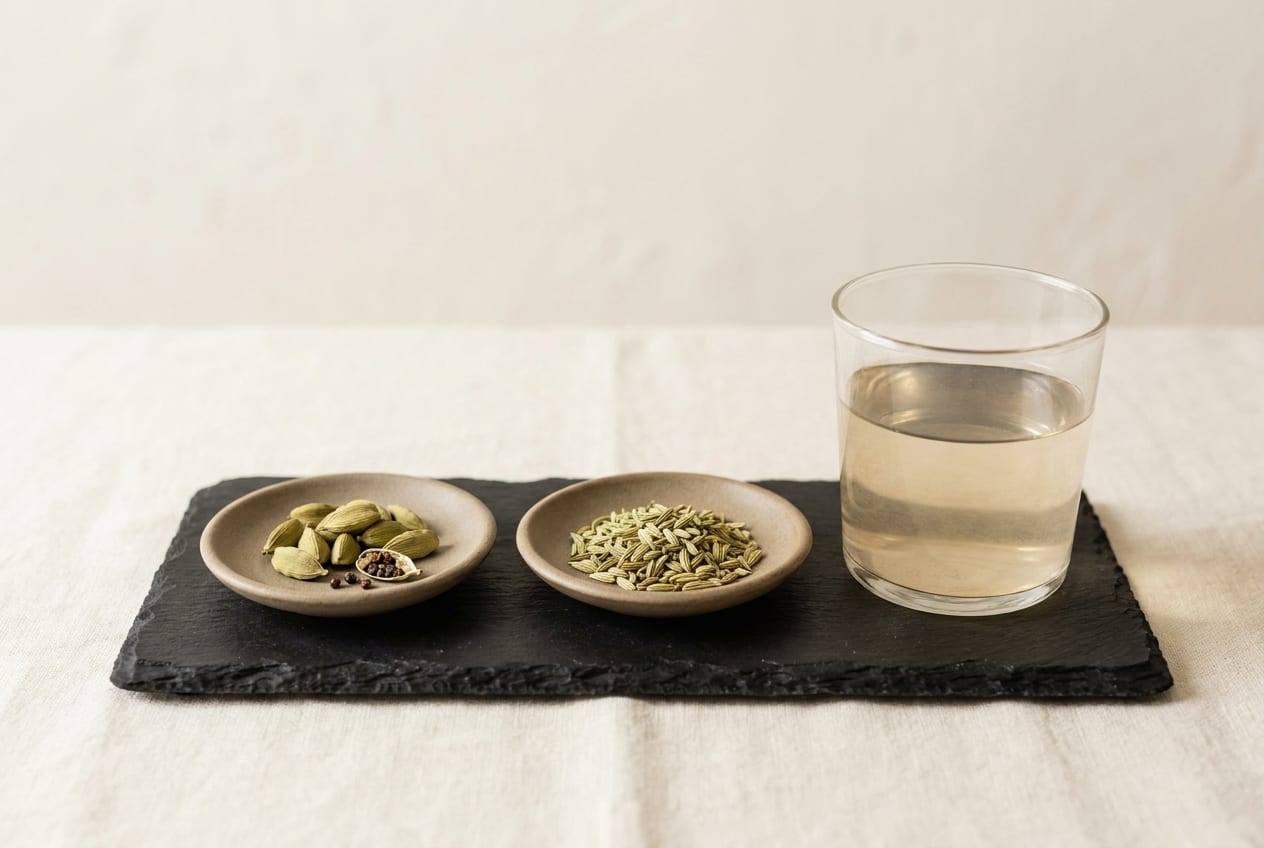
Cardamom for Digestion: Does It Actually Work?
Cardamom for bloating, indigestion and trapped wind — what the evidence really shows, how it compares with fennel, ginger and peppermint, how to take it, and when the symptom needs a doctor.
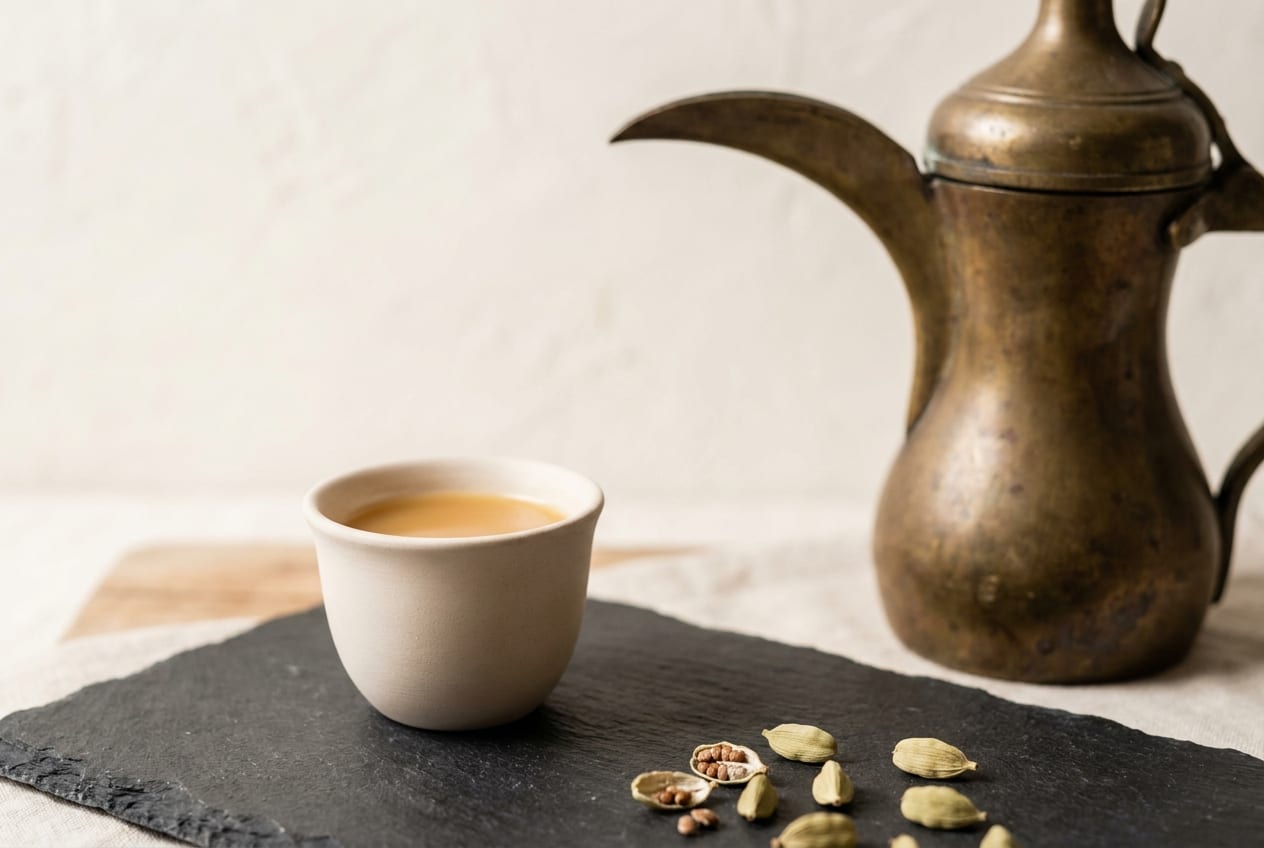
Cardamom in Coffee: The Tradition, and How to Do It Properly
Cardamom coffee explained — how Gulf qahwa and Scandinavian cardamom coffee differ, exactly how much to use in a filter, moka pot or espresso, and the mistakes that make it bitter.
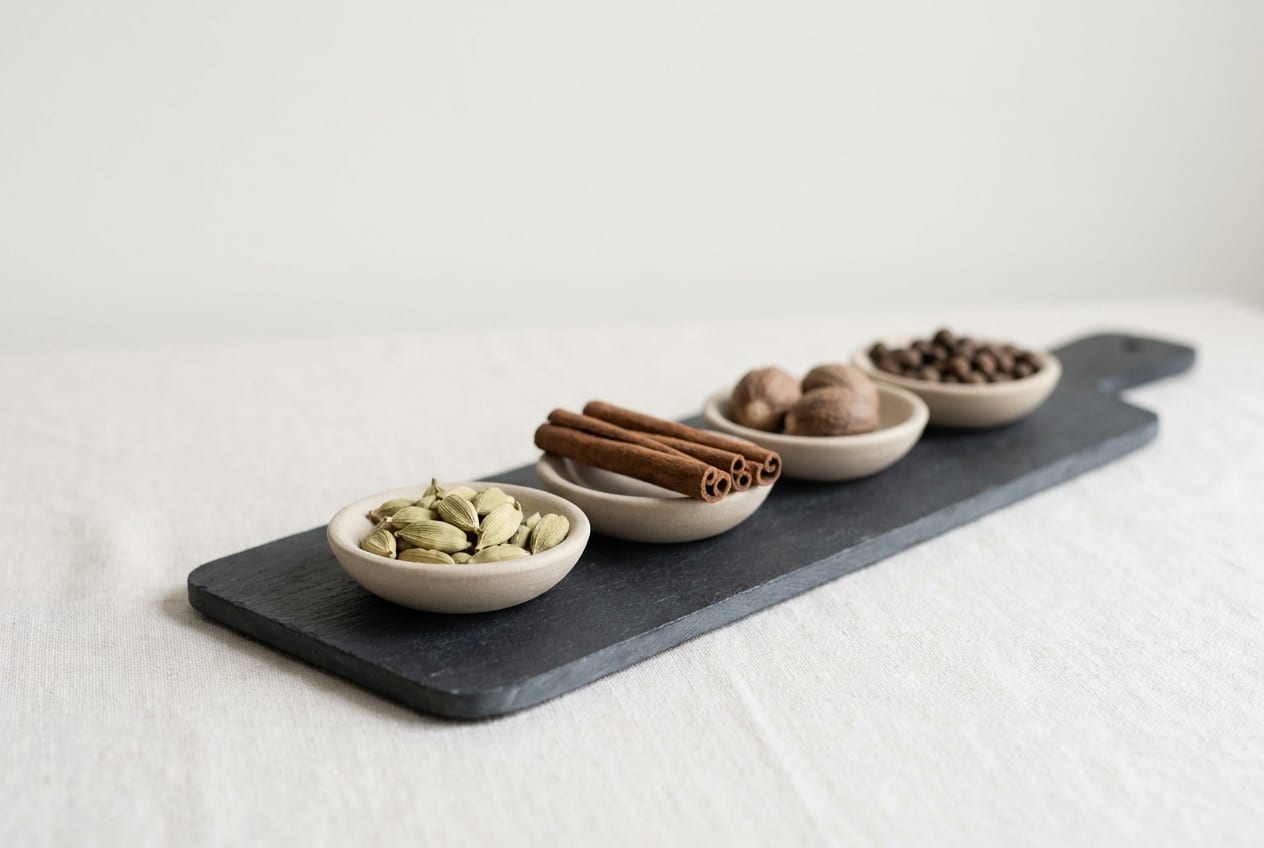
Cardamom Substitute: What to Use When You Have None
The best cardamom substitutes by dish — exact swap ratios for baking, curry, biryani, chai and coffee, what to use for black cardamom, and when to simply leave it out.
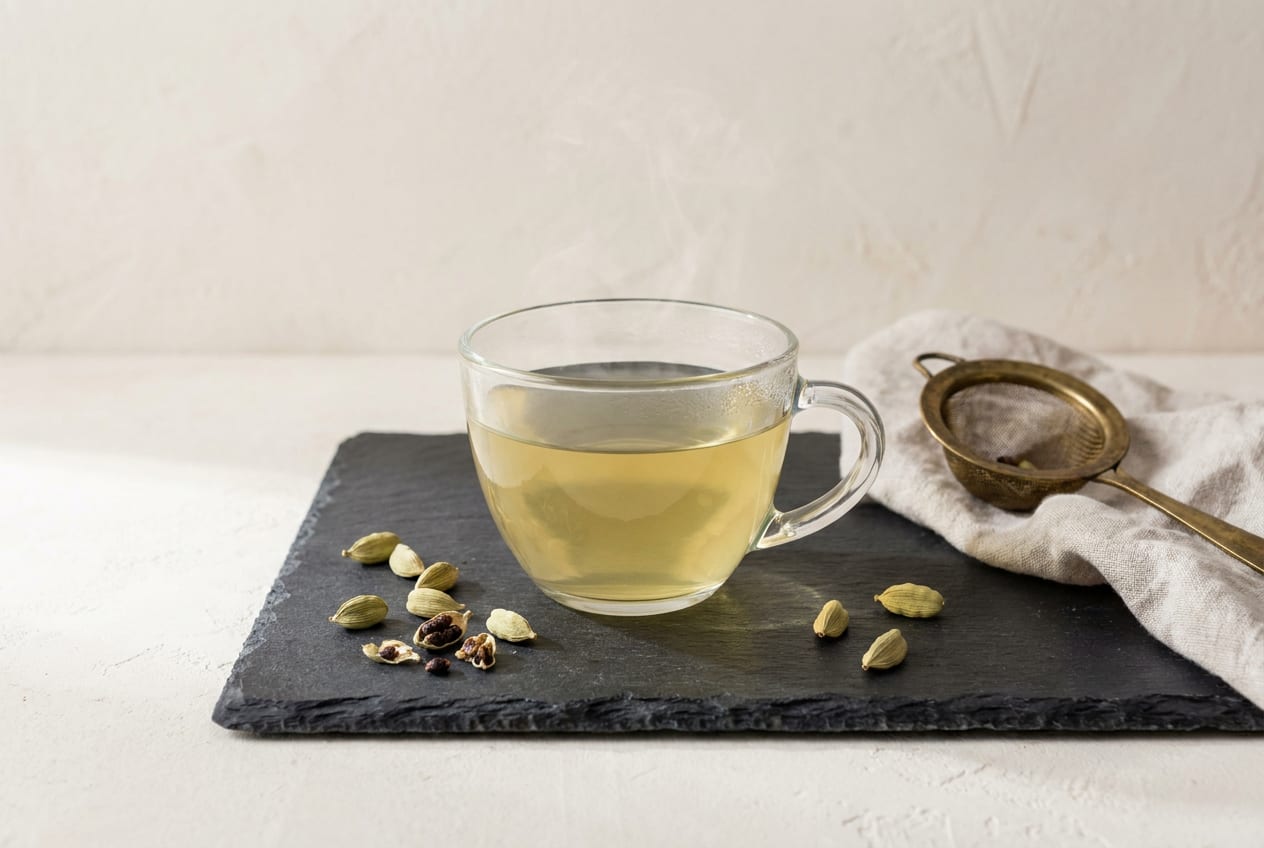
Cardamom Tea: What It Actually Does, and How to Brew It
Cardamom tea benefits graded honestly — what the evidence supports, what it doesn't, how to brew pods properly, and who should be careful with concentrated cardamom.
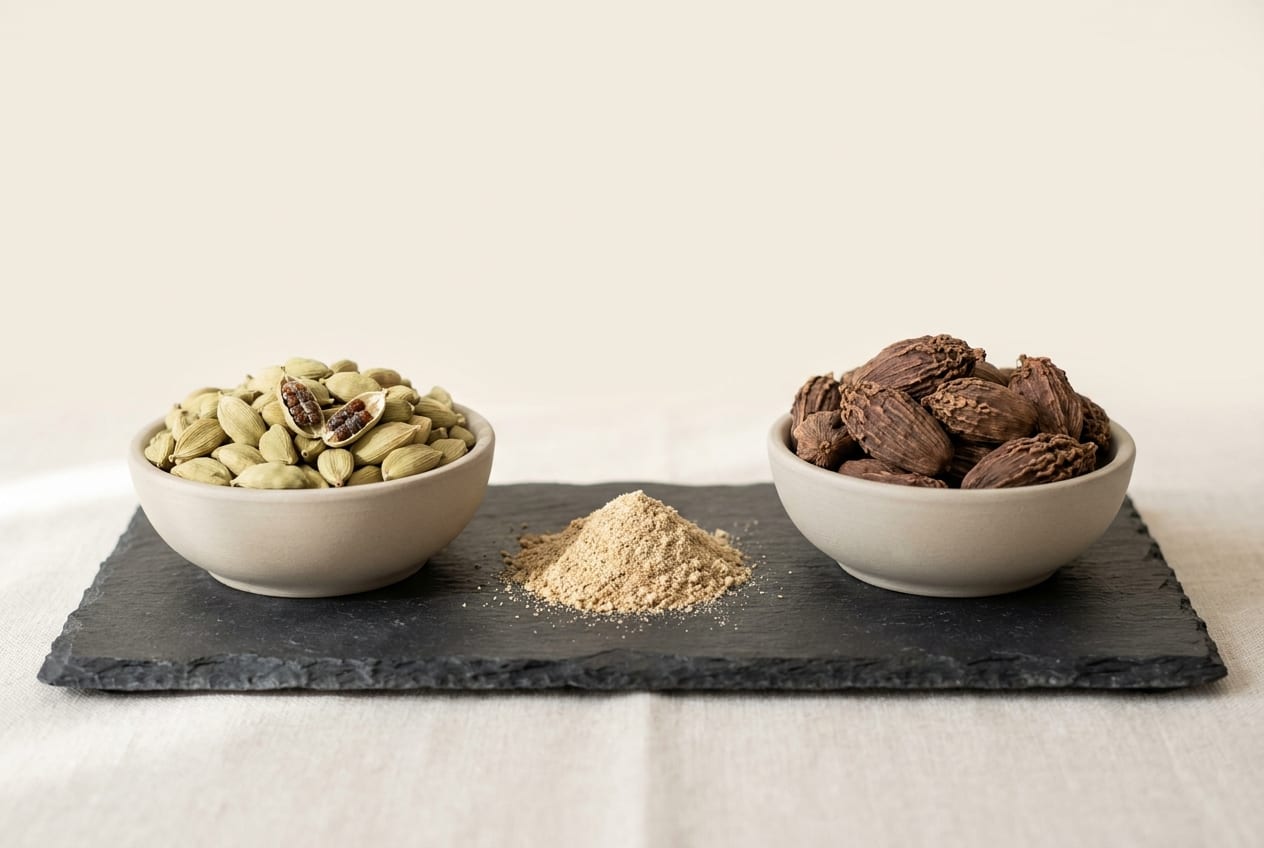
Which Cardamom to Buy: Green or Black, Pods or Ground
A buyer's guide to cardamom — green versus black, whole pods versus ground, what the grades mean, why it costs what it does, and how to tell fresh from stale before you pay.
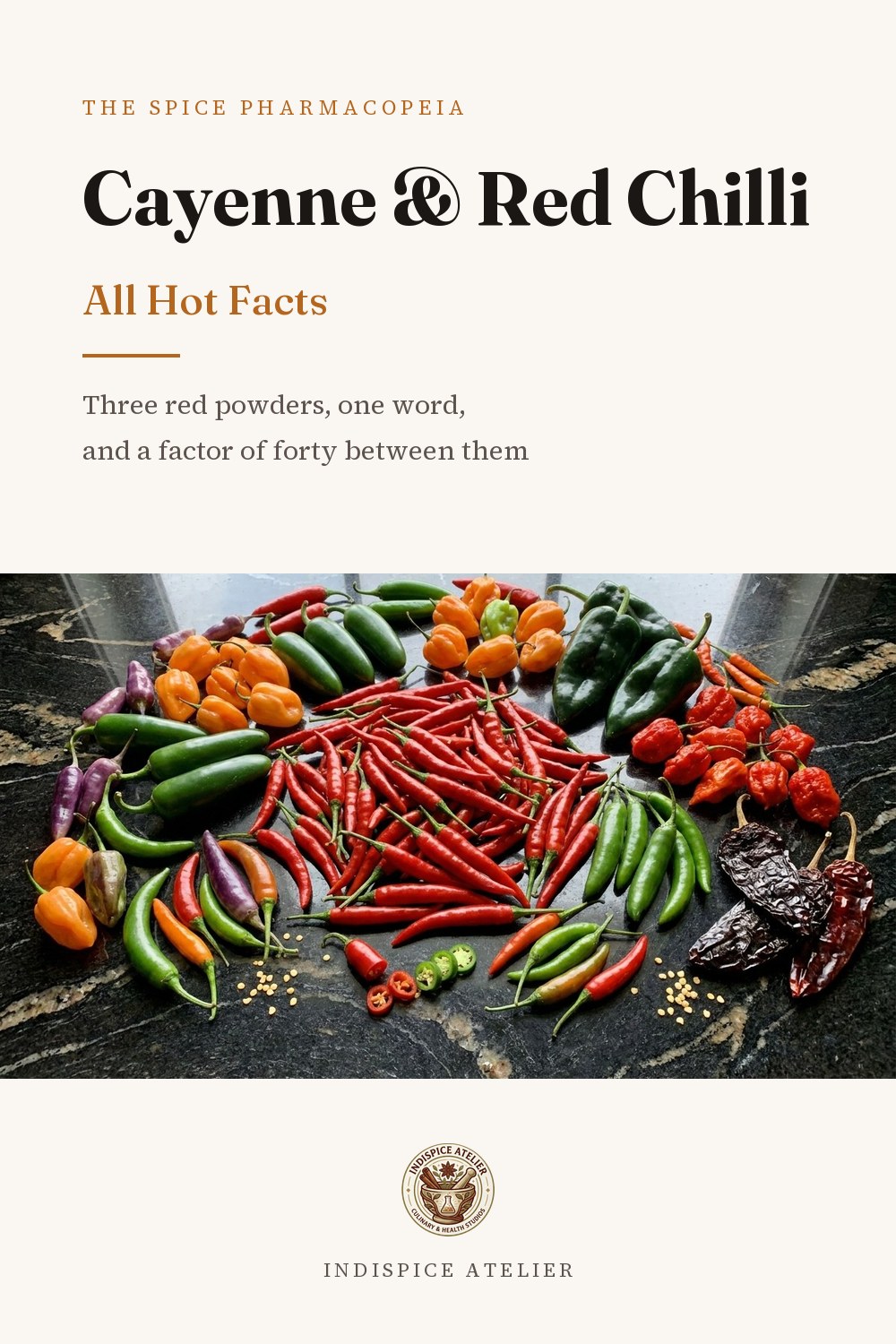
Cayenne & Red Chilli
Three different red powders sit on the world's shelves under names that overlap: cayenne, which is one ground chilli; American chili powder, which is a blend with cumin and oregano in it; and Indian red chilli powder, which is neither. These guides sort out which one a recipe means, what to use when you have the wrong one, and what the heat is genuinely doing to your body.
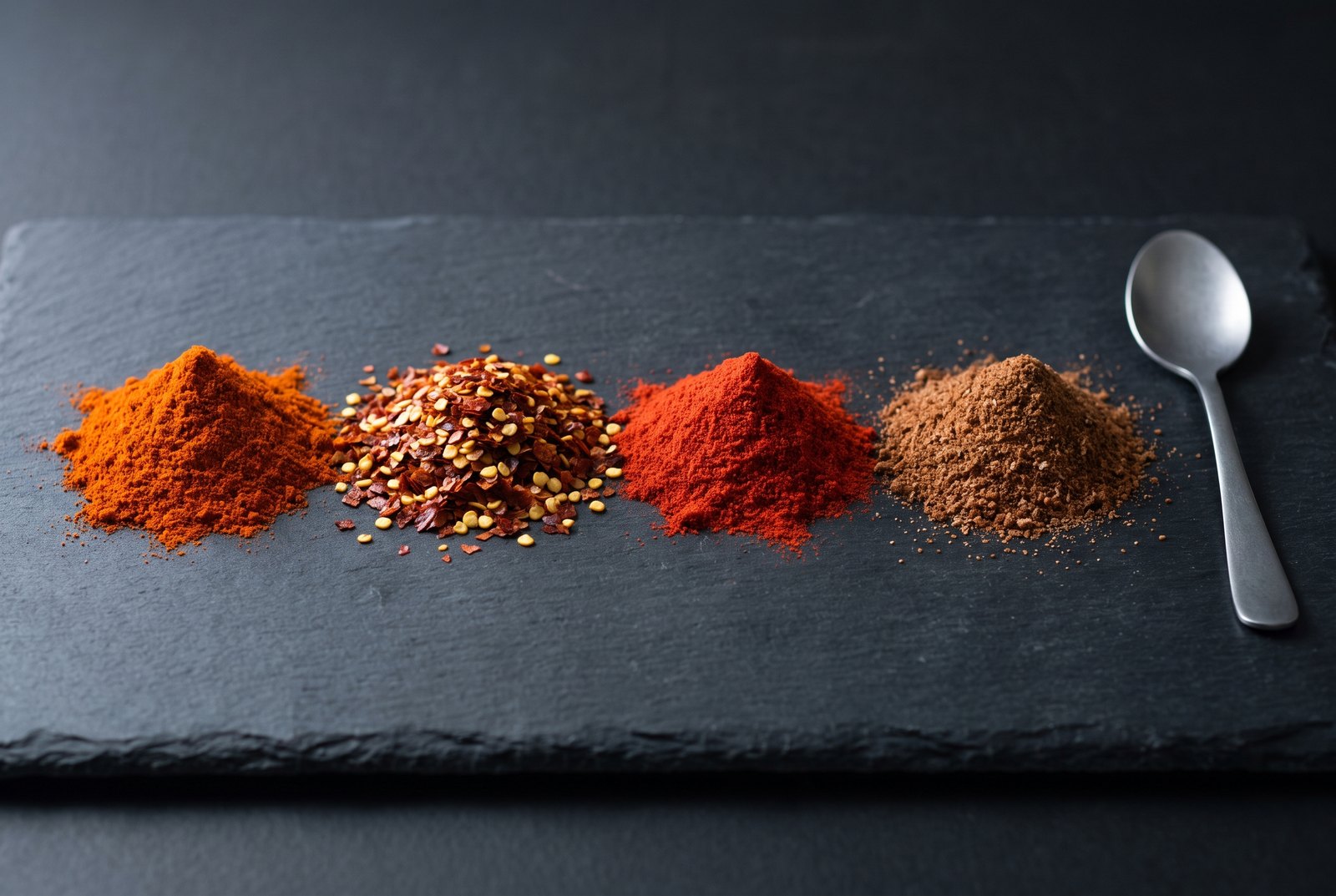
Cayenne Pepper Substitute: What to Use, and How Much
The best cayenne pepper substitutes with exact swap amounts — red pepper flakes, hot paprika, chili powder, gochugaru and hot sauce — by dish, plus the two swaps that quietly ruin a recipe.
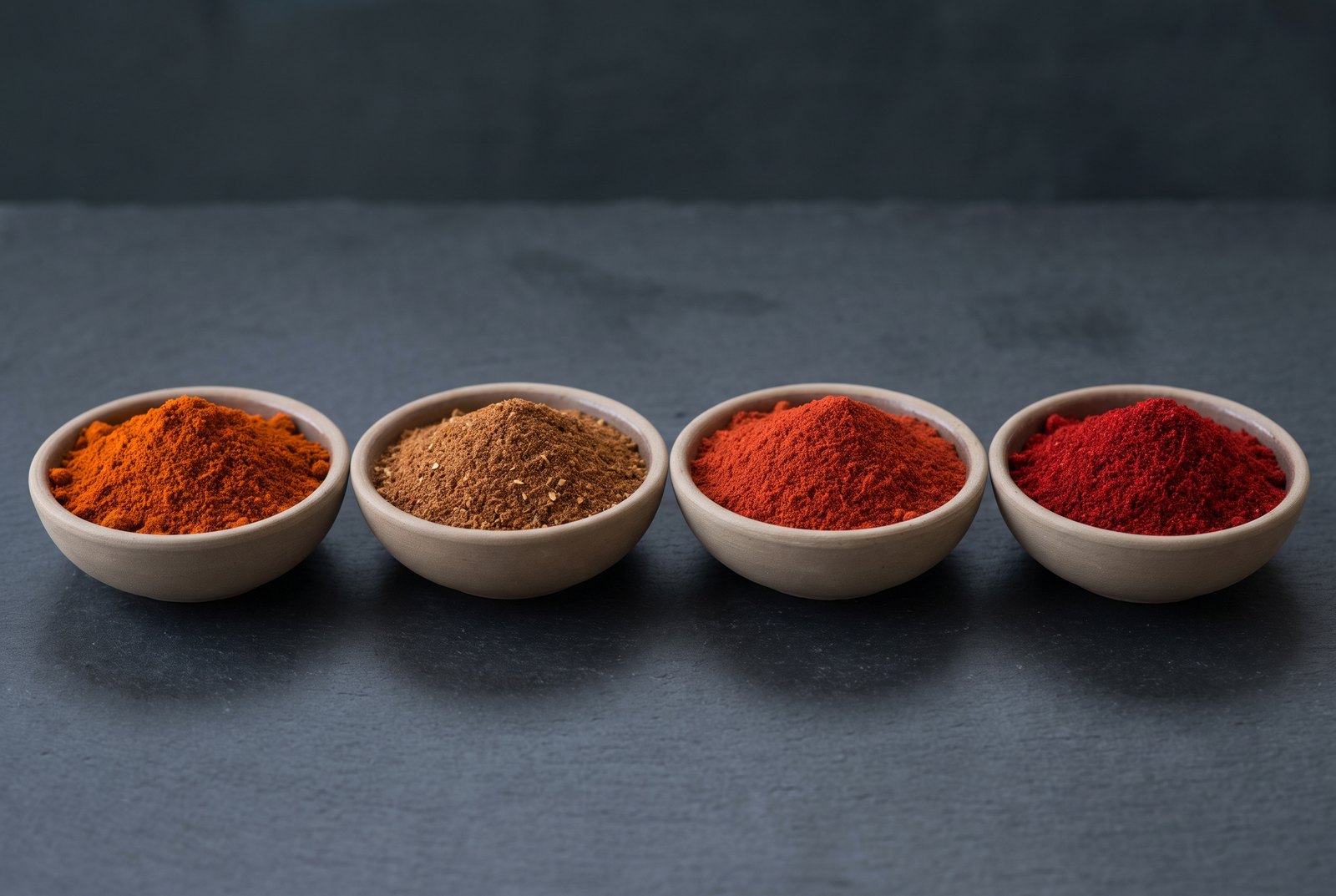
Cayenne vs Chili Powder vs Paprika: Which Red Powder Do You Need?
Three red powders, one constant mix-up. What cayenne, chili powder, paprika and Indian red chilli powder each are, how much hotter one is than the next, and which two jars are worth owning.
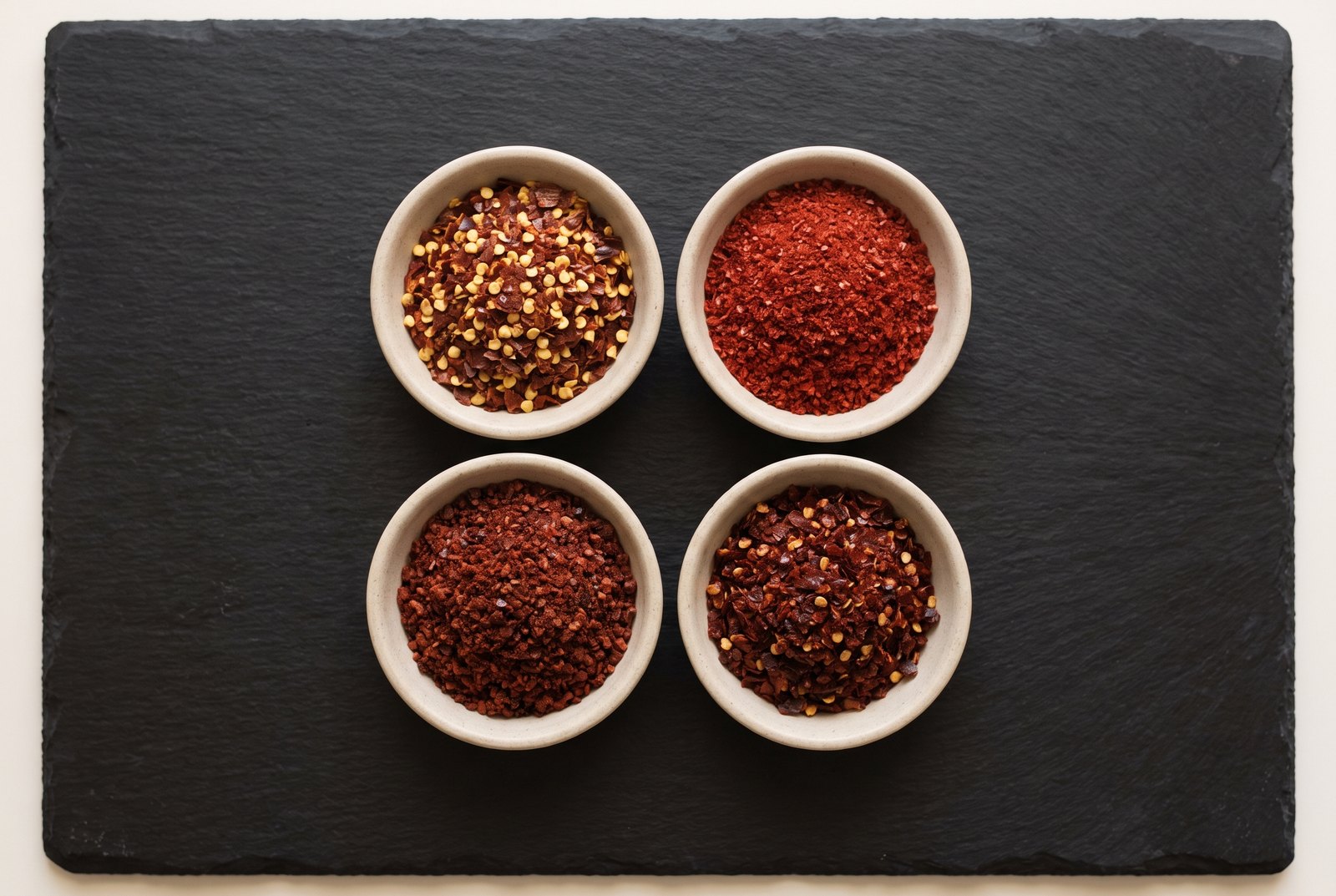
Chili Flakes vs Red Pepper Flakes: Are They the Same Thing?
In an American kitchen they are the same jar. In a British one they are often not. What the two labels mean, why gochugaru and Aleppo are also sold as chilli flakes, and when swapping them actually matters.
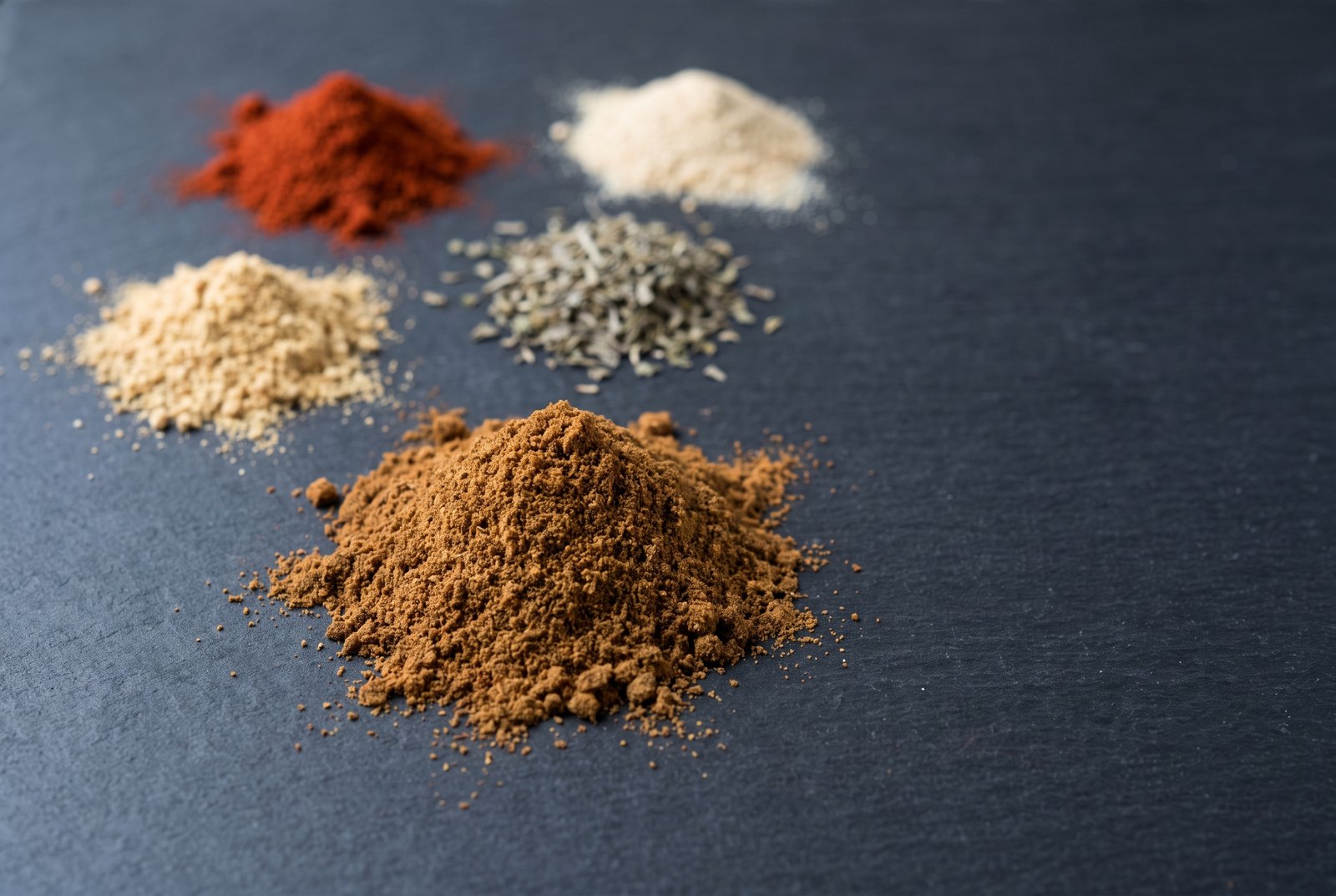
Chili Powder Substitute: Make It, or Swap It
Chili powder is a blend, not a single spice — so the best substitute is two minutes of mixing. The exact ratio, the single-jar swaps that work, and why taco seasoning needs the salt taken out.
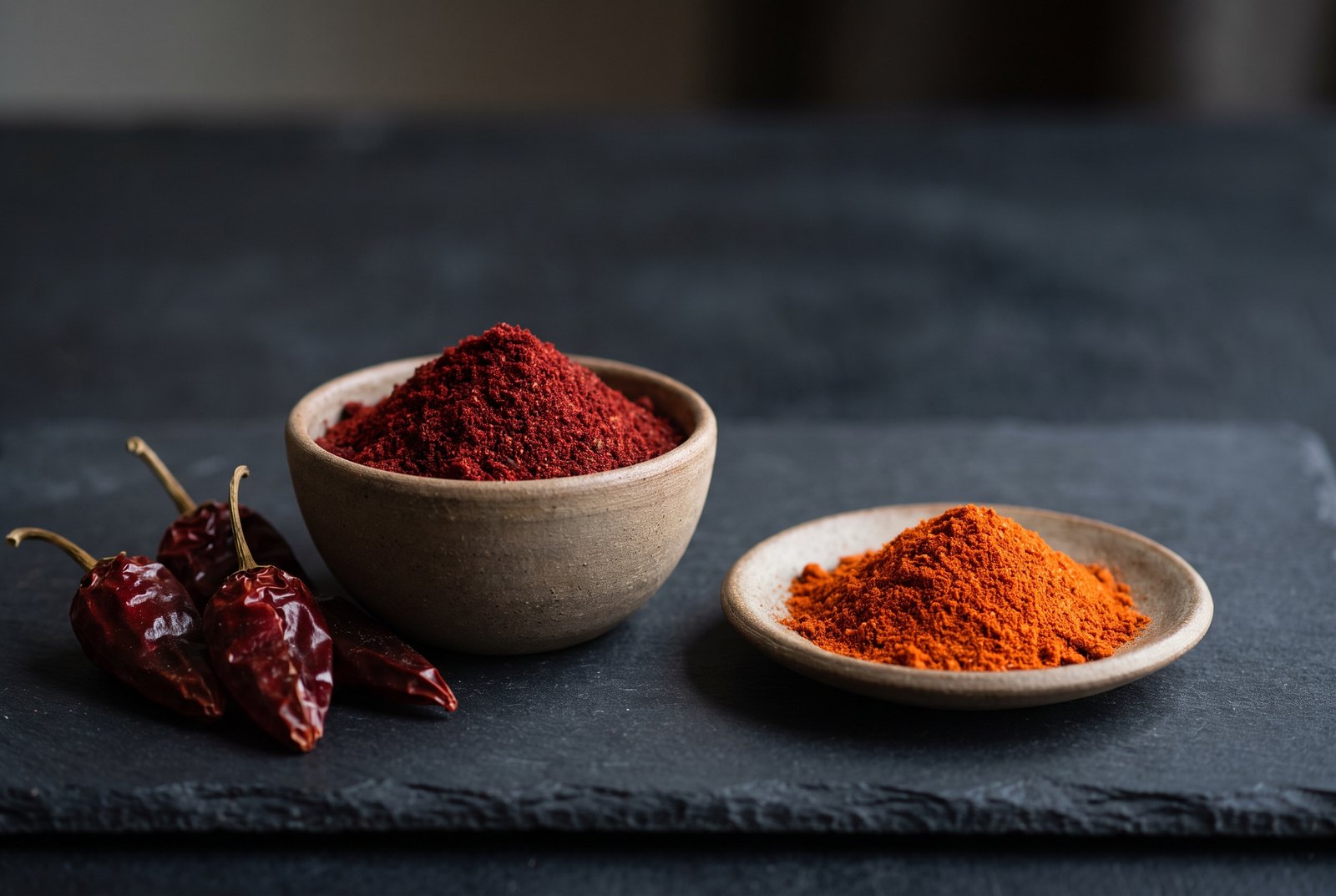
Kashmiri Chilli Powder Substitute — and What It Actually Is
Kashmiri chilli is bought for colour, not heat, so the substitute has to be too. The exact paprika-and-cayenne swap, what deggi mirch really is, and why most jars labelled Kashmiri are grown a thousand miles from Kashmir.
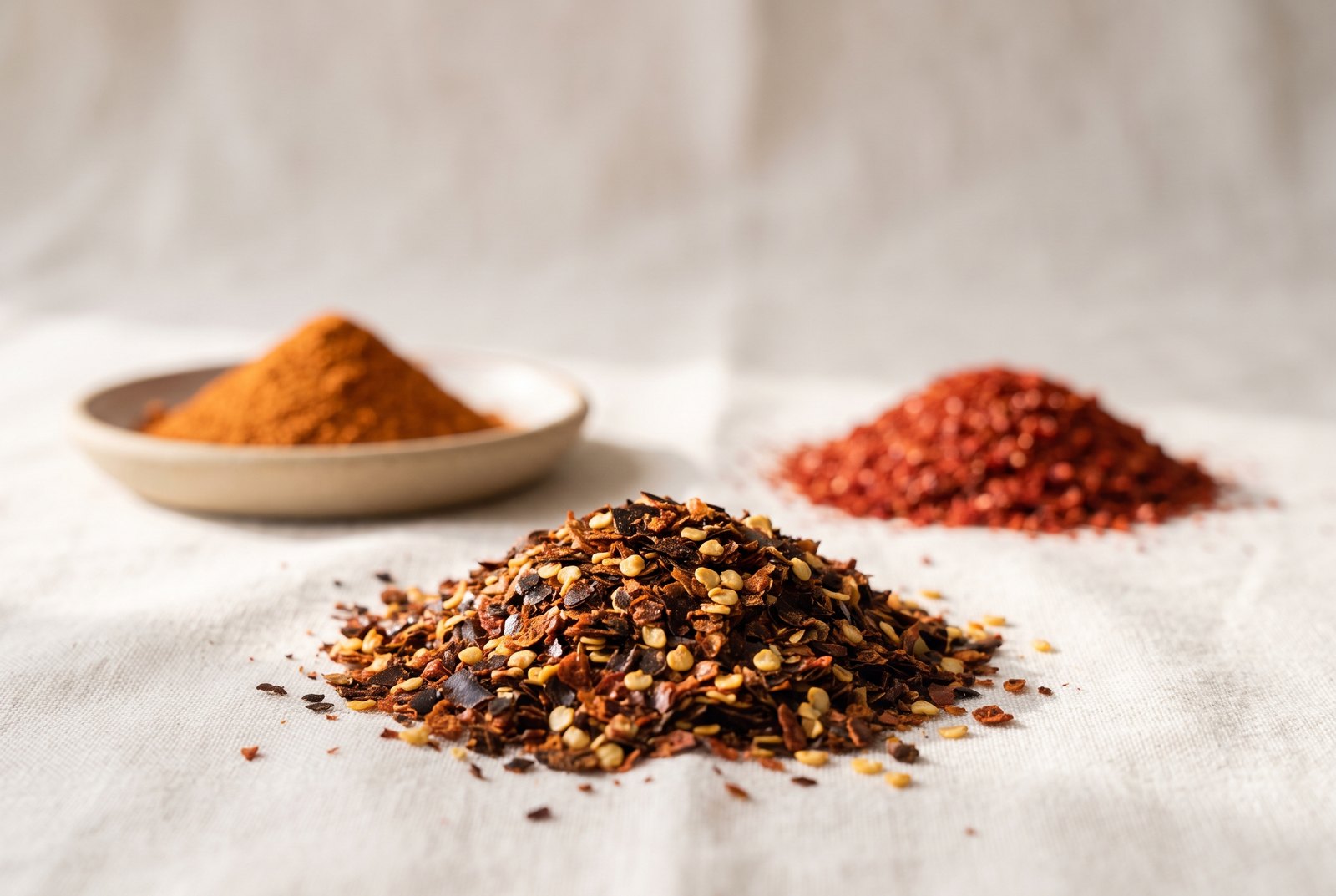
Red Pepper Flakes Substitute: What to Use, and How Much
The best red pepper flakes substitutes with exact swap amounts — cayenne, gochugaru, Aleppo, hot paprika, chili powder and fresh chilli — sorted by whether the flakes are cooked into the dish or sprinkled on top.
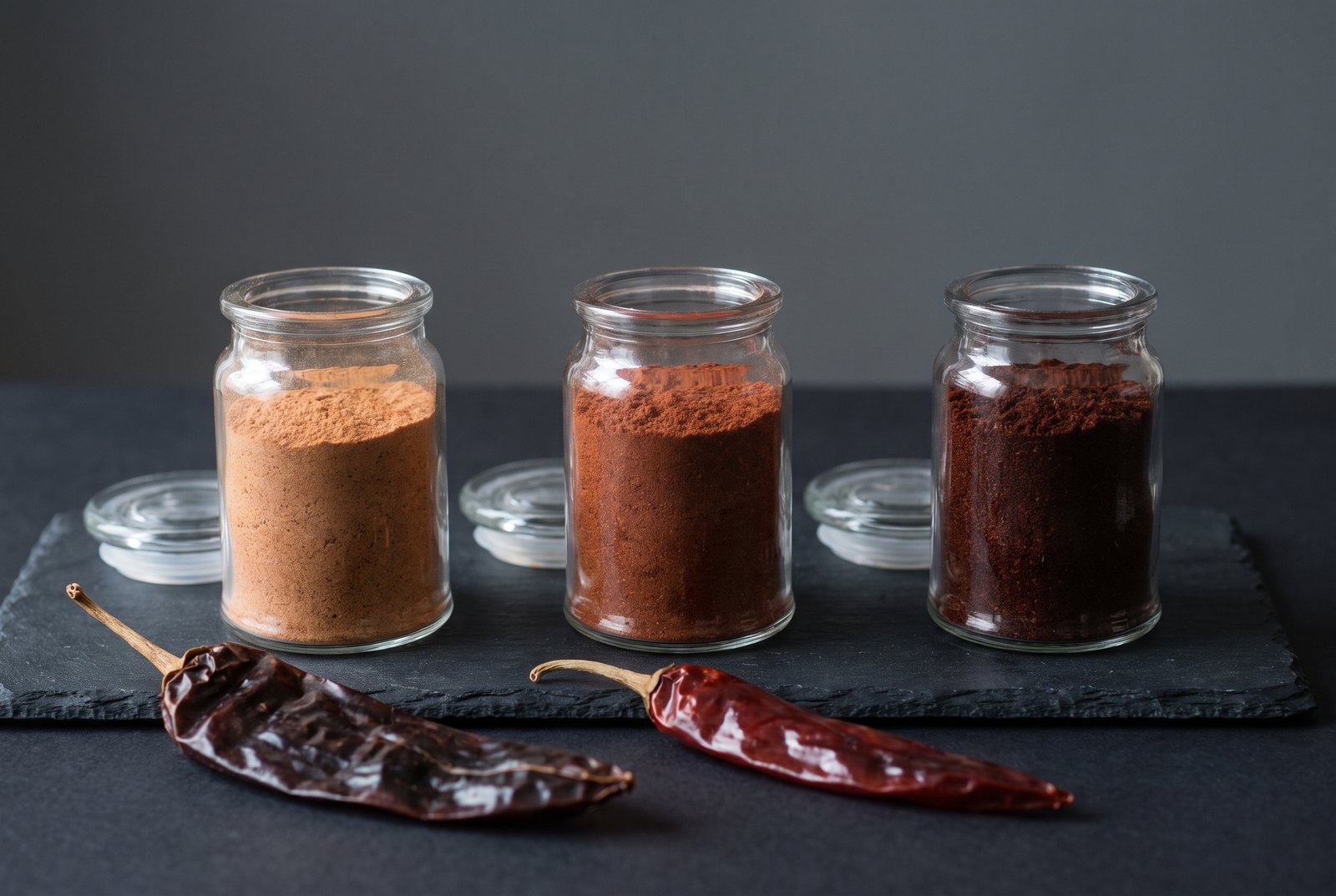
Which Chili Powder to Buy — and Which One for Chilli
How to judge a jar of chili powder: salt, fillers, which chillies are in it and how old it is. What to buy for a pot of chilli con carne, and when a single-chilli powder is the better purchase.
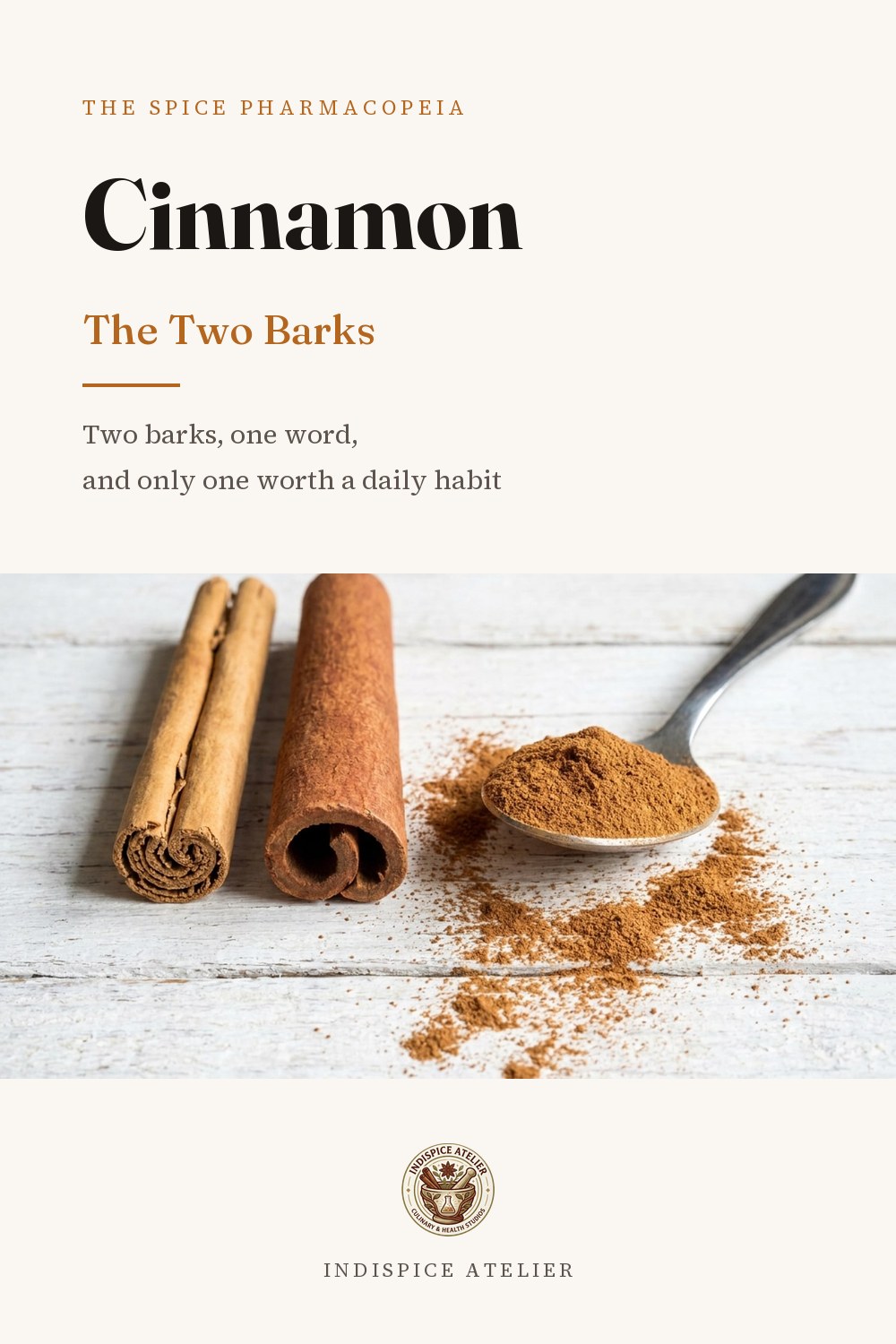
Cinnamon
Almost every jar labelled cinnamon in an American supermarket is not cinnamon. It is cassia, a related bark that is cheaper, harsher and carries a liver-stressing compound at hundreds of times the level found in the real thing. These guides cover the difference, how to spot it, and what cinnamon does and does not do for you.
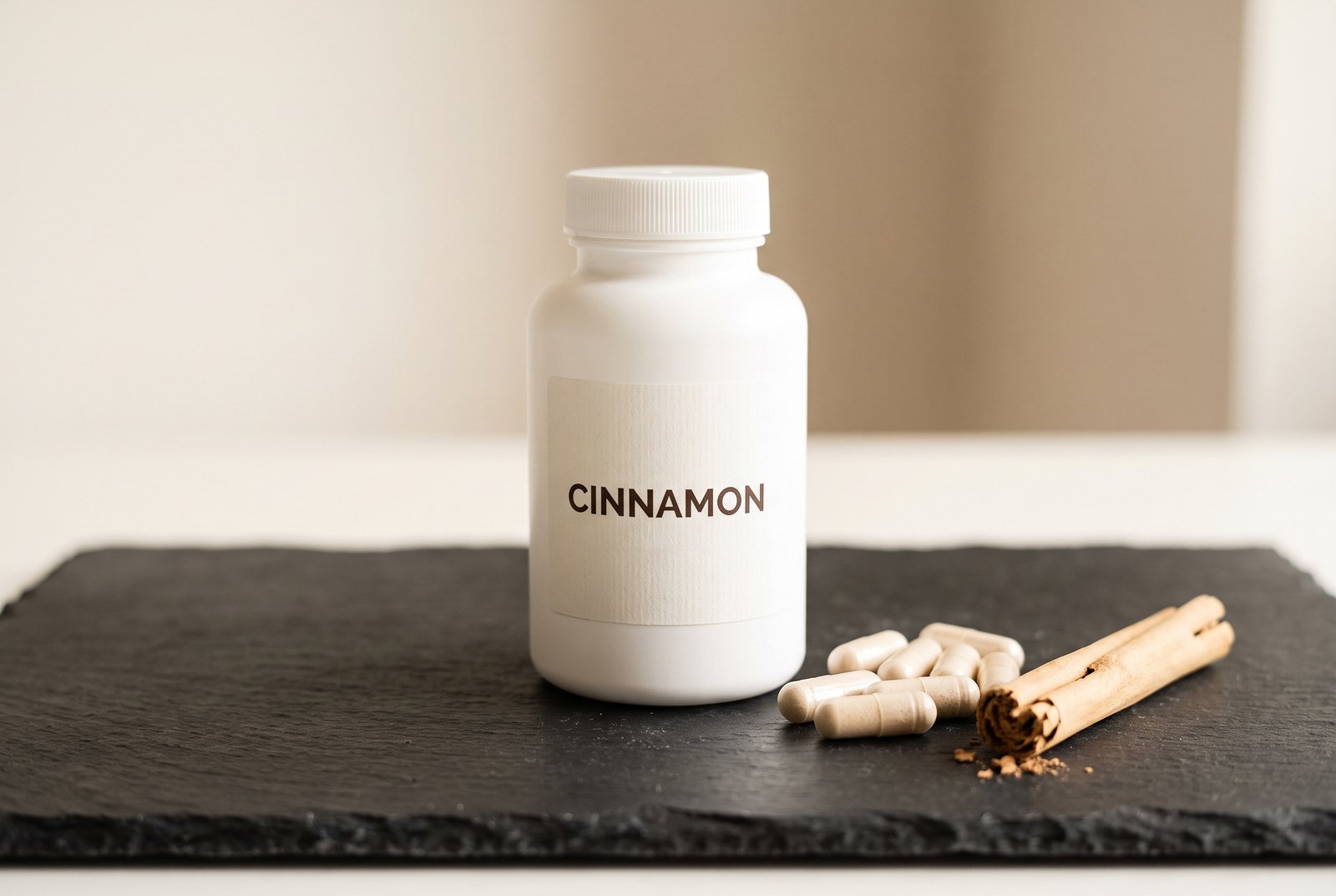
Ceylon Cinnamon Capsules: How to Read the Label Before You Buy
What to look for in a Ceylon cinnamon supplement — why the species on the label decides everything, extract versus whole bark, the fillers to avoid, third-party testing, and when capsules are the wrong answer entirely.
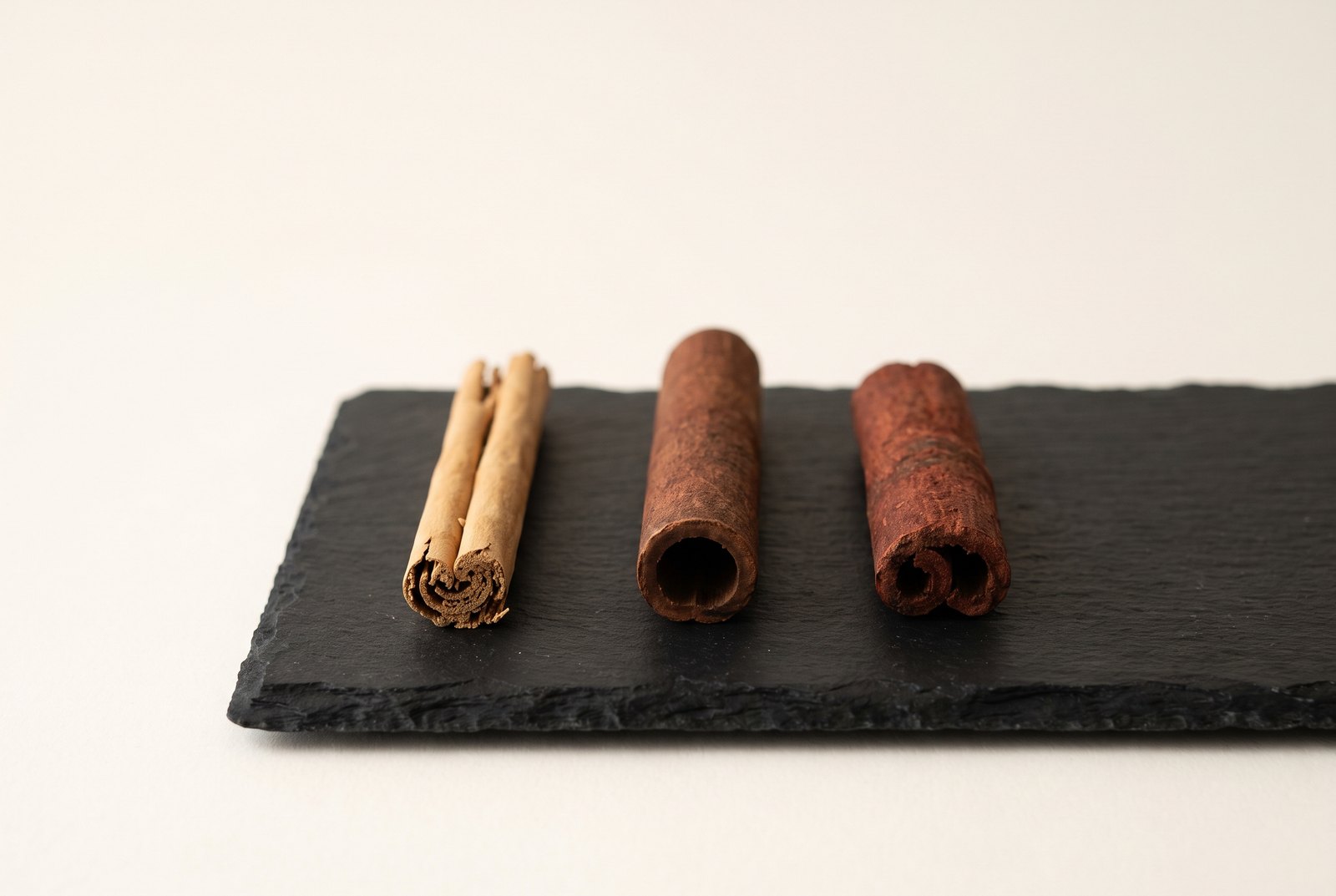
Ceylon vs Cassia vs Saigon Cinnamon: Which One Do You Have?
The three cinnamons compared — how Ceylon, cassia and Saigon differ in taste, appearance and coumarin content, how to tell them apart in the jar, and which one to use for what.
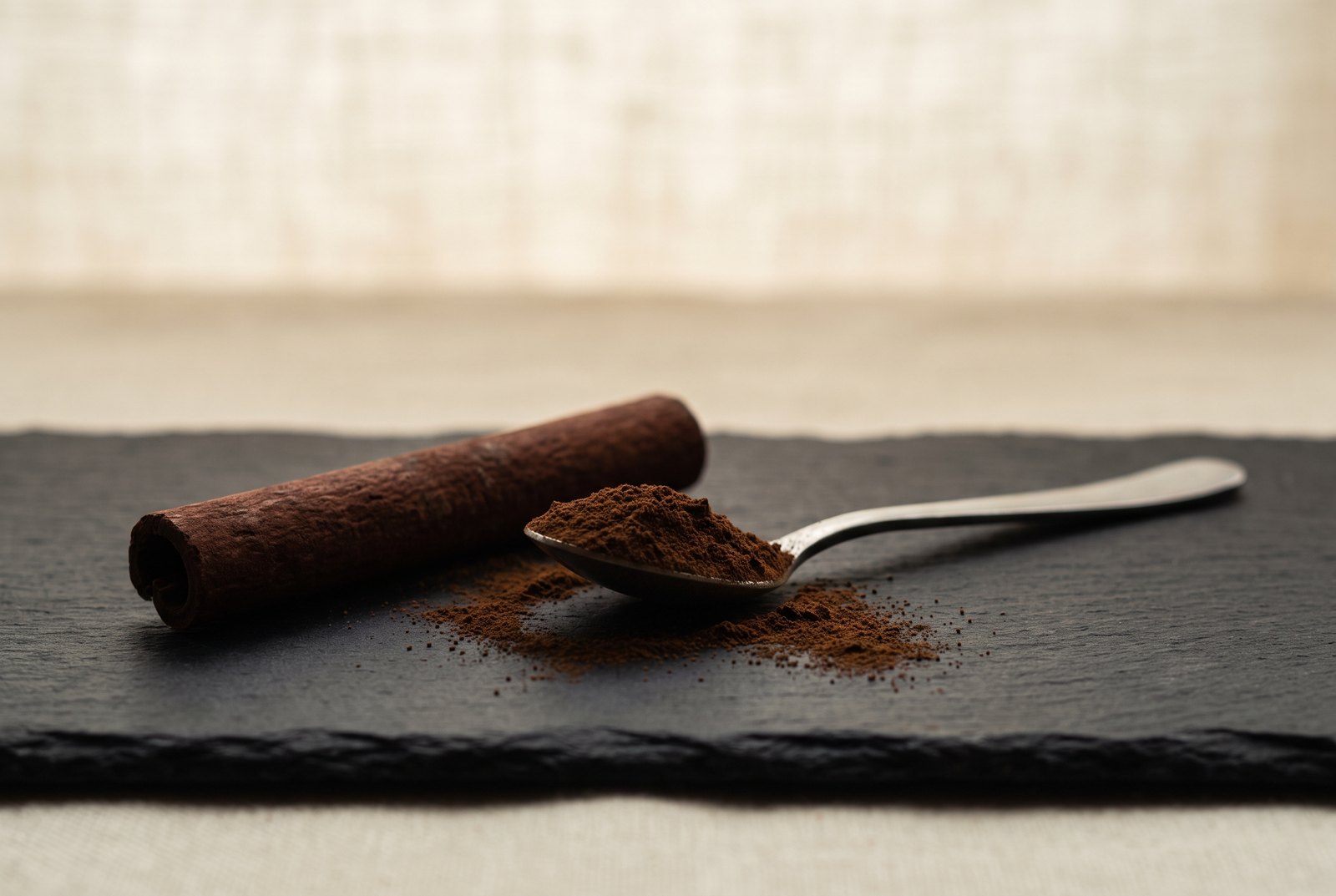
Cinnamon Side Effects: The Coumarin Problem Nobody Mentions
The real risks of cinnamon — what coumarin in cassia does to the liver, why the daily-spoonful habit is the pattern that matters, mouth and medicine interactions, and who should avoid it.
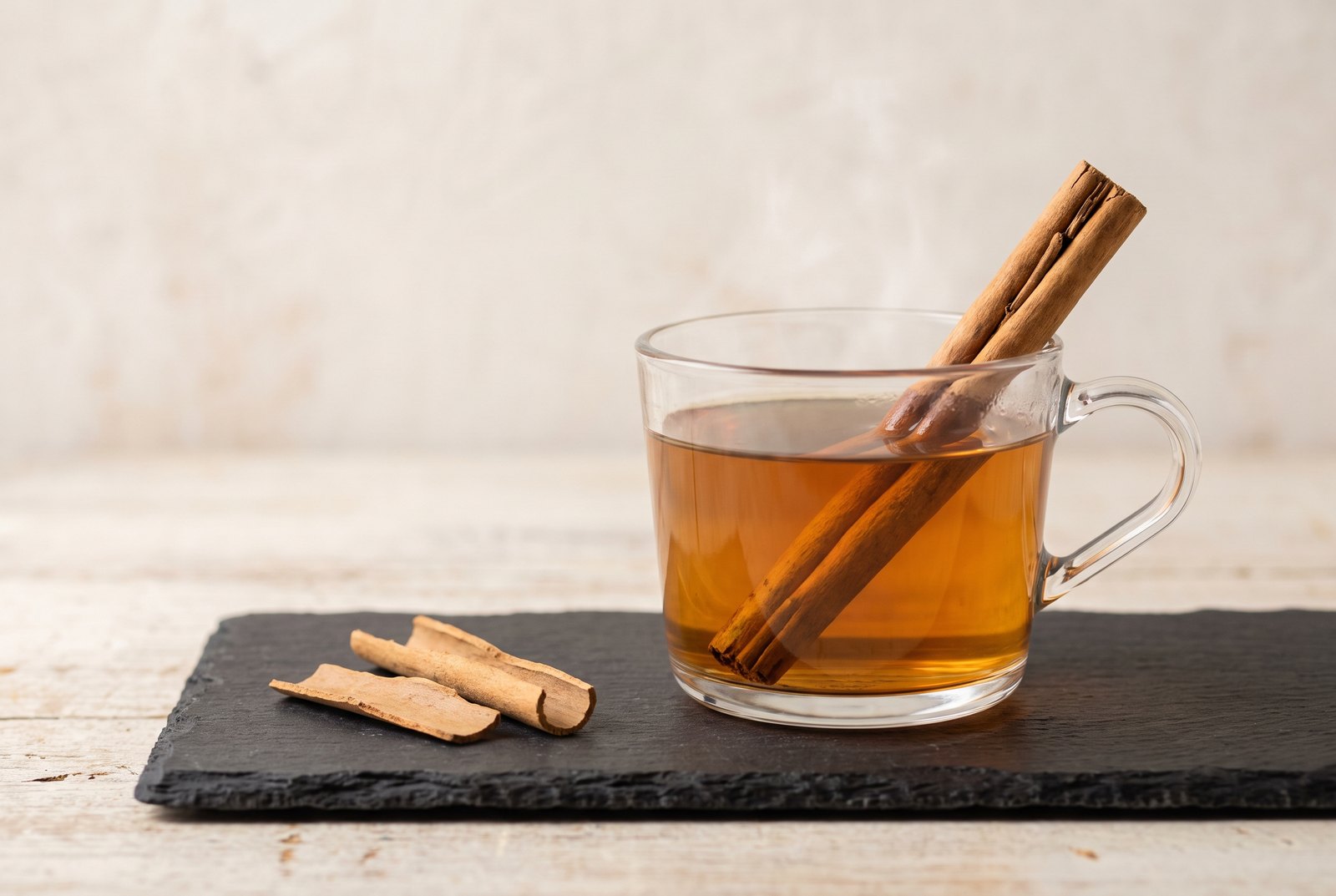
Cinnamon Tea Benefits: What It Does, and How to Make It Properly
What cinnamon tea actually does — the blood sugar evidence read honestly, why the stick you use changes the answer, how to brew it so it tastes of something, and who should be careful.
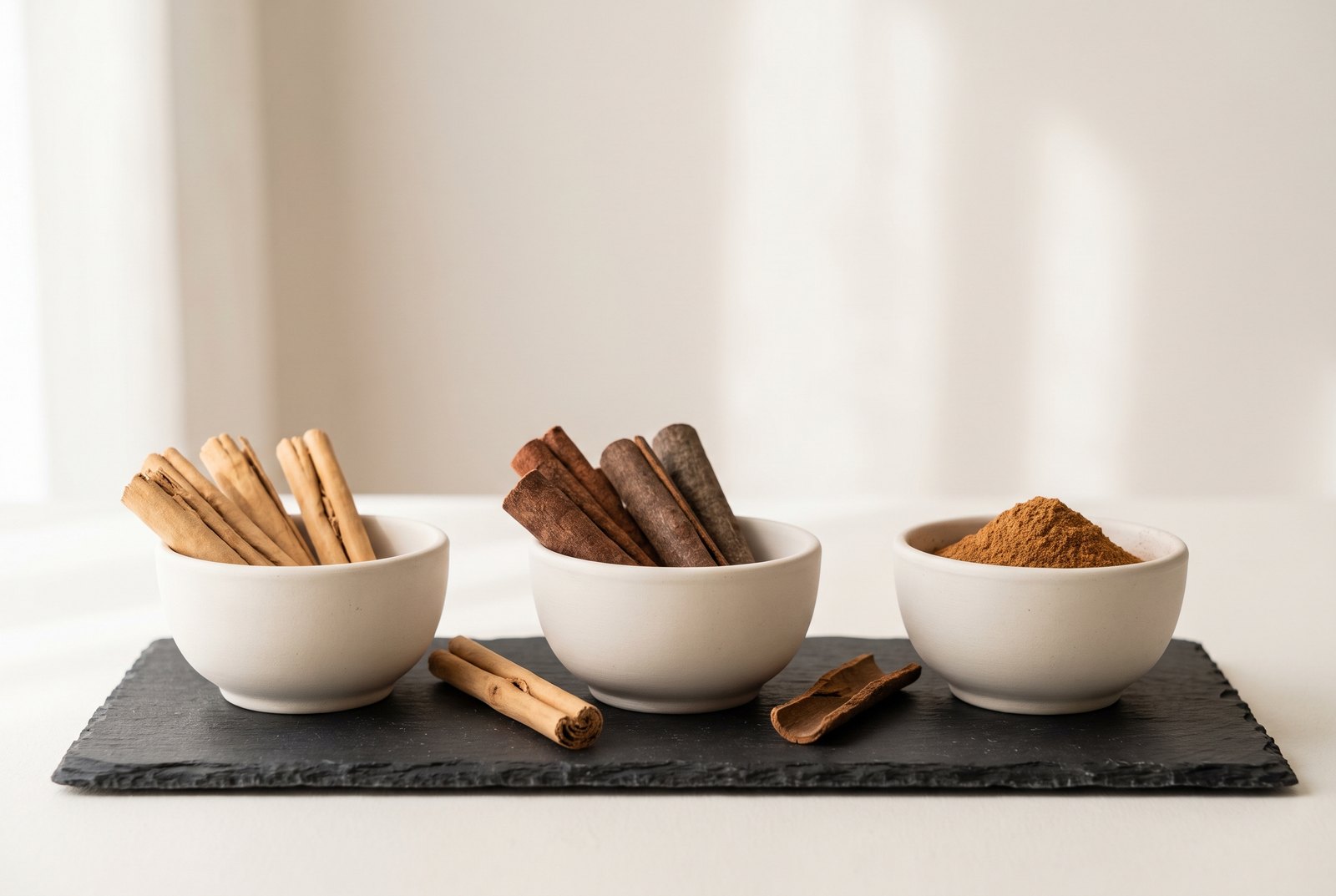
Which Cinnamon to Buy: Ceylon or Cassia, Sticks or Ground
A buyer's guide to cinnamon — how to spot genuine Ceylon, what the grades mean, sticks versus ground, what to expect to pay, and how to tell fresh cinnamon from the jar that has been open three years.
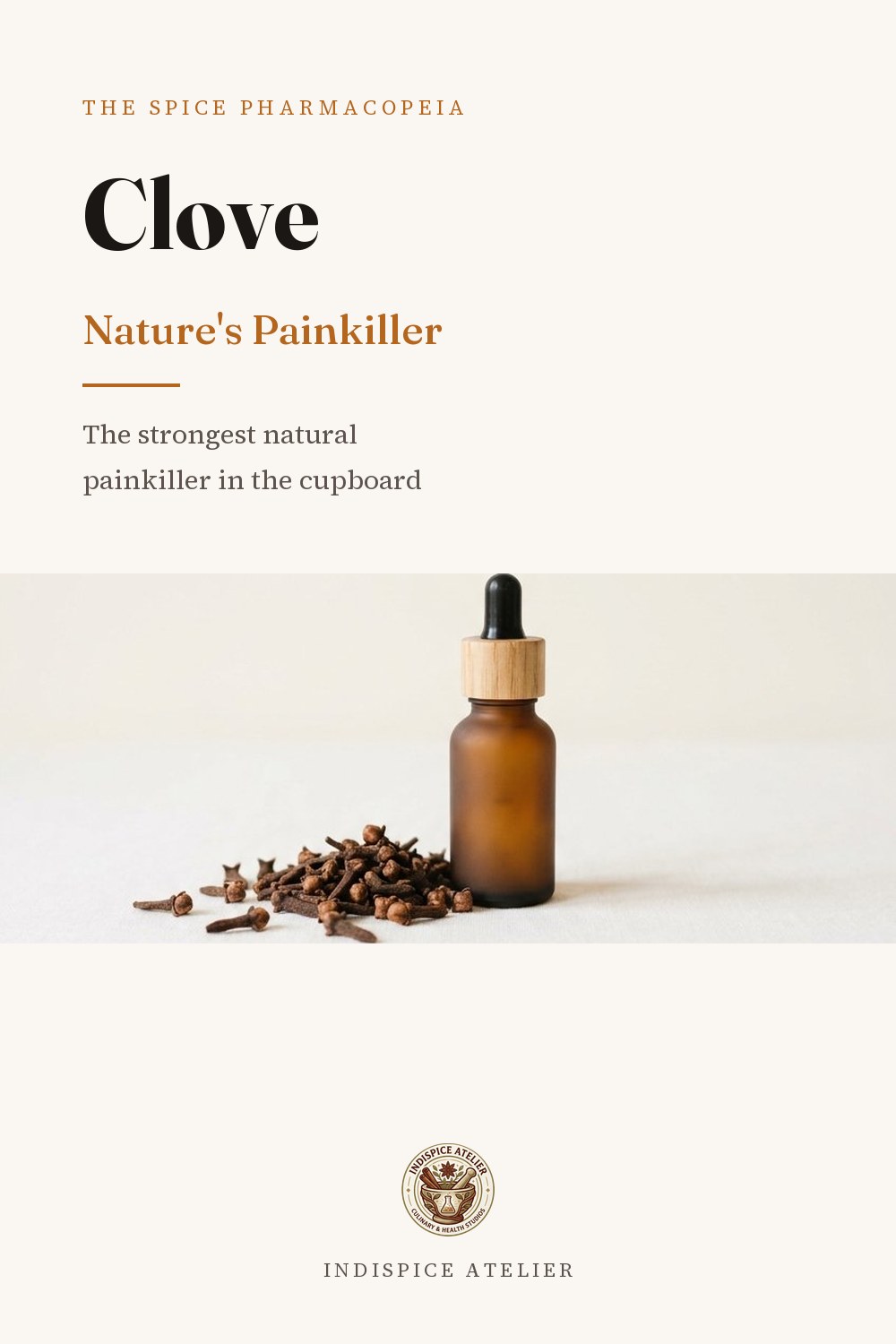
Clove
Clove is the rare folk remedy that modern dentistry adopted rather than discarded. Eugenol, its active compound, is a genuine local anaesthetic and antiseptic — which is why one clove benefit is far better supported than all the others, and why clove oil is concentrated enough to do harm if it is used carelessly.
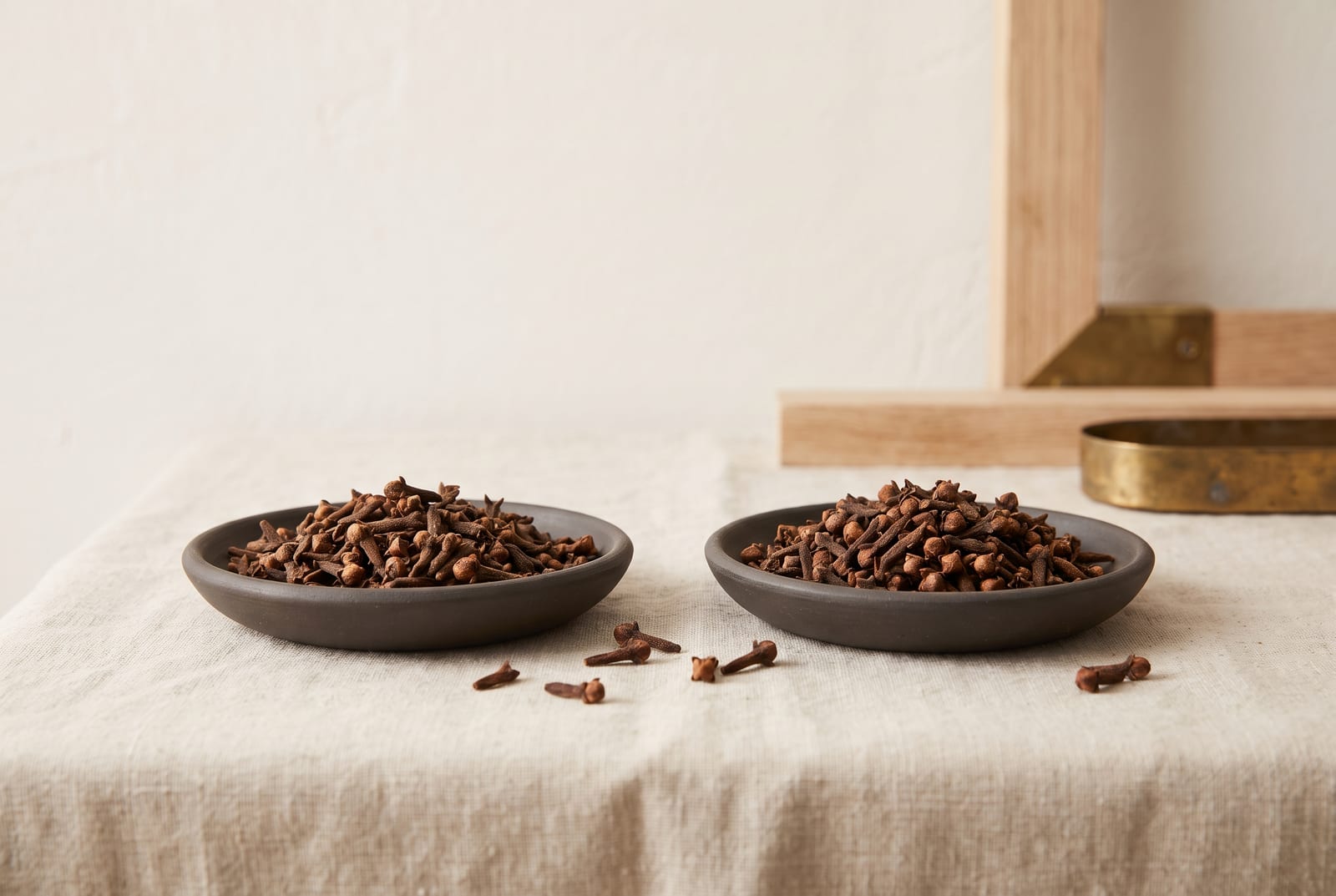
Clove Benefits for Women and Men: Separating the Claims from the Evidence
Clove is sold to women for hormones and fertility, and to men for testosterone and stamina. Almost none of it has been tested in people. Here is what clove genuinely does, what it does not, and the one sex-specific caution that is real.
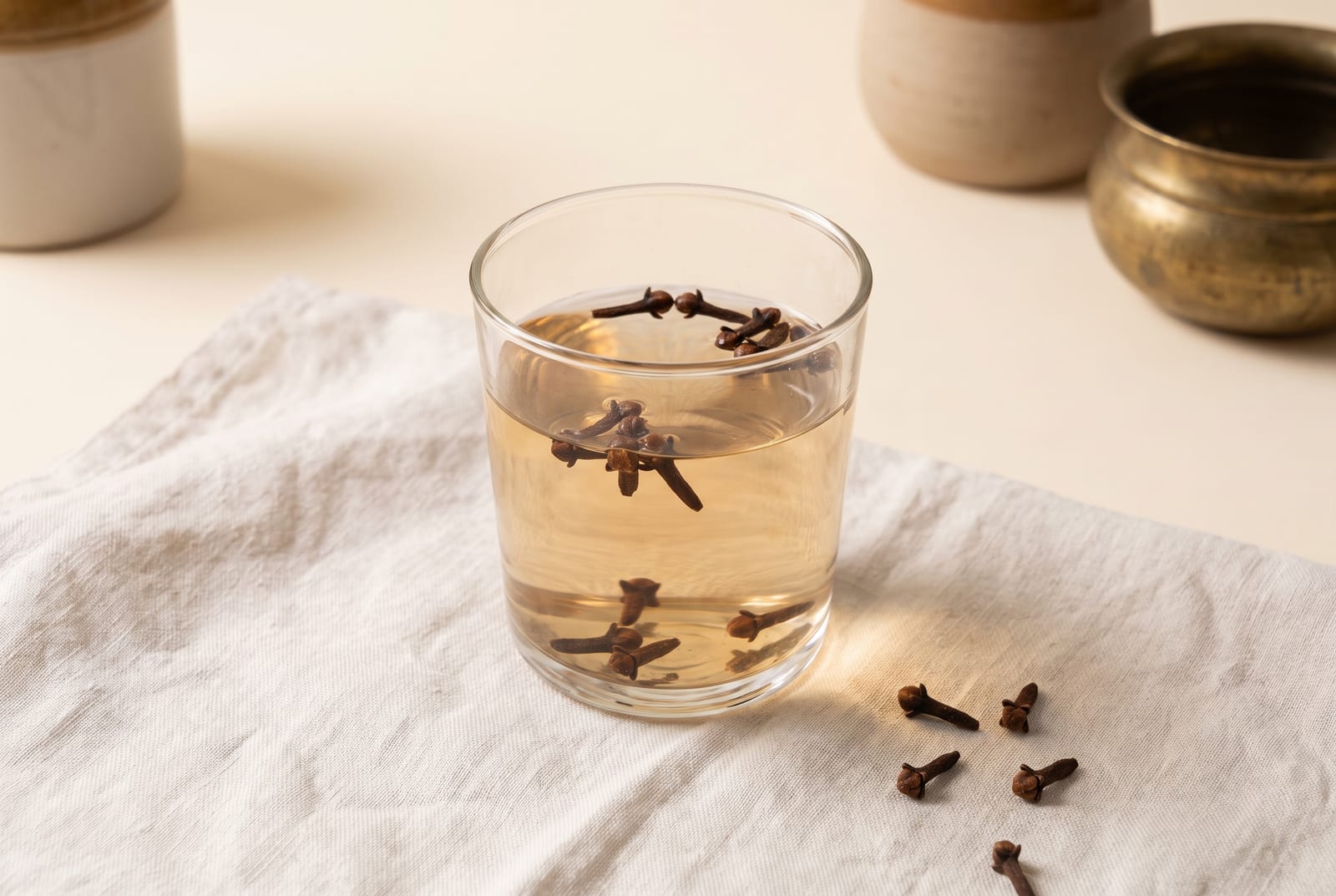
Clove Water Benefits: What the Trend Gets Right, and What It Invents
Clove water is all over social media for digestion, skin, hormones and detox. Here is what soaking cloves in water actually does, how to make it properly, who should skip it, and which viral claims have no evidence at all.
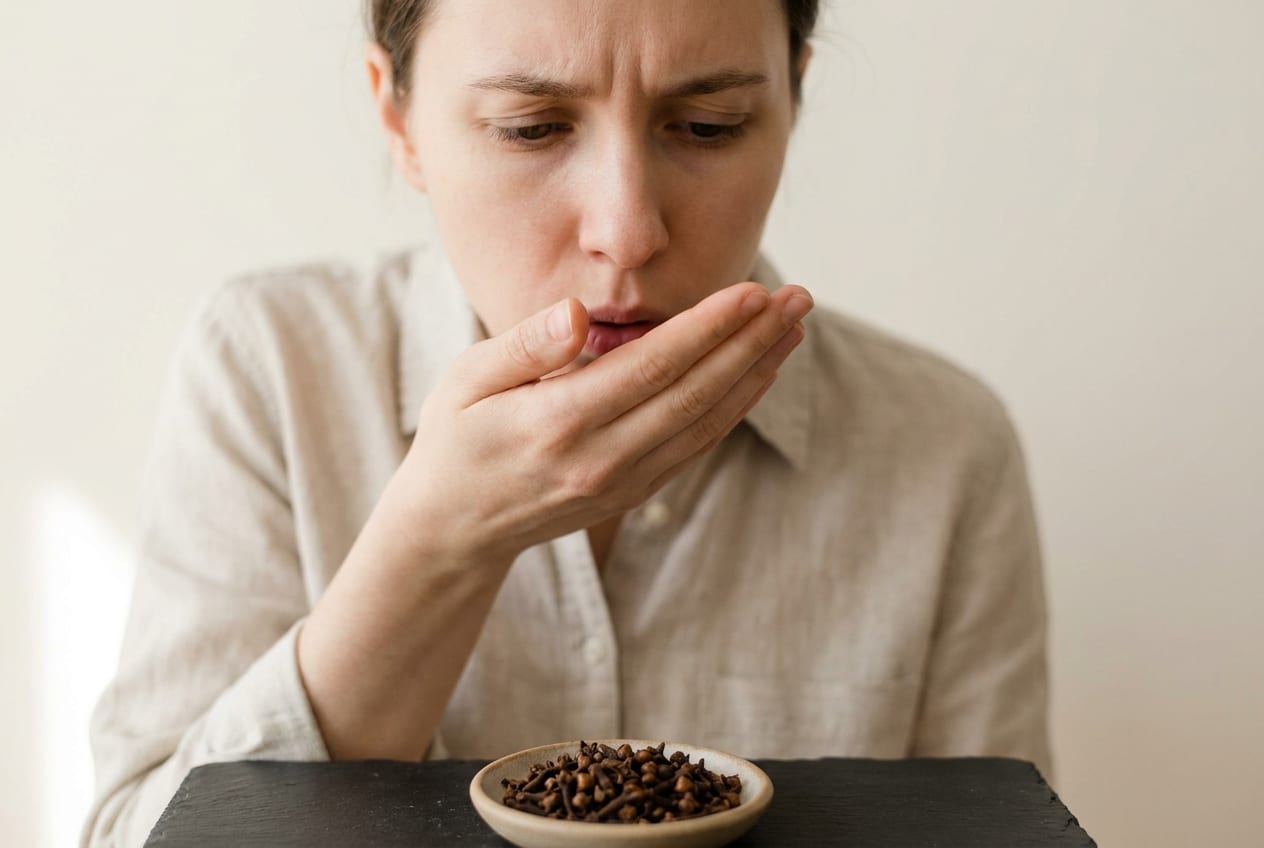
Cloves for Bad Breath: Does Chewing One Actually Work?
Chewing a clove for bad breath — whether it works, how long it lasts, how it compares with mints and mouthwash, and the far more important question of what is causing the smell in the first place.
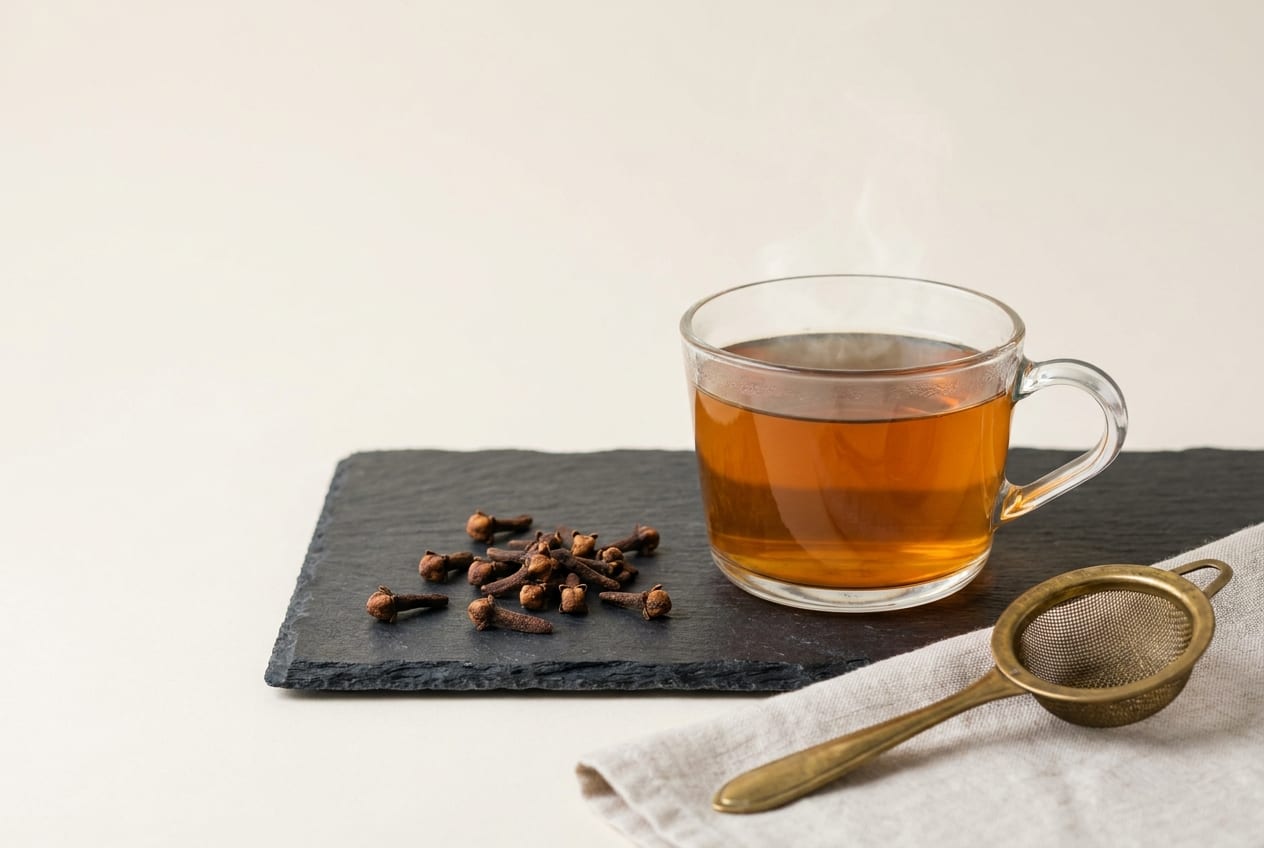
Clove Tea: What It Actually Does, and How to Brew It Properly
Clove tea benefits, graded honestly — what the evidence supports, what it doesn't, how to brew it so it tastes like a drink rather than a dare, and who should be careful with it.
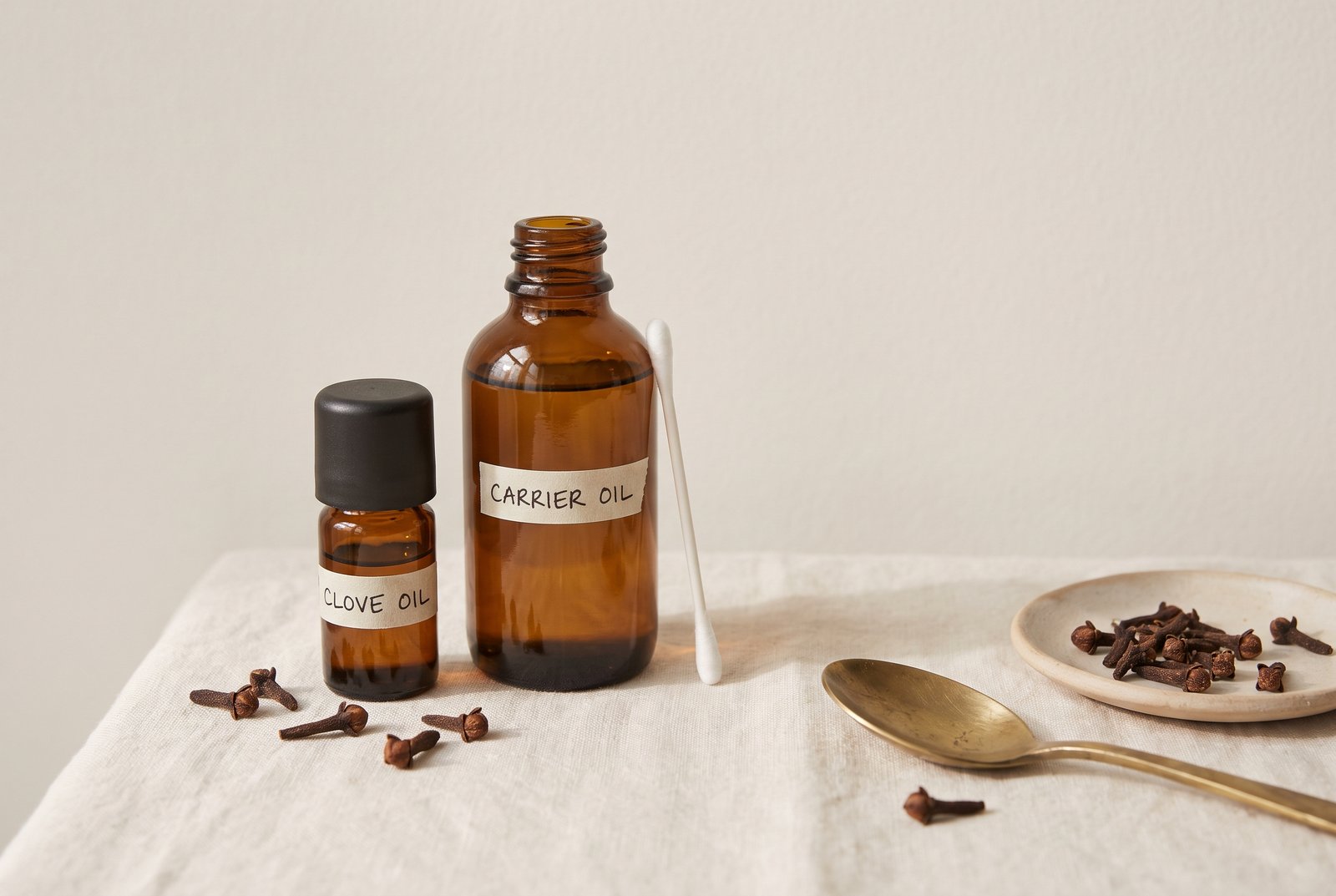
How to Use Clove Oil for a Toothache, Safely
A step-by-step guide to using clove oil for toothache relief — correct dilution, application method, what to avoid, and the safety rules that matter, especially around children.
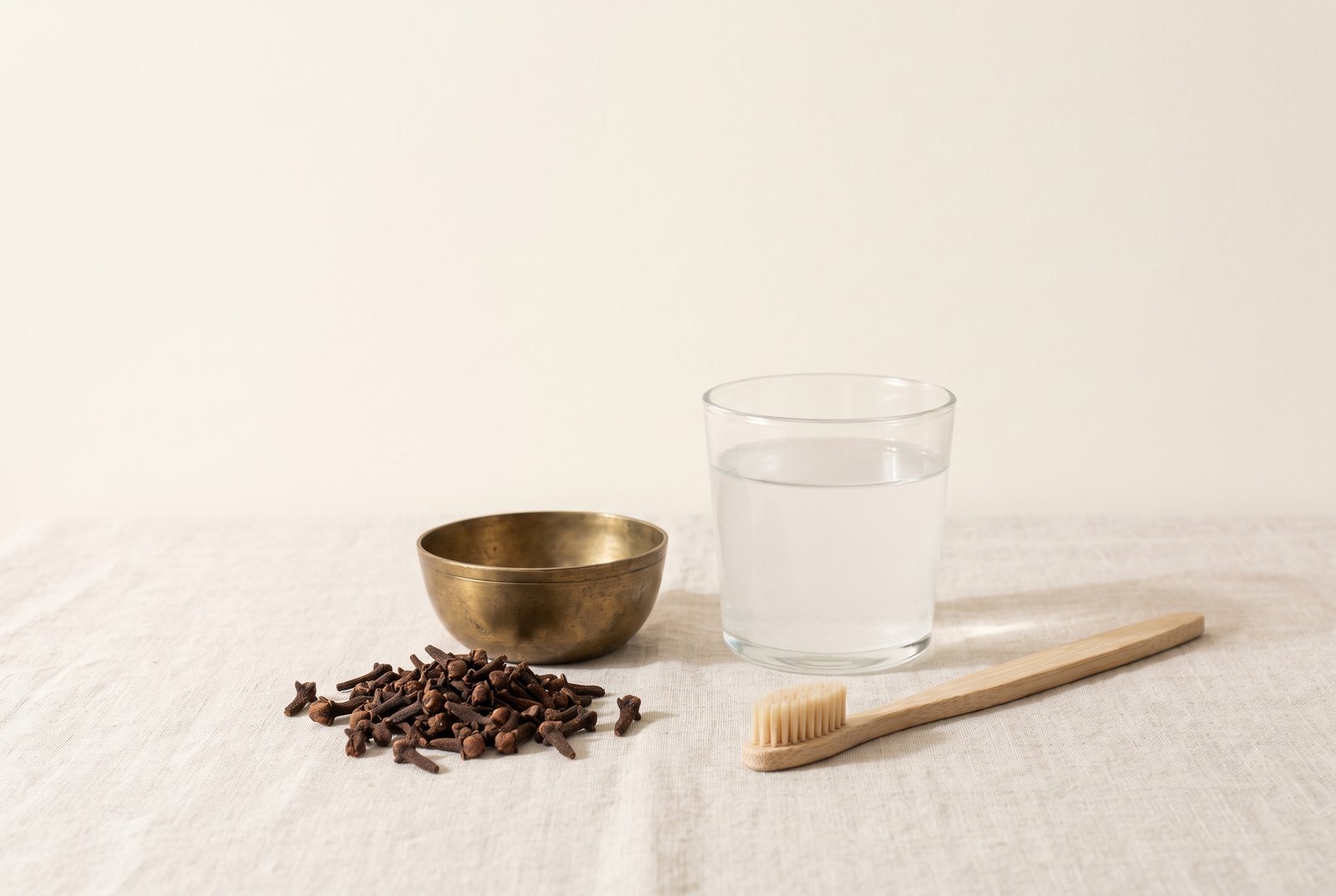
Home Remedies for a Toothache: What Actually Works (and What to Skip)
Evidence-based home remedies for a toothache — what genuinely relieves tooth pain tonight, what to skip, and the warning signs that mean you need a dentist now.
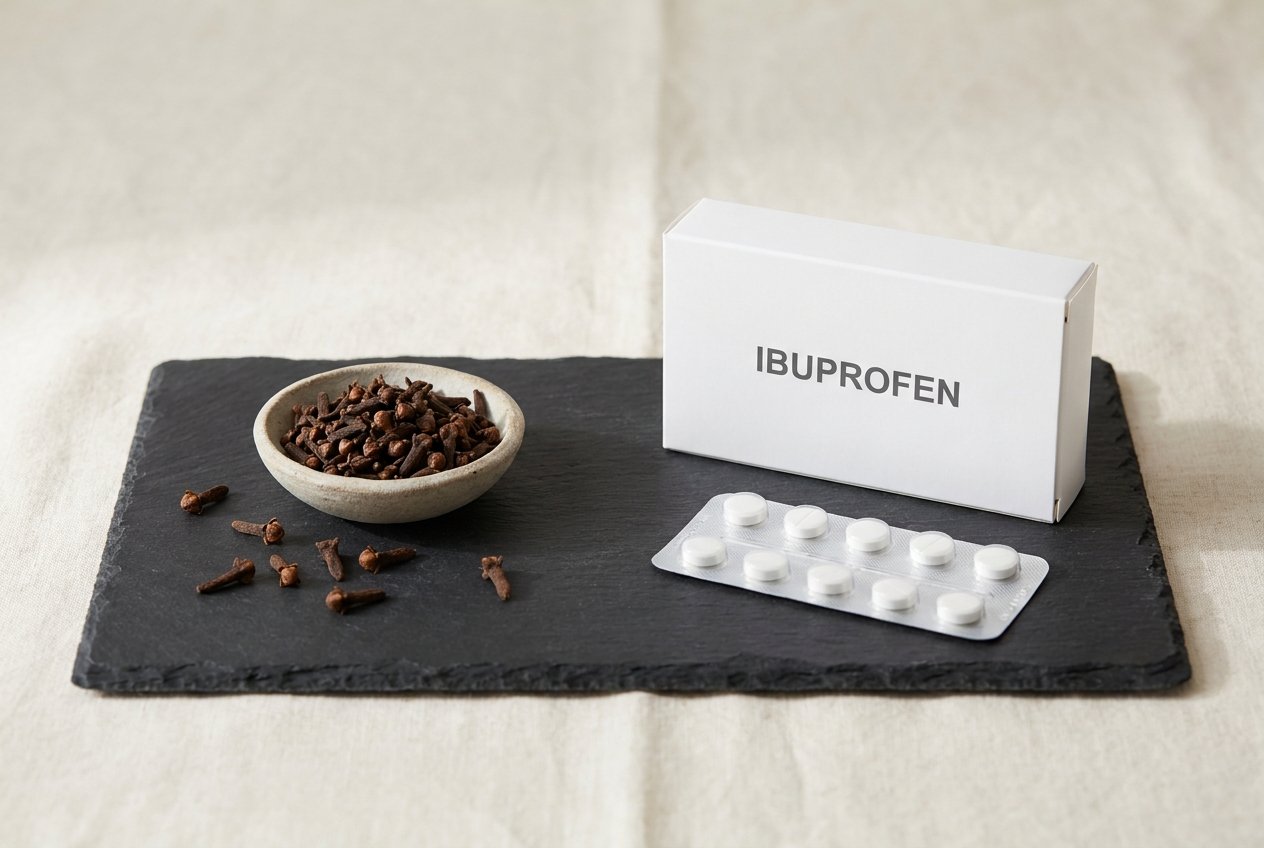
Natural vs. Over-the-Counter Toothache Relief: Which Should You Reach For?
Natural remedies or OTC painkillers for a toothache? A clear, evidence-based comparison of clove, salt water, and cold therapy against ibuprofen, acetaminophen, and benzocaine — and when to combine them.
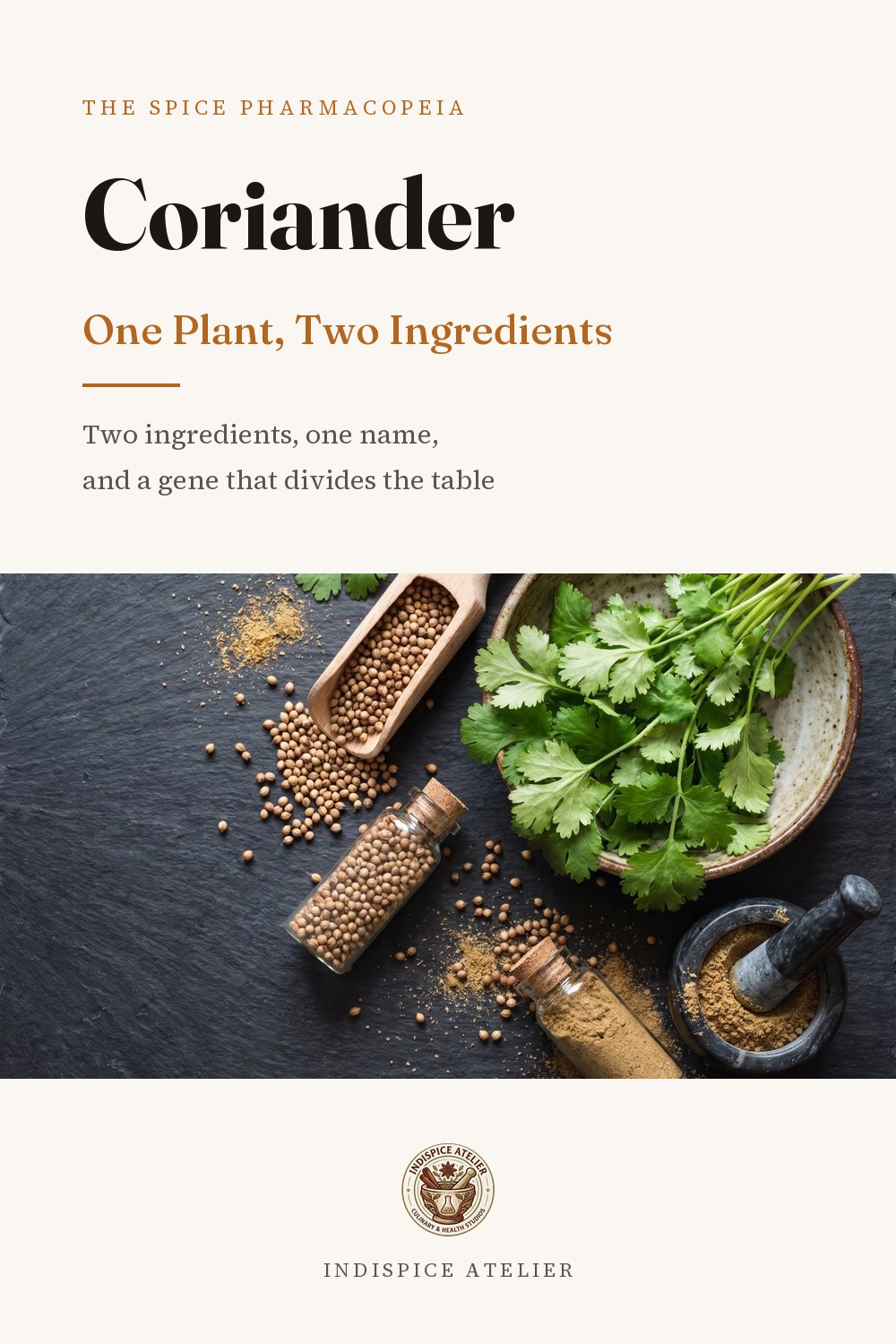
Coriander & Cilantro
Coriander is the only common ingredient where one word means two things that taste nothing alike. The green leaf Americans call cilantro and the round tan seed Americans call coriander come from the same plant and share almost no flavour compounds. These guides sort out which one your recipe means, what the soap thing actually is, what to reach for when you run out, and which of the four forms on the shelf is worth your money.

Cilantro Substitute: What to Use, and Why It Tastes Like Soap to You
Around a quarter of people taste soap when they eat cilantro, and it is inherited, not fussiness. What is actually happening, and the substitutes that work in salsa, curry, pho and guacamole — with amounts.
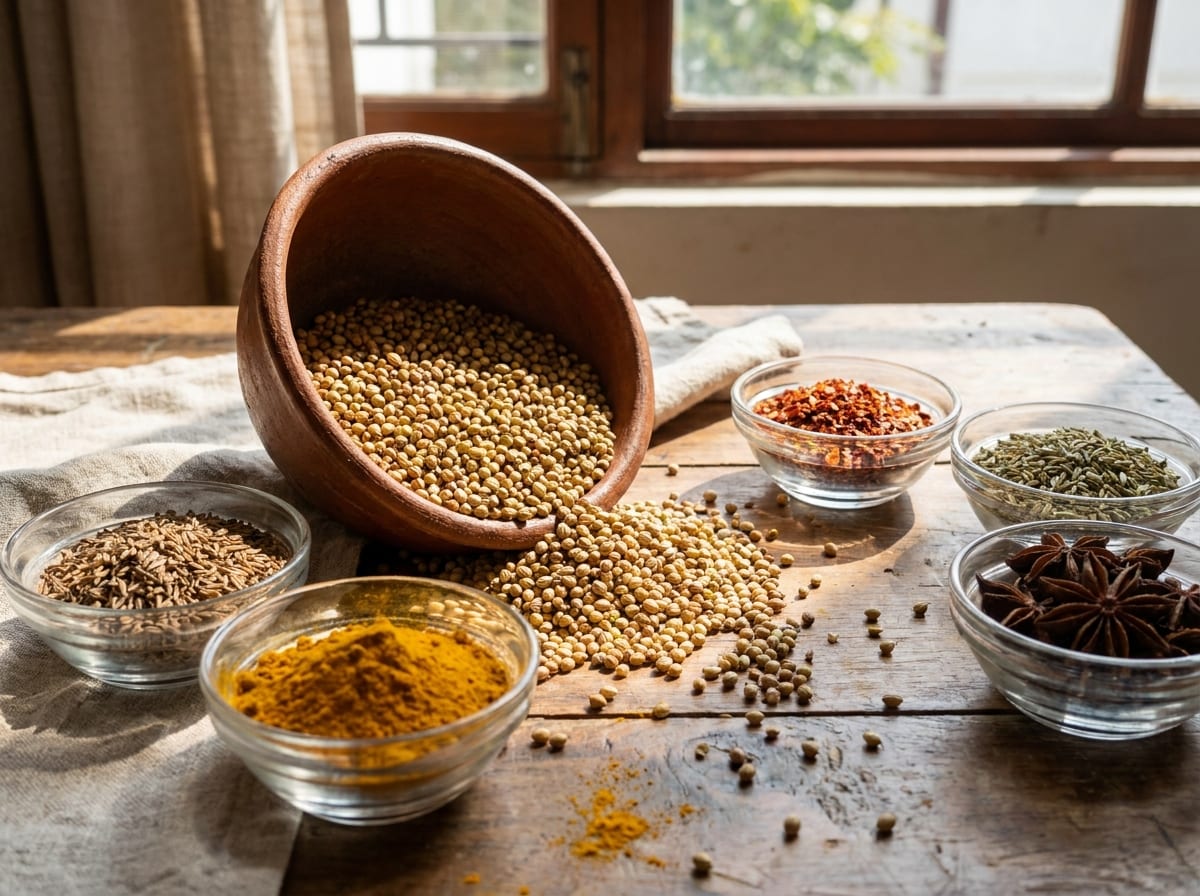
Coriander Substitute: What to Use for the Seed, and How Much
The best substitutes for coriander seed and ground coriander, with exact swap amounts — cumin, caraway, fennel, garam masala and curry powder — sorted by dish, plus the swap that ruins a curry.

Coriander vs Cilantro: One Plant, Two Names, Two Different Ingredients
Coriander and cilantro are the same plant and not the same ingredient. Which word means the leaf, which means the seed, why the answer changes between American and British recipes, and how to tell which one your recipe actually wants.
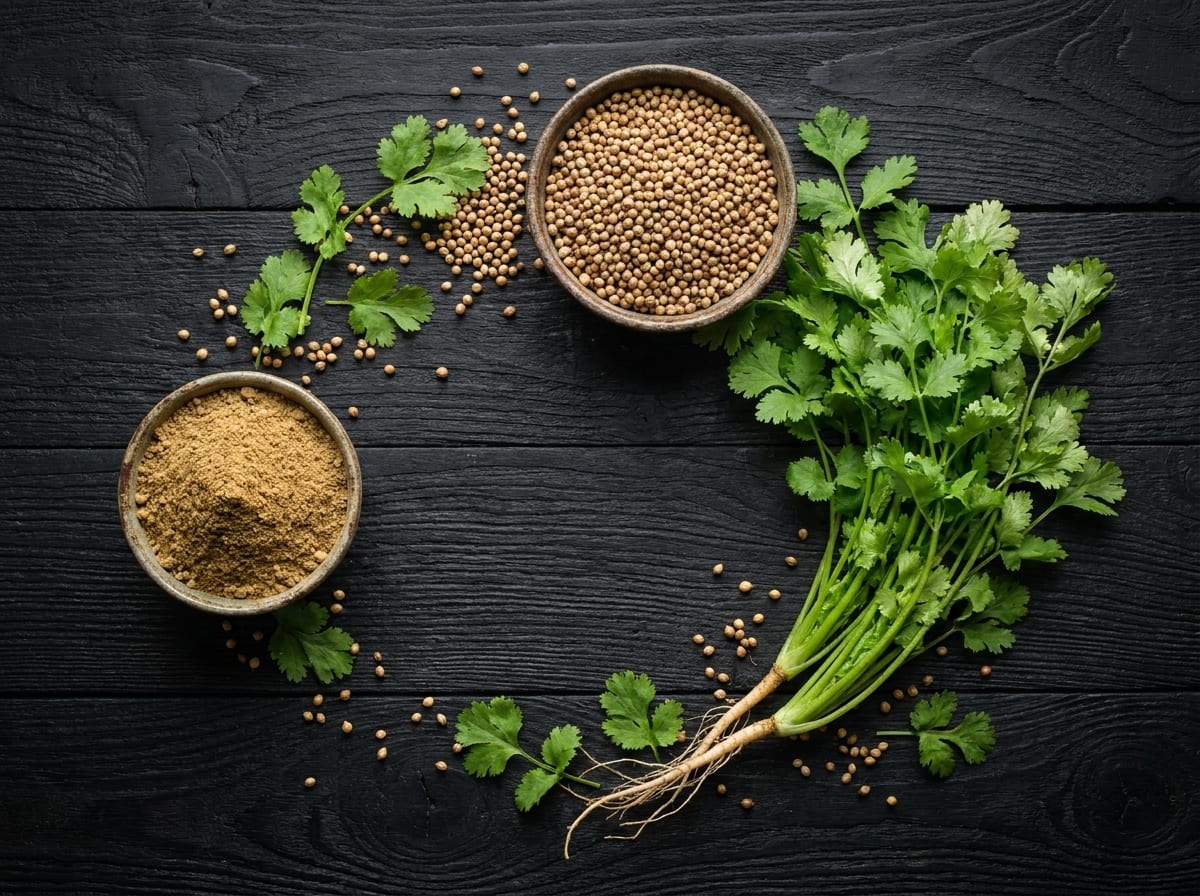
Dhania in English: Every Name This One Plant Travels Under
Dhania, dhaniya, kothimbir, kothamalli, coentro, cilantro, Chinese parsley — all one plant. Which name means the leaf, which means the seed, and how to buy the right one in any shop.
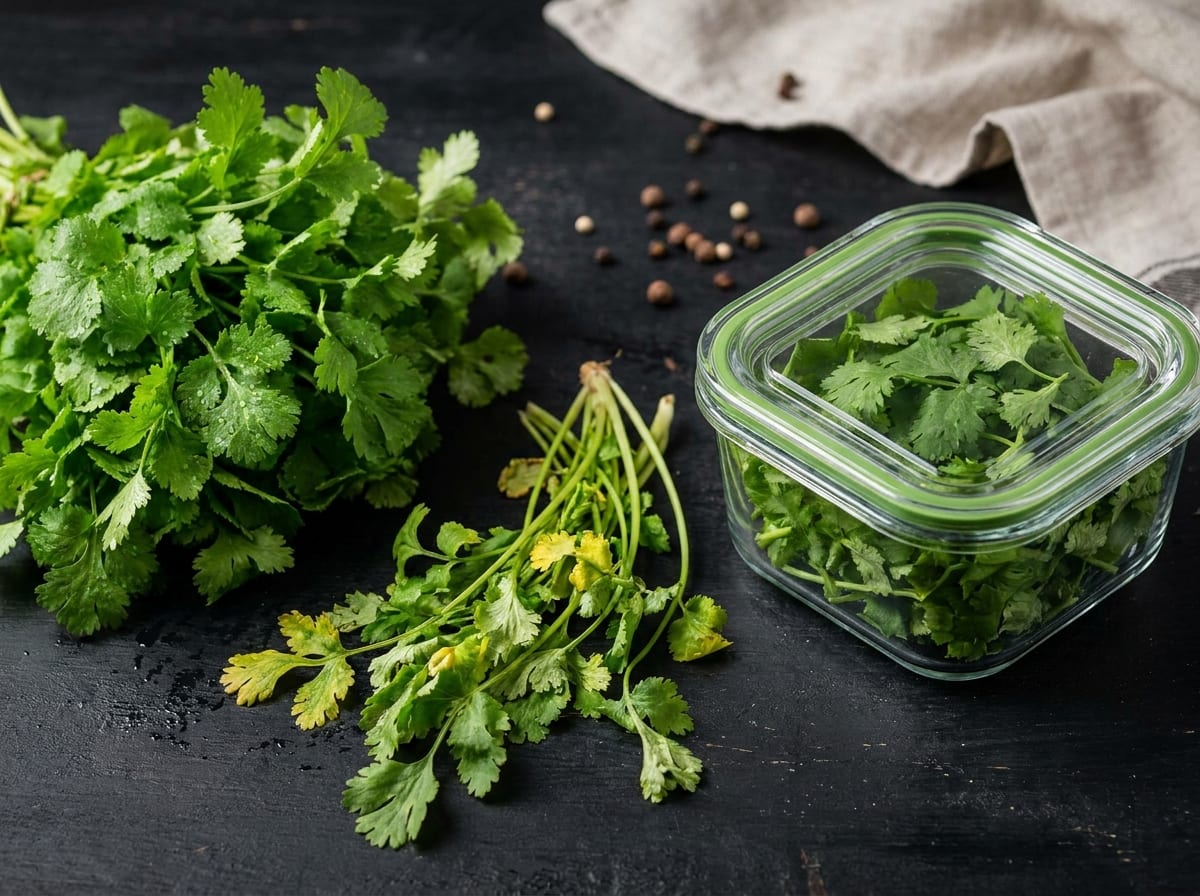
Which Coriander to Buy: Seed, Powder, Fresh or Dried
Coriander is sold as four different products and they are not interchangeable. Which one your recipe needs, what each is worth paying for, how to tell if yours has gone flat, and how to keep a fresh bunch alive for three weeks.
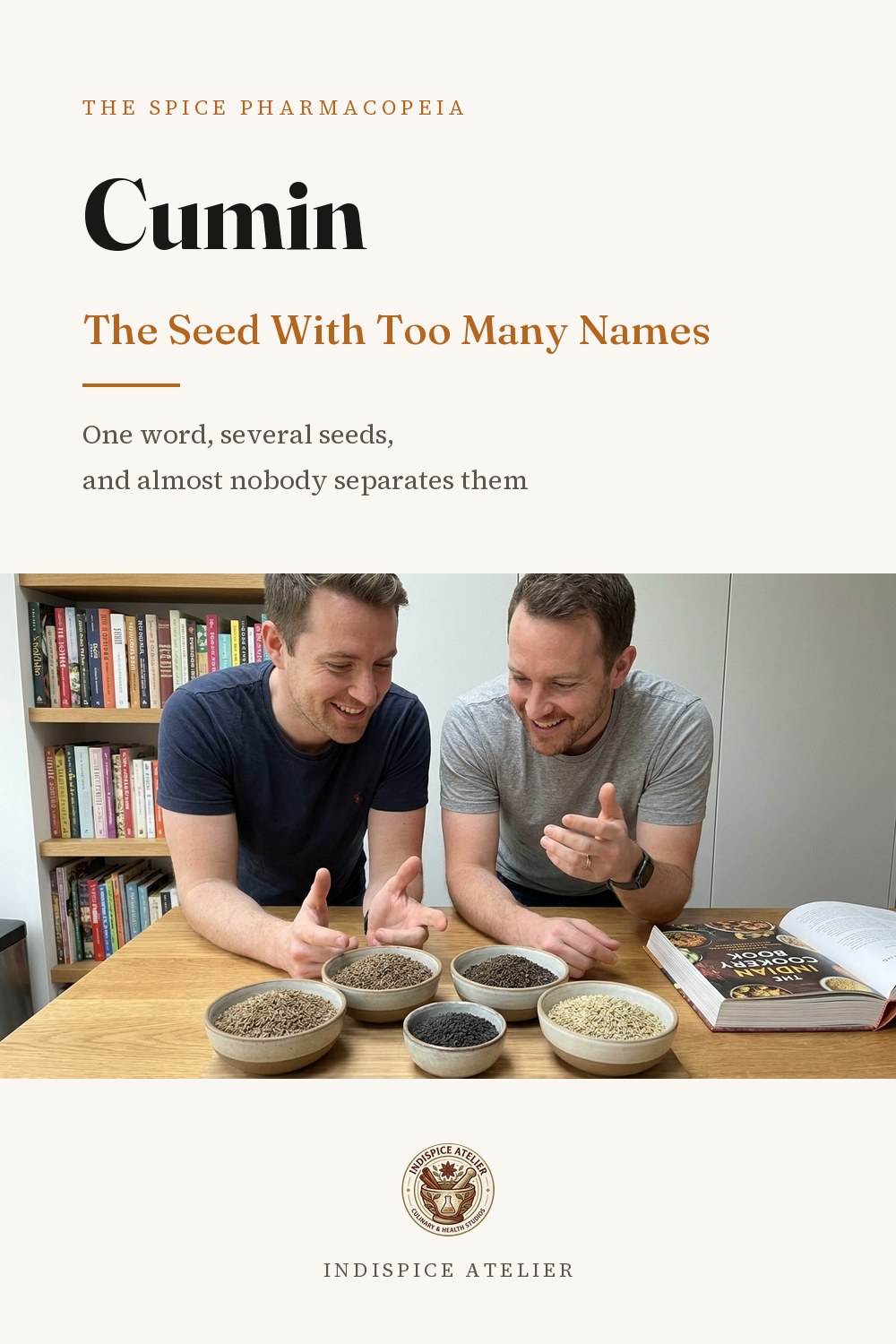
Cumin & Jeera
Cumin is the third most-used spice on earth and it travels under more names than almost any other. Jeera, zeera, jira, geera — all one seed. Shahi jeera and kala jeera are not. These guides sort out which seed you are holding, what the evidence behind jeera water really says, and what to reach for when the jar is empty.
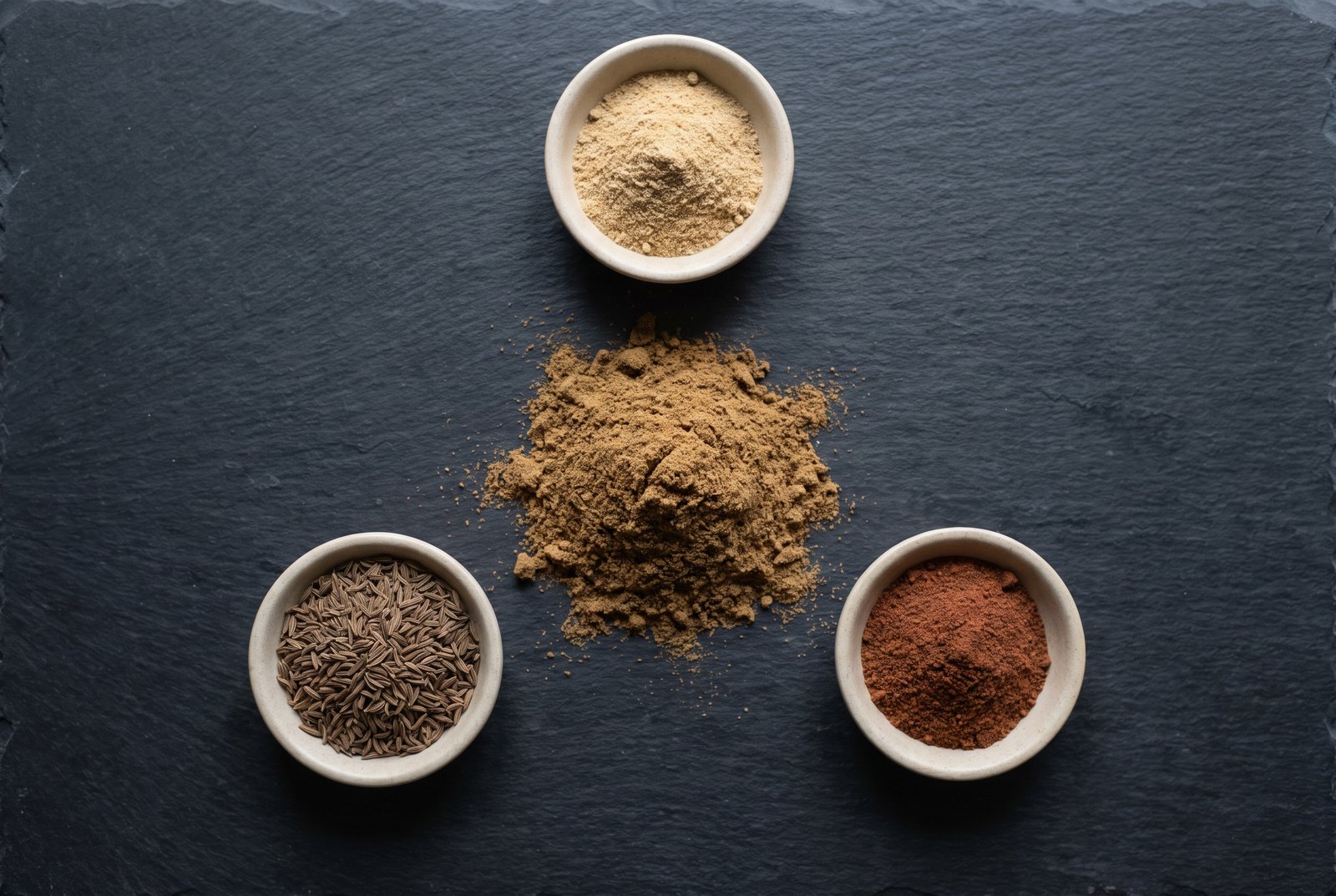
Cumin Substitute: What to Use, and How Much
The best cumin substitutes with exact swap amounts — ground coriander, caraway, chili powder, garam masala and taco seasoning — sorted by dish, plus the three swaps that quietly ruin a recipe.
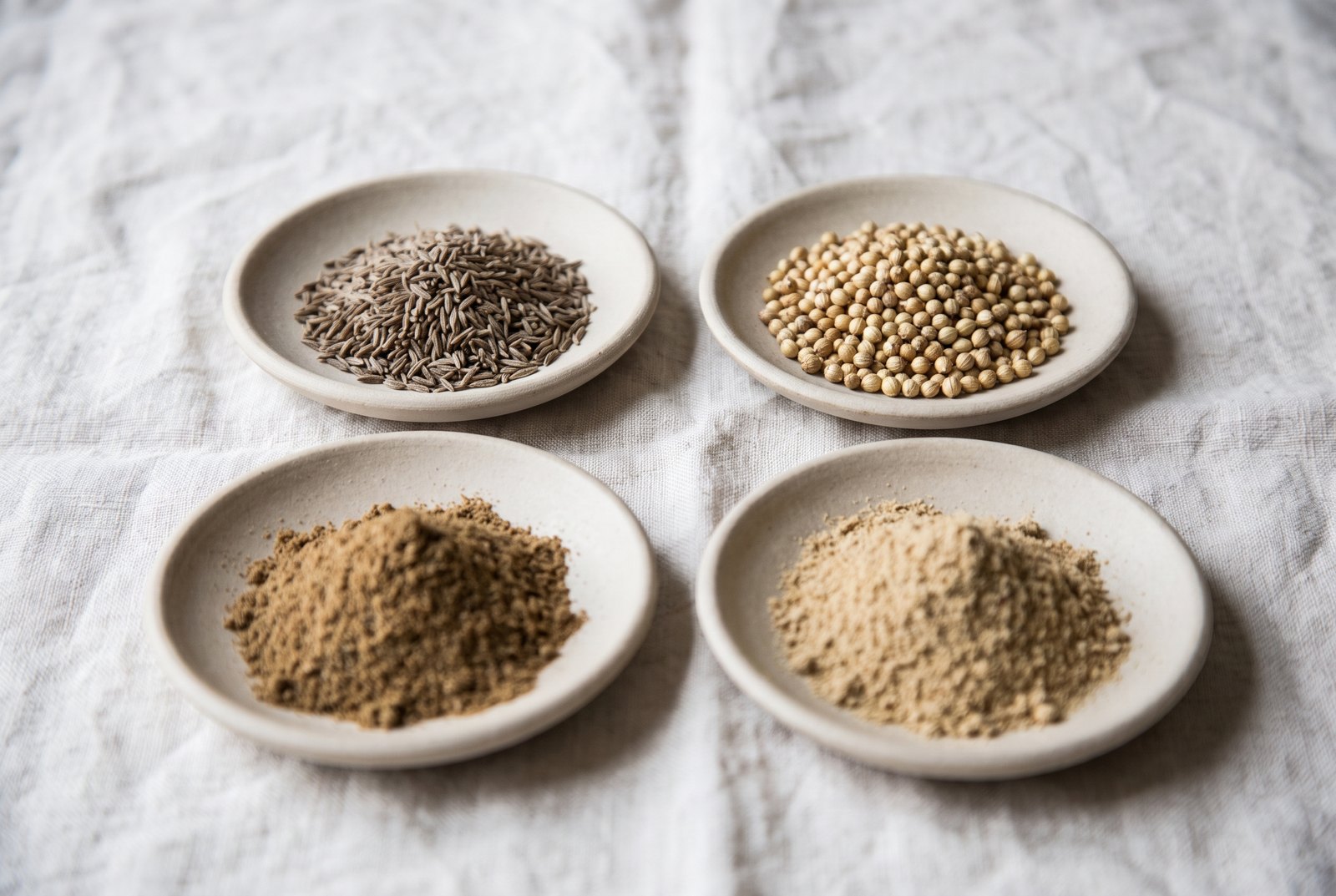
Cumin vs Coriander: Two Seeds, Two Jobs, and Why Recipes Use Both
Cumin and coriander are different plants doing different halves of one job. How they taste, how to tell them apart, why Indian cooking sells them pre-mixed as dhania-jeera, and whether you can swap one for the other.
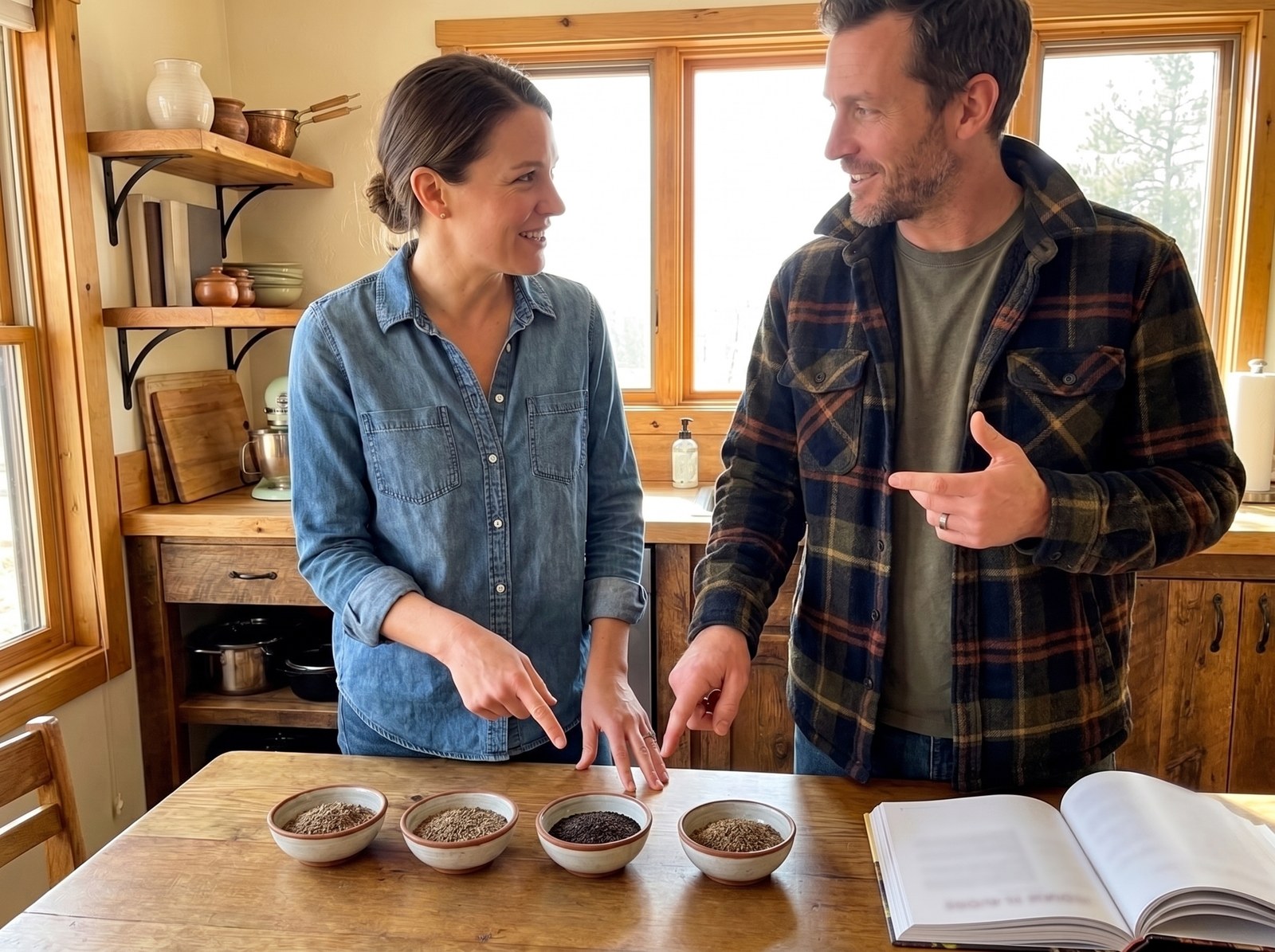
Jeera in English: Which of These Four Seeds Do You Actually Have?
Jeera, zeera, jira and geera are all cumin. Shahi jeera, kala jeera and black cumin usually are not. A plain guide to which seed is which, what each one is called in English, and how to tell them apart in the jar.
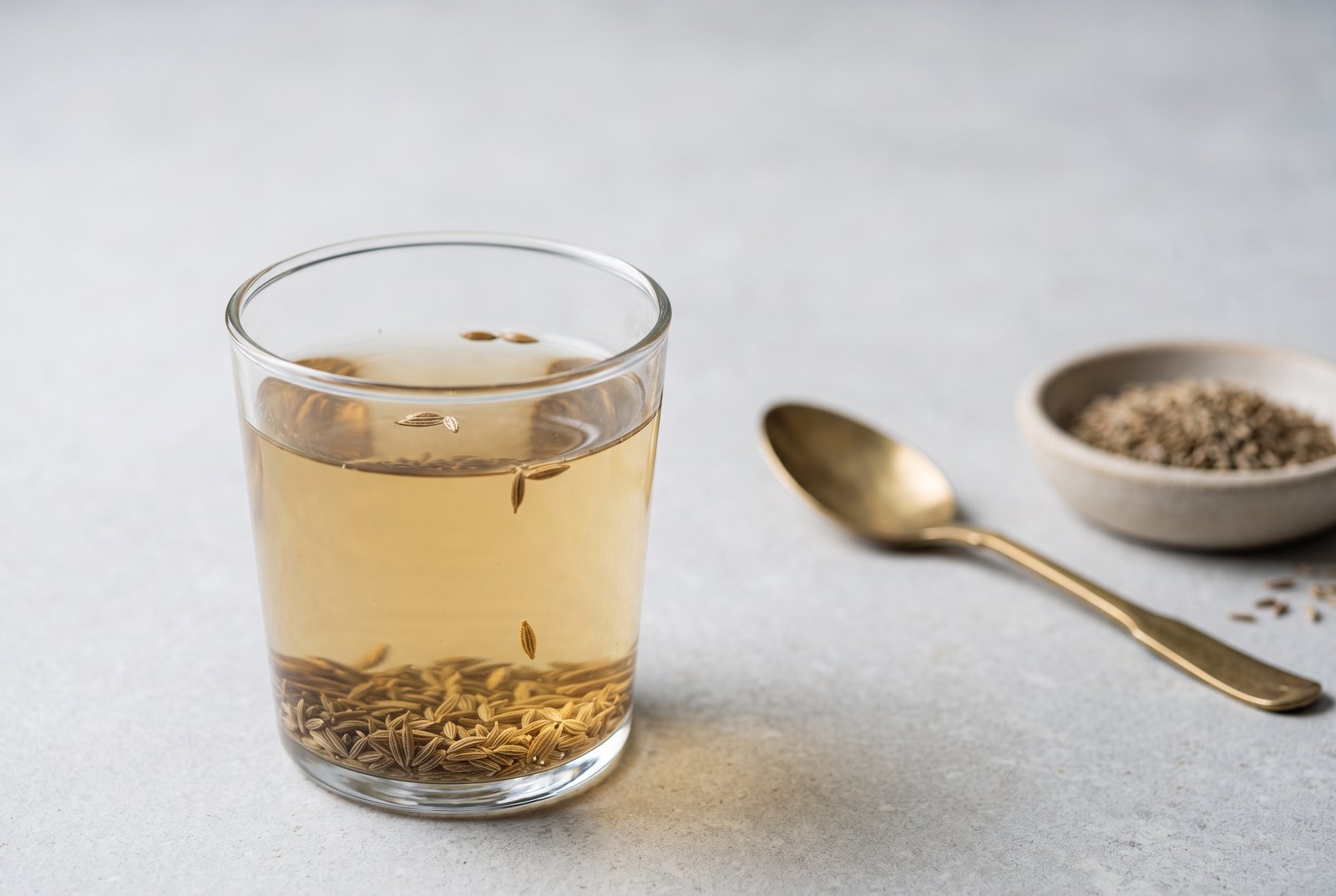
Jeera Water Benefits: What It Does, and What It Does Not
Jeera water is the most recommended home remedy in an Indian kitchen and the most oversold one online. What cumin water genuinely does for digestion, what the weight-loss studies actually say, how to make it, and who should be careful.
Garam Masala
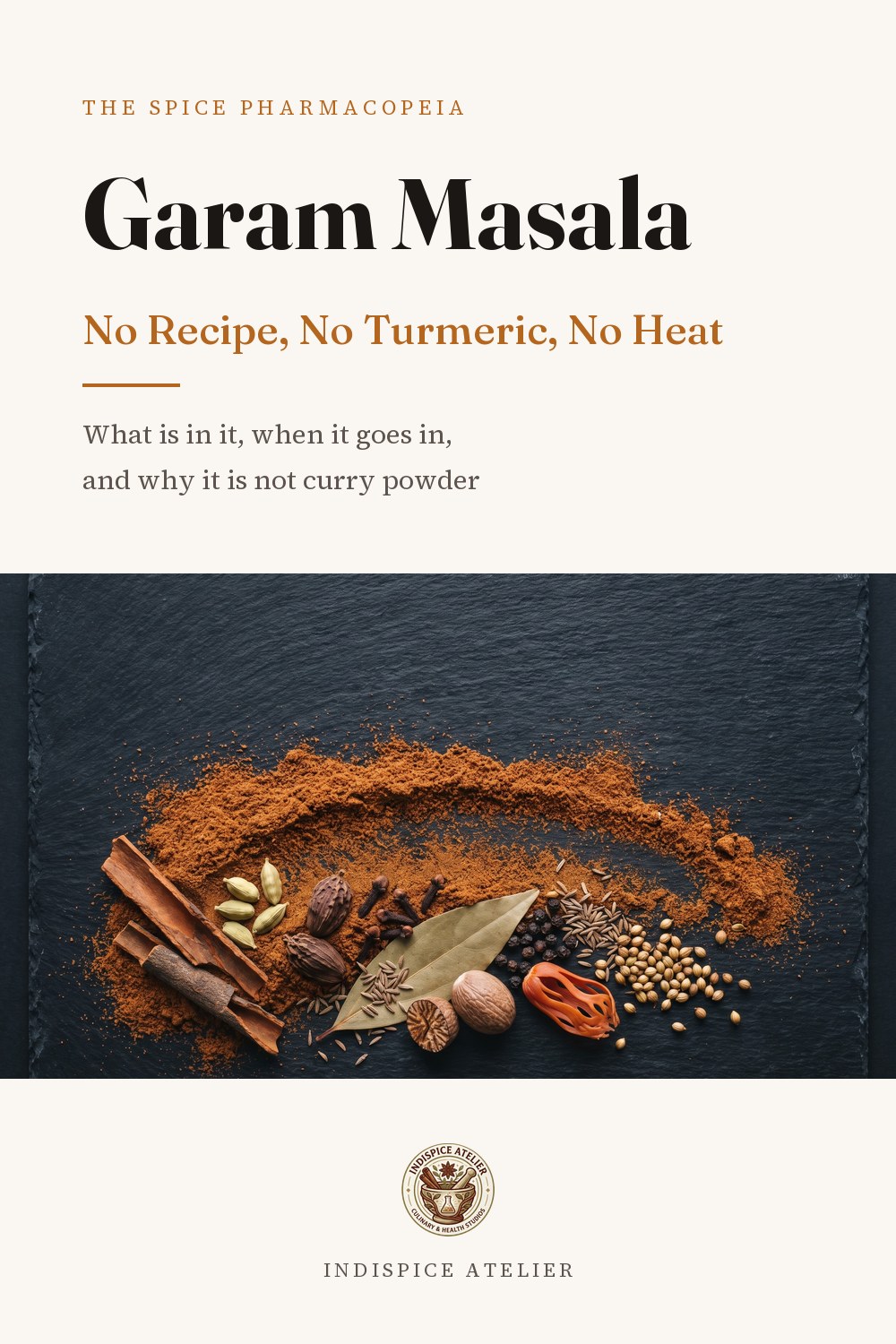
Garam Masala: No Recipe, No Turmeric, No Heat
Garam masala is the most-owned and least-understood jar in a Western kitchen — bought for one recipe, added with the onions the way the recipe said, and never thought about again. Three things built into the name and the packet send cooks the wrong way: it is not hot, there is no such thing as the recipe, and it is a finishing blend rather than a base. This book gives each of its twelve spices a job, fixes the timing that ruins more curries than anything else, and settles the curry powder question properly.
Warming, not hot — and it belongs at the end, not the start.
$14.99
In your cart — checkout
Garam Masala
Garam masala is not a spice. It is a finishing blend, and it is the one jar in a Western spice rack most likely to be used at the wrong moment. Stirred in at the start with the onions, it cooks away to almost nothing. Added in the last minute, it is the smell people mean when they say a curry tastes like a restaurant made it. These guides cover what is in it, how to build your own, what to do when the jar is empty, why it is not curry powder, and which of the supermarket blends is worth buying.
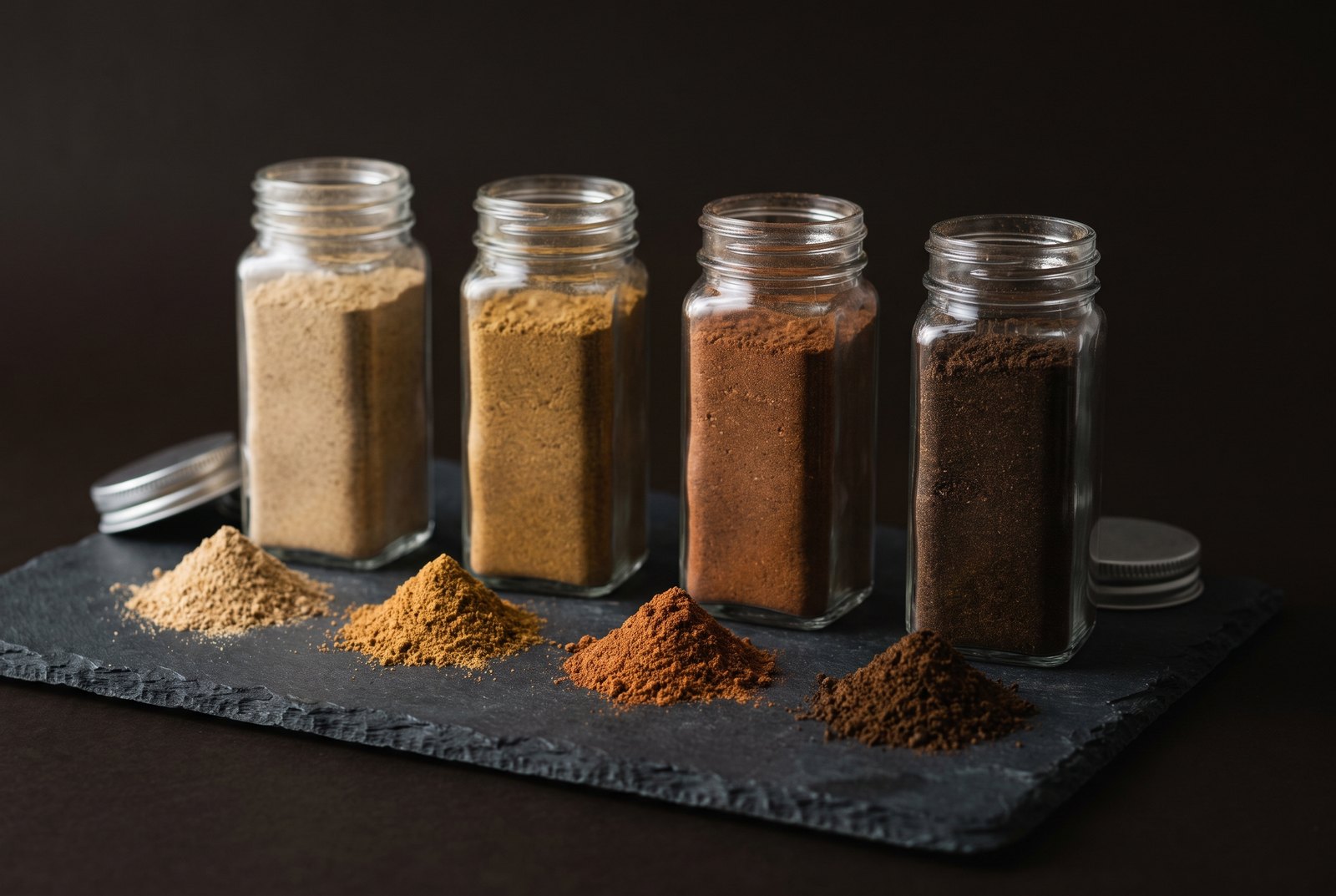
Best Garam Masala: How to Choose One, and Where to Buy It
How to pick a garam masala that is worth buying — the three things on the label that decide it, the four kinds of blend on sale in the US and who each suits, why the Indian grocer beats the supermarket, and when buying any of them is the wrong answer.
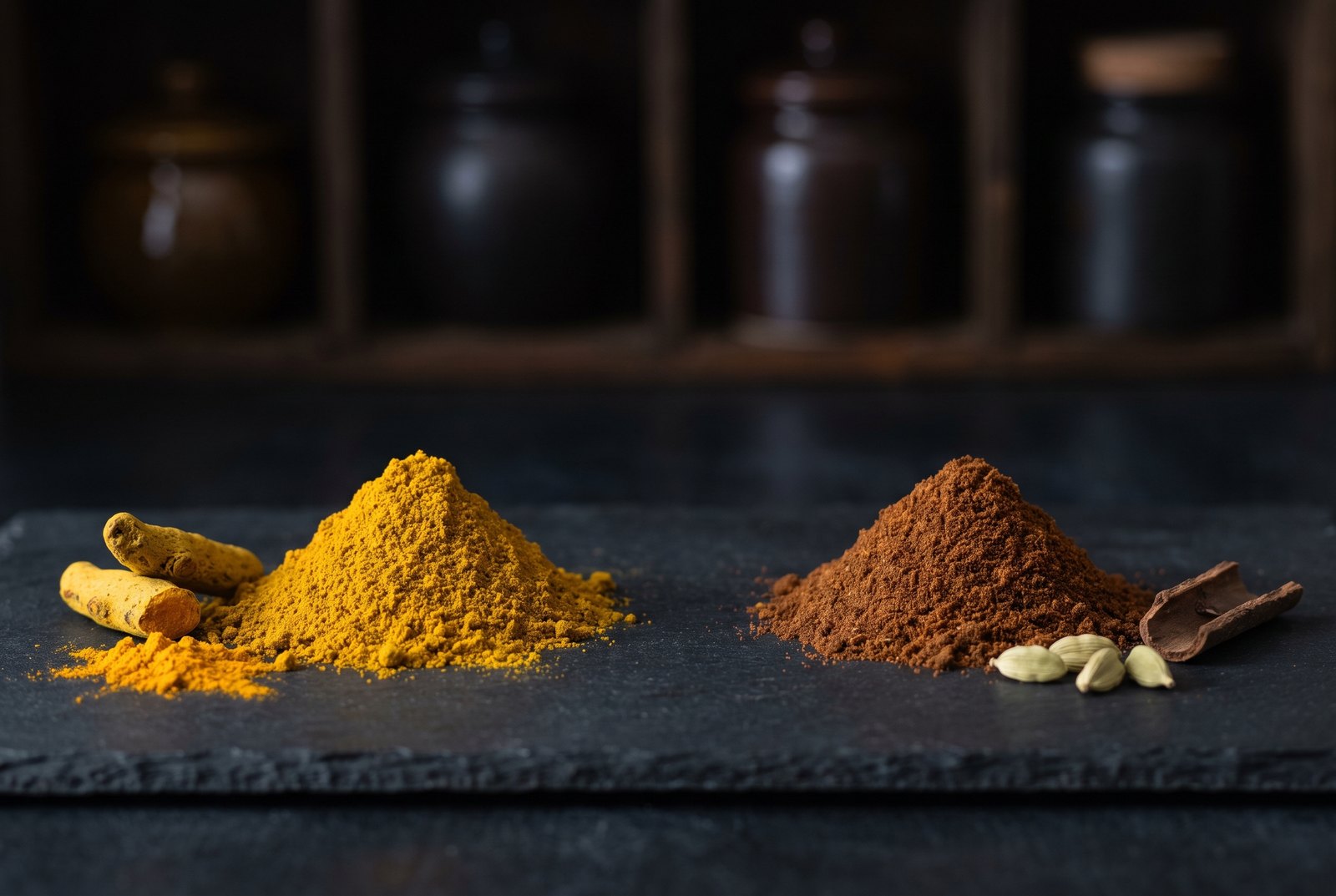
Curry Powder vs Garam Masala: What Is Curry Powder, Really?
Curry powder and garam masala are not two versions of the same thing. What curry powder actually is, why no Indian kitchen has a jar of it, when each one goes into the pot, how to substitute either — and what to use when a recipe calls for curry powder and you have none.
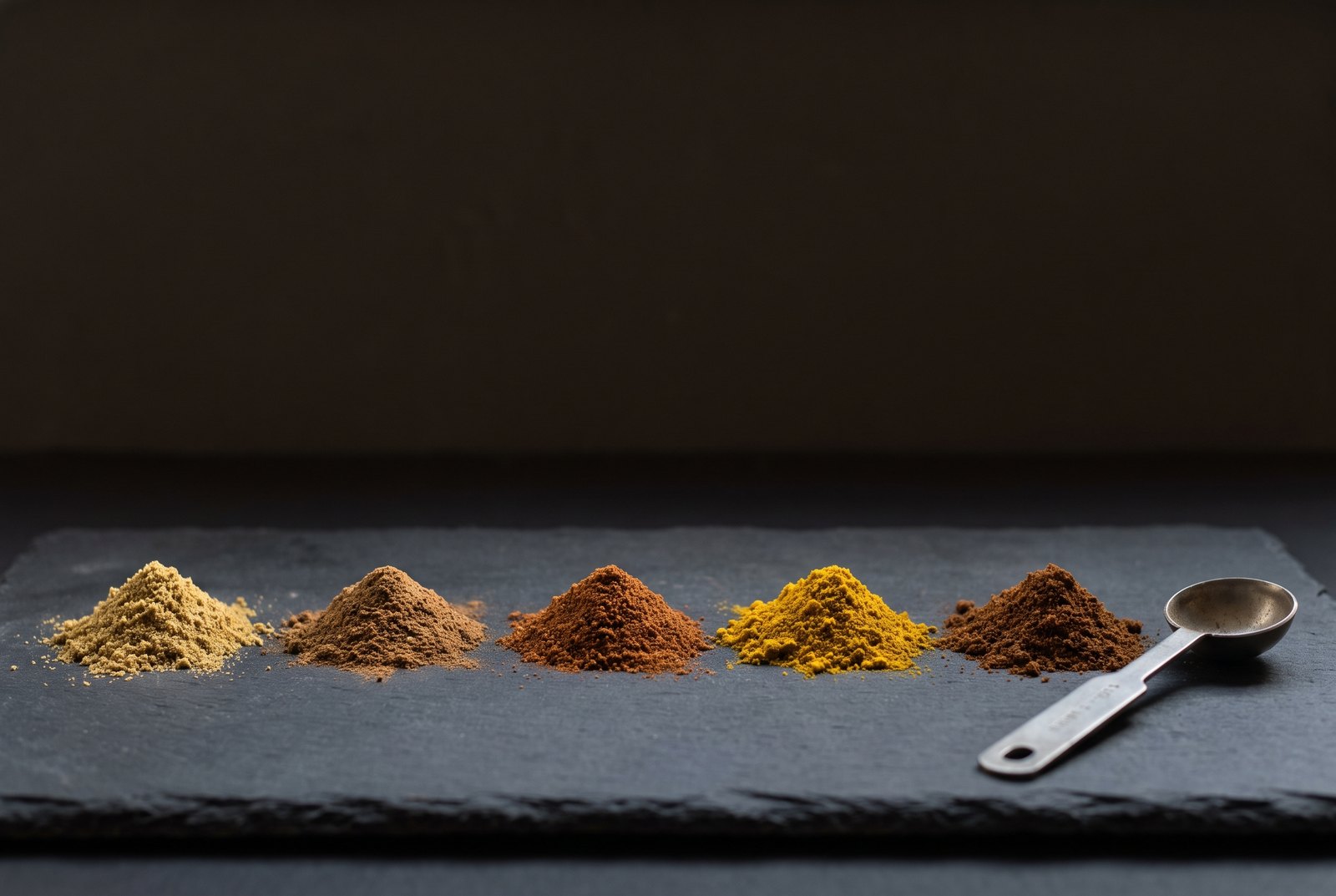
Garam Masala Substitute: What to Use, by Dish
The best garam masala substitutes with exact amounts — the two-spice cheat, a five-spice mix from a normal rack, and the three shop blends that come closest — plus why curry powder is the swap that changes your dish most.
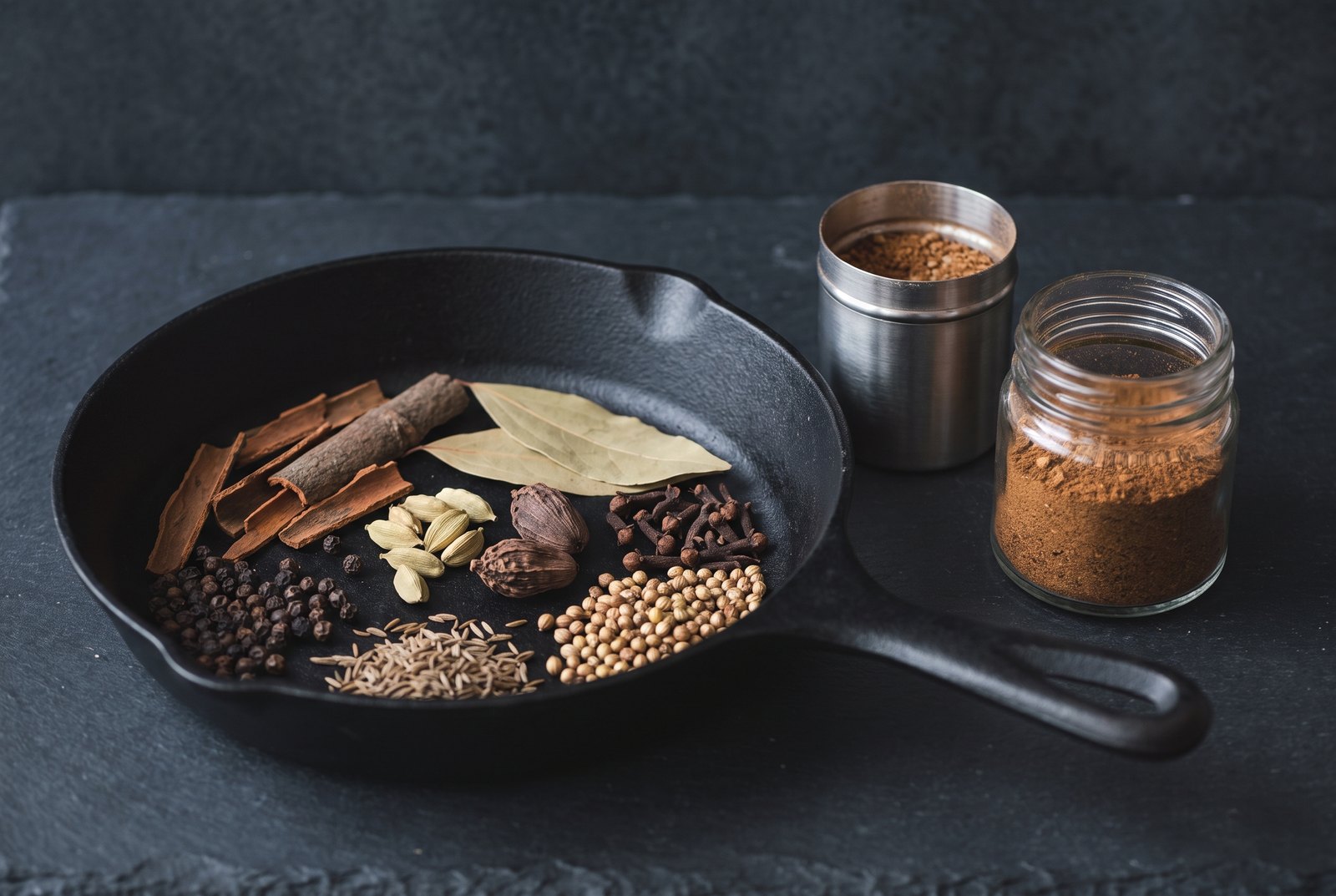
Garam Masala Recipe: How to Make It at Home
A homemade garam masala recipe with exact weights, plus the Punjabi and Kashmiri versions — which spices to roast, how long, how fine to grind, how long it keeps, and why a fresh blend beats a supermarket jar by a distance.
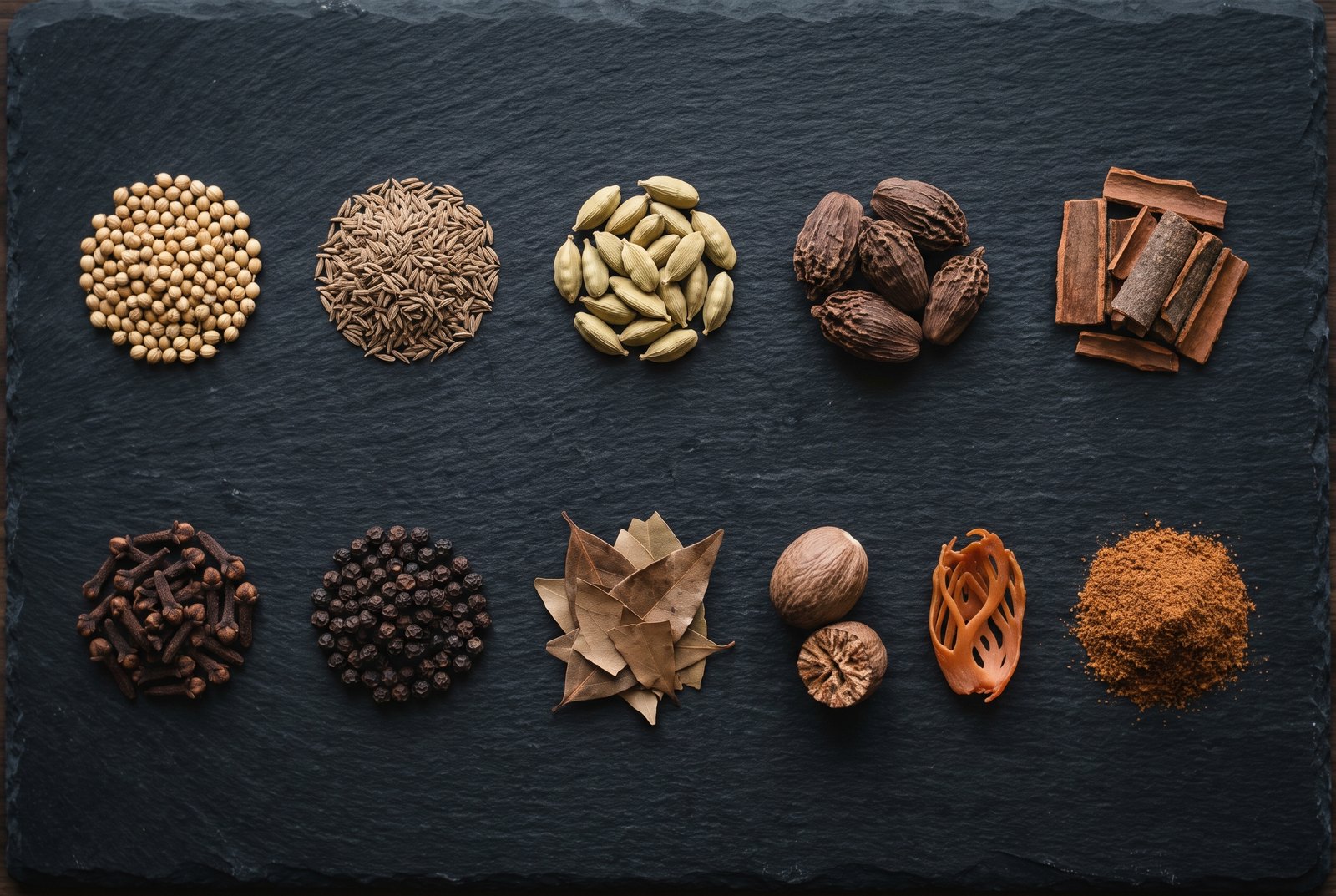
What Spices Are in Garam Masala? The Full Ingredients List
Every spice that goes into garam masala, what each one contributes, which are core and which are optional, how regional blends differ, what is never in it — and how to read a supermarket label and tell a real blend from a padded one.
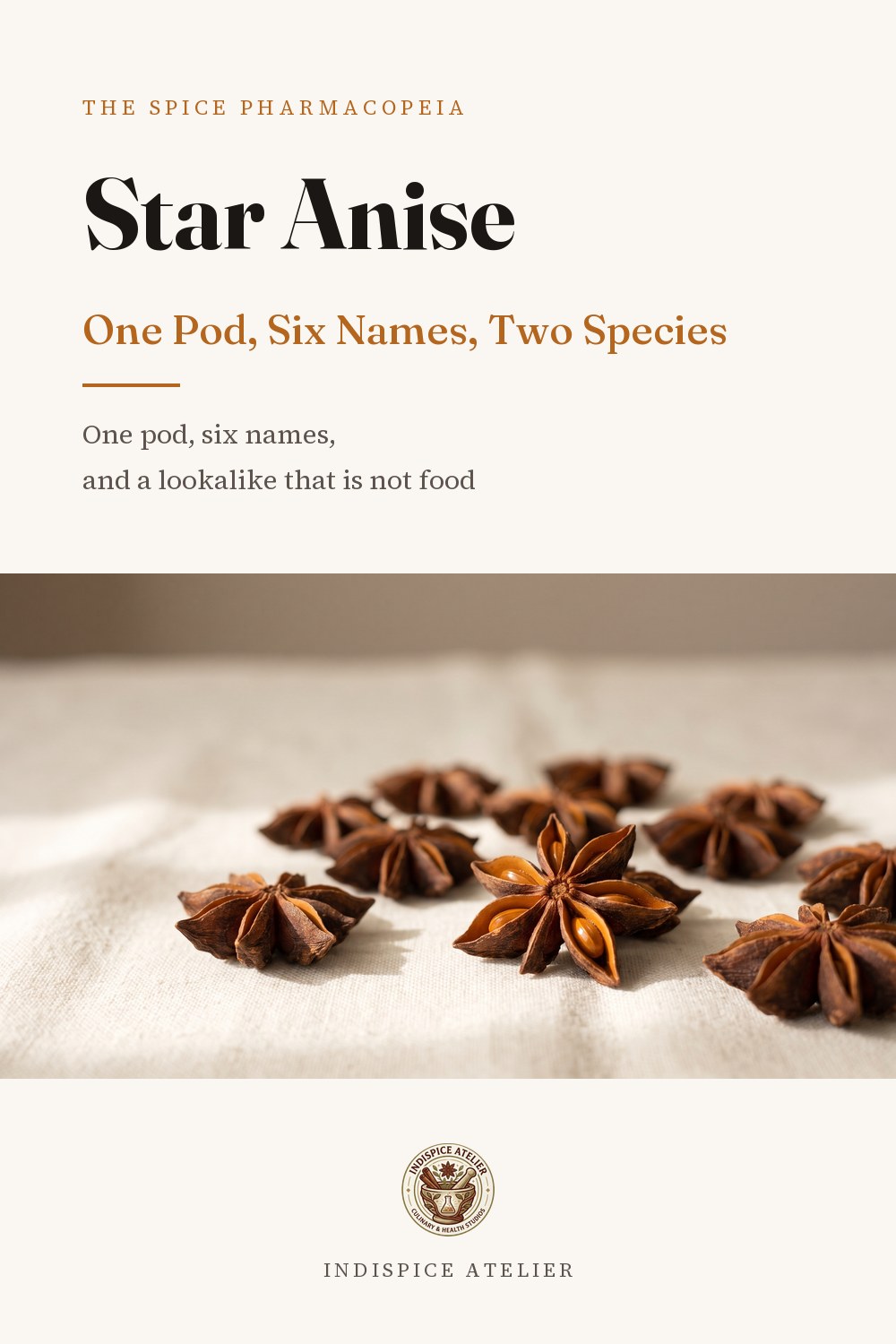
Star Anise
Star anise is the eight-pointed pod that gives pho its backbone and Chinese five-spice its name. It is also the spice most often confused with something else — with aniseed, which is a different plant entirely, with javitri, which sits beside it in the biryani jar, and with Japanese star anise, which looks nearly identical and is not food. These guides sort out what it does, what to use instead, what it is called in your kitchen, and how to tell the real thing.
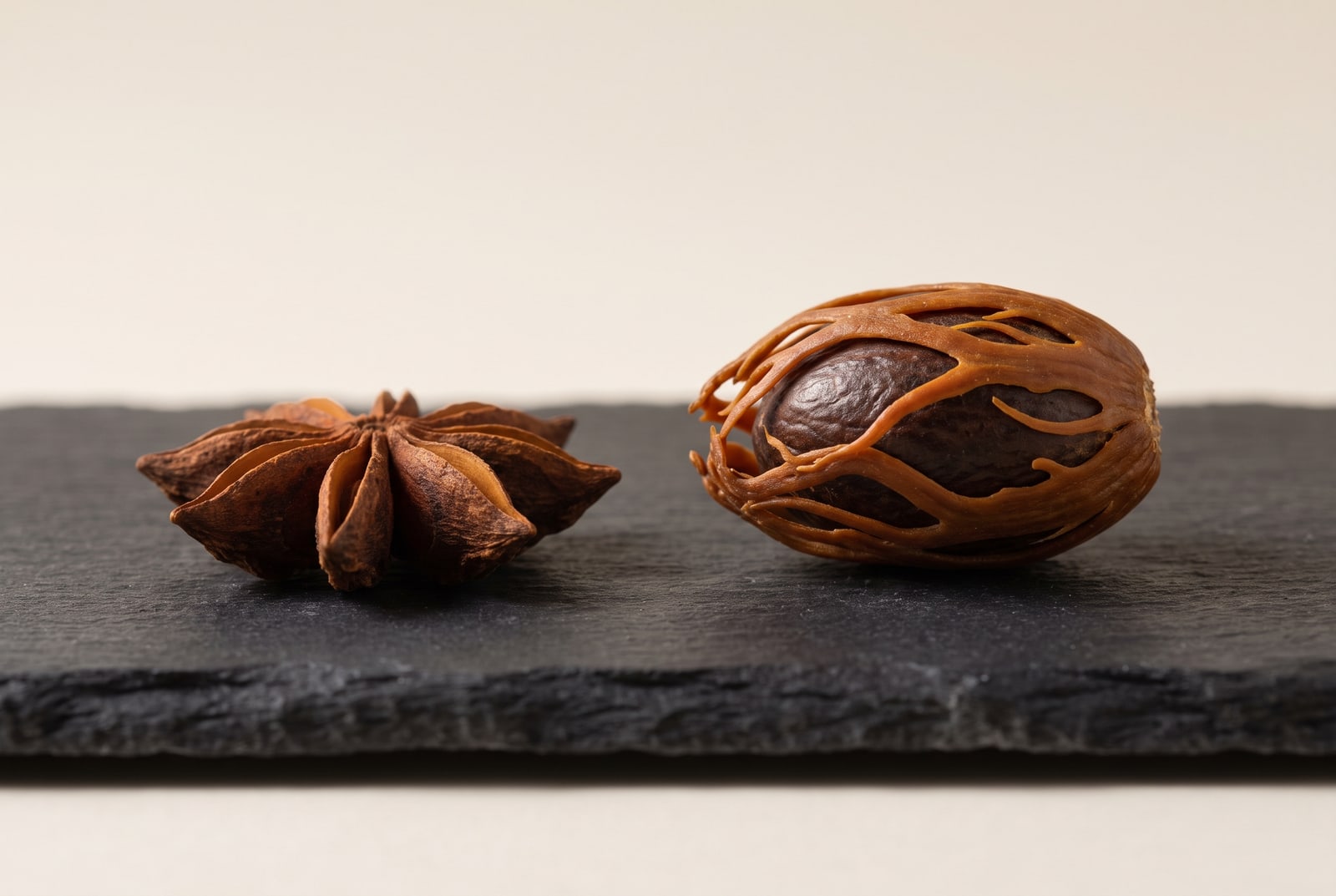
Star Anise in Hindi: Chakra Phool, Badiyan, and the Spice It Gets Confused With
Star anise in Hindi is chakra phool. Also badiyan, anasphal and biryani flower — every Indian name for it, what it does in a biryani, and why it is not javitri.
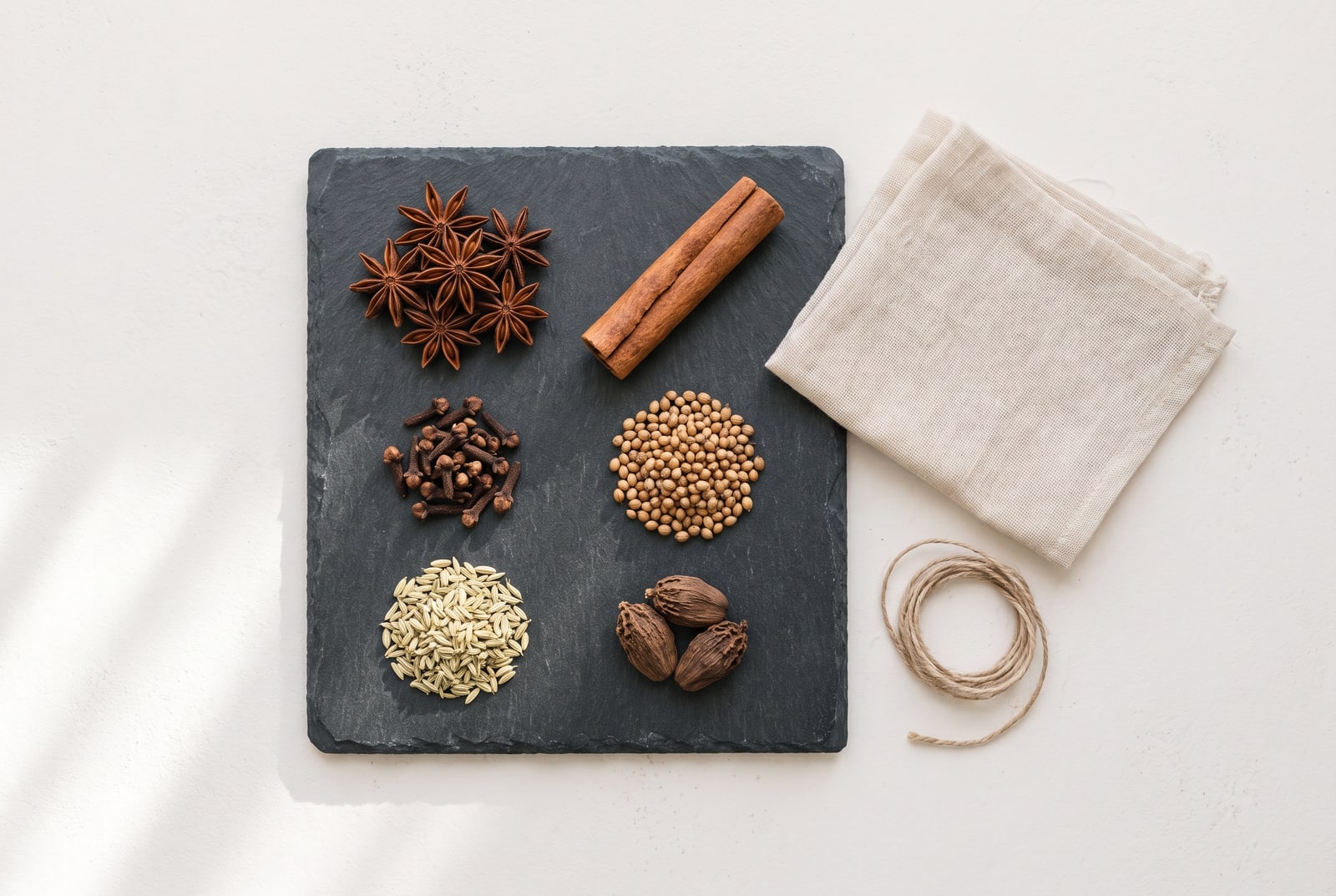
Star Anise in Pho: What It Does, and the Five Spices Beside It
What star anise actually contributes to a pho broth, how much to use, why it must be toasted first, and what each of the other five spices in the bundle is doing — a spice guide, not a broth recipe.
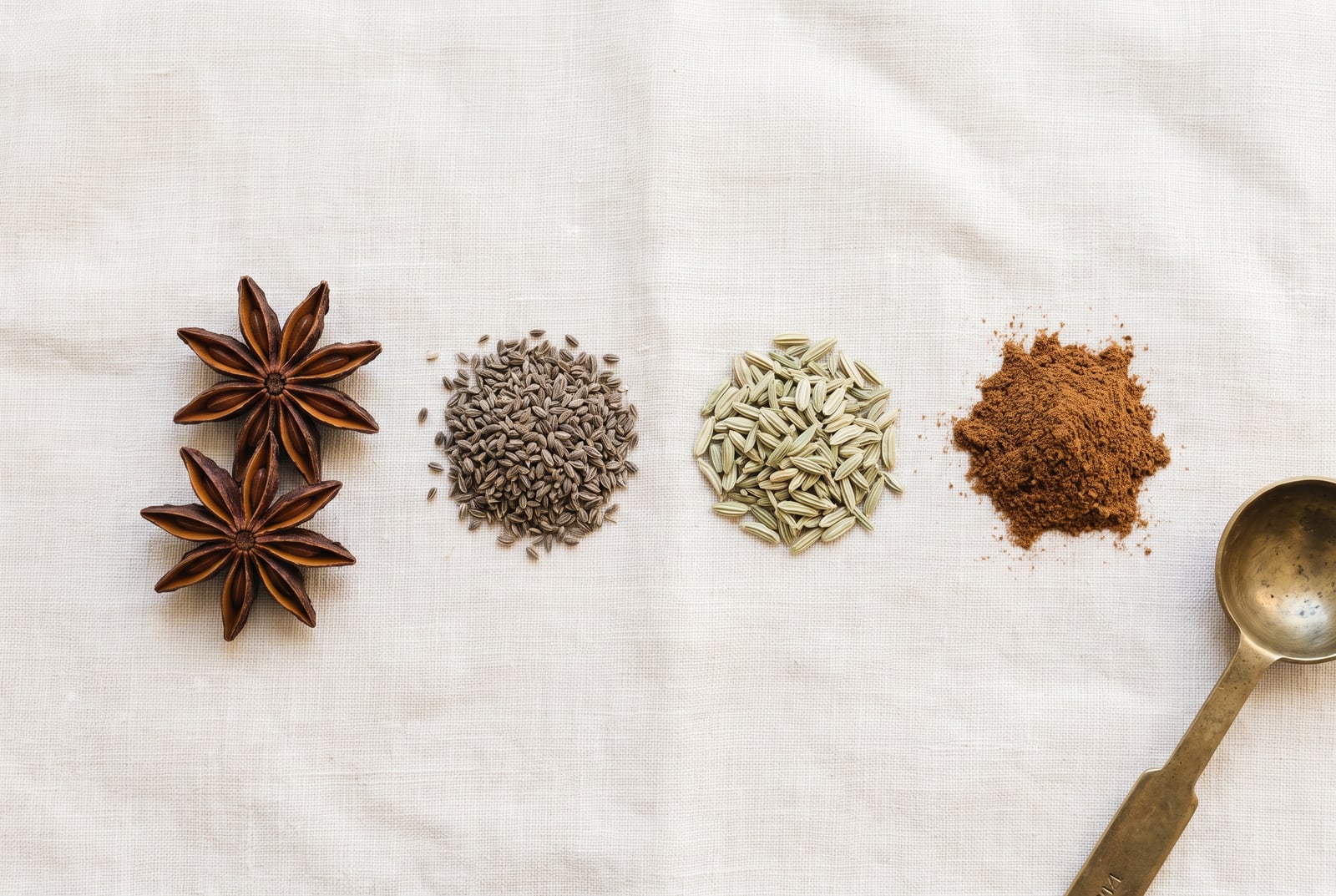
Star Anise Substitute: What to Use, by Dish
The best star anise substitutes with exact swap amounts — five-spice, aniseed, fennel, cloves and cinnamon — sorted by what you are cooking, plus the two dishes where leaving it out beats substituting.
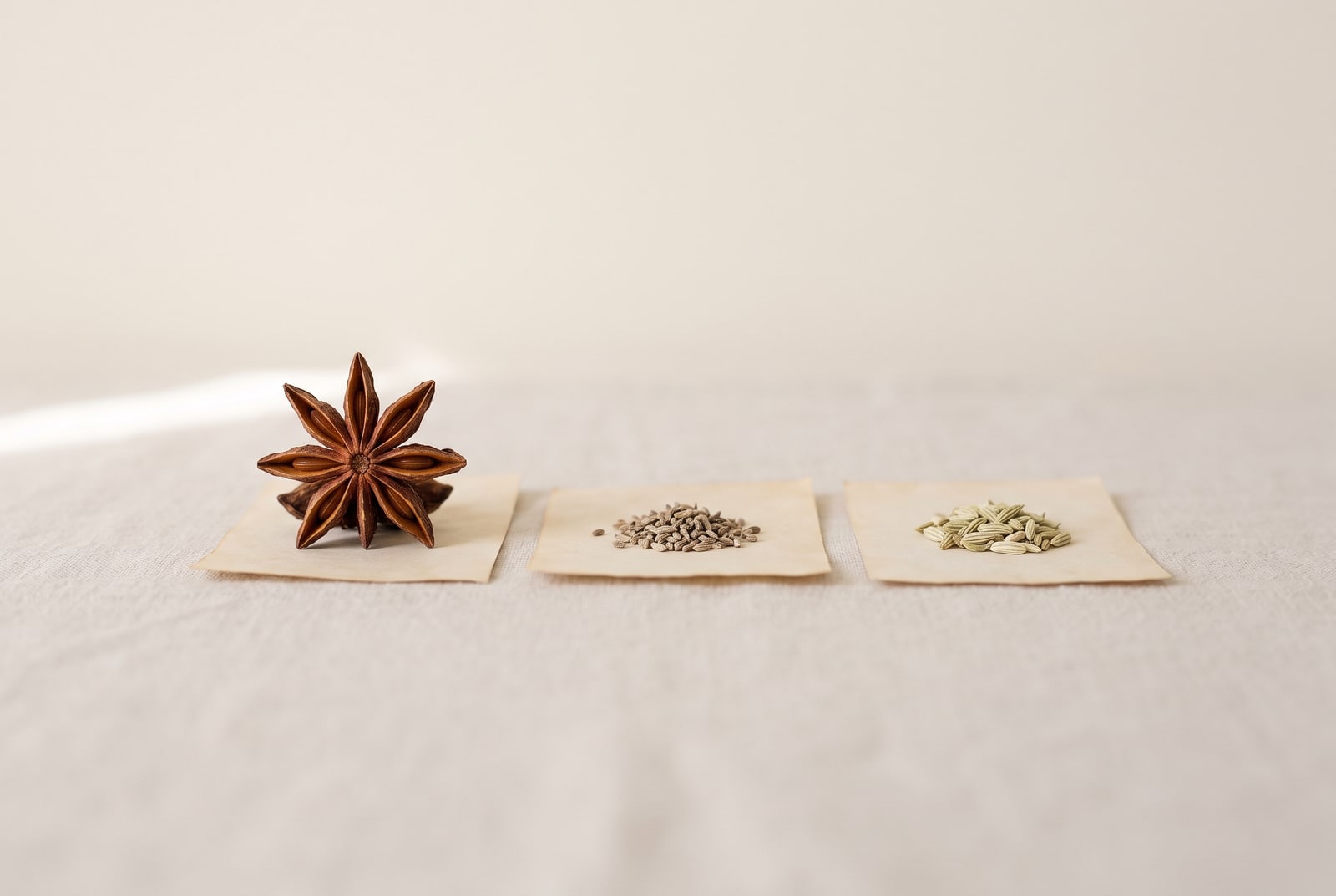
Star Anise vs Anise: Two Different Plants, and One That Is Not Food
Star anise and aniseed are unrelated plants that taste alike, and fennel is a third. What separates them, when each belongs, and how to tell culinary star anise from the toxic species that looks almost identical.
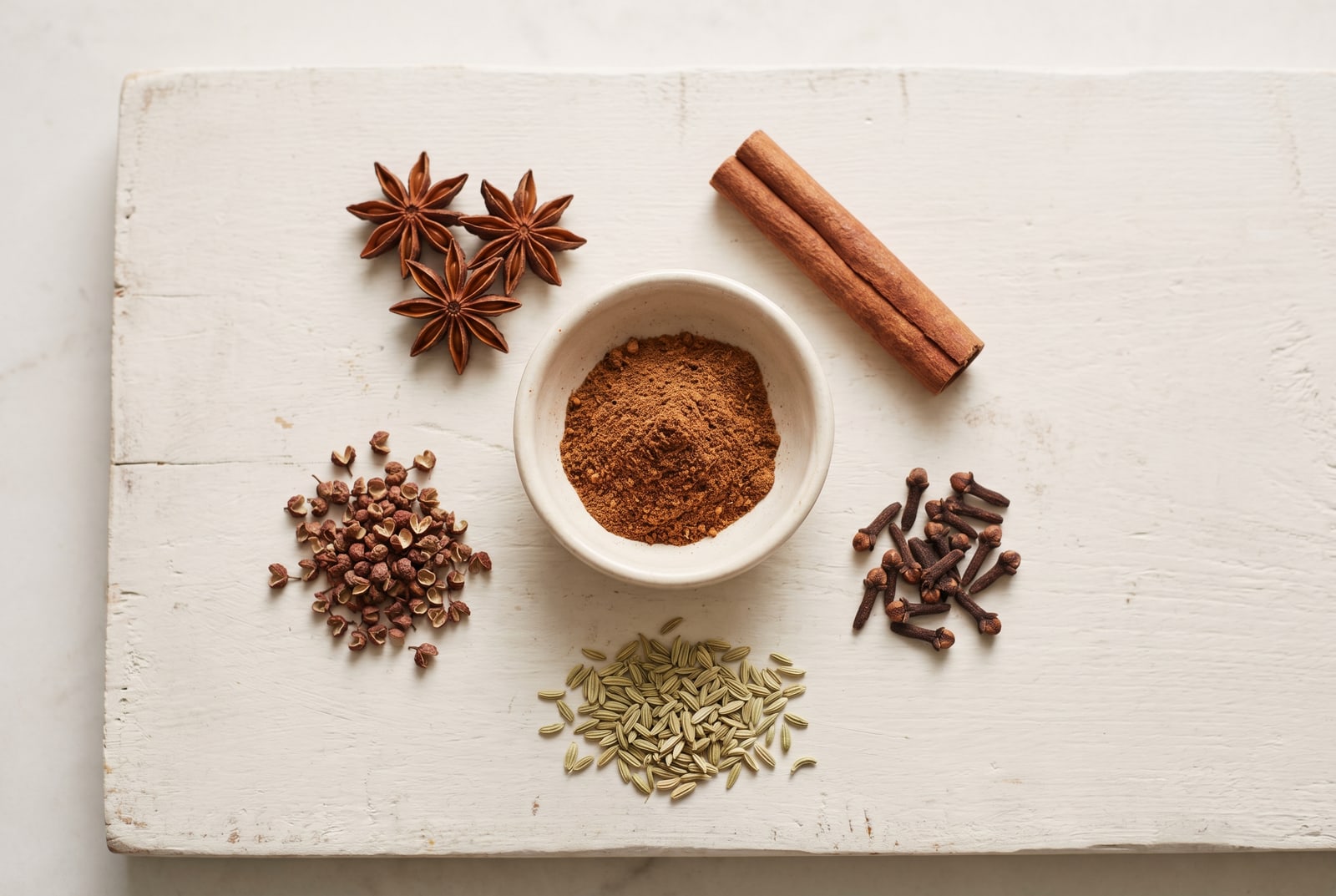
What Is Chinese Five Spice? The Blend, the Ratio, and What to Use Instead
Chinese five spice explained — the five spices in it, why no two blends match, why it is not the same thing as allspice, how to mix your own, and what to use when the jar is empty.
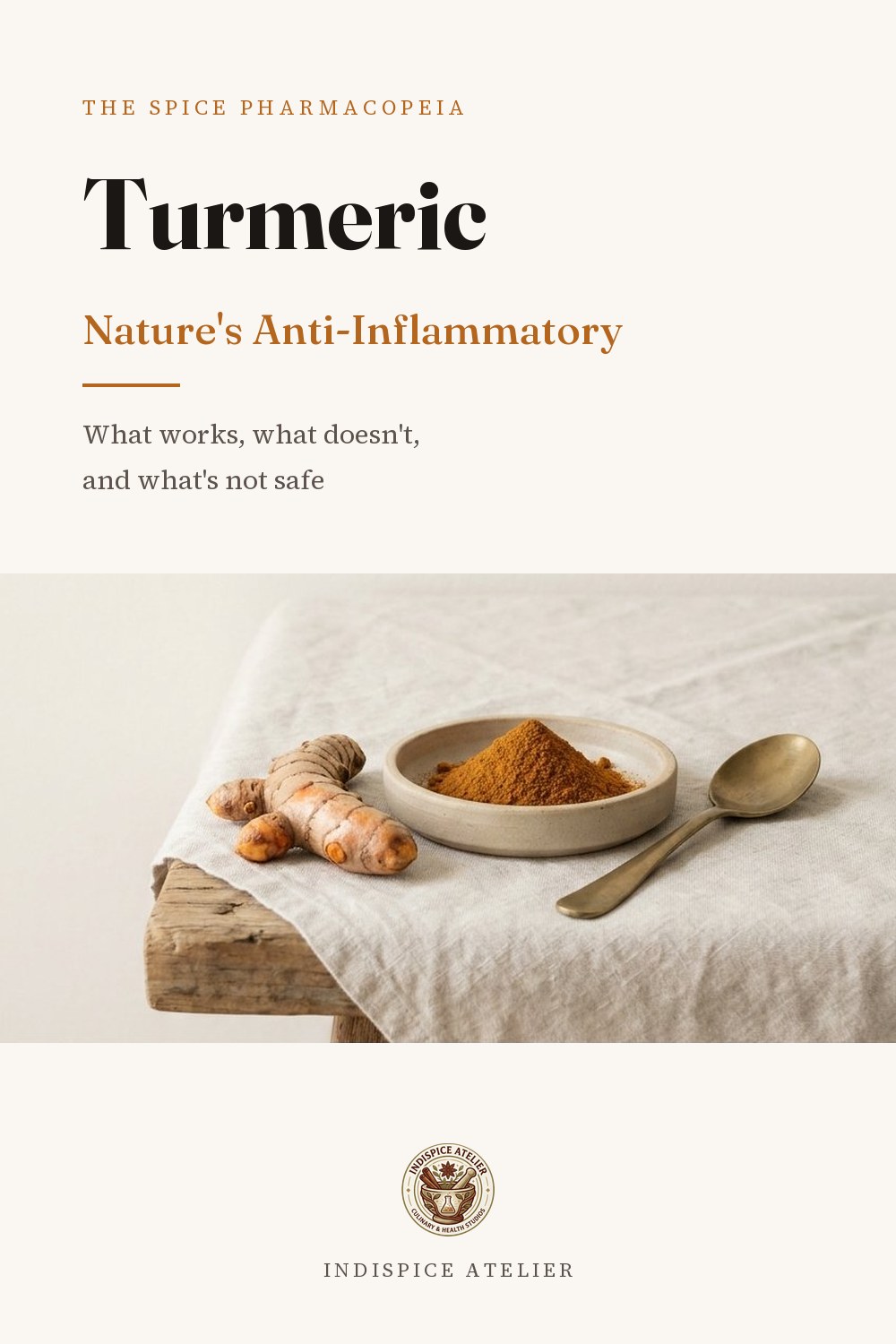
Turmeric
Turmeric is the most over-promised spice in the kitchen and one of the most genuinely interesting. Almost every question about what turmeric is good for turns on a single distinction — turmeric the food versus curcumin the extract — and almost every confusing benefit you have read about dissolves once you have it straight.
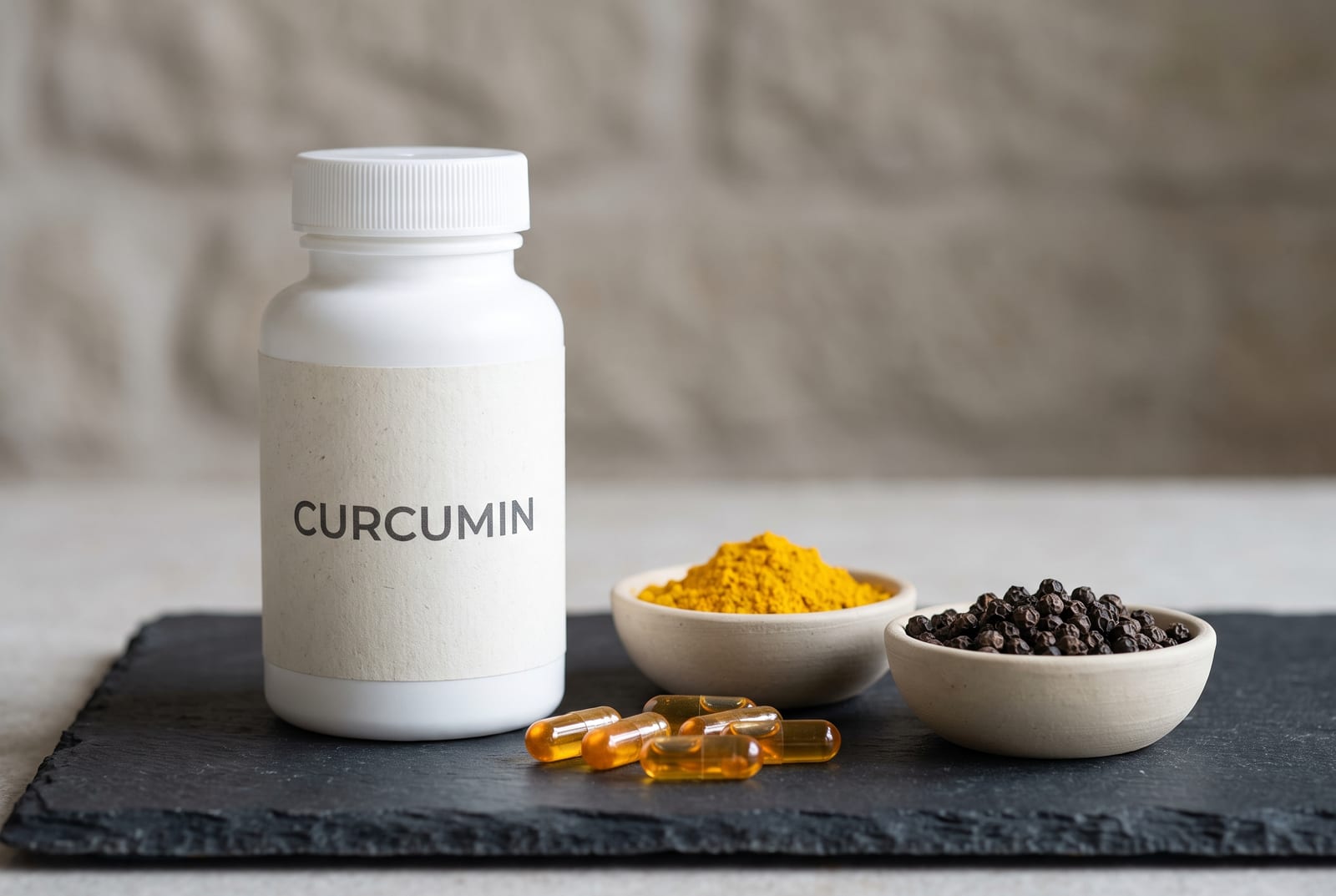
Turmeric Benefits for Men: What Holds Up, and What Is Being Sold to You
Turmeric is marketed to men for testosterone, muscle recovery and prostate health. Here is what the human evidence actually supports, what it does not, and how to tell a useful turmeric supplement from an inert one.
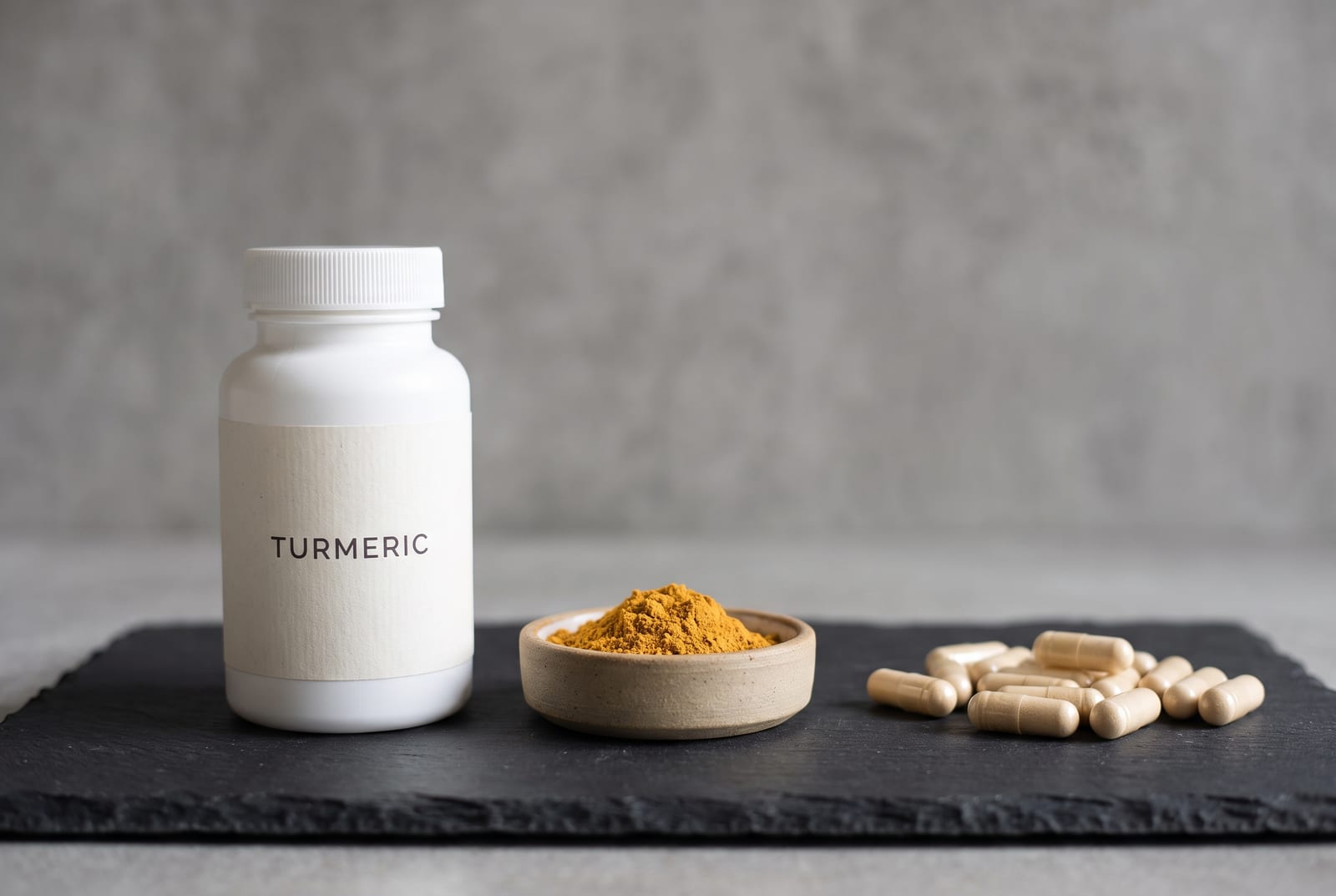
Turmeric Side Effects: The Ones That Are Real, and Who They Apply To
Most turmeric side-effect lists blur the spice and the supplement together. Here is the honest split — what culinary turmeric can do, what concentrated curcumin can do, which medications interact, and the warning signs worth acting on.
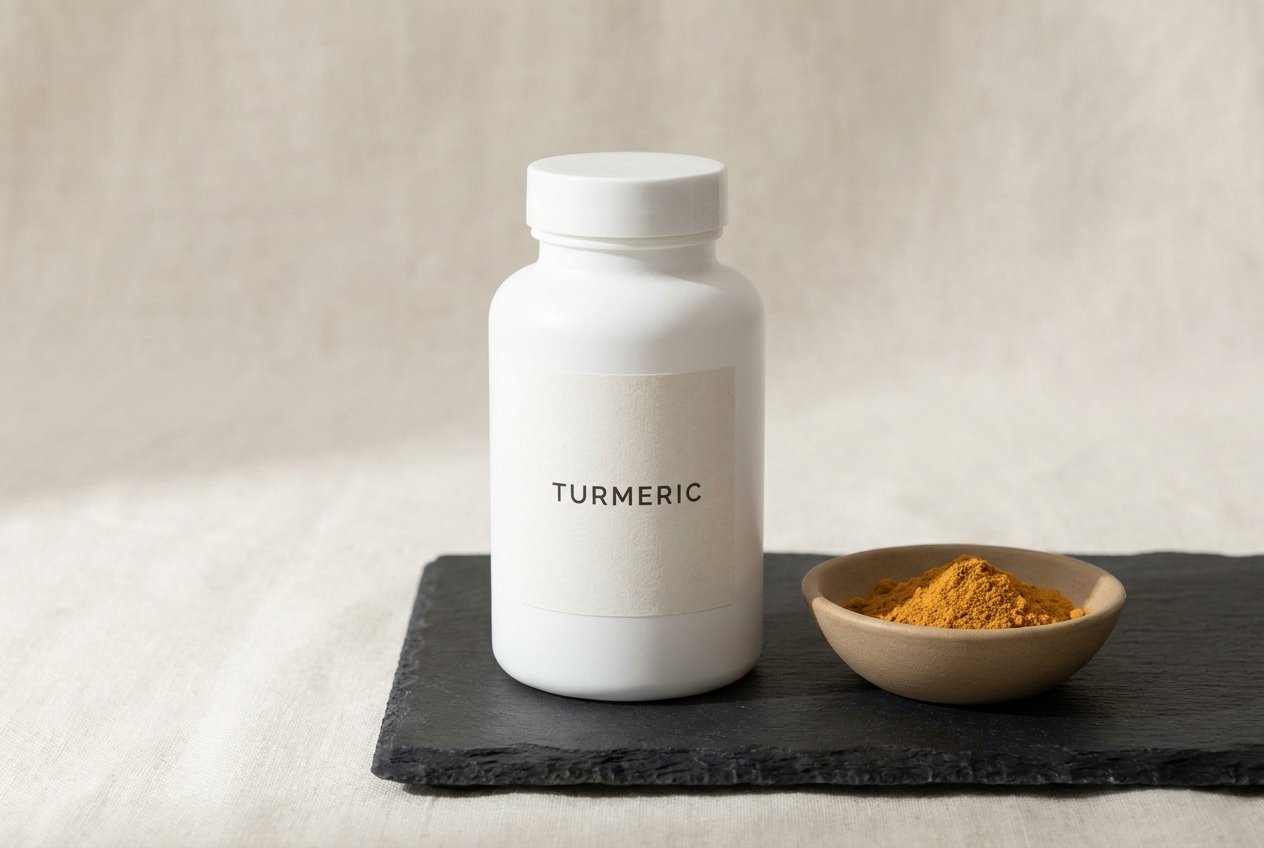
Is Turmeric Bad for Your Liver? What the Recent Warnings Actually Mean
Doctors have linked some trendy turmeric supplements to rare liver injury — and the black-pepper combo everyone recommends may be part of the problem. Here's the honest, evidence-based picture: who's at risk, the warning signs, and how to use turmeric safely.
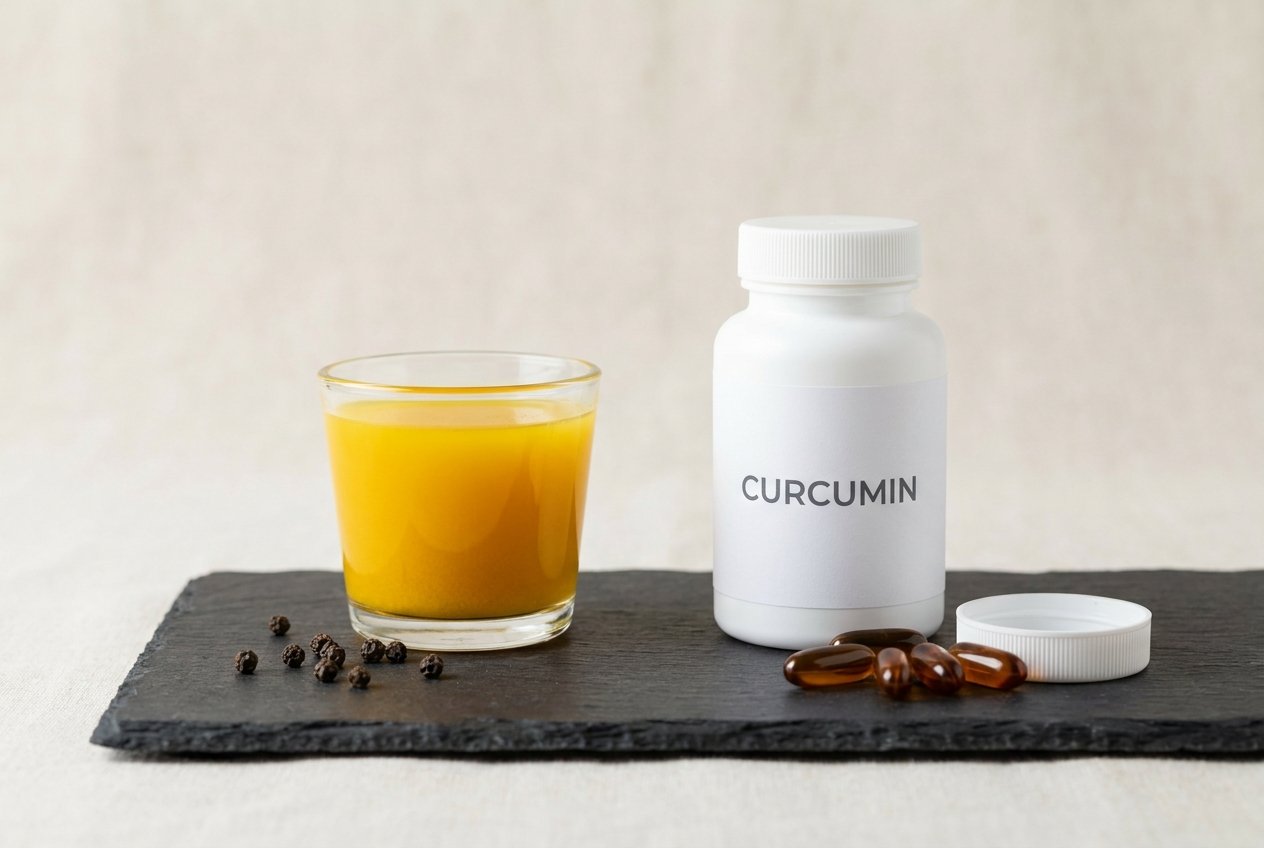
Turmeric Supplements with Black Pepper: Are You Absorbing Any of It?
Most curcumin never reaches your bloodstream. Here's why turmeric supplements pair with black pepper, how piperine compares with phytosome forms, and how to tell a good turmeric supplement from an inert one.
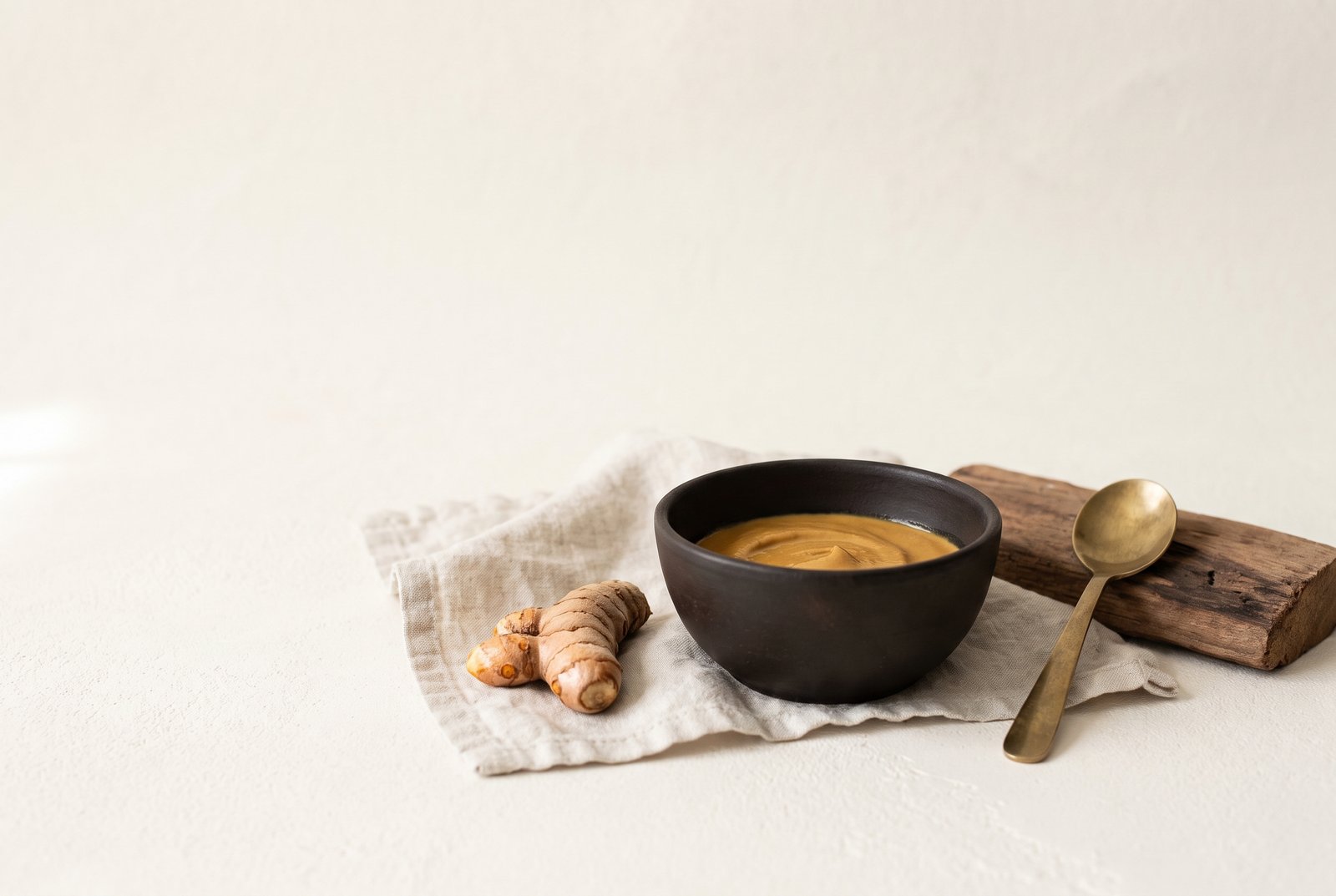
Turmeric Face Mask for Dark Spots: What It Can (and Can't) Do
A gentle turmeric face mask recipe, what the evidence honestly supports for dark spots and brightening, how the viral kojic-acid serums really work, and how to avoid the yellow stain.
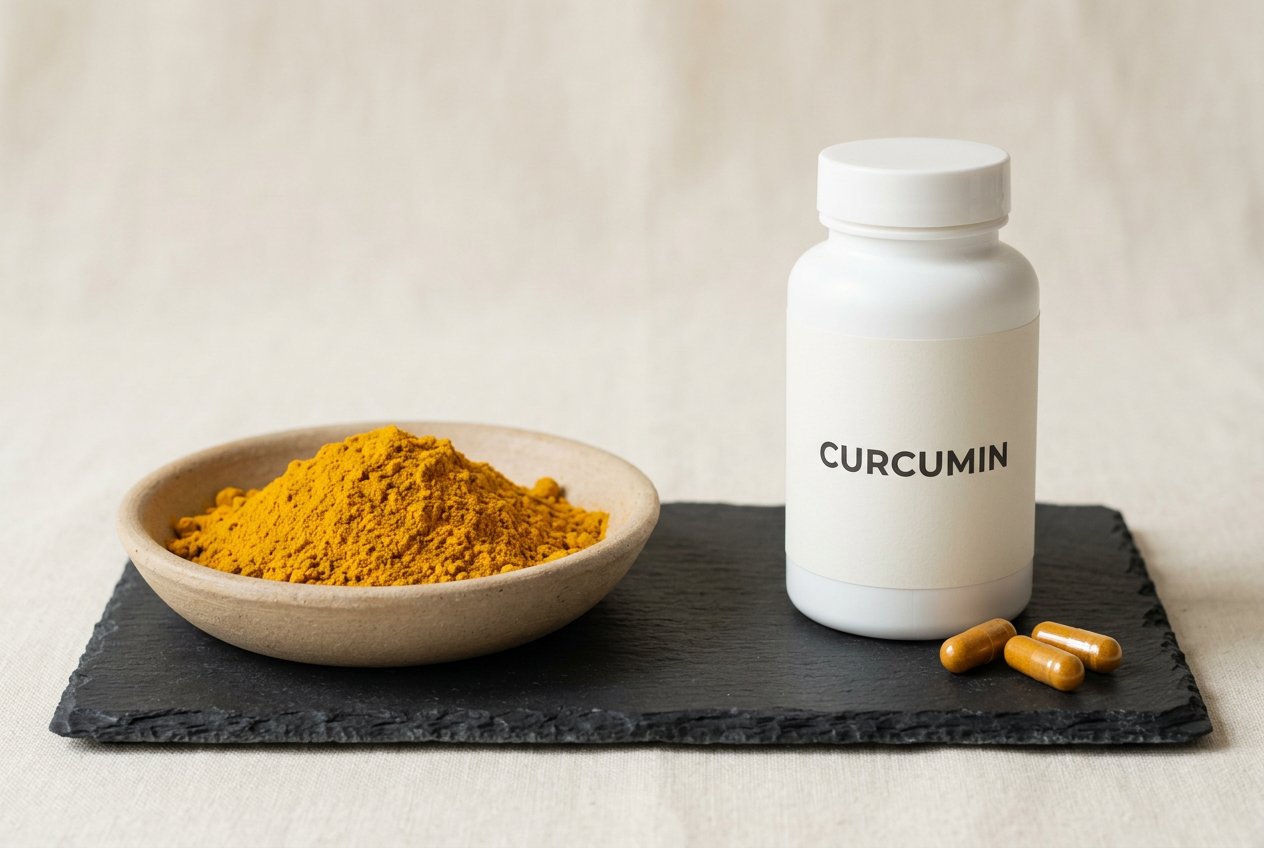
Turmeric vs Curcumin: Why Your Golden Latte and Your Supplement Aren't the Same Thing
Turmeric and curcumin get used interchangeably — but one is a food and the other behaves more like a drug. Here's the simple difference, why it changes everything about benefits and safety, and which one you actually need.
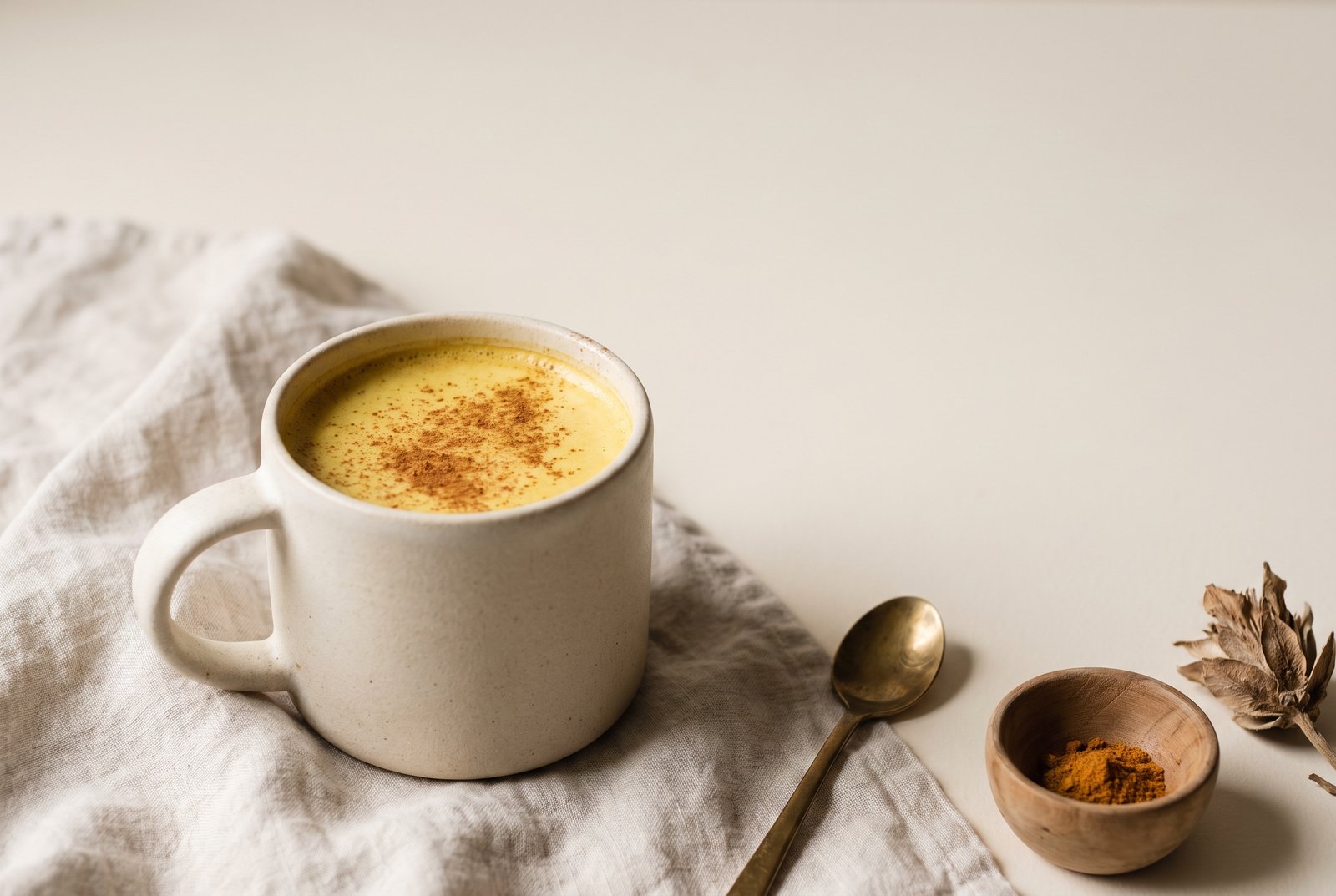
Golden Milk Recipe: The Turmeric Latte, Made So It Actually Works
A 5-minute golden milk recipe with the two tweaks most versions miss — the ones that decide whether any curcumin gets absorbed. Plus what golden milk can and can't do for your skin, sleep and inflammation.