
Field notes
Articles
Recipes tell you what. These tell you how — the technique underneath the cooking, the ingredients worth the trouble, and the kitchen kit that is worth buying.
Start here
Three articles, in this order, if you are new to cooking Indian food at home.
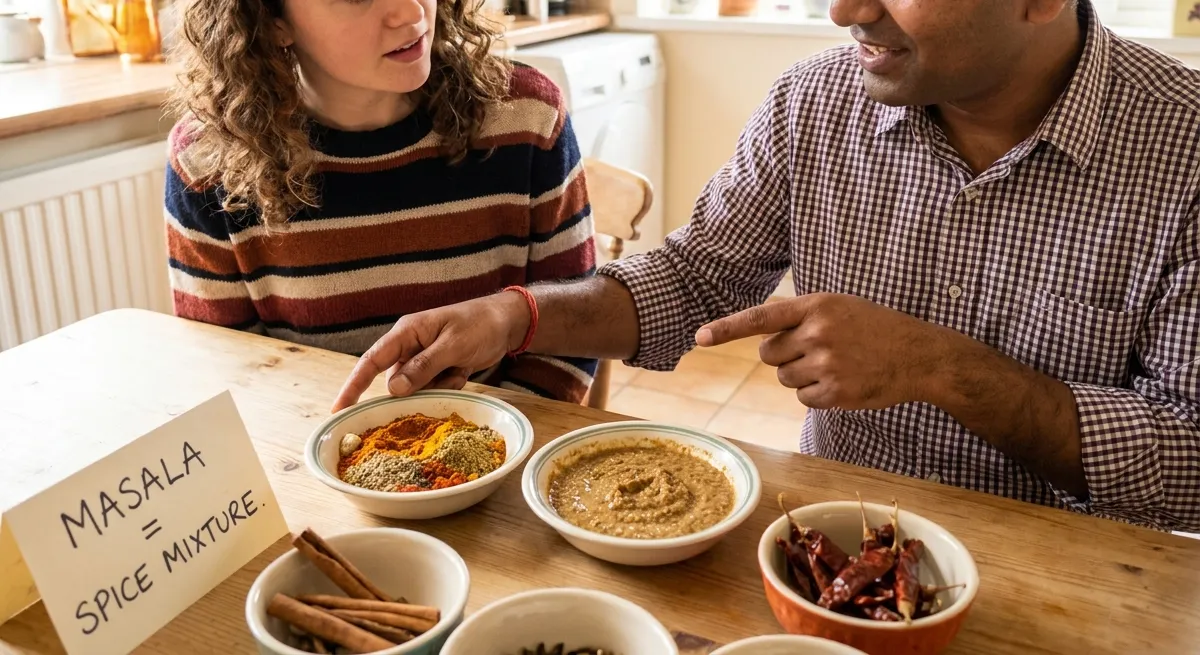
Step 1
What Is Masala? The Words Indian Recipes Assume You Know
Masala just means a mixture of spices — not a dish, not a sauce, not one thing. What garam, chaat and chai masala each are, why garam masala contains no chilli, and plain definitions for tadka, bhuna and dum.
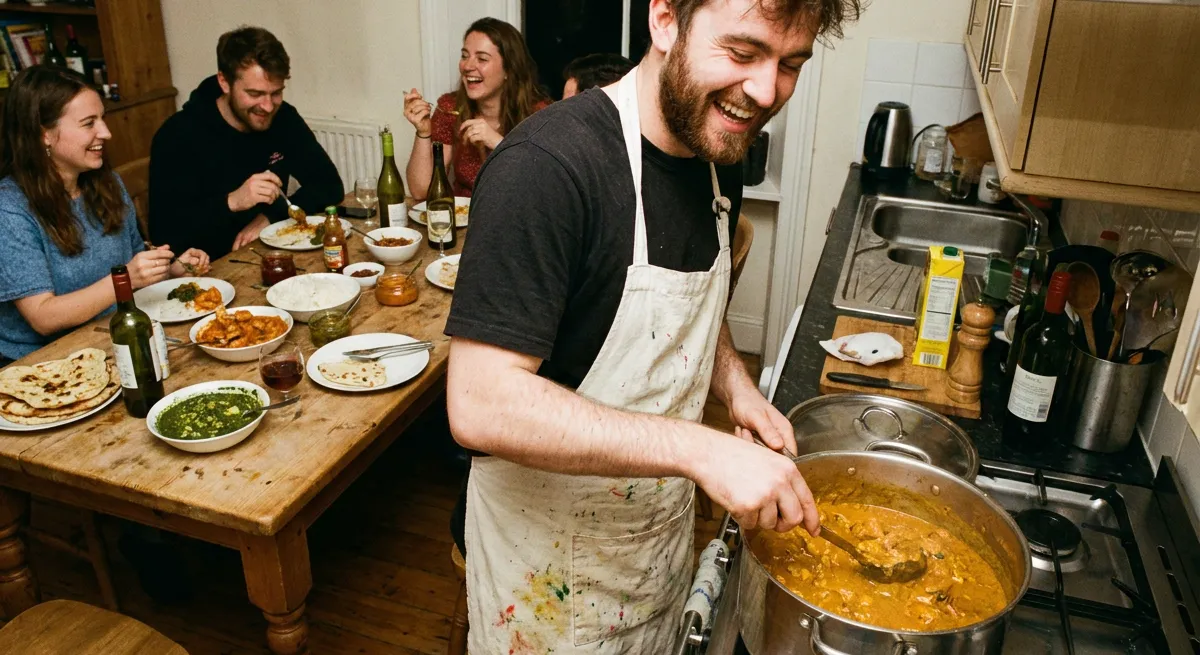
Step 2
How to Make Curry: The Order Indian Cooks Actually Use
Most Indian gravies are one base with different things added to it. The order the stages go in, why each one needs a different heat, and the single visual signal — the oil separating — that tells you the base is finished.
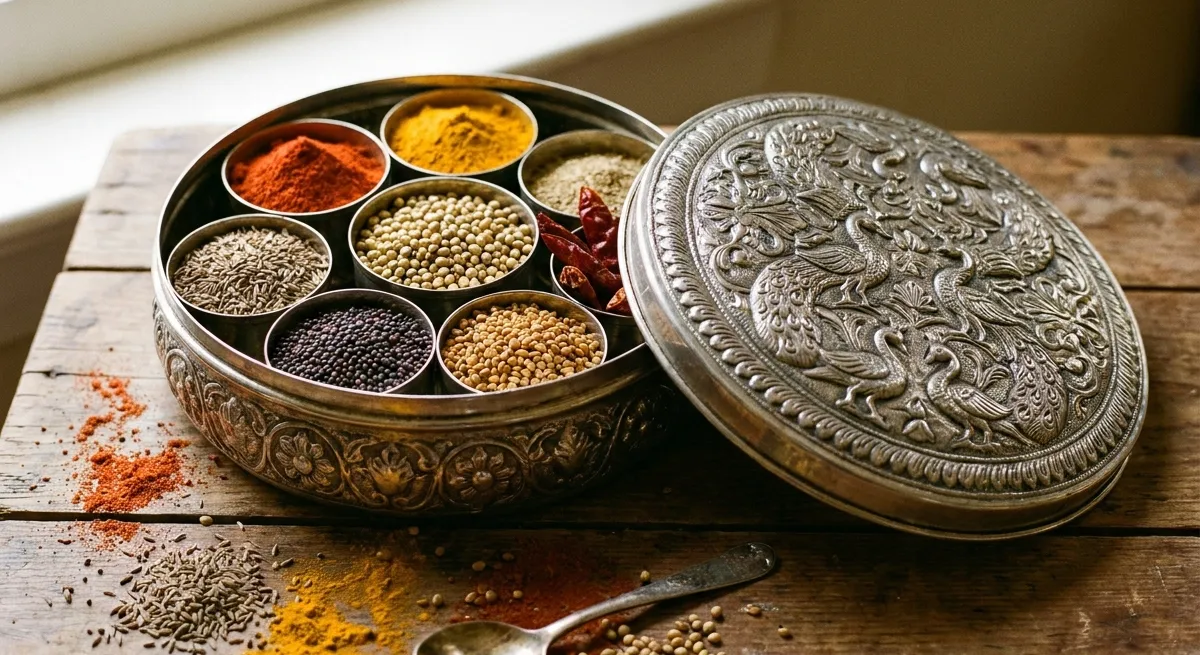
Step 3
The Masala Dabba: What Goes In It, and Where to Keep It
What an Indian spice box actually holds, why the seven vary by household, and the one thing almost everyone gets wrong about where to put it — kept by the stove, spices die faster.
Technique
The methods a recipe assumes you already know — the order things go in the pan, and why.
Technique
How to Make Curry: The Order Indian Cooks Actually Use
Most Indian gravies are one base with different things added to it. The order the stages go in, why each one needs a different heat, and the single visual signal — the oil separating — that tells you the base is finished.
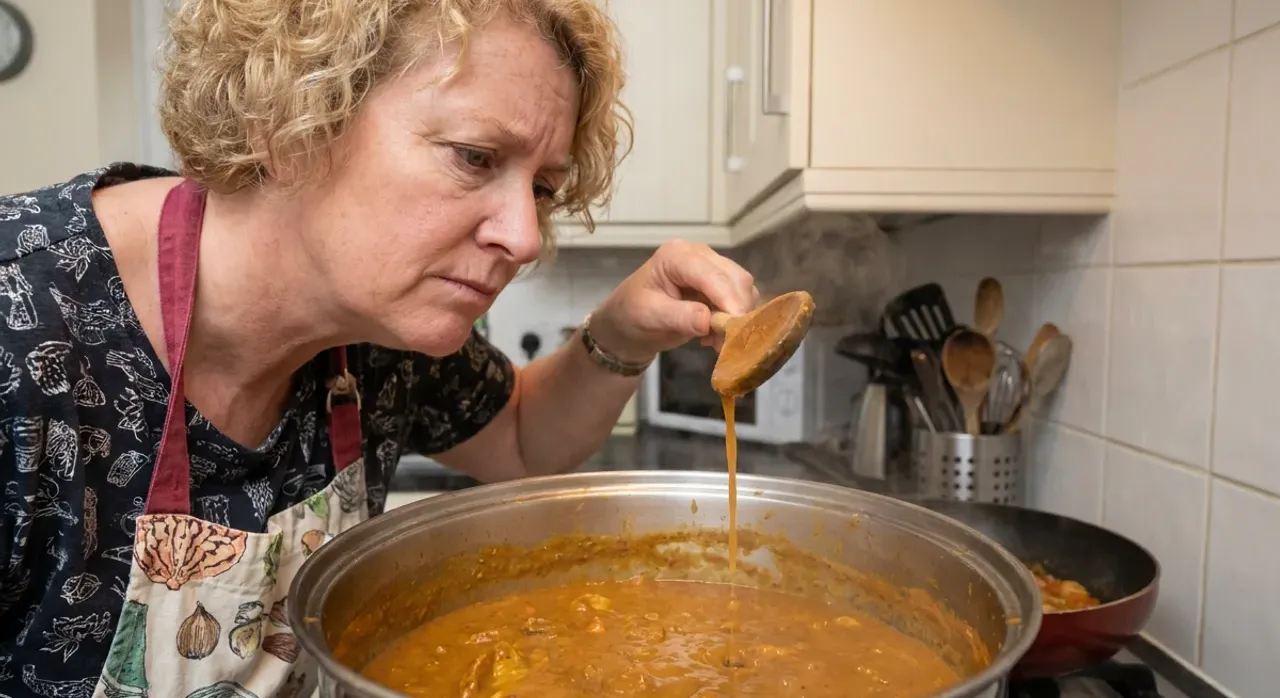
Technique
How to Thicken a Curry (Without Flour)
A watery curry is usually an unfinished base, not a missing thickener. Why the cornflour instinct makes it worse, the seven things Indian kitchens actually use, and how to add yoghurt without it splitting.
Technique
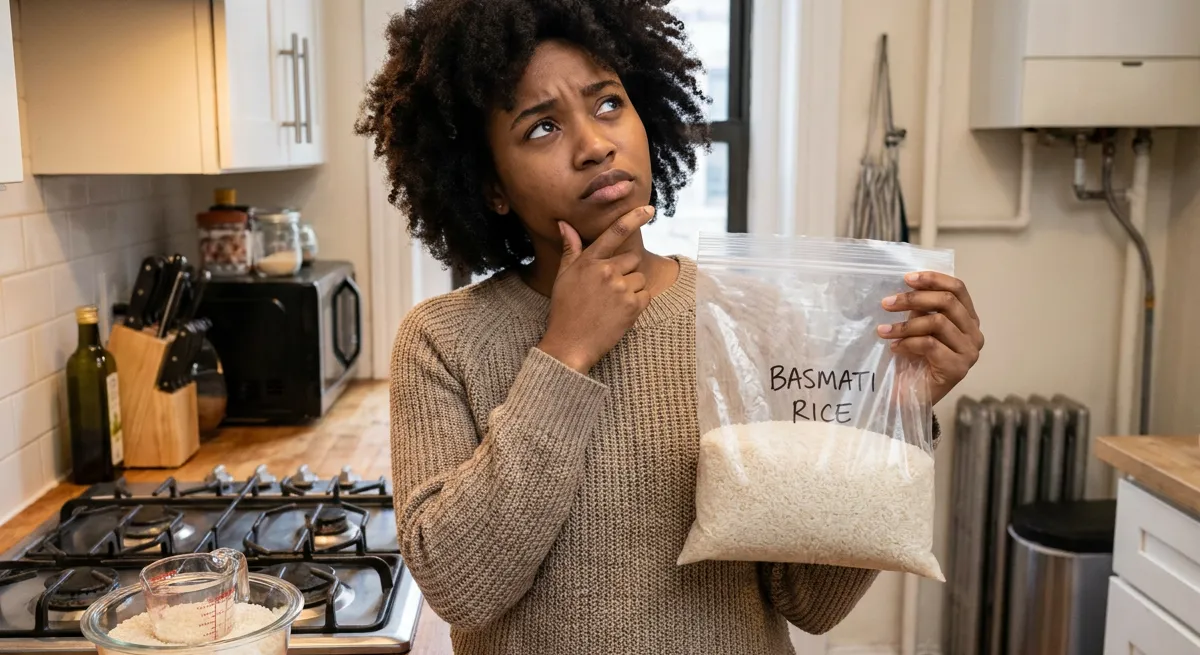
How to Cook Basmati Rice on the Stove
Two methods, and Indian kitchens use both. Absorption for flavour and pulao, the drain method for the most separate grains you will ever get. Ratios, timings, why you rinse until cloudy and not clear, and the resting step almost everyone skips.
Technique
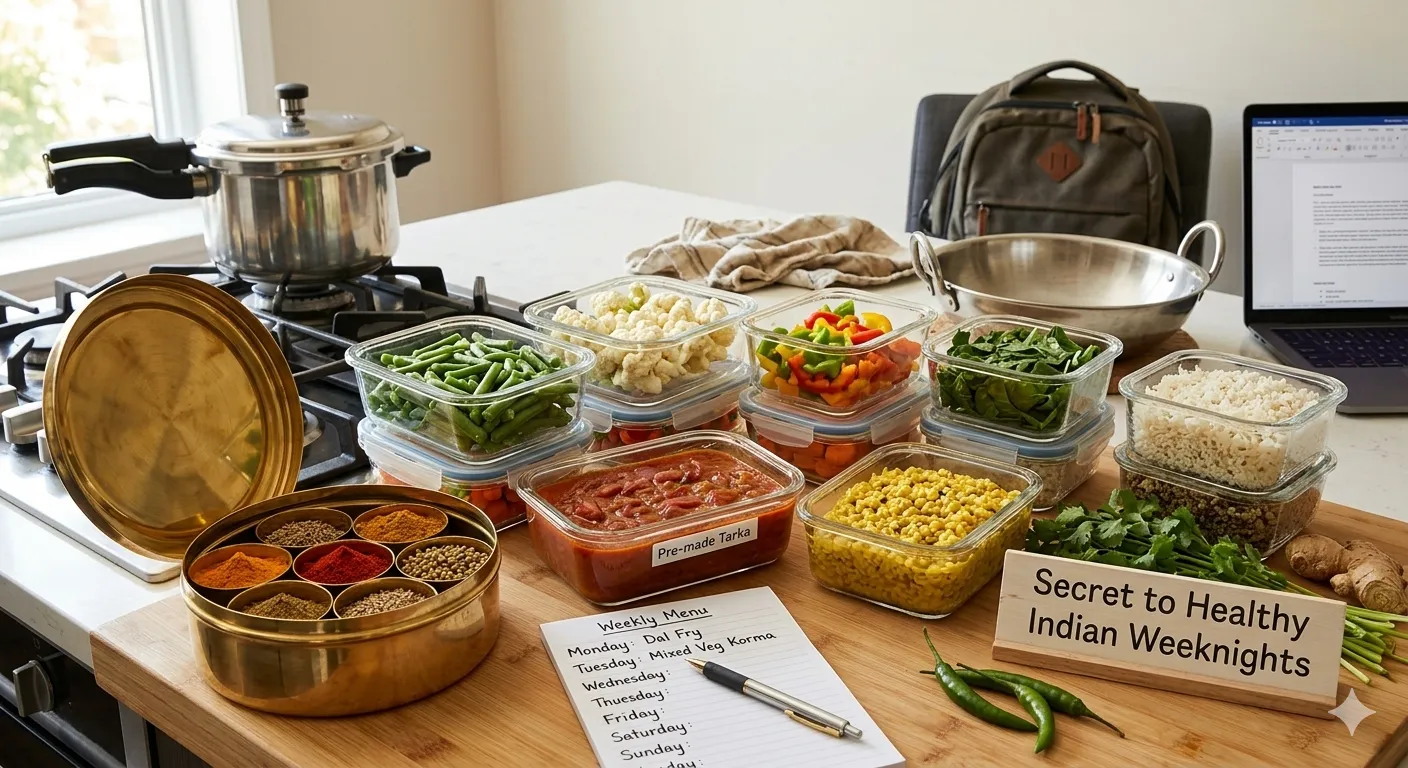
Indian Meal Prep: The One Hour That Saves Six Dinners
Nearly all the work in an Indian meal lives in one place — the onion-tomato base. Make it once, freeze it in portions, and a weeknight curry becomes fifteen minutes. What else is worth batching, what never is, and the one rule about leftover rice.
Ingredients
What to buy, what to make yourself, and what the label is not telling you.
Ingredients
What Is Masala? The Words Indian Recipes Assume You Know
Masala just means a mixture of spices — not a dish, not a sauce, not one thing. What garam, chaat and chai masala each are, why garam masala contains no chilli, and plain definitions for tadka, bhuna and dum.
Ingredients
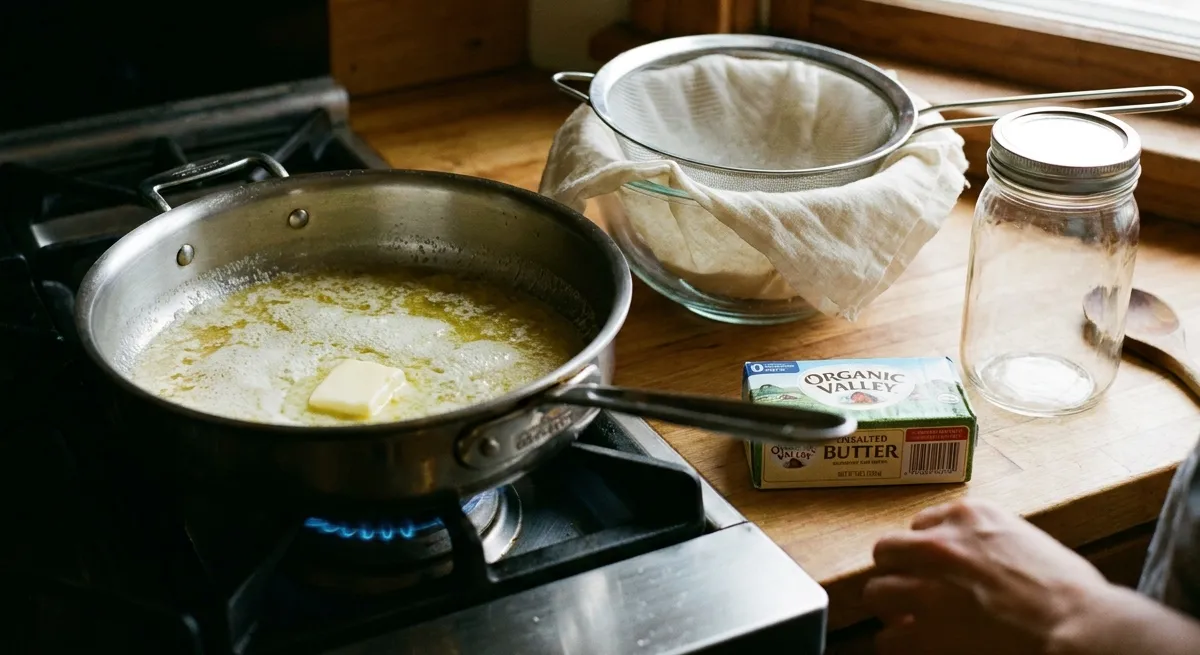
How to Make Ghee at Home — and What 'Desi Ghee' Really Means
One ingredient, one pan, about half an hour. The three stages to listen for, why unsalted butter matters, and a straight explanation of desi, bilona and A2 ghee — including which of those premiums survives the making of ghee and which does not.
Ingredients
The Masala Dabba: What Goes In It, and Where to Keep It
What an Indian spice box actually holds, why the seven vary by household, and the one thing almost everyone gets wrong about where to put it — kept by the stove, spices die faster.
Ingredients
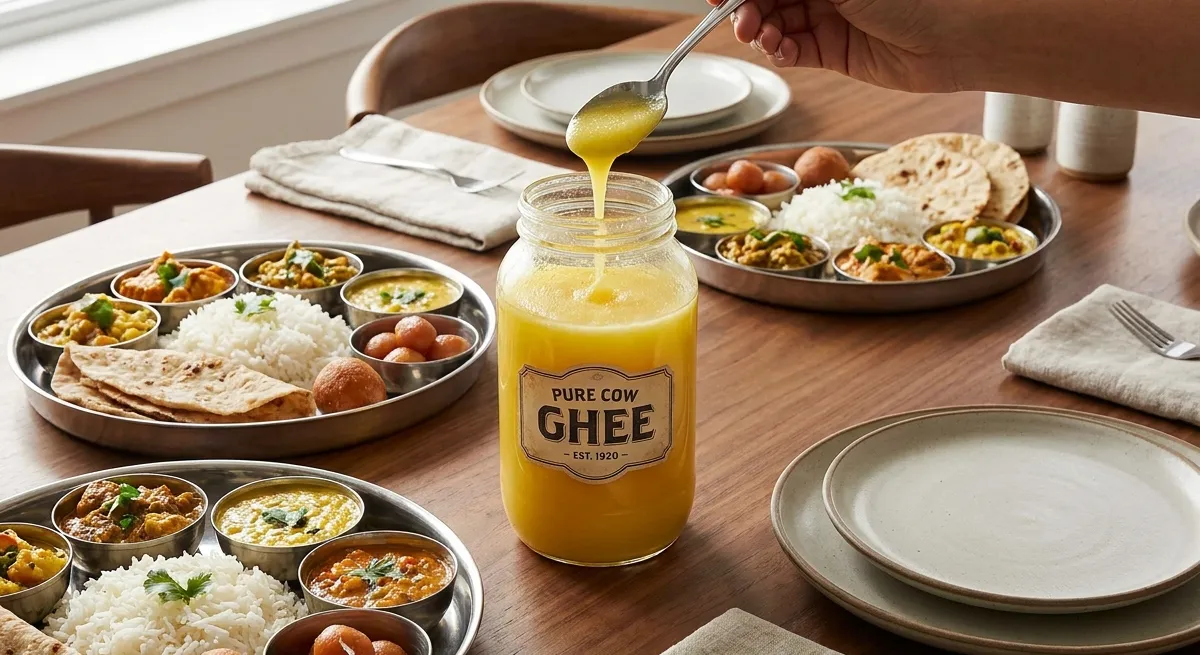
What Is Ghee? And Why Indian Cooking Uses It Instead of Butter
Ghee is butter with the water and milk solids taken out — and, unlike clarified butter, with those solids browned first. What that changes about smoke point, shelf life and taste, plus an honest look at the health claims.
Appliances
Modern kitchen machines, judged on whether they earn their counter space in an Indian kitchen.
Appliances
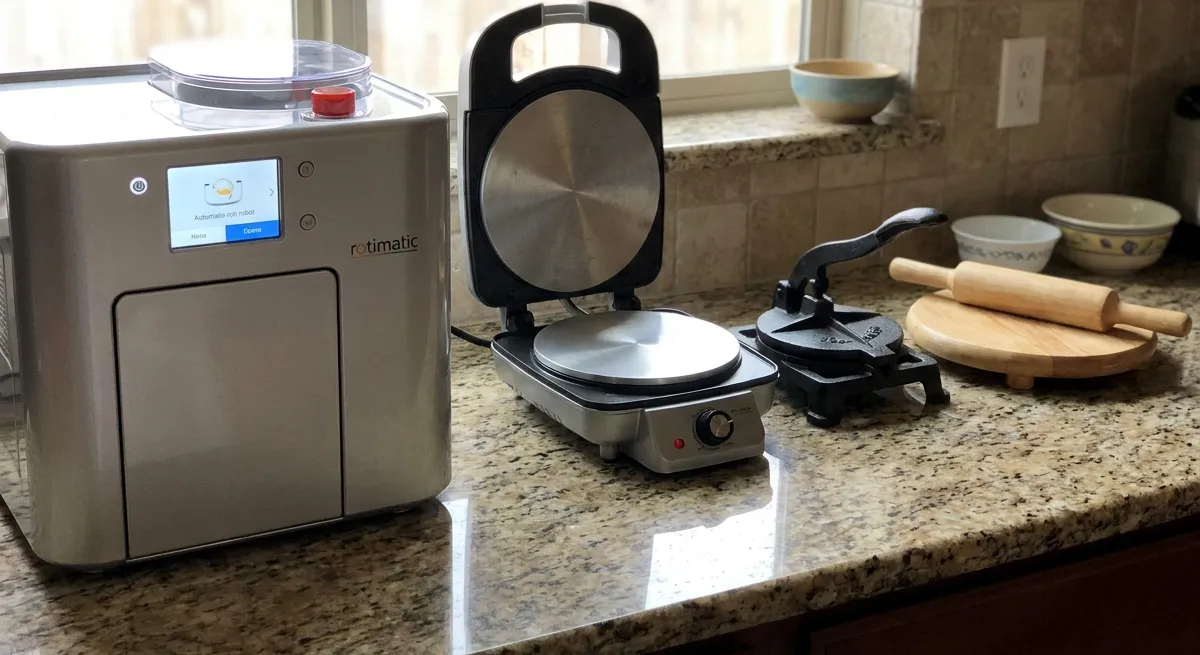
Automatic Roti Makers: Press, Robot, or Neither
Two machines share one name and the prices are twenty times apart — a $30 press that only flattens dough you already made, and a $1,500-plus robot that takes flour and water and hands you a finished roti. Which is which, whether either copes with real atta, and who should not buy one at all.
Appliances
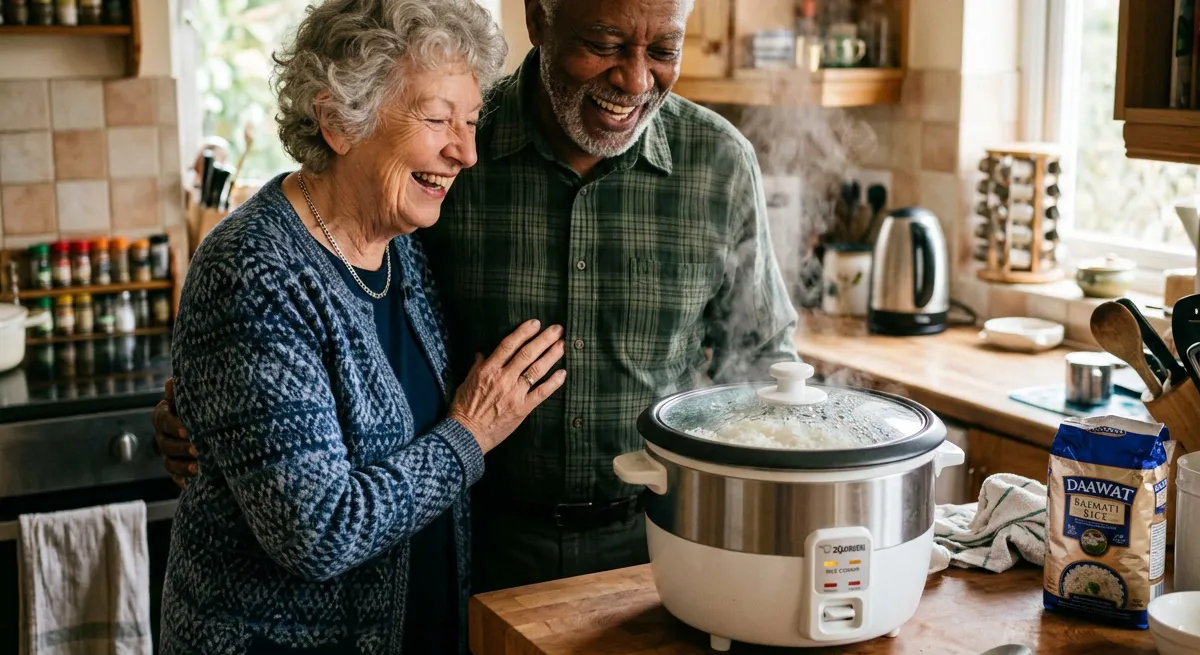
Basmati Rice in a Rice Cooker: The Ratio Nobody Tells You
Rice cookers were built around Japanese short-grain rice, and basmati is the opposite grain. Which cup the water lines actually refer to, the ratio that works soaked and unsoaked, and why rinsing until the water runs clear is a mistake.
Appliances
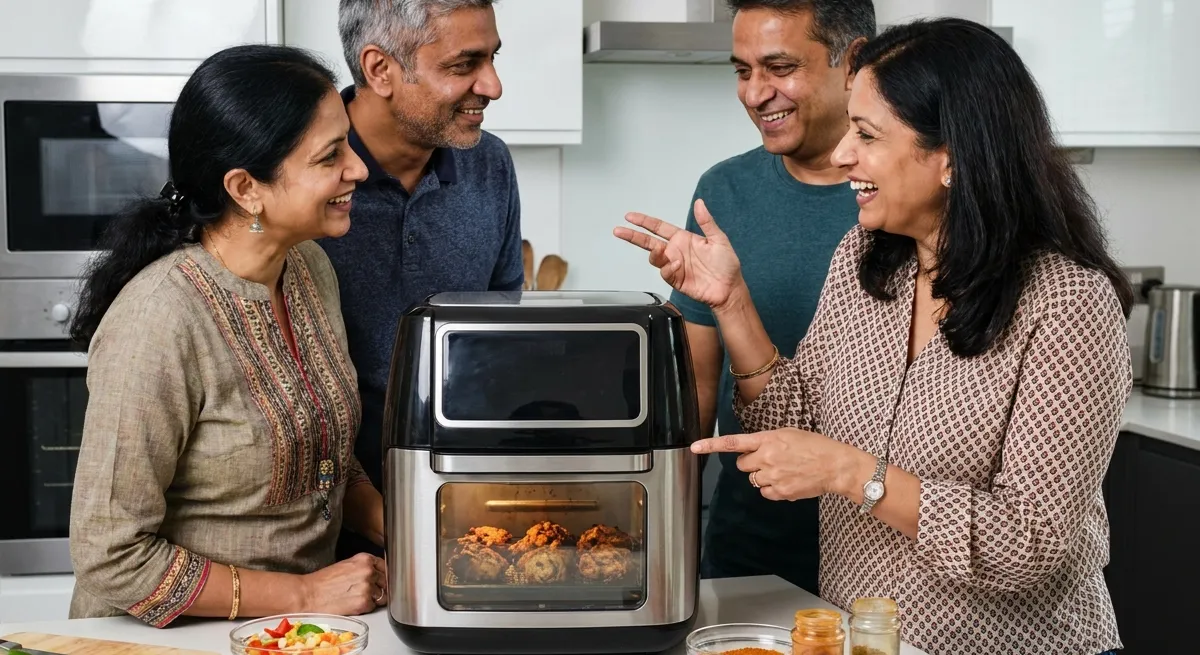
Indian Food in the Air Fryer: What It's Actually For
An air fryer is a bad deep fryer and a surprisingly good tandoor. Why tandoori chicken and paneer tikka work brilliantly, exactly how close an air-fried samosa gets to the real thing, and the two-minute trick that puts the smoke back.
Appliances
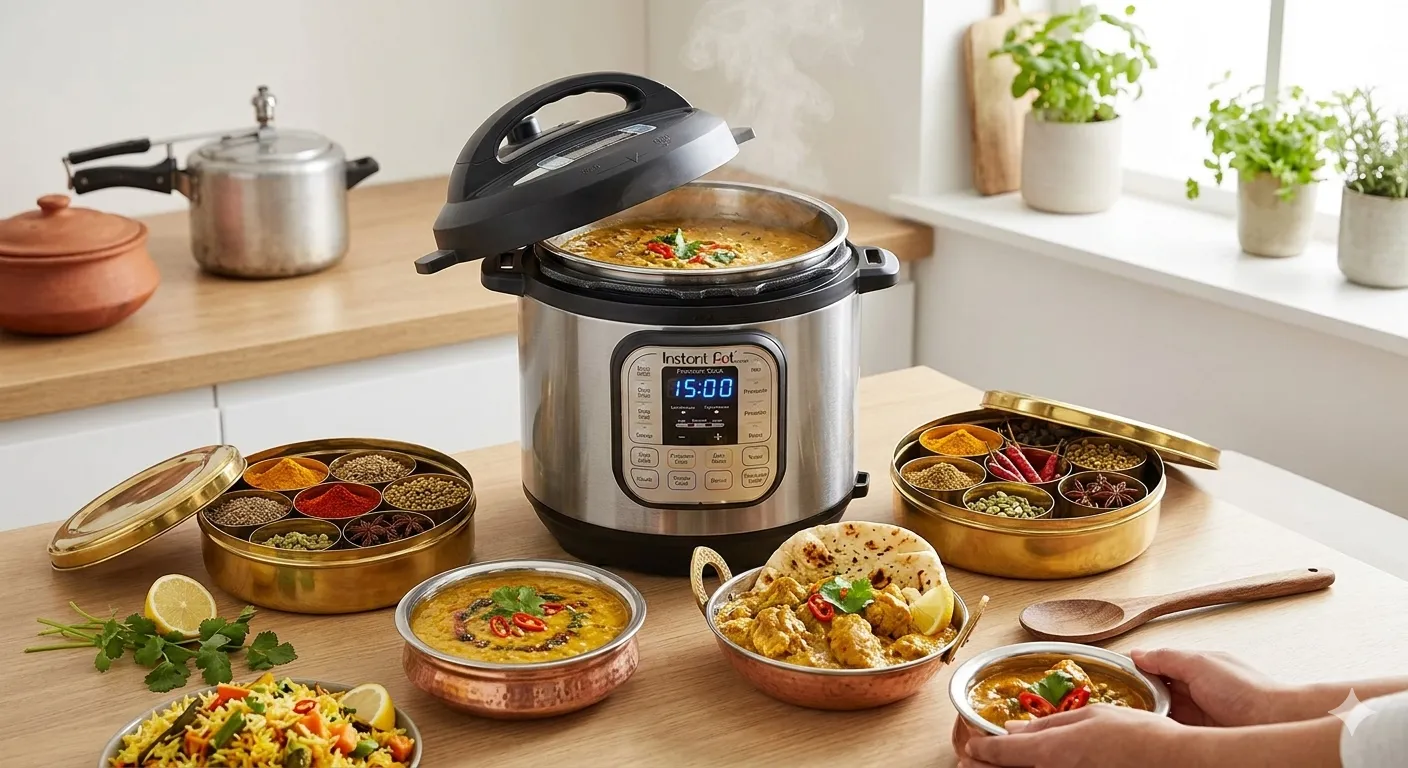
The Instant Pot for Indian Cooking: What Changes, and What Doesn't
An Instant Pot runs at lower pressure than the stovetop cooker Indian recipes were written for, so whistles don't convert and times don't transfer. Real timings for dal, rajma and rice, why curry triggers the BURN message, and the two things it will never do well.
Culture
Where the food comes from, and why it is cooked the way it is.
Culture
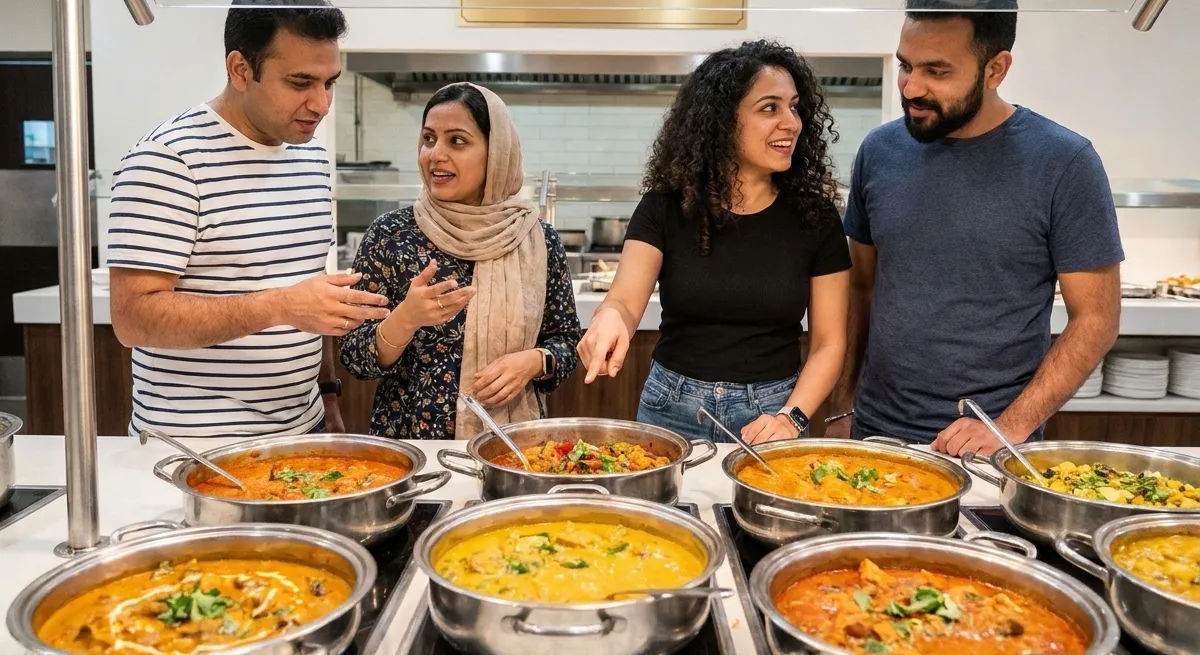
Is Indian Food Healthy? The Honest Answer
Home Indian food and restaurant Indian food give almost opposite answers to the same question. What an everyday Indian plate actually contains, why the takeaway version is different, and what spices genuinely do — and don't — contribute.
Culture
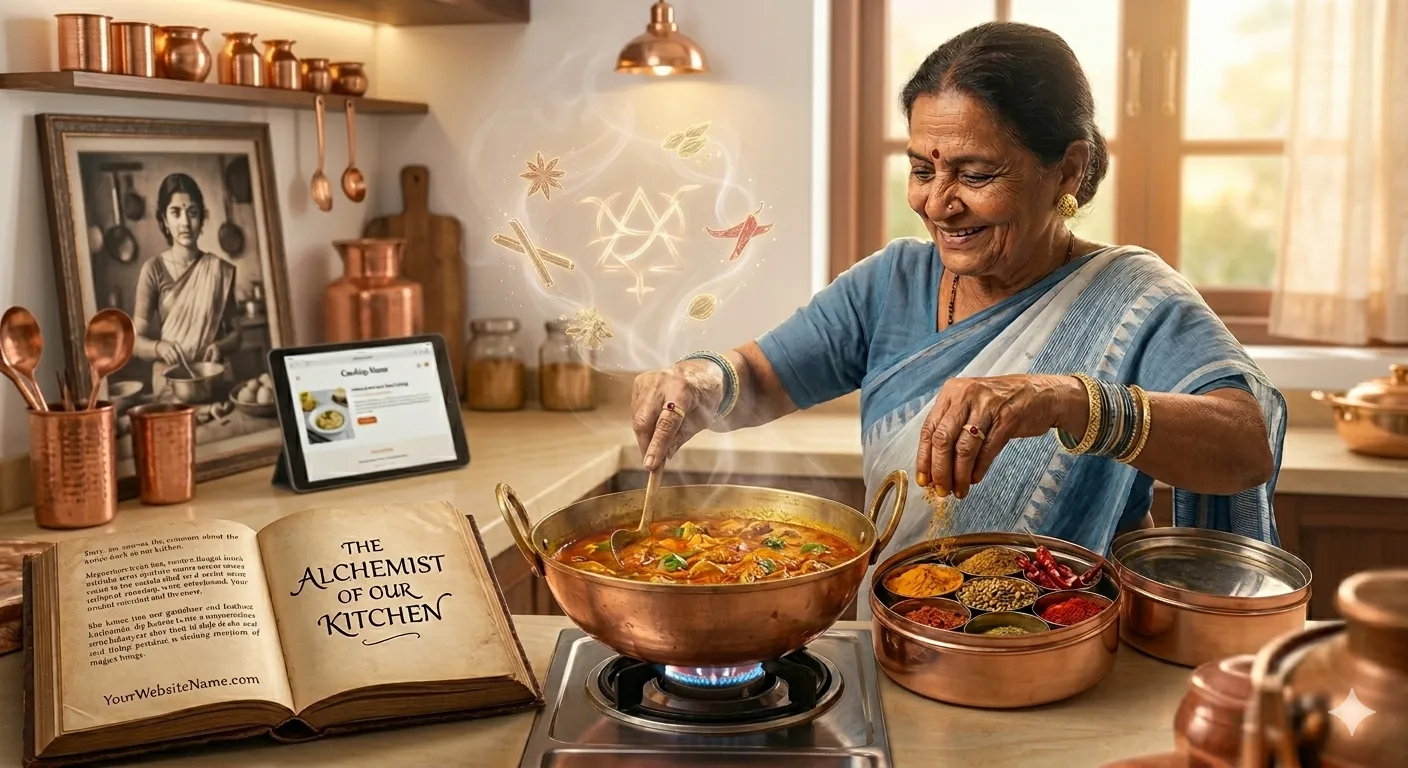
The Alchemist of Our Kitchen: A Tribute to Ma's Cooking
The story behind this project — a gastronomical tribute to a mother's intuitive genius with spices, and to the heirloom recipes reimagined here for the modern kitchen.