
Cardamom
Which Cardamom to Buy: Green or Black, Pods or Ground
Quick answer
Buy whole green pods, and buy a small quantity. Green and black cardamom are different plants for different jobs — green is floral and goes in nearly everything, black is smoky and belongs in savoury slow-cooked food — so a recipe naming one will not accept the other. Whole pods keep their aroma for a year or more; ground cardamom is noticeably flat within three to six months, which is why the jar in most cupboards tastes of nothing. And it is expensive because it is hand-picked over several passes as the pods ripen unevenly, not because of branding. Buy a small tin often rather than a large one once.
Cardamom is the spice people most often buy badly. It is costly enough to feel like a considered purchase, and unfamiliar enough that most of us pick whichever jar the supermarket stocks. Three decisions actually matter.
Green or black: different plants, not different colours
This is the one that ruins dishes.
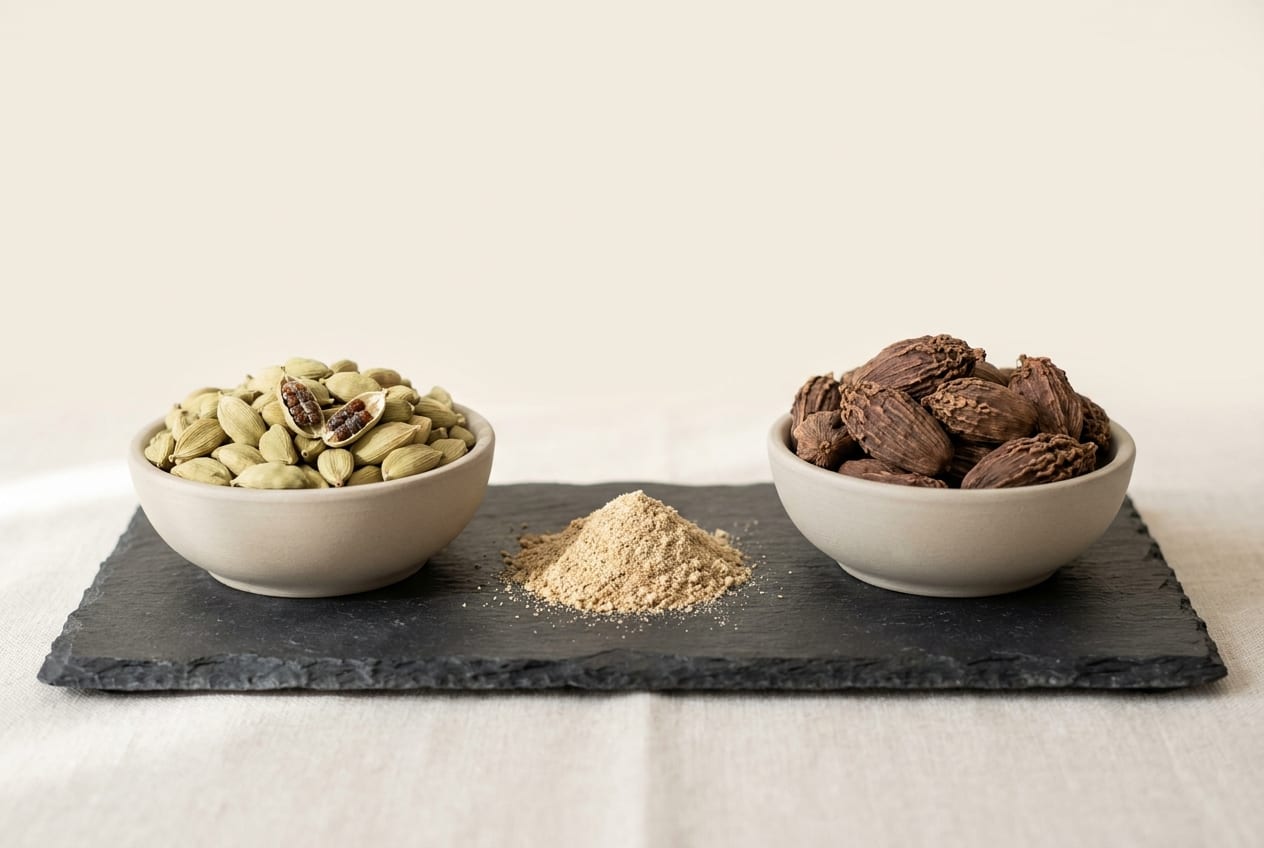
Green cardamom (Elettaria cardamomum) is what almost every recipe means by “cardamom”. Small, pale-green, papery pods holding sticky black seeds. Floral, sweet, citrusy, with a sharp eucalyptus edge. It works in baking, in curry, in rice, in chai, in coffee, in milk puddings.
Black cardamom (Amomum subulatum) is a different genus altogether. The pods are large, dark brown, wrinkled and leathery, and they are dried over open fire — which is where their character comes from. Smoky, resinous, camphorous, with none of the floral sweetness. It belongs in slow-cooked savoury food: biryani, dal, braises, garam masala.
The mistake to avoid: using green where a recipe says black makes a savoury dish taste faintly of dessert. Using black where it says green overwhelms everything with smoke. If a recipe just says “cardamom”, it means green.
White cardamom is not a third kind. It is green cardamom that has been bleached, usually so it does not tint pale bakes. Bleaching costs aroma. Skip it unless the colour genuinely matters to you.
Pods or ground: buy pods
Cardamom’s flavour lives in volatile oils inside the seed. Intact, the pod is a sealed container and those oils stay put. Ground, they begin leaving immediately.
- Whole pods: aromatic for a year or more, usable well beyond
- Ground: noticeably weaker at three to six months
That single fact explains most disappointing cardamom. The jar has been open for two years, it smells of dust, and the cook concludes they do not like cardamom.
Grinding is not difficult: crush the pod with the flat of a knife, pull out the black seeds, discard the husk, and grind the seeds in a mortar or a spice grinder. Ten seconds for a teaspoon.
The honest exception. If you know you will never actually do that, buy ground cardamom in the smallest quantity sold and use it. Ground cardamom you use beats whole pods you do not.
A mortar does this perfectly well. If you would rather not, a cheap blade grinder kept for spices is the usual answer — do not use your coffee one unless you want cardamom coffee by accident. → Hamilton Beach spice and coffee grinder. As an Amazon Associate we may earn from qualifying purchases.
Why it costs what it does
Only saffron and vanilla are more expensive by weight, and cardamom’s price is not a branding story.
Pods on a single plant ripen at different times. A field cannot be harvested in one pass — pickers go through repeatedly over weeks, taking only what is ready, by hand. A pod picked too early never develops its aroma at all, so there is no shortcut. On top of that, commercial growing is concentrated in Guatemala and southern India, so weather in a small area moves the world price.
What this means for you as a buyer: paying more per gram for good cardamom is usually paying for careful picking and fresher stock, not for a nicer label. But paying more for a large container is a mistake either way, because the clock starts the day it is packed.
How to tell fresh from stale
Before you pay, if you can see the pods:
- Plump, not shrivelled. A full pod means seeds that have not dried out.
- Bright green, slightly uneven. Dull, pale or greyish means age. Uniform ghost-white means bleached.
- Unsplit. Split pods have been losing aroma since they split.
- Heavy for their size. Light, rattly pods are hollow and spent.
And once home, crush one. Fresh cardamom announces itself immediately. If you have to go looking for the smell, it is finished, whatever the date on the tin says.
Storing it so it lasts
An airtight jar, away from light, away from heat. Not the rack above the cooker — that is the warmest, brightest, steamiest spot in the kitchen and it is where most spices go to die.
Keep pods whole until the moment you need them, and grind only what the recipe asks for. Refrigeration is unnecessary and, if the jar is opened cold, actively unhelpful: condensation gets in.
What to actually buy
For most kitchens, once:
- Whole green pods, in the smallest tin or bag you can find. This covers baking, curry, chai, coffee and puddings.
- Black cardamom only if you cook biryani, dal or long braises often enough to name them. Otherwise it will sit for years.
- Ground green cardamom only as a deliberate convenience choice, in the smallest quantity, replaced yearly.
The pods we keep in our own kitchen are Frontier Co-op organic whole green cardamom — sold by the pound, which contradicts the advice above, so buy it only if you cook with cardamom often. For most people a supermarket tin, replaced yearly, is the better call. As an Amazon Associate we may earn from qualifying purchases.
Buying small and often is not a compromise on quality. With this spice it is the quality decision.
Related reading:
Frequently asked questions
What is the difference between green and black cardamom?+
They are different plants, not two colours of one. Green cardamom is floral, sweet and citrusy and is used in both sweet and savoury cooking. Black cardamom is dried over open fire, so it is smoky and resinous and belongs almost entirely in savoury slow-cooked dishes. They are not interchangeable.
Should I buy cardamom pods or ground cardamom?+
Buy pods. Ground cardamom loses its aroma within a few months because the volatile oils escape once the seed is broken, while whole pods keep well for a year or more. Grind what you need. If you will realistically never grind it, ground cardamom you actually use beats pods you do not.
Why is cardamom so expensive?+
It is hand-picked. Pods on one plant ripen at different times, so a field is harvested by hand over several passes across weeks, and a pod picked too early never develops aroma. That labour, plus a growing region concentrated in Guatemala and southern India, is the whole reason. Only saffron and vanilla cost more by weight.
How can I tell if cardamom is fresh?+
Look at the pods: they should be plump, unsplit and a bright, slightly uneven green. Dull, pale, greyish or split pods are old or have been bleached. Then crush one. Fresh cardamom is immediately, almost aggressively aromatic. If you have to hunt for the smell, it is spent.
How long does cardamom last?+
Whole pods keep their character for about a year in an airtight jar away from light and heat, and remain usable well beyond that. Ground cardamom is noticeably weaker after three to six months. Never store either above the cooker, which is the warmest place in the kitchen.
New: Google now lets you choose which sites it shows you first. One tap lifts our spice guides in your results — nobody else's — and you can undo it any time.
More on Cardamom
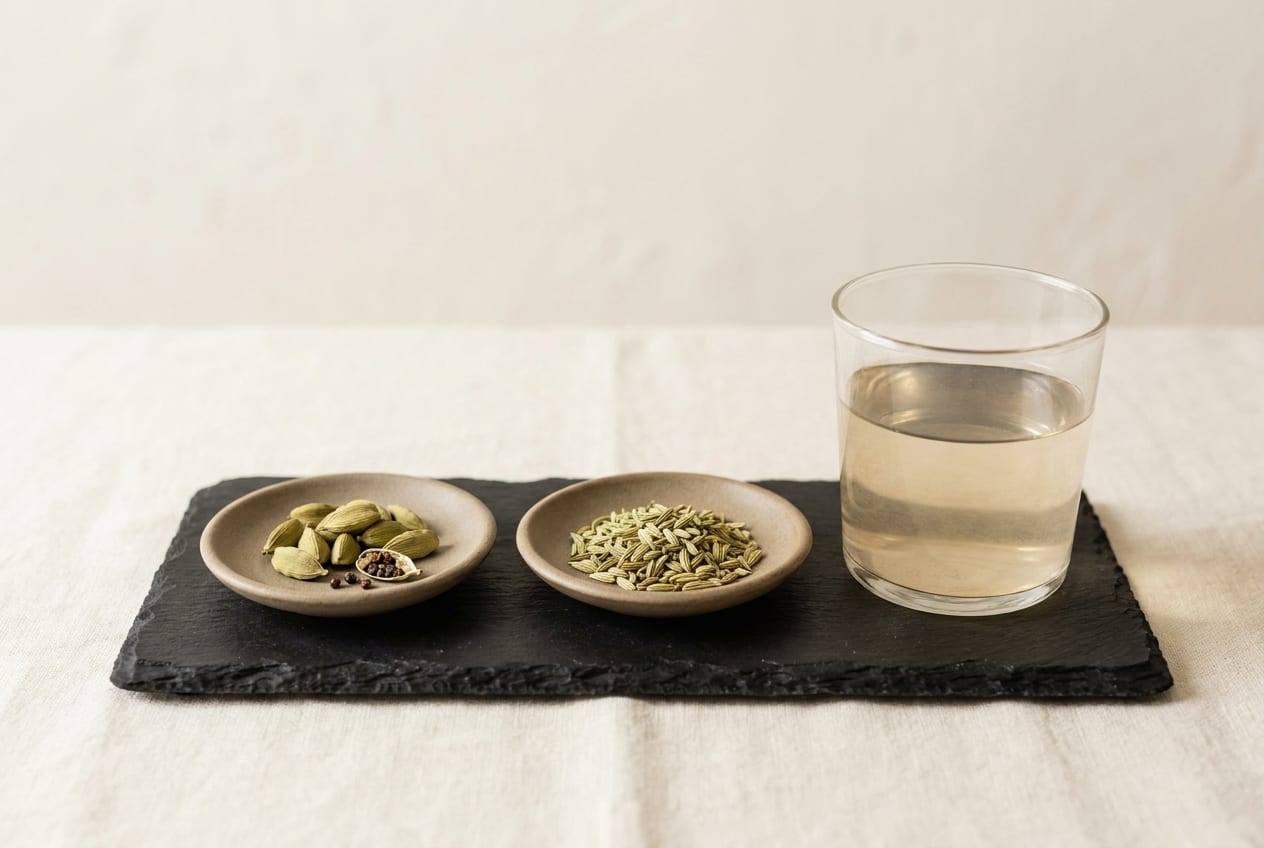
Cardamom for Digestion: Does It Actually Work?
Cardamom for bloating, indigestion and trapped wind — what the evidence really shows, how it compares with fennel, ginger and peppermint, how to take it, and when the symptom needs a doctor.
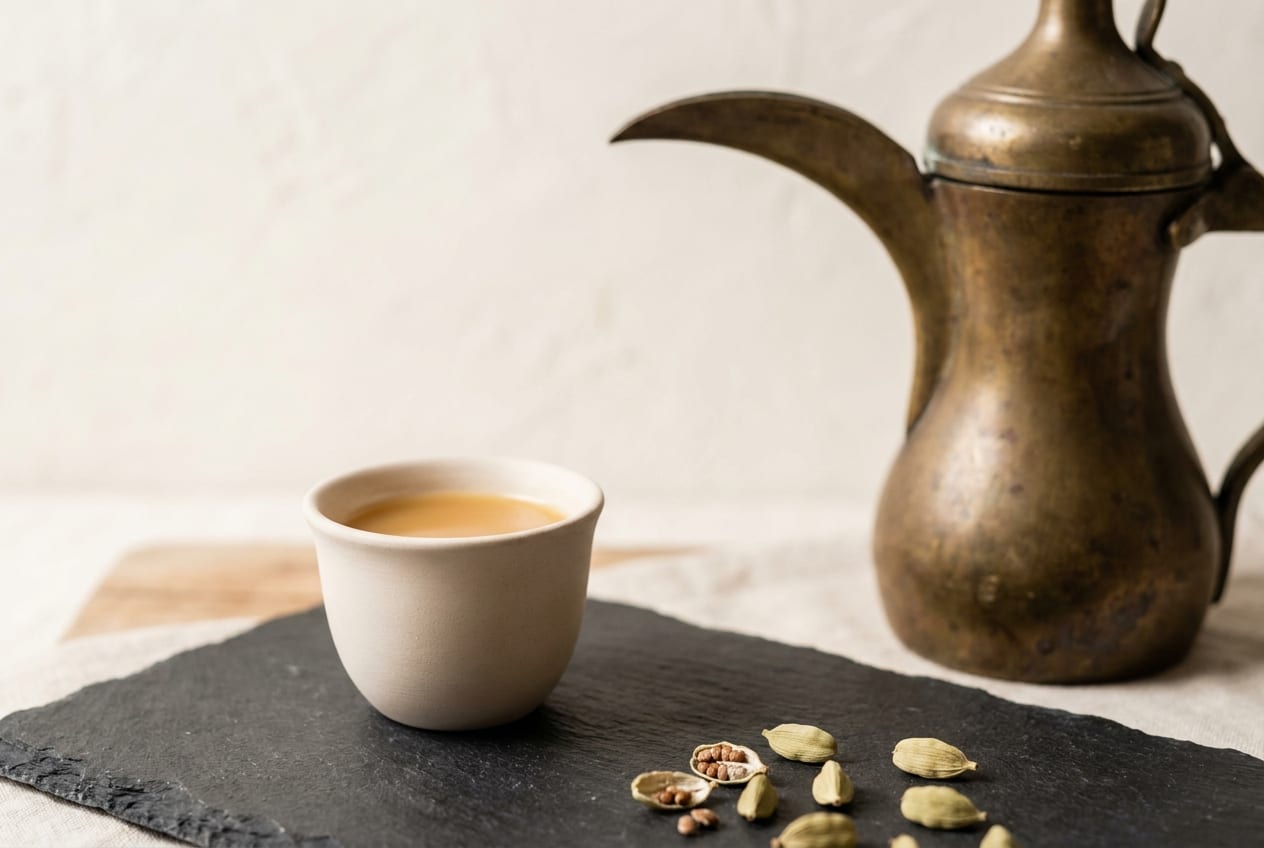
Cardamom in Coffee: The Tradition, and How to Do It Properly
Cardamom coffee explained — how Gulf qahwa and Scandinavian cardamom coffee differ, exactly how much to use in a filter, moka pot or espresso, and the mistakes that make it bitter.
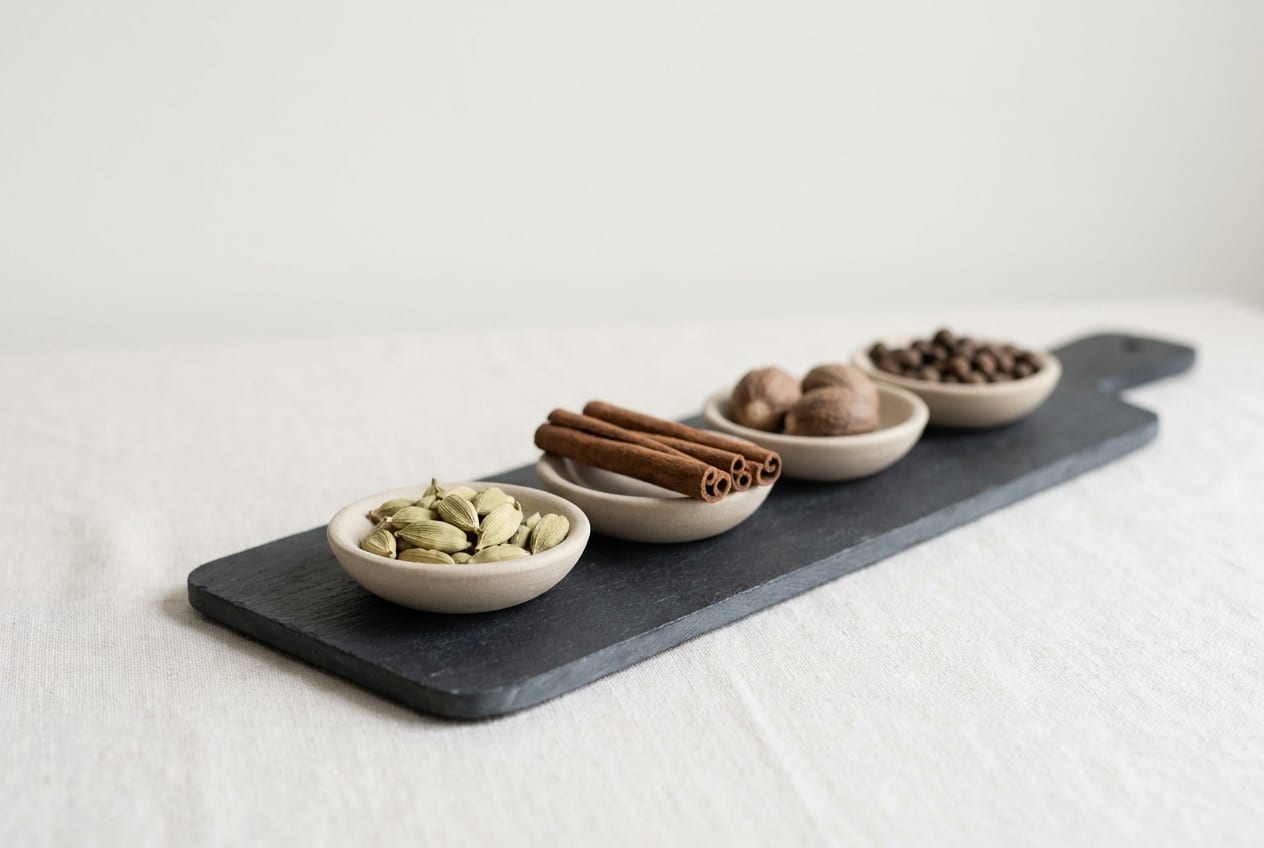
Cardamom Substitute: What to Use When You Have None
The best cardamom substitutes by dish — exact swap ratios for baking, curry, biryani, chai and coffee, what to use for black cardamom, and when to simply leave it out.