
Cinnamon
Which Cinnamon to Buy: Ceylon or Cassia, Sticks or Ground
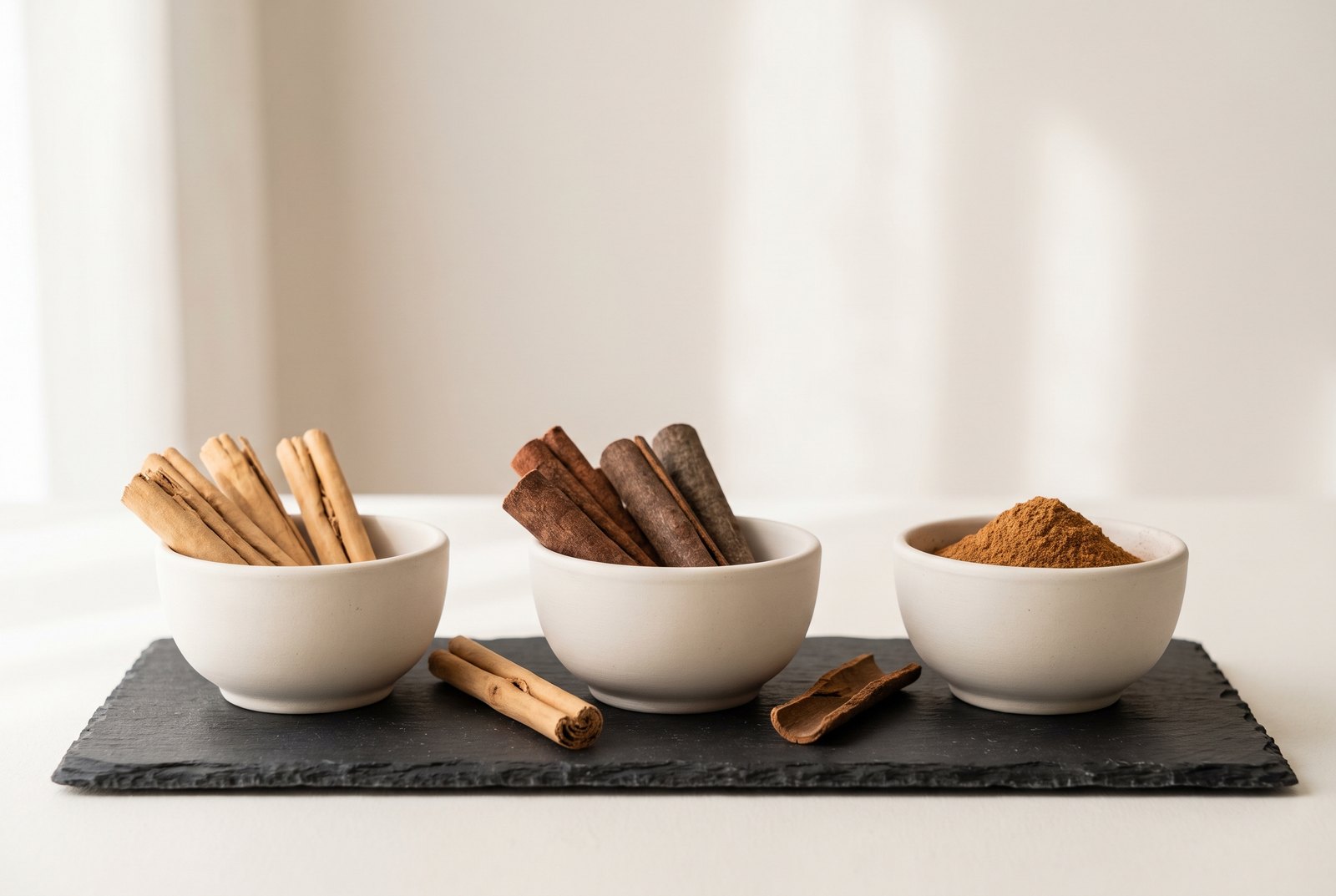
Quick answer
Buy Ceylon if cinnamon is a habit; buy cassia if it is a seasoning. For daily use — cinnamon tea, a spoon in coffee, the blood-sugar routine — Ceylon is the one worth paying for, because of coumarin. For baking and cooking, ordinary cassia is genuinely good and often better suited.
Buy sticks over powder where you can, because ground cinnamon is flat within six months. Ceylon sticks are soft enough to grind in a normal spice grinder, which is not true of cassia.
And check the label for one word: Ceylon, or Cinnamomum verum. If it is not there, you are buying cassia, whatever the picture on the front suggests.
Cinnamon is the easiest spice in the shop to buy badly, because the label is allowed to tell you less than you assume. Here is what to actually look at.
The label rule
American labelling permits cassia to be sold simply as cinnamon. So the absence of information is information.
“Cinnamon” — cassia. Every time.
“Ceylon cinnamon” or “Cinnamomum verum” or “true cinnamon” — the real thing, and a producer who paid more for it and wants you to know.
“Saigon cinnamon” or “Vietnamese cinnamon” — a cassia variety. The boldest of the group and excellent for baking, but coumarin-wise it sits with cassia, not against it.
“Organic cinnamon” — tells you about the farming, nothing about the species. Organic cassia is still cassia.
The one-line version: if the jar does not say Ceylon, it is not Ceylon.
Sticks or ground?
Sticks keep. A whole quill holds its aroma for a year or more, because the volatile oils that carry the flavour are still sealed inside intact bark. Ground cinnamon is noticeably weaker at six months and largely decorative at a year.
But grinding cassia is genuinely hard. A cassia stick is a single dense slab of bark and it will make an unhappy noise in a domestic spice grinder. Ceylon, being many thin fragile layers, grinds easily — you can crumble it by hand before it even reaches the blades.
So the practical answer splits:
- Buying Ceylon? Buy sticks. They grind, they keep, and the stick is also your proof of species.
- Buying cassia for baking? Buy ground. You will not grind those tubes and there is no shame in it.
- Buying cassia for simmering — mulled wine, stews, chai — buy sticks, because a hard tube survives hours in liquid and can be fished out whole.
How to spot real Ceylon
If you are buying online and the listing shows sticks, you can often verify before you order.
Look at the cut end. Ceylon is a tight roll of many paper-thin layers, like a small cigar. Cassia is one thick layer curled into a hollow tube with a visible gap in the middle.
Colour. Ceylon is pale tan. Cassia is dark reddish-brown. This is a supporting clue, not proof — lighting and photography make it unreliable on its own.
When it arrives, press one. Ceylon crumbles between finger and thumb. Cassia does not, and you will not break it without tools.
Powder gives you nothing to check, which is the honest argument for buying sticks at least once: it teaches you what you are supposed to be smelling.
What to expect to pay
Ceylon costs several times what supermarket cassia costs by weight, and that gap is real rather than a markup.
Ceylon is harvested from young shoots, the outer bark is scraped away by hand, and the thin inner bark is rolled into quills manually. Cassia is thicker bark taken in larger pieces with far less handling. The price is labour, exactly as it is with cardamom.
A suspiciously cheap “Ceylon” is the one thing to be wary of. If a listing undercuts the field substantially, go and look for the species name in the description. Very often it is absent.
The freshness test, which beats every other signal
Open the jar and smell it, before anything else.
Fresh cinnamon — either species — announces itself immediately. Cassia should smell hot and sweet and slightly aggressive. Ceylon should smell softer, sweeter, with a citrus edge behind it.
If you have to go looking for the smell, it is spent. No brand, grade or price protects against a jar that has been open for three years, and a great deal of disappointing cinnamon is simply old cinnamon.
Storage
Airtight, dark, cool, and not above the cooker — which is where almost everyone keeps spices and is the warmest, steamiest place in the kitchen.
Glass over plastic if you have the choice, since the volatile oils that make cinnamon worth owning will slowly work their way into plastic.
Do not refrigerate. Every time you take a cold jar into a warm room it collects condensation, and moisture is what turns ground spice into a clumped brick.
Sticks stored properly stay useful for years, though “useful” and “at their best” diverge after the first one.
Grades, and whether they matter
Ceylon cinnamon is graded by quill quality — Alba is the finest and thinnest, then descending grades through the C and M series that describe thickness and appearance rather than flavour.
For cooking, this matters much less than sellers imply. Grade largely describes how the quill looks and how neatly it was rolled. A lower grade from a recent harvest will out-perform a premium grade that has sat in a warehouse for two years.
Buy for freshness and species. Let the grade be a tiebreaker.
The shortlist
For a daily habit: Ceylon sticks, from a seller naming Sri Lanka and Cinnamomum verum, ground as you go.
For baking: Saigon or ordinary cassia, ground, bought in a size you will finish inside six months.
For simmering and mulling: cassia sticks, cheap, bought in bulk.
For someone who wants one jar for everything: Ceylon sticks plus a small jar of ground cassia. Between them they cover the whole range for about the price of one mid-range “premium” tin.
What that looks like in a basket. Sticks: 52USA whole Ceylon quills — a 4 oz bag, which is the size this page argues for rather than the pound bags most Ceylon is sold in. If you know you will not grind them, Simply Organic ground Ceylon is the honest alternative, bought small and replaced yearly. For baking: King Arthur Vietnamese cinnamon is a Saigon, ground — louder and cheaper than Ceylon, and the right answer for a cinnamon bun. As an Amazon Associate we may earn from qualifying purchases.
The bottom line
The word on the front of the jar is not the useful information. The species name is, and it is usually in smaller type or absent.
Buy sticks once, even if you normally buy powder, purely so you learn what genuine Ceylon looks and smells like. After that the label tells you everything you need in about two seconds.
If you are still deciding which bark you need, the full comparison covers taste and use, and the side effects guide covers the coumarin question that makes the choice matter.
Frequently asked questions
Which brand of Ceylon cinnamon is best?+
Brand matters less than three things on the label: the word Ceylon or Cinnamomum verum, a named origin of Sri Lanka, and a recent harvest or packing date. A cheap bag that names the species beats an expensive one that just says organic cinnamon. Buying sticks rather than powder also removes most of the room for a producer to cut corners.
Is it better to buy cinnamon sticks or ground cinnamon?+
Sticks, if you will realistically grind them. Ground cinnamon loses its aroma within about six months because the volatile oils escape once the bark is broken, while whole sticks hold up for a year or more. But ground cinnamon you actually use beats sticks you never touch, and Ceylon sticks are soft enough to grind in an ordinary spice grinder.
How can I tell if Ceylon cinnamon is genuine?+
Buy sticks and look at the cut end. Genuine Ceylon is many paper-thin layers rolled together like a cigar and crumbles under finger pressure. If a stick sold as Ceylon is a single thick hard tube, it is cassia. With powder you are trusting the label, so buy from a seller who names the species and the country.
How much should Ceylon cinnamon cost?+
Expect to pay noticeably more than supermarket cassia — several times more by weight is normal and not a rip-off, since Ceylon is harder to grow, harvest and process. If something is sold as Ceylon at cassia prices, that is the signal to check the species name on the label rather than a bargain.
How long does cinnamon last?+
Whole sticks keep their character for a year or more in an airtight jar away from light and heat, and stay usable well beyond that. Ground cinnamon is noticeably flat after six months. The test is your nose — if you have to hunt for the smell when you open the jar, it has nothing left to give a dish.
New: Google now lets you choose which sites it shows you first. One tap lifts our spice guides in your results — nobody else's — and you can undo it any time.
More on Cinnamon
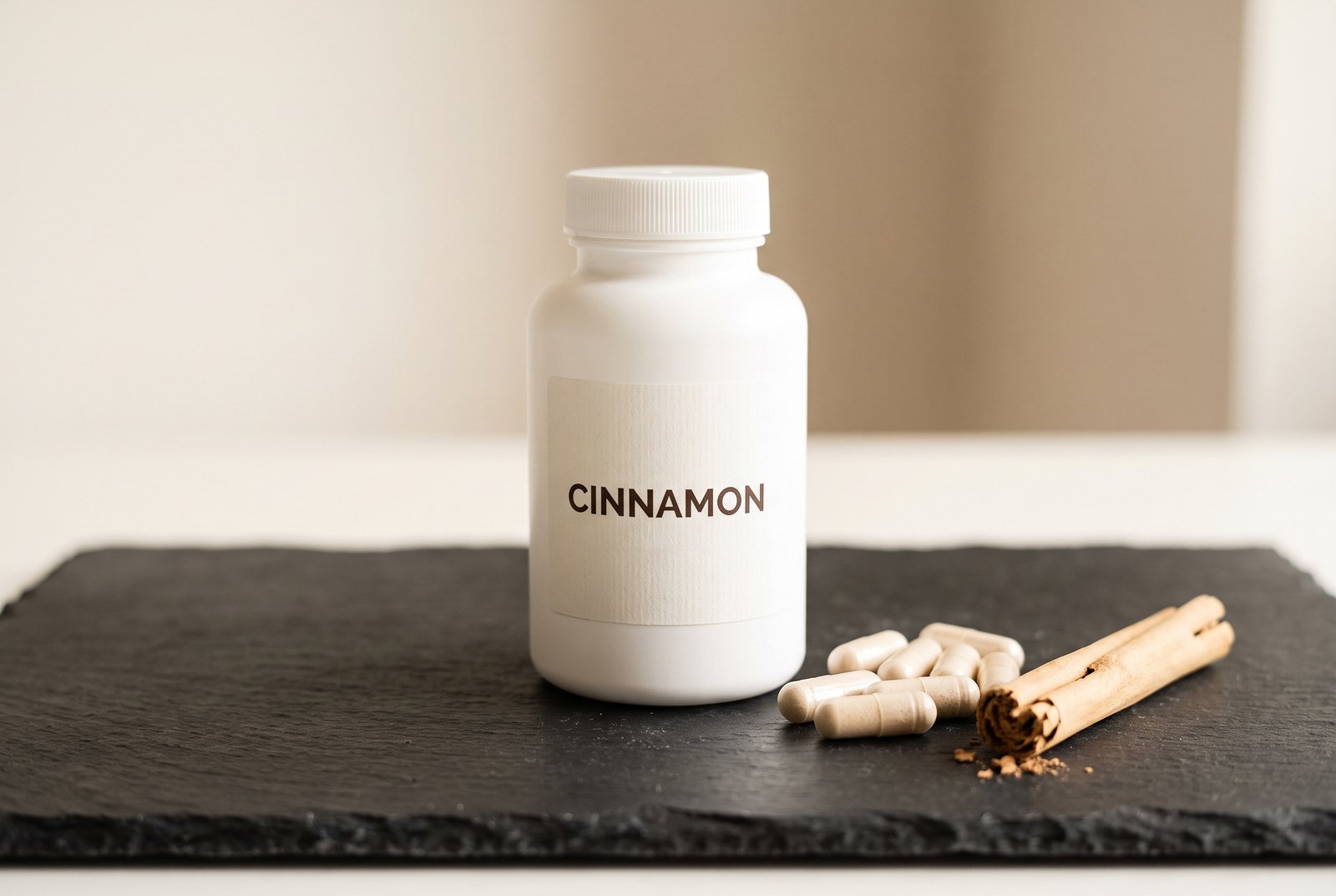
Ceylon Cinnamon Capsules: How to Read the Label Before You Buy
What to look for in a Ceylon cinnamon supplement — why the species on the label decides everything, extract versus whole bark, the fillers to avoid, third-party testing, and when capsules are the wrong answer entirely.
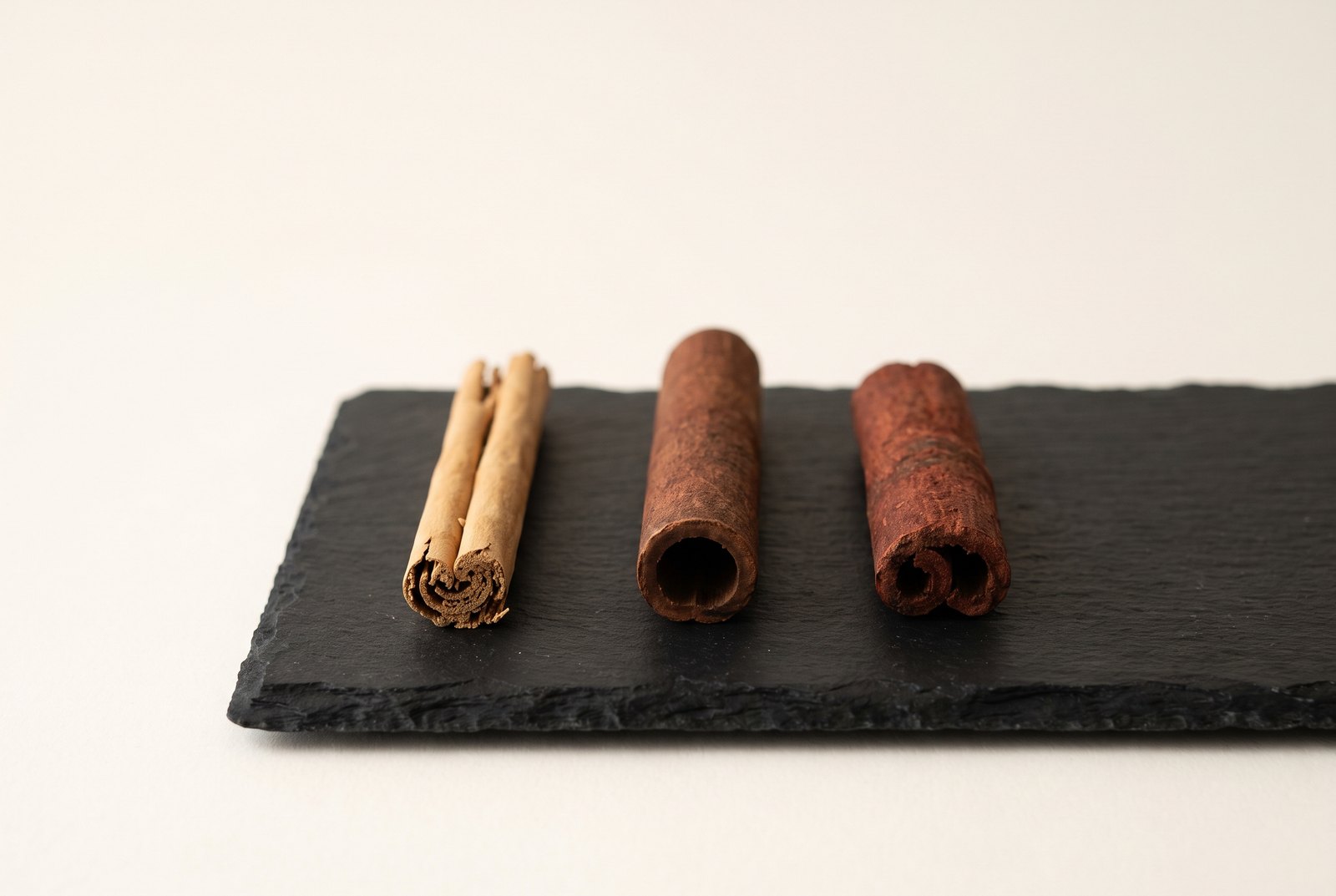
Ceylon vs Cassia vs Saigon Cinnamon: Which One Do You Have?
The three cinnamons compared — how Ceylon, cassia and Saigon differ in taste, appearance and coumarin content, how to tell them apart in the jar, and which one to use for what.
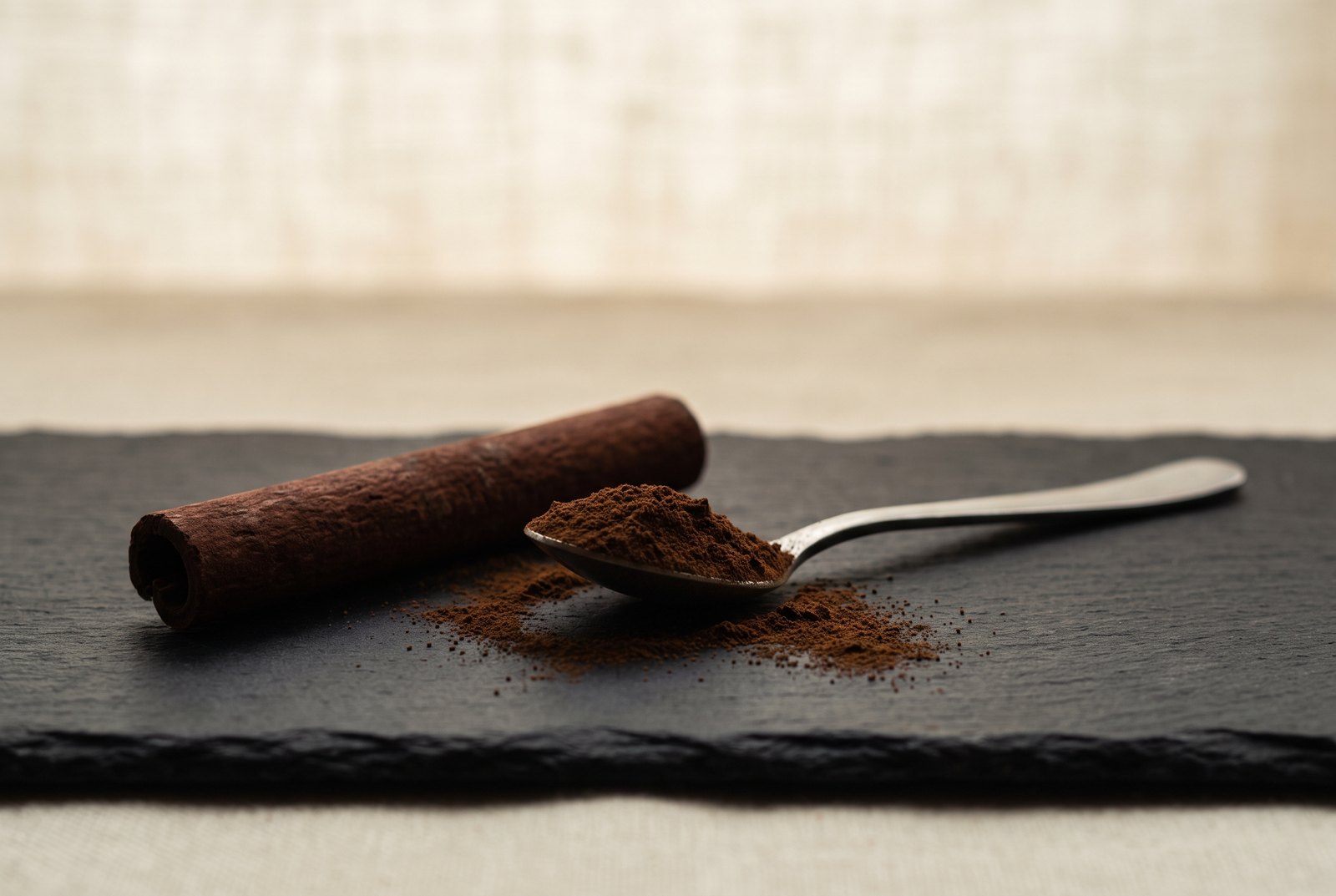
Cinnamon Side Effects: The Coumarin Problem Nobody Mentions
The real risks of cinnamon — what coumarin in cassia does to the liver, why the daily-spoonful habit is the pattern that matters, mouth and medicine interactions, and who should avoid it.