
Cinnamon
Ceylon vs Cassia vs Saigon Cinnamon: Which One Do You Have?
Quick answer
Three barks, one word. Ceylon (Cinnamomum verum) is the pale, fragile, many-layered one — delicate, faintly citrusy, and almost free of coumarin. Cassia is the dark red single-tube one that fills most supermarket jars — strong, hot, cheap, and high in coumarin. Saigon is a cassia variety, the boldest and sweetest of the three, beloved by bakers and higher in coumarin still.
For flavour, pick by dish: Ceylon for delicate work, Saigon for bakes that need to shout, cassia for everything in between. For health, there is only one answer, and it is Ceylon — not because it adds anything, but because it leaves something out.
Cinnamon is the only spice on the shelf where the word on the jar does not tell you what is inside.
That is not a conspiracy. In the United States, cassia is legally cinnamon, and has been for as long as anyone has been buying it. But it does mean that most people who have cooked with cinnamon all their lives have never tasted Cinnamomum verum, and are surprised by it when they do.
The three, side by side
| Ceylon | Cassia | Saigon | |
|---|---|---|---|
| Species | C. verum | C. cassia | C. loureiroi |
| Also called | True cinnamon | Chinese cinnamon | Vietnamese cinnamon |
| Grown in | Sri Lanka | China, Indonesia | Vietnam |
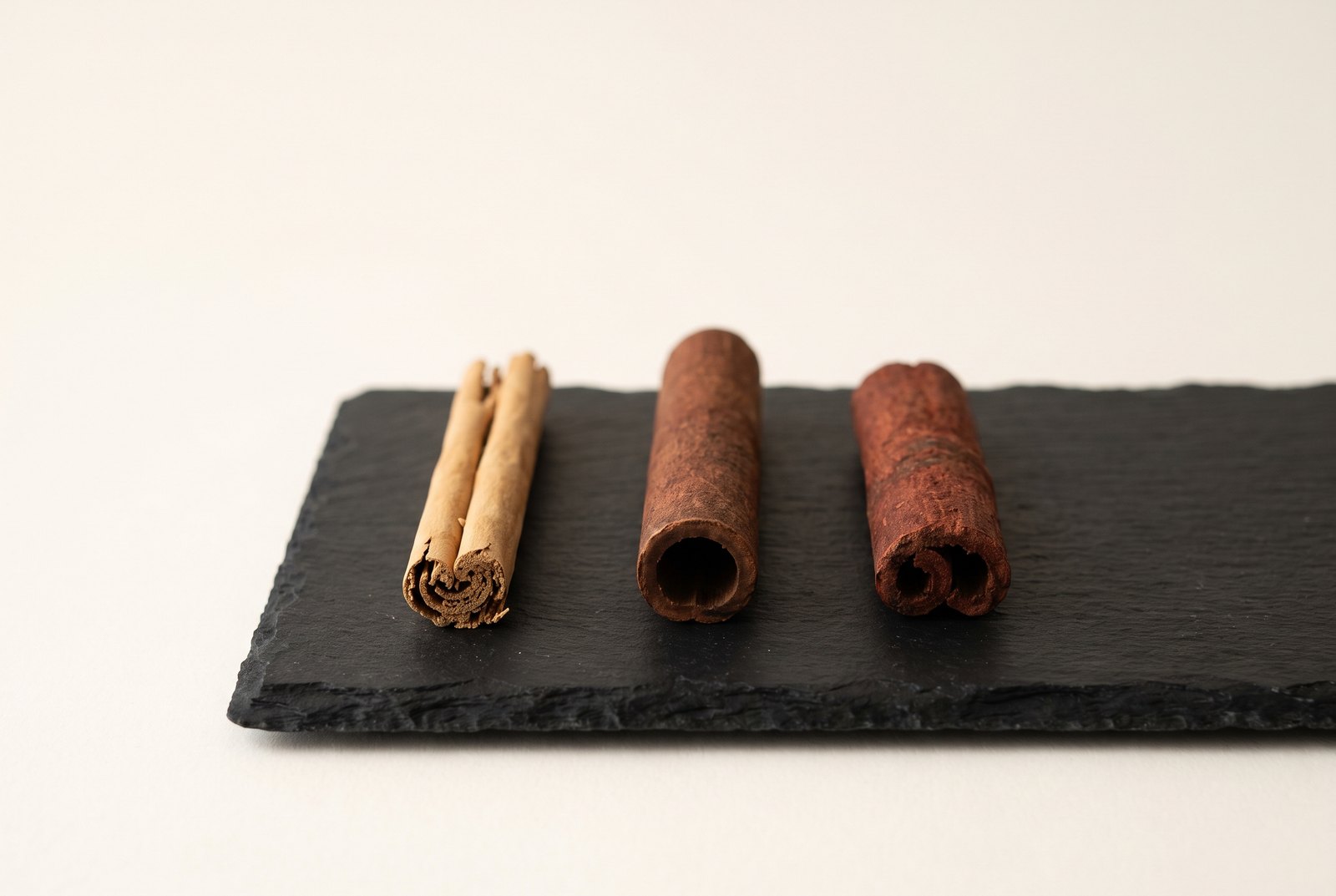
| Stick | Many thin layers, cigar-like | One thick hollow tube | Short, thick, rough |
| Colour | Pale tan | Dark reddish-brown | Deep red-brown |
| Snaps by hand? | Crumbles easily | No | No |
| Flavour | Delicate, sweet, citrus notes | Strong, hot, astringent | Boldest and sweetest |
| Coumarin | Traces | High | High to very high |
| Price | Highest | Lowest | Middle |
The stick test, which takes two seconds
If you own sticks rather than powder, you already have the answer in the cupboard.
Look at the cut end. Ceylon is built like a rolled cigar — many paper-thin layers of soft inner bark wound together. Press it and it crushes. You can crumble a Ceylon quill into your palm.
Cassia and Saigon are one piece. A single thick slab of bark curled into a hollow tube, hard enough that you will not break it with your fingers and will struggle with a knife. It is why cassia sticks survive a long simmer intact and Ceylon sticks fall apart in one.
The shortcut: if you can crumble it, it is Ceylon. If it fights back, it is cassia.
Ground cinnamon gives you nothing to look at. Colour is unreliable — grind is coarser or finer, batches vary — so the label is your only evidence. And the label rule is simple: a producer who paid for Ceylon will tell you. If the jar says only “cinnamon”, it is cassia.
Coumarin, and why anyone brings it up
Coumarin is a naturally occurring compound in cassia bark. In large, sustained amounts it stresses the liver, and European food-safety bodies have set a tolerable daily intake for it.
Two facts sit next to each other here and both are true.
A sprinkle of cassia on toast is not a health problem. Nobody has ever been harmed by cinnamon on a bun. The tolerable intake is a daily-over-a-lifetime figure, not a poisoning threshold.
A daily spoonful is a different question. Cinnamon is unusual among spices in that people take it deliberately, every day, in far larger amounts than cooking calls for, because they have read it helps their blood sugar. That habit — not baking — is where cassia’s coumarin becomes worth thinking about.
Ceylon’s coumarin content is a small fraction of cassia’s. It is the whole practical reason the distinction exists outside a spice merchant’s catalogue.
We do not publish a personal limit for anyone; that belongs to the label on your jar and to a pharmacist who knows what else you take. But the structural answer is easy, and it is not “eat less cinnamon”. It is change which cinnamon.
Which to use for what
Ceylon — delicate work, and daily habits
Rice puddings, custards, poached fruit, light bakes, anything where cinnamon is a perfume rather than a hammer. Sri Lankan curry, where it is a savoury backbone. And every daily-spoonful use, for the reason above.
Ceylon’s fragility is a feature: it grinds beautifully and dissolves into a dish rather than sitting in it.
If you want to run the stick test yourself, 52USA whole Ceylon quills are the pale many-layered kind described above — the cut end is the proof. As an Amazon Associate we may earn from qualifying purchases.
Saigon — bakes that need to be loud
Cinnamon rolls, snickerdoodles, coffee cake, apple pie. Saigon carries the most cinnamaldehyde of the three, which is the compound doing the heavy sweet-hot lifting, so it reads as the most cinnamon-y cinnamon. If you have ever wondered why a bakery’s cinnamon buns taste more intense than yours, this is often why.
Cassia — the default, and a fine one
Everything else. Mulled wine, stewed apple, chai, tagine, garam masala, the pinch in chilli. Cassia’s strength is an advantage in a crowded pot, and its hard sticks hold up through hours of simmering without shredding.
The taste difference is real, and it surprises people
Cooks who switch to Ceylon expecting “cinnamon but better” often find it underwhelming at first. It is quieter. The heat is gone, the astringency is gone, and what is left is floral and slightly citrus.
If you swap Ceylon into a recipe written for cassia, use a little more, and expect a rounder, softer result rather than a sharper one. Going the other way, cut cassia back — a Saigon-for-Ceylon straight swap in a milk pudding will bulldoze it.
What this changes about the health claims
Almost every cinnamon health claim you have read was studied using cassia, because that is what is cheap and available to researchers, and because the trials mostly originate where cassia is the local spice.
That produces an awkward situation nobody advertises: the cinnamon with the best evidence behind its blood-sugar effect is also the one with the coumarin problem, and the cinnamon that is safe to take daily is the one that has been studied least.
It is a genuine gap rather than a scandal, and it is worth knowing before you build a habit on a headline. Our guide to cinnamon’s side effects goes through what is established and what is not.
The bottom line
You almost certainly own cassia. That is fine, and for cooking it is often the better choice.
Buy Ceylon when the dish is delicate enough to notice, or when cinnamon has stopped being a seasoning and become a habit. If you are not sure which you have, go and look at the end of a stick — and if it is powder, go and read the label, where the absence of the word Ceylon is itself the answer.
For grades, forms and what to actually put in the basket, see which cinnamon to buy.
Frequently asked questions
What is the difference between Ceylon and cassia cinnamon?+
They come from different trees. Ceylon (Cinnamomum verum) is pale tan, built from many paper-thin layers rolled together, and tastes delicate and faintly citrusy. Cassia is dark reddish-brown, a single thick hollow tube, and tastes strong and hot. The difference that matters beyond flavour is coumarin — cassia carries a lot, Ceylon carries traces.
Which cinnamon is healthiest?+
Ceylon, and the reason is subtraction rather than addition. It does not contain more of anything good; it contains far less coumarin, the compound that stresses the liver at high intakes. If you use cinnamon occasionally in cooking, any of the three is fine. If you take it daily by the spoonful, Ceylon is the one that removes the question.
Is Saigon cinnamon the same as cassia?+
Saigon cinnamon is a type of cassia — Cinnamomum loureiroi, sometimes called Vietnamese cinnamon. It is the strongest and sweetest of the group, with the highest cinnamaldehyde content, which is why bakers love it. It also carries coumarin at cassia levels or higher, so it is a flavour choice, not a health one.
How can I tell Ceylon cinnamon from cassia?+
Look at the end of the stick. Ceylon is many fragile layers rolled together like a cigar and crumbles when you press it. Cassia is one thick, hard, hollow tube that you cannot snap by hand. Ground cinnamon gives you no such clue, so read the label — if it says only 'cinnamon' with no origin named, it is almost certainly cassia.
Is the cinnamon in supermarkets Ceylon or cassia?+
In the United States, almost always cassia. US labelling permits cassia to be sold simply as cinnamon, and cassia is cheaper to grow and harvest, so it is what fills the standard jar. Producers who pay for Ceylon say so on the front of the label, because it costs them more.
New: Google now lets you choose which sites it shows you first. One tap lifts our spice guides in your results — nobody else's — and you can undo it any time.
More on Cinnamon
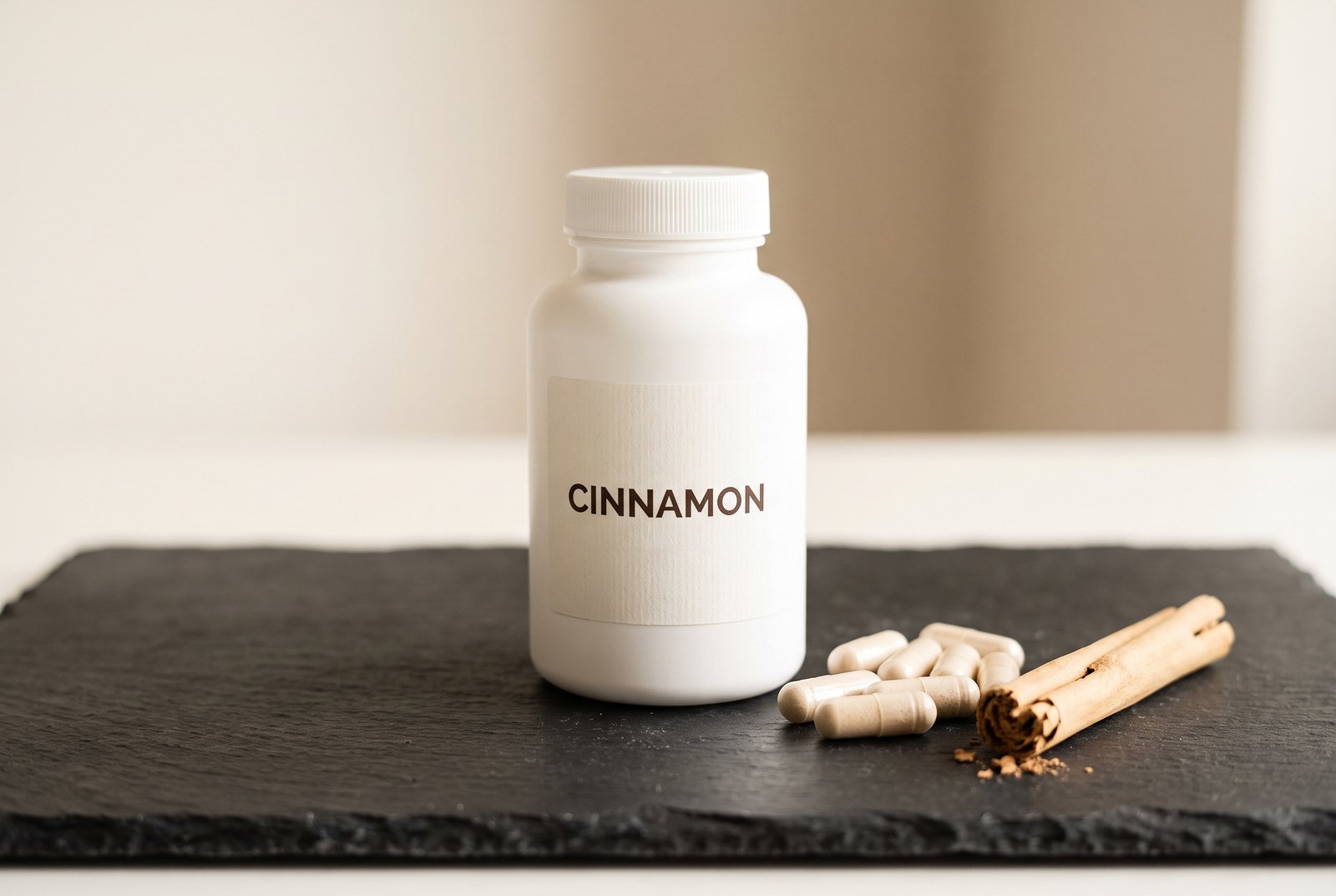
Ceylon Cinnamon Capsules: How to Read the Label Before You Buy
What to look for in a Ceylon cinnamon supplement — why the species on the label decides everything, extract versus whole bark, the fillers to avoid, third-party testing, and when capsules are the wrong answer entirely.
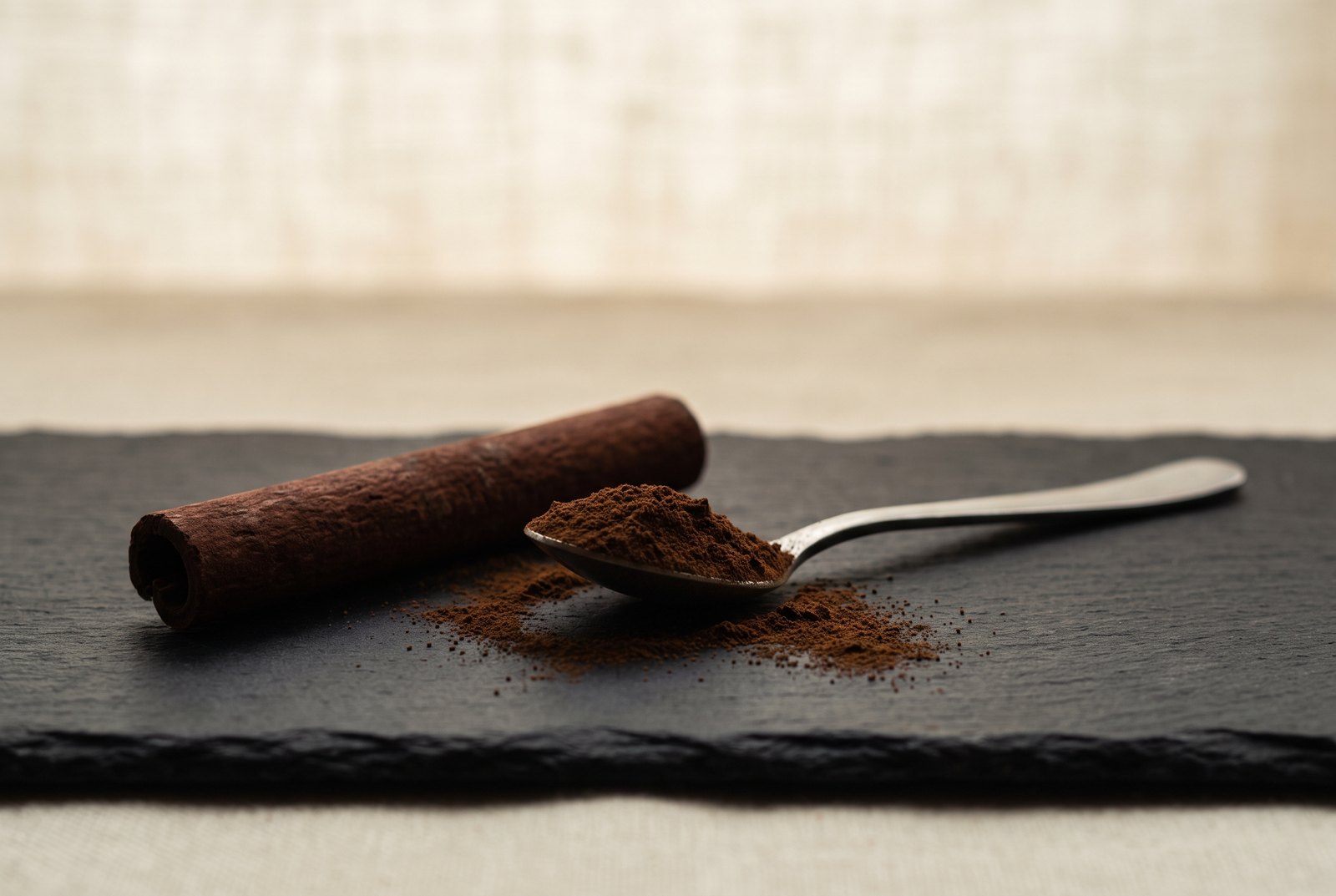
Cinnamon Side Effects: The Coumarin Problem Nobody Mentions
The real risks of cinnamon — what coumarin in cassia does to the liver, why the daily-spoonful habit is the pattern that matters, mouth and medicine interactions, and who should avoid it.
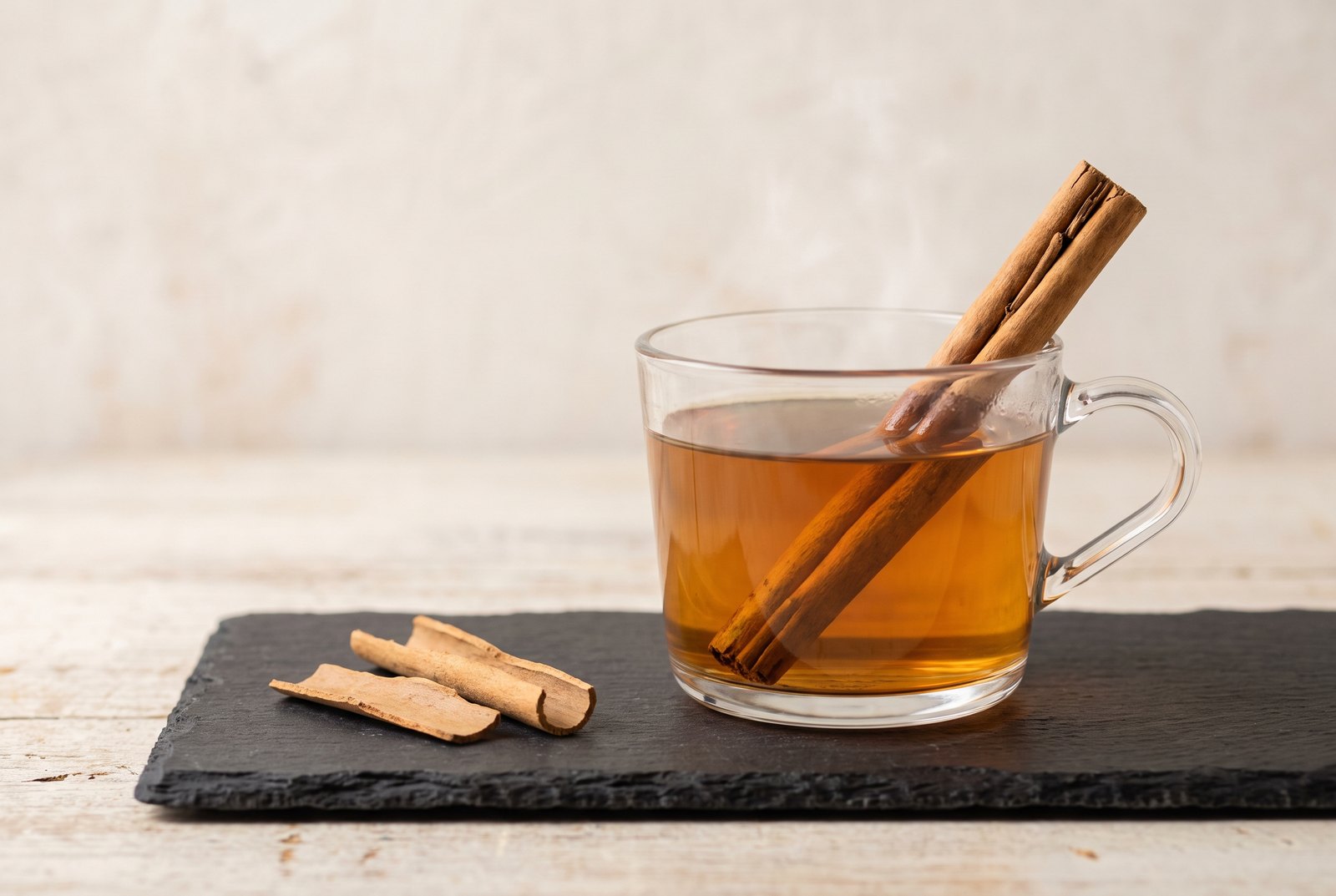
Cinnamon Tea Benefits: What It Does, and How to Make It Properly
What cinnamon tea actually does — the blood sugar evidence read honestly, why the stick you use changes the answer, how to brew it so it tastes of something, and who should be careful.