
Cinnamon
Ceylon Cinnamon Capsules: How to Read the Label Before You Buy
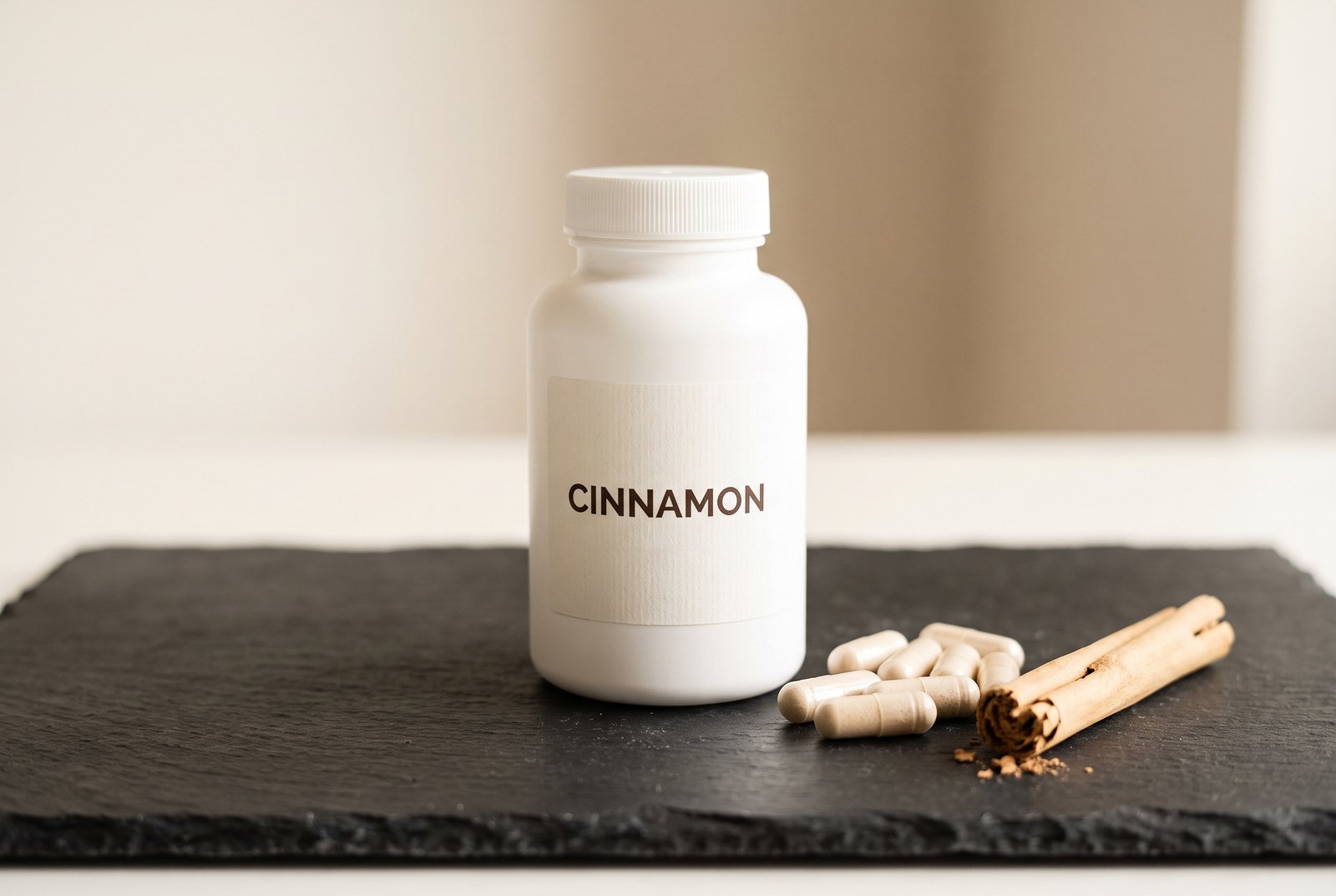
Quick answer
If you buy one thing from this page, buy the species. A capsule labelled only “cinnamon” is almost certainly cassia, which carries coumarin — and a daily capsule is precisely the sustained pattern where coumarin matters. The bottle must say Ceylon or Cinnamomum verum.
After that, in order: a named origin, whether it is whole bark or extract, and third-party testing with a certificate you can actually find.
And one honest caveat before the rest: for most people the spice itself is the better buy. Capsules are a convenience format, not a stronger medicine.
Cinnamon supplements are a large, loosely regulated category built on one modest clinical finding. That combination produces a lot of bottles and not much labelling discipline, so knowing what to look at is worth more here than a brand recommendation.
Why the species is the whole game
Cinnamon capsules exist mostly because people want cinnamon’s blood sugar effect without eating spoonfuls of bark.
That means daily use, indefinitely — which is the one pattern where the coumarin in cassia genuinely accumulates. A person taking cassia capsules every day for a year is running exactly the exposure the tolerable-daily-intake figures were written about.
Ceylon contains only traces of coumarin. It is not that Ceylon capsules add something; it is that they leave the problem out.
So the hierarchy is simple. Species first, everything else second. A cheap bottle that says Cinnamomum verum beats an expensive one that says “premium cinnamon complex”.
The side effects guide covers the coumarin question in full, and it sells nothing.
The four things on the label that matter
1. Species — non-negotiable
Look for Ceylon, Cinnamomum verum, or true cinnamon. Anywhere on the bottle.
Absent? It is cassia. Producers who pay for Ceylon advertise it, because it costs them more.
Watch for the near-miss: “Ceylon blend” or “cinnamon (including Ceylon)” means it is mostly not Ceylon.
2. Origin
Sri Lanka is where C. verum is grown, and a producer confident in their supply chain names the country. It is a soft signal rather than a hard rule — but the bottles that name it are consistently the ones that also get the rest right.
3. Whole bark or extract
Whole bark powder is the ground spice in a capsule. It is what almost all the trials used, so it is the format with the evidence behind it.
Concentrated extracts are stated as a ratio — 10:1 and so on — and deliver more active compound per capsule. There is no good clinical reason to prefer them for cinnamon, and a ratio on the front makes comparing bottles harder rather than easier.
Prefer whole bark. It is the studied form, it is cheaper, and the number on the label means what it appears to mean.
Now the honest complication: you may not be able to find one. Whole-bark Ceylon capsules are thinly stocked. Search the large online retailers and most of what comes back is an extract, because a ratio on the front sells better than a plain milligram figure. This is a fact about the market rather than a warning about any one brand.
So if an extract is what is actually available to you, judge it on the other three tests and on one more: the ratio must be printed. A bottle that says “bark extract” and stops there has told you nothing about strength — you cannot compare it to anything, including itself from batch to batch. A stated 10:1 or 20:1 is a manufacturer willing to be measured. An unstated one is not.
A worked example, not a recommendation: Zazzee organic Ceylon cinnamon gets three of the four label tests right — it names Cinnamomum verum, names Sri Lanka, and is certified organic. It is also a 20:1 extract, which is the format this section has just argued against. That is what a good label on the wrong format looks like, and it is a useful thing to be able to recognise. As an Amazon Associate we may earn from qualifying purchases.
4. Third-party testing
The useful version of this is a certificate of analysis you can actually retrieve — a batch number on the bottle that pulls up a document. “Lab tested” printed on a label is a claim, not evidence.
For cinnamon specifically, testing matters for two reasons beyond the usual: confirming the species is what it says, and screening for heavy metals, since bark accumulates what is in the soil.
The things to ignore
Milligram counts on the front. A bigger number is not better, and comparing 1200 mg of cassia against 500 mg of Ceylon is comparing the wrong axis entirely.
“Proprietary blend”. If cinnamon is mixed with chromium, berberine, banaba leaf and six other things under one blend weight, you cannot tell how much cinnamon you are getting. That is the point of the format.
“Clinically proven”. No cinnamon supplement is clinically proven to do anything. Some ingredients in some of them have been studied, which is a very different sentence.
Gummies. Cinnamon gummies exist, and they are a sugar delivery system aimed at people managing blood sugar. The irony is not subtle.
Capsules versus the spice
Worth being straight about, because we sell books rather than pills and have no reason to push you either way.
Reasons to use the spice instead. It is far cheaper. It tastes good. There is no mislabelling risk, because you can look at a stick and see what it is. And cinnamon tea or a spoonful in porridge is a pleasanter daily habit than swallowing a capsule.
Reasons capsules make sense. You want a consistent amount without measuring bark every morning. You dislike the taste. You are travelling. Or you have tried the spice and simply will not keep it up.
Neither is stronger than the other in any meaningful sense. A capsule is ground cinnamon in a shell.
What the evidence supports, honestly
Human trials of cinnamon against fasting blood glucose show a small average reduction, with a lot of disagreement between studies.
Three caveats travel with that, and they belong on a page like this one:
Most of the work used cassia, because it is what was cheap and local to the researchers. So the format with the better evidence is the one with the coumarin problem — a real gap, not a scandal.
The effect is modest. It is a nudge, not management of a condition.
It is not a replacement for medication. If you take something for blood sugar, cinnamon points in the same direction as your prescription, and that is a reason to tell your prescriber rather than a reason to stop either.
On dose
We do not publish one, and we will not.
The right amount depends on your weight, your liver, your medication and which species is in the bottle. Any number a website gives you is a guess dressed as advice.
Follow the label on the product you buy, and ask a pharmacist — especially if you take diabetes medication, a blood thinner, or anything hard on the liver. If you have surgery coming up, standard advice is to stop supplements two weeks ahead.
The bottom line
Buy on the species. Ceylon or Cinnamomum verum, named origin, whole bark rather than extract, and a certificate of analysis you can find.
Then ask yourself whether you would rather have the tea. For a lot of people the honest answer is yes, and it costs a fraction as much — which cinnamon to buy covers that side.
Frequently asked questions
Are Ceylon cinnamon capsules better than cassia capsules?+
For anything taken daily, yes, and it is the single most important thing on the label. Cassia carries coumarin, which stresses the liver at sustained intake, and a capsule habit is exactly the sustained pattern that matters. Many capsules sold simply as cinnamon are cassia. If the bottle does not say Ceylon or Cinnamomum verum, assume it is not.
What should I look for on a cinnamon capsule label?+
Four things: the species named as Ceylon or Cinnamomum verum, the country of origin, whether it is whole bark powder or a concentrated extract, and evidence of third-party testing. A bottle that names the species and shows a certificate of analysis is worth more than a bigger number on the front.
How much Ceylon cinnamon should I take?+
We do not publish a dose. The right amount depends on your health, your weight and everything else you take, and a website that hands out a number is guessing. Follow the label on the bottle you buy and ask a pharmacist, particularly if you take diabetes or blood-thinning medication.
Do cinnamon capsules actually work for blood sugar?+
Trials show a small average reduction in fasting glucose, with wide variation between studies, and most of that work used cassia rather than Ceylon. It is a real but modest effect and it is not a substitute for medication. Treat capsules as a possible small nudge, not as treatment for a diagnosed condition.
Is it better to take capsules or just use the spice?+
For most people, the spice. Cinnamon is pleasant to eat, cheaper by far, and carries no risk of a mislabelled bottle. Capsules make sense when you want a consistent daily amount without eating spoonfuls of bark, or you dislike the taste. They are a convenience format, not a stronger medicine.
New: Google now lets you choose which sites it shows you first. One tap lifts our spice guides in your results — nobody else's — and you can undo it any time.
More on Cinnamon
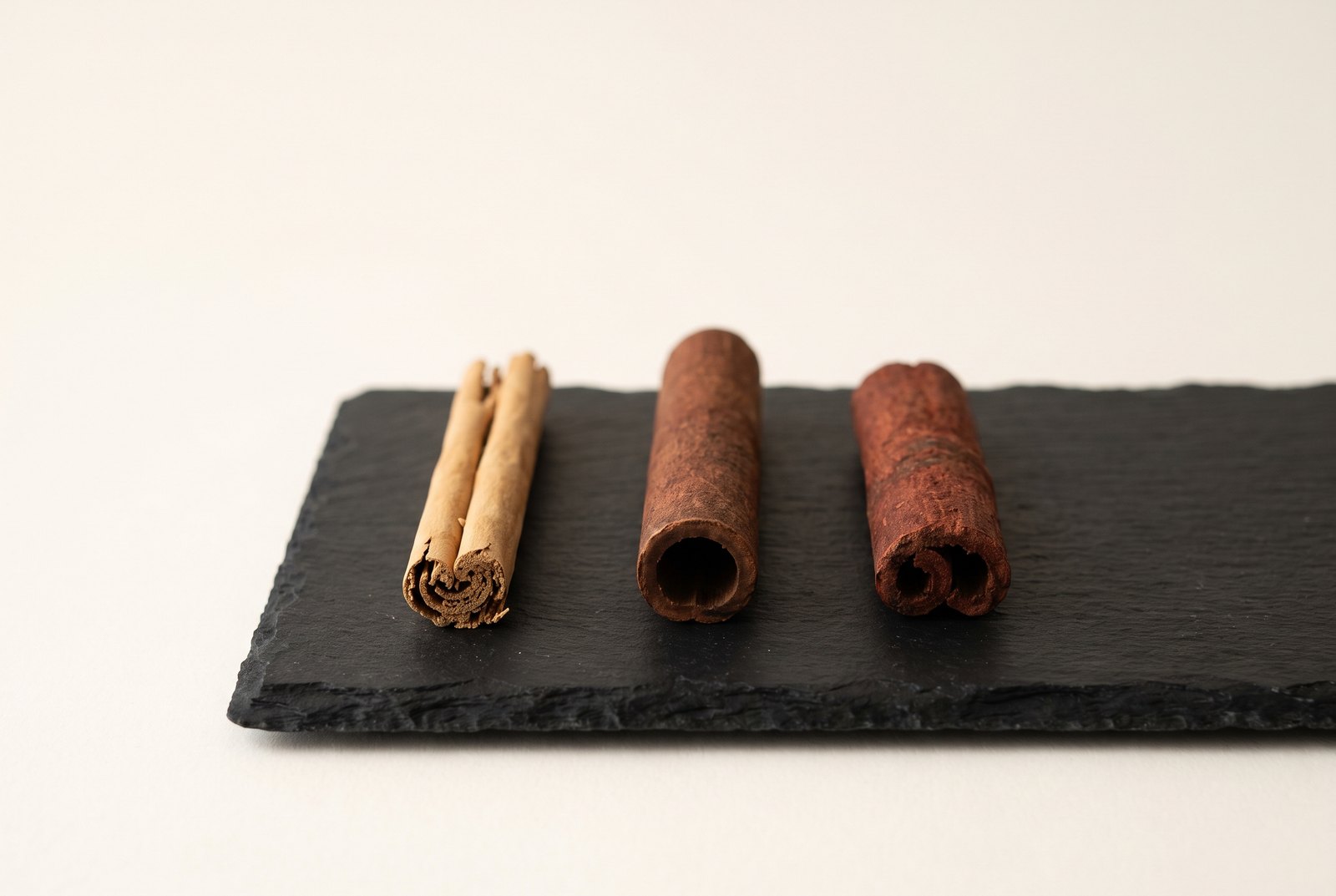
Ceylon vs Cassia vs Saigon Cinnamon: Which One Do You Have?
The three cinnamons compared — how Ceylon, cassia and Saigon differ in taste, appearance and coumarin content, how to tell them apart in the jar, and which one to use for what.
Cinnamon Side Effects: The Coumarin Problem Nobody Mentions
The real risks of cinnamon — what coumarin in cassia does to the liver, why the daily-spoonful habit is the pattern that matters, mouth and medicine interactions, and who should avoid it.
Cinnamon Tea Benefits: What It Does, and How to Make It Properly
What cinnamon tea actually does — the blood sugar evidence read honestly, why the stick you use changes the answer, how to brew it so it tastes of something, and who should be careful.