
Clove
Clove Benefits for Women and Men: Separating the Claims from the Evidence
Quick answer
Clove’s real benefits are not sex-specific, and the ones sold as sex-specific are not real. The honest position: clove has a genuine, well-supported use for dental pain and bad breath, a plausible one for digestive comfort, and no human evidence at all for hormones, periods, fertility, testosterone or hair growth — the four claims that dominate search results for both women and men. The one caution that genuinely differs by sex runs opposite to the marketing: clove has a mild blood-thinning effect, which argues for less if your periods are heavy, not more.
Search “clove benefits for women” and you will be told clove balances hormones, regulates periods and helps you conceive. Search “clove benefits for men” and the same spice is now raising testosterone and improving stamina.
A spice that does opposite things to two groups of people, with no trial behind either, is telling you something about the marketing rather than about the plant. Here is what is actually known.
What clove genuinely does, for anybody
These are the same three things whoever is eating it, and they are worth stating first because they are the honest reason to have cloves in the house.
- Tooth and gum pain. Eugenol, clove’s main compound, is a real local anaesthetic and antiseptic. Dentistry adopted it and still uses it in temporary dressings. This is clove’s one established benefit — see our clove oil for toothache guide for how to use it without burning tissue.
- Bad breath. Clove kills several of the mouth bacteria that make the sulphur compounds you can smell. A genuine short-term fix, not a cure for the cause.
- Digestive comfort. Traditional across many cuisines, thinly tested, harmless to try. Plausible rather than proven.
Nothing about any of those changes based on who you are.
The claims aimed at women
Hormone balance — no evidence
“Hormone balancing” is not a measurable clinical outcome, which is part of why the claim survives — nothing can disprove a phrase that means nothing specific. No human study has measured any hormone in anyone drinking clove water or eating cloves. The animal work people cite used concentrated extracts at doses far beyond food.
Periods and cycle regulation — no evidence, and possibly backwards
Untested. And the one relevant piece of pharmacology points the other way: eugenol has a mild antiplatelet effect, meaning it slightly reduces clotting. If your periods are already heavy, that is a reason for moderation. It is the only genuinely sex-specific point on this page, and the trend never mentions it.
Fertility — no evidence
No human trials exist. Rodent fertility studies are the source of most of these claims, and animal reproductive results have a particularly poor record of transferring to people. If you are trying to conceive, this is a conversation for a clinician.
Skin and glow — traditional, unevidenced, mildly risky
Drinking clove water has no demonstrated effect on skin. Cooled clove water used topically has a plausible antibacterial rationale, a long tradition, no dermatology-grade testing, and a real risk of irritation, because clove is a recognised contact irritant. Dilute it, patch-test, and keep it away from your eyes. More on the topical version in our clove water guide.
Hair growth — no evidence
Clove rinses are a genuine tradition and the “healthier scalp through fewer bacteria” reasoning is at least coherent. But no study has shown clove grows hair, and an undiluted clove rinse is considerably more likely to give you an irritated scalp than a new hairline.
The claims aimed at men
Testosterone — no evidence
Not measured in a single human trial. The claim traces back to rodent studies using clove extract at concentrations no food approaches, and it has been repeated so often it now appears as settled fact on pages that cite nothing at all.
Stamina and libido — no evidence
Same origin, same problem. Clove is warming and aromatic and has a long history as a general tonic in several traditions, which is a reasonable thing to say about it. It is not the same as a demonstrated effect.
Sperm quality — no evidence in people
Animal studies again. Worth repeating: animal reproductive results transfer to humans poorly, and this specific literature is small and inconsistent even within animals.
Why the same spice gets sold two ways
It is worth understanding the pattern, because it will save you from the next spice trend too.
Clove has a small number of real, unglamorous benefits and an enormous amount of laboratory data — because eugenol is easy to study in a dish and does interesting things there. That laboratory data can be pointed at almost any organ. So it gets pointed at whichever organ the audience is worried about, and the same handful of rodent papers becomes a hormone claim for one audience and a testosterone claim for another.
The test that cuts through it every time: did anyone give clove to people and measure the thing being claimed? For dental pain, yes. For everything on this page’s two lists, no.
If you want cloves for the uses that are actually supported — a toothache, fresher breath, a decent cup after a heavy meal — buy them whole and buy them fresh. Ground clove is stale within months. → True Organic Ceylon whole cloves. As an Amazon Associate we may earn from qualifying purchases.
Safety, and the one real sex-specific caution
- Never swallow clove oil. It is a concentrate, it has caused liver injury and seizures, and the reported poisonings are overwhelmingly in children. Whole cloves in food or water are a different thing entirely.
- Heavy periods. Eugenol’s mild antiplatelet effect is a reason to keep clove at food amounts. This is the genuine sex-specific point, and it argues for restraint.
- Blood thinners and surgery. Same mechanism. On warfarin, apixaban or similar, mention a daily clove habit to whoever manages your anticoagulation, and stop concentrated clove products two weeks before an operation.
- Pregnancy and breastfeeding. Clove in cooking is fine. Daily clove as a remedy has not been studied for safety here — ask.
- Children. Not as a remedy, at any strength.
The bottom line
Clove is a genuinely useful spice with one established medical use and a great many invented ones. Nothing it does depends on whether you are a woman or a man. If you came here because a video promised clove would fix your hormones or your testosterone, the accurate answer is that nobody has tested it — and the one piece of real sex-specific pharmacology, its mild effect on clotting, is a reason for moderation rather than enthusiasm.
The complete account — how eugenol behaves in the body, safe preparation at every strength, the drug interactions in full, and what clove is genuinely good for — is in our ebook, Clove: Nature’s Painkiller.
Related reading:
Frequently asked questions
What are the benefits of cloves for women?+
The benefits clove genuinely has are not sex-specific: dental pain relief, fresher breath, and probably some digestive comfort. The claims aimed specifically at women — balancing hormones, regulating periods, improving fertility — have no human evidence behind them in either direction. The one genuinely sex-specific point runs the other way: clove's mild blood-thinning effect is a reason for moderation if you have heavy periods.
What are the benefits of cloves for men?+
Same answer, different marketing. Clove is sold to men for testosterone, stamina and fertility, and none of those claims has been tested in human beings. The animal studies people cite used concentrated extracts at doses no food or tea contains, and animal fertility results have a poor record of transferring to people.
Are cloves good for hair growth?+
There is no human evidence that cloves grow hair. Clove rinses are a real tradition and the antibacterial rationale for a healthier scalp is at least plausible, but plausible is where it stops. Clove is also a contact irritant — an undiluted clove rinse on the scalp is more likely to cause a reaction than a hairline.
Can cloves affect your period?+
No study has tested this. What is known is that eugenol has a mild effect on platelet function, which is a theoretical reason to moderate clove if your periods are already heavy — the opposite of how the trend presents it. If your cycle changes, that is a conversation for a doctor, not a spice.
Is it safe for women to eat cloves every day?+
Cloves in food are safe as food, for anybody. Concentrated clove oil is never swallowed. In pregnancy, culinary amounts are fine but daily clove as a remedy has not been studied for safety, so ask rather than assume. If you take blood thinners or have surgery coming, keep clove at food levels.
New: Google now lets you choose which sites it shows you first. One tap lifts our spice guides in your results — nobody else's — and you can undo it any time.
More on Clove
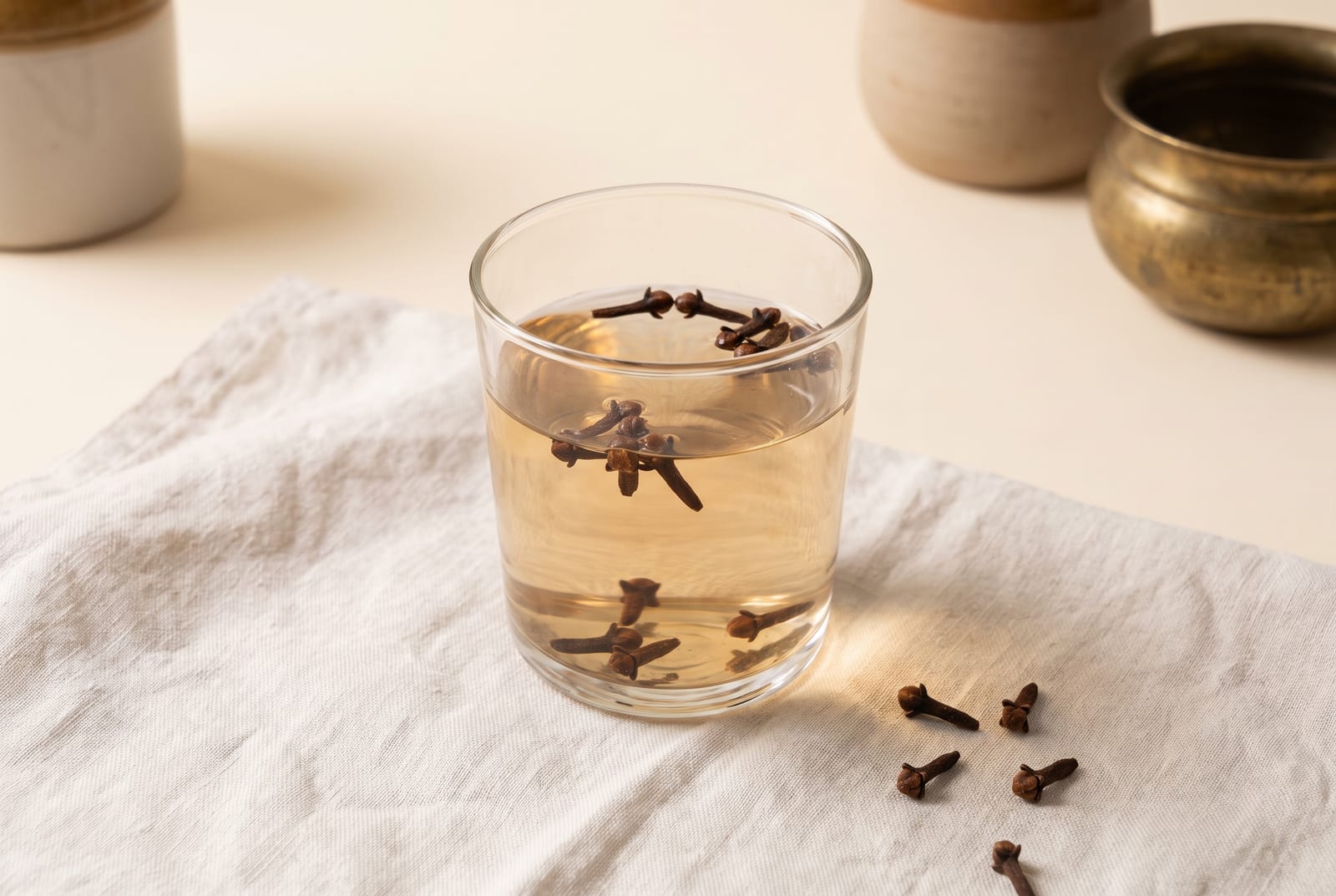
Clove Water Benefits: What the Trend Gets Right, and What It Invents
Clove water is all over social media for digestion, skin, hormones and detox. Here is what soaking cloves in water actually does, how to make it properly, who should skip it, and which viral claims have no evidence at all.
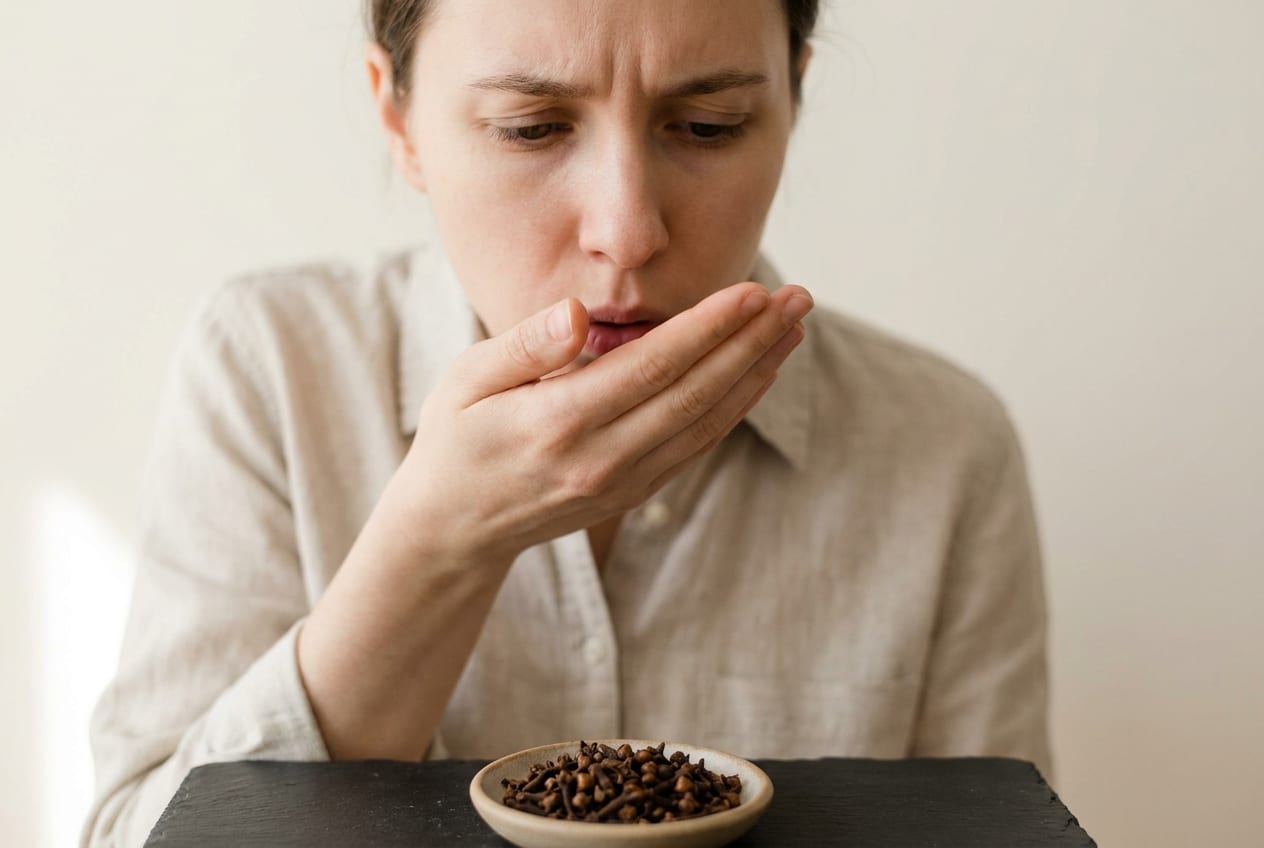
Cloves for Bad Breath: Does Chewing One Actually Work?
Chewing a clove for bad breath — whether it works, how long it lasts, how it compares with mints and mouthwash, and the far more important question of what is causing the smell in the first place.
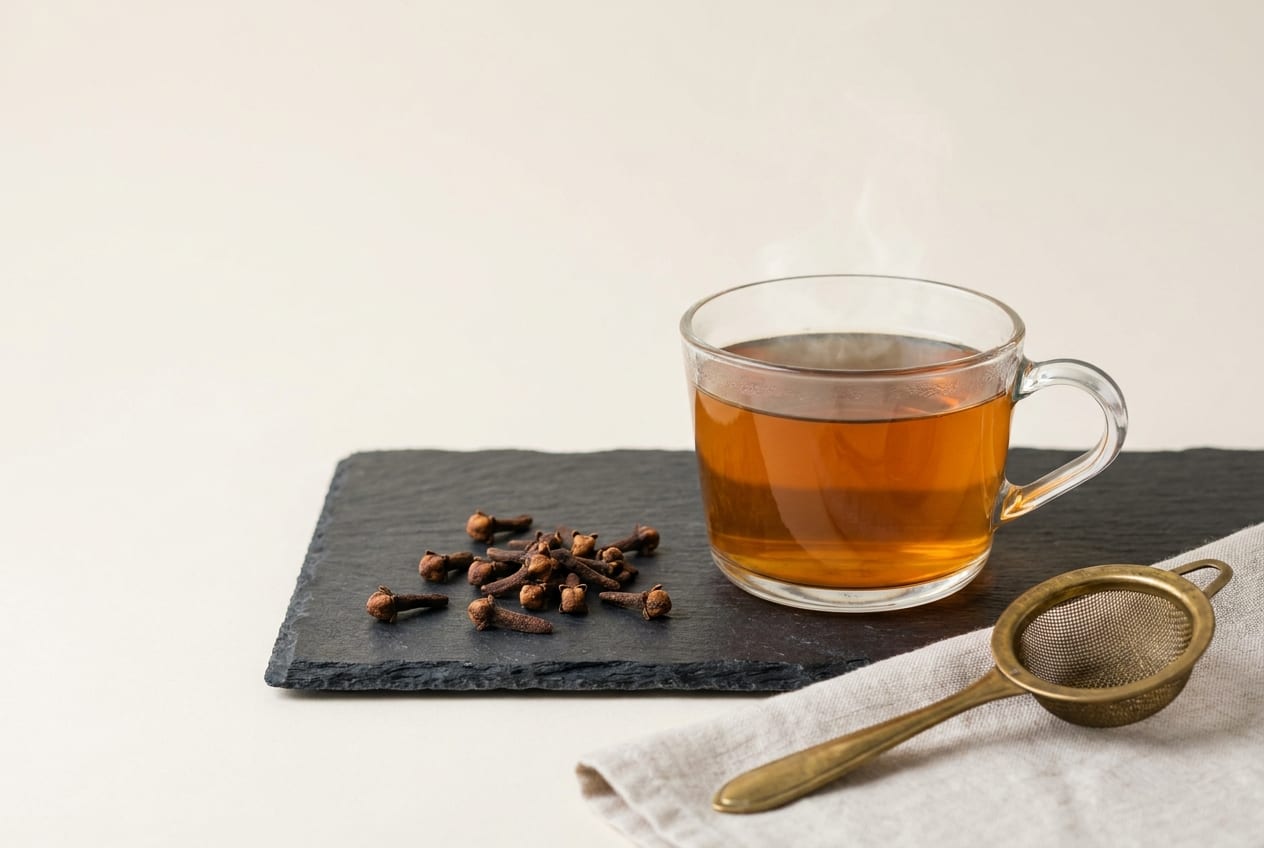
Clove Tea: What It Actually Does, and How to Brew It Properly
Clove tea benefits, graded honestly — what the evidence supports, what it doesn't, how to brew it so it tastes like a drink rather than a dare, and who should be careful with it.