
Clove
Clove Water Benefits: What the Trend Gets Right, and What It Invents
Quick answer
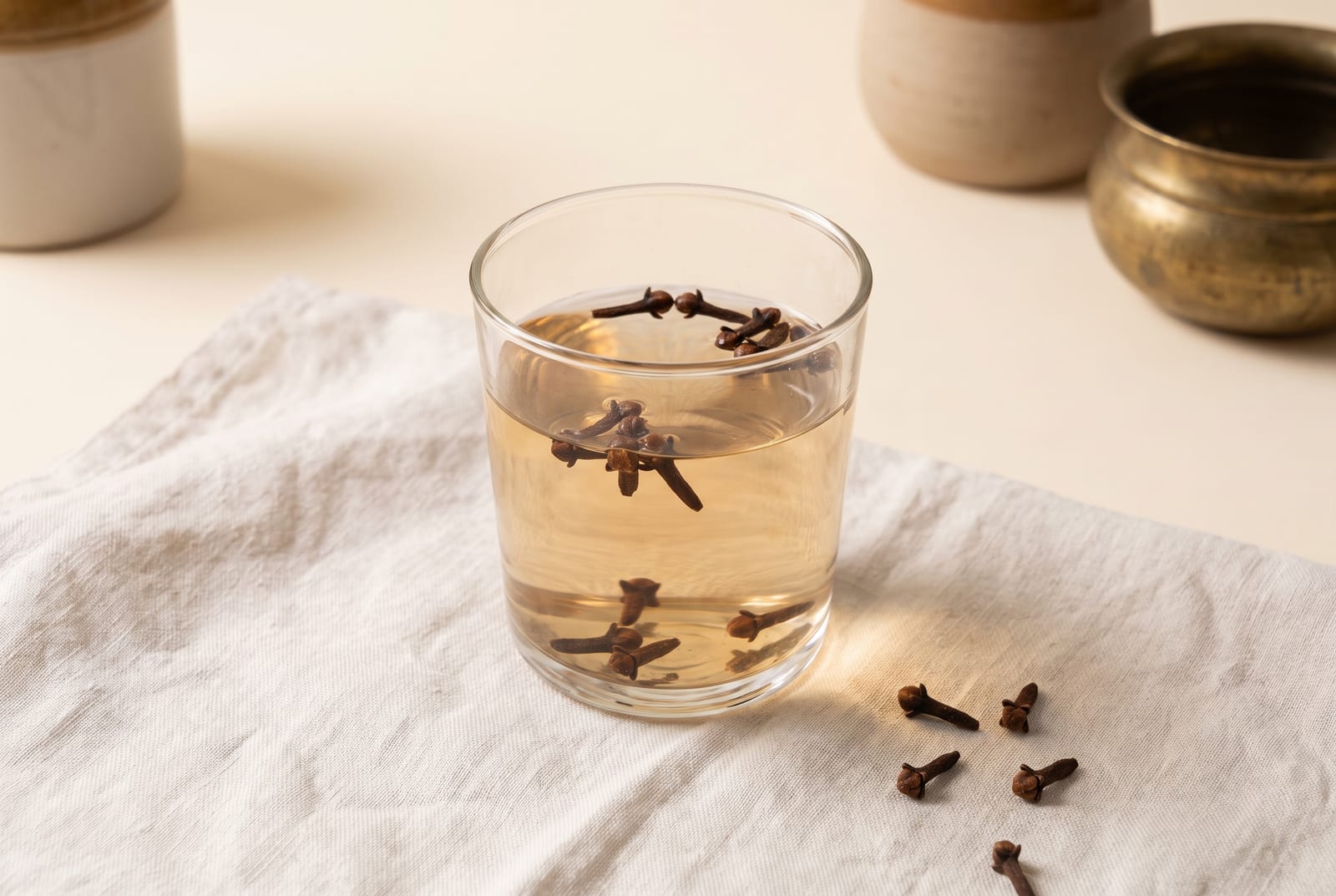
Clove water is whole cloves soaked or simmered in water, and it is a trend rather than a studied remedy. The honest position: it is a pleasant, near-zero-risk drink with a plausible but untested effect on digestive comfort, a genuinely antibacterial compound in it, and no human evidence whatsoever behind the claims that made it go viral — hormone balance, liver detox, parasites, fat loss. Three to five whole cloves in a cup of hot water is the whole recipe. Never use clove oil. If you take blood thinners, are pregnant, or have surgery coming, treat regular clove water as something to mention to a clinician rather than start quietly.
Clove water arrived the way these things always do. A short video, a glass of cloudy water with cloves floating in it, and a list of promises: better digestion by week one, balanced hormones by week two, a detoxed liver and, in the more confident versions, parasites leaving your body.
The drink is fine. The claim list is mostly invented. Both of those things can be true at once, and this page separates them.
What clove water actually is
Cloves are the dried unopened flower buds of Syzygium aromaticum. Nearly everything interesting about them comes from one compound, eugenol, which makes up the large majority of clove’s essential oil.
Soaking or simmering whole cloves in water pulls some eugenol into the water, along with tannins and other aromatics. It pulls far less than clove oil contains — and that gap is the entire safety story of this drink. Clove water is a weak infusion. Clove oil is a concentrate that has poisoned children.
The mental model: clove water is to clove oil what a cup of coffee is to a caffeine tablet. Same plant, wildly different dose, completely different risk.
If you have read our clove tea guide, you already know most of the chemistry. Clove water is the same infusion made cold or overnight instead of hot and quick, and it behaves the same way.
The benefits, graded honestly
We grade every claim by the strength of the evidence behind it, not by how often it appears in a caption.
Digestive comfort — plausible, untested
The oldest use, and the one with the best case. Warm aromatic infusions of this family — clove, fennel, cardamom, ginger — have been taken after heavy meals across many cuisines for a very long time, and clove has measurable effects on digestive secretions and smooth muscle in laboratory work. Nobody has run a proper trial on people drinking clove water. It is a plausible mechanism attached to consistent tradition, and the downside of trying it is a nice drink.
Antibacterial activity in the mouth — real, and narrower than it sounds
Eugenol kills bacteria. This is not folklore; dentistry uses it in temporary dressings for exactly this reason. Where clove water touches directly — the mouth — that activity is genuine, which is why clove has a real case for bad breath. What it is not is a treatment for an infection. Killing bacteria in a dish and treating an infection in a person are different achievements.
Antioxidant content — the fact is strong, the benefit is not
Cloves are among the most antioxidant-dense foods ever measured, gram for gram. This is true, well established, and used constantly to imply outcomes it does not demonstrate. You are drinking the extract of a few cloves. “High in antioxidants” has never on its own been shown to make anybody healthier.
Skin — traditional, unevidenced, and mildly risky
Two separate claims here, and they deserve different answers. Drinking clove water for clearer skin has no evidence at all. Using cooled clove water topically as a mild toner has a plausible antibacterial rationale and a long tradition, but no dermatology-grade testing — and clove is a recognised contact irritant. Dilute it, patch-test on your jaw, and keep it away from your eyes.
Blood sugar, liver, weight, immunity — insufficient
These fill the search results and they rest on animal studies and cell-culture work using extract concentrations a glass of clove water never approaches. There is no good human evidence that drinking clove water changes blood sugar, liver markers, body weight or how often you get ill.
Hormones, detox, parasites — no
This is where the trend stops being merely overstated and starts being false. There is no human evidence that clove water affects hormone levels, “detoxifies” any organ, or clears parasites. The body has a liver and two kidneys for the detox job and they do not need help from a spice. Some of the most-shared versions of this claim — clove water killing mould inside the body is a real example currently circulating — are simply made up.
How to make it properly
Most people’s first clove water is far too strong, tastes like a dentist’s surgery, and never gets made again. Fewer cloves, more patience.
For one cup:
- Use 3–5 whole cloves. Whole, never ground. Ground clove turns the glass muddy and bitter and over-extracts within minutes.
- Crack them lightly. One press with the flat of a knife. Enough to open them, not to powder them.
- Choose your method. Overnight: cloves in room-temperature water, covered, 6–8 hours, then strain. Quick: water just off the boil, covered, 10 minutes, then cool. The overnight version is milder and is what most of the videos are actually showing.
- Strain before drinking. Leaving the cloves in for a second day makes it harsher, not stronger in any useful sense.
- Taste before adding anything. Clove is sweeter on its own than people expect.
Good additions: a strip of lemon peel, a slice of fresh ginger, a little honey. Bad addition: more cloves. Never: clove oil.
Whole cloves hold their oils for a year or more. Ground clove is stale within months, which is the real reason a lot of homemade clove water tastes of nothing at all.
If the cloves in your cupboard came with a Christmas ham some years ago, they will give you cloudy water and no aroma. A bag of whole organic cloves costs a few dollars and lasts a year — → True Organic Ceylon whole cloves. As an Amazon Associate we may earn from qualifying purchases.
Morning, night, or neither
The trend is oddly specific about timing, and the evidence is silent on it.
Morning is the most common version, usually framed as kick-starting digestion. Nobody has compared it against any other time of day. If it replaces a sweetened drink, that swap is worth more than the cloves.
At night is the second version, framed as calming. Clove contains no sedative anyone has identified. A warm drink and a wind-down ritual before bed are genuinely helpful things; credit the ritual honestly rather than the spice.
Thirty days of it is the format most of the videos use, and it is worth naming why. Any daily habit that involves stopping, making something warm, and drinking a glass of water will make most people feel better after a month. That is a real benefit. It is just not a clove benefit.
Side effects and who should skip it
This is the part the benefit lists leave out.
- Never drink clove oil, and never add it to water. Clove oil is a concentrate. Swallowing it has caused serious poisoning, liver injury and seizures, and the reported cases are overwhelmingly in children. This is the single most important line on the page.
- Stomach irritation and reflux. Strong brews can cause nausea or heartburn. Clove is warming and aromatic; a minority of people simply do not tolerate it.
- Blood thinners. Eugenol can affect platelet function. On warfarin, apixaban or similar, keep clove to food amounts and mention a daily habit to whoever manages your anticoagulation.
- Surgery. Stop concentrated clove products two weeks beforehand, on the same reasoning.
- Heavy periods. The same mild antiplatelet effect. This is the one genuinely sex-specific point on this page, and it argues for less clove water, not more.
- Pregnancy and breastfeeding. Clove as a food is fine. Clove water daily as a remedy has not been studied here — ask, do not assume.
- Children. Not as a remedy. Clove’s poisoning risk is concentrated in exactly this group.
The bottom line
Clove water is a decent drink with a modest, plausible case for digestive comfort and a real one for mouth bacteria — and nothing behind the hormone, detox and parasite claims that made it spread. Three to five whole cloves, strained, once a day, is the entire method. Enjoy it as a ritual. The moment anyone suggests adding clove oil to make it work faster, they have crossed the line from a harmless trend into something that has genuinely hurt people.
The complete account — how eugenol behaves in the body, safe preparation at every strength, the drug interactions in full, and what clove is genuinely good for — is in our ebook, Clove: Nature’s Painkiller.
Related reading:
Frequently asked questions
What are the benefits of drinking clove water in the morning?+
The defensible ones are small: a warm aromatic drink that many people find settles the stomach, plus a genuinely antibacterial compound making contact with the mouth. The morning timing has never been tested against any other time of day. If a morning glass of clove water replaces a sugary drink, that swap is doing more for you than the cloves are.
Is clove water good for females specifically?+
There is no human evidence that clove water affects hormones, periods or fertility, in either direction. The claim is one of the most repeated on social media and one of the least supported. The one sex-specific point worth knowing runs the other way: clove's mild blood-thinning effect means heavy periods are a reason for moderation, not a reason to drink more.
What are the side effects of clove water?+
A weak infusion of a few whole cloves is well tolerated by most healthy adults. Stronger brews can cause nausea, stomach irritation or reflux. Eugenol has a mild antiplatelet effect, so it matters if you take blood thinners or have surgery coming. Never add clove oil to water — that is a different product with a documented poisoning risk.
How many cloves should I put in water?+
Traditional infusions use around three to five whole cloves per cup, and we do not publish a therapeutic dose beyond that because clove sits close to where a spice starts behaving like a drug. Use whole cloves, never ground, and never clove oil. If you are drinking it for a health reason rather than the taste, ask a pharmacist rather than a website.
Is clove water good for your skin?+
Drinking it, there is no evidence that it changes your skin. Cooled clove water used topically as a mild toner has a plausible antibacterial rationale and a long tradition, but no dermatology-grade testing, and clove is a known contact irritant. Patch-test first, dilute well, and keep it away from your eyes.
New: Google now lets you choose which sites it shows you first. One tap lifts our spice guides in your results — nobody else's — and you can undo it any time.
More on Clove
Clove Benefits for Women and Men: Separating the Claims from the Evidence
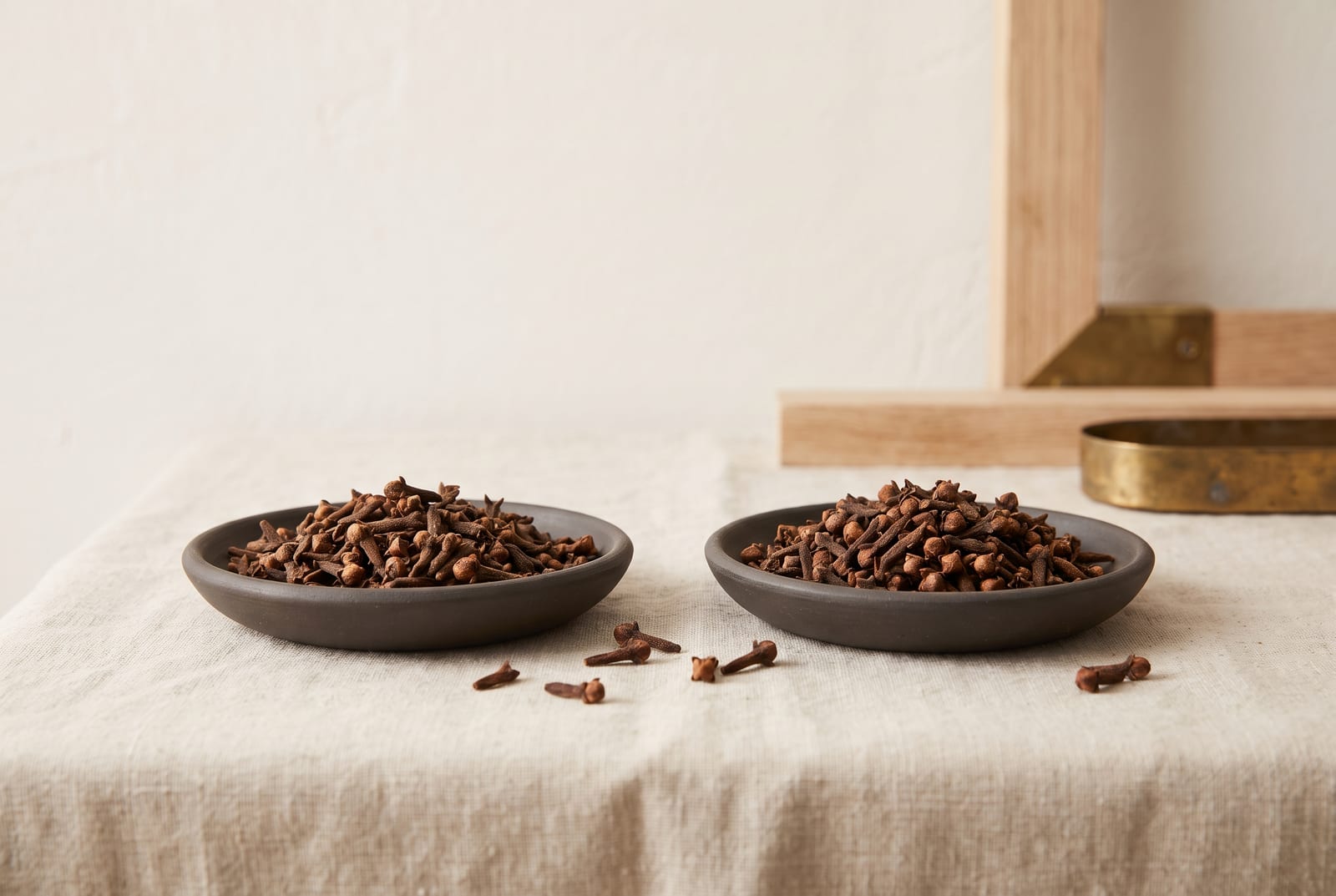
Clove is sold to women for hormones and fertility, and to men for testosterone and stamina. Almost none of it has been tested in people. Here is what clove genuinely does, what it does not, and the one sex-specific caution that is real.
Cloves for Bad Breath: Does Chewing One Actually Work?
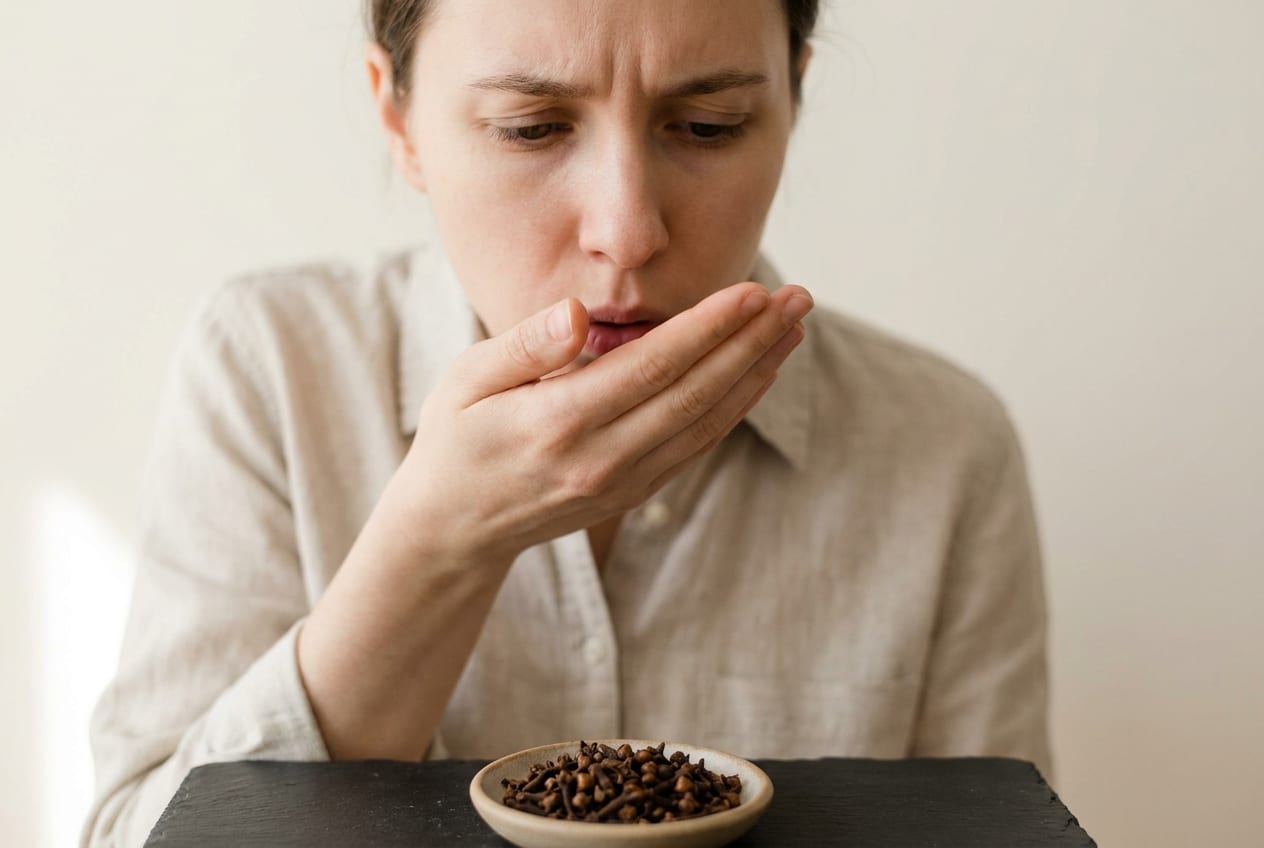
Chewing a clove for bad breath — whether it works, how long it lasts, how it compares with mints and mouthwash, and the far more important question of what is causing the smell in the first place.
Clove Tea: What It Actually Does, and How to Brew It Properly
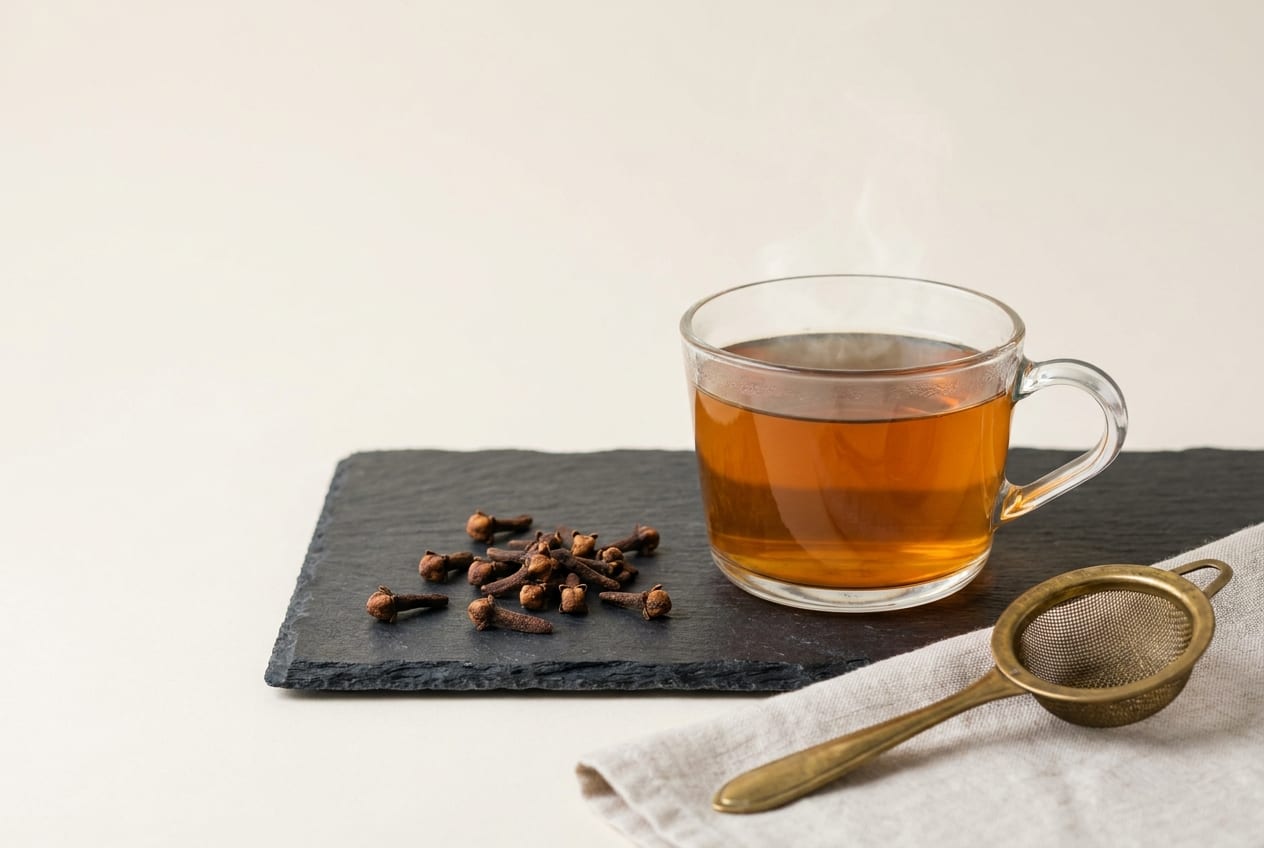
Clove tea benefits, graded honestly — what the evidence supports, what it doesn't, how to brew it so it tastes like a drink rather than a dare, and who should be careful with it.