
Spice guide
Clove Benefits
Clove is the rare folk remedy that modern dentistry adopted rather than discarded. Eugenol, its active compound, is a genuine local anaesthetic and antiseptic — which is why one clove benefit is far better supported than all the others, and why clove oil is concentrated enough to do harm if it is used carelessly.

Most kitchen remedies are pleasant and inert. Clove is not: eugenol numbs tissue, and dental practices have used it in temporary fillings and dressings for well over a century. That makes it genuinely useful when a tooth starts hurting at ten at night and the dentist opens on Monday.
It also makes dilution a safety matter rather than a preference. The guides below cover what to reach for first, how to use clove oil without burning tissue, and how it measures up against the painkillers already in your cupboard.
Clove benefits, ranked by evidence
Most spice pages list ten benefits and grade none of them. Here is the same list with the grading left in.
- Tooth and gum pain — well supported. Eugenol is a real local anaesthetic and antiseptic. This is the benefit dentistry kept, and the only one on this page we would call established.
- Bad breath — supported, mechanically. Clove kills several of the mouth bacteria that produce the sulphur compounds you can smell. Chewing a clove is a genuine short-term fix, not a cure for the cause.
- Digestion — traditional, thinly evidenced. Long use across many kitchens, very little human testing. Harmless to try in food.
- Antioxidant content — true, and less useful than it sounds. Clove is among the most antioxidant-dense foods by laboratory measure. Nobody eats enough of it for that number to translate into anything you would notice.
- Blood sugar, liver, inflammation, immunity — laboratory only. Real signals in cells and animals, at concentrations no cup of clove tea comes close to. Worth watching, not worth believing yet.
- The trending claims — no. Clove water for hormones, detox or parasites has no human evidence, and some of it is simply invented.
Read this first
Clove relieves tooth pain. It does not treat the cause. A toothache that lasts more than a day or two, a swollen face, a fever, or pain that wakes you at night all need a dentist — no remedy on this page substitutes for one.
Going deeper
The complete safety-first account — dosing, making your own preparations, the drug interactions, and every other evidence-based use of clove — is in our ebook Clove: Nature’s Painkiller.
Guides
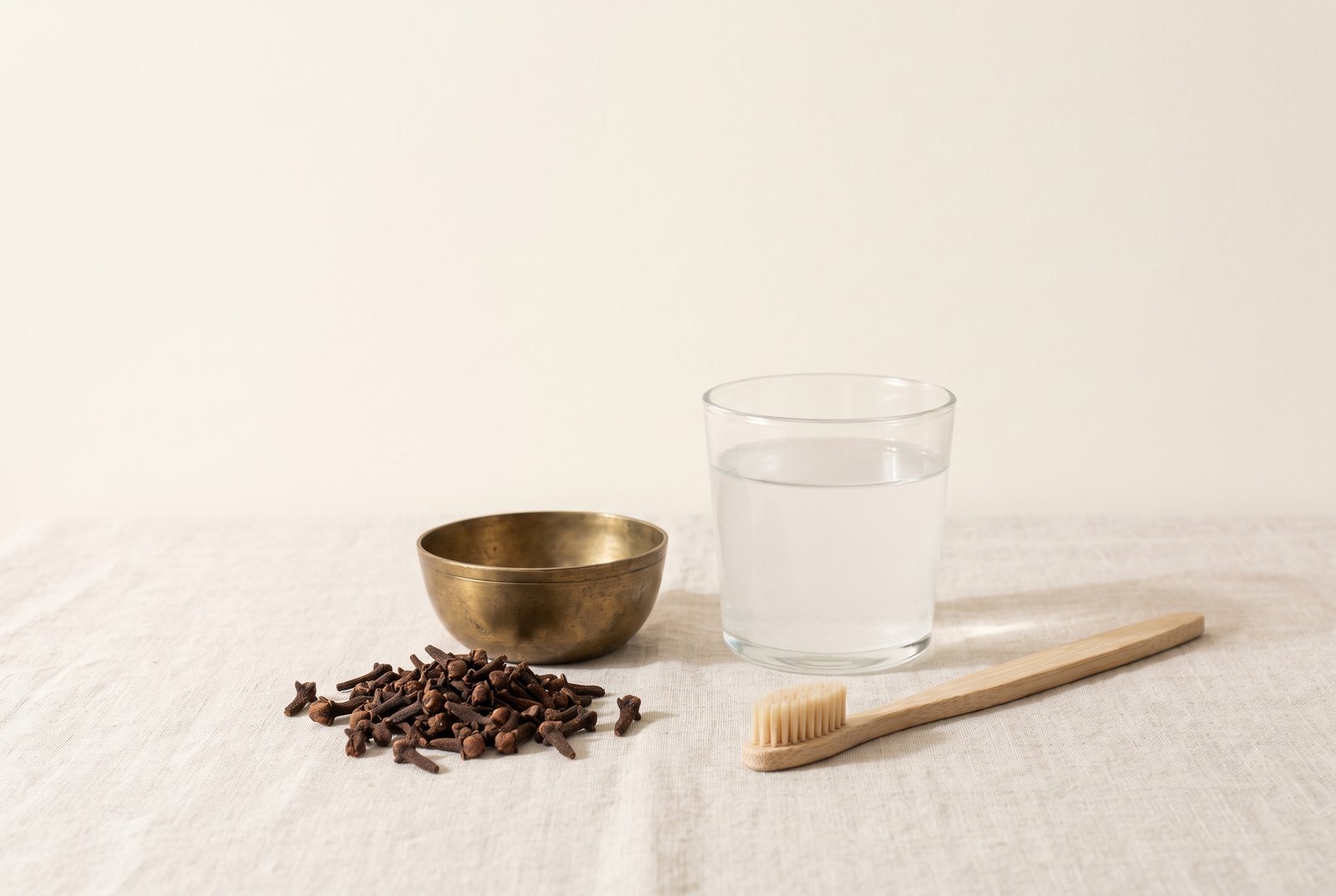
Home Remedies for a Toothache: What Actually Works (and What to Skip)
Evidence-based home remedies for a toothache — what genuinely relieves tooth pain tonight, what to skip, and the warning signs that mean you need a dentist now.
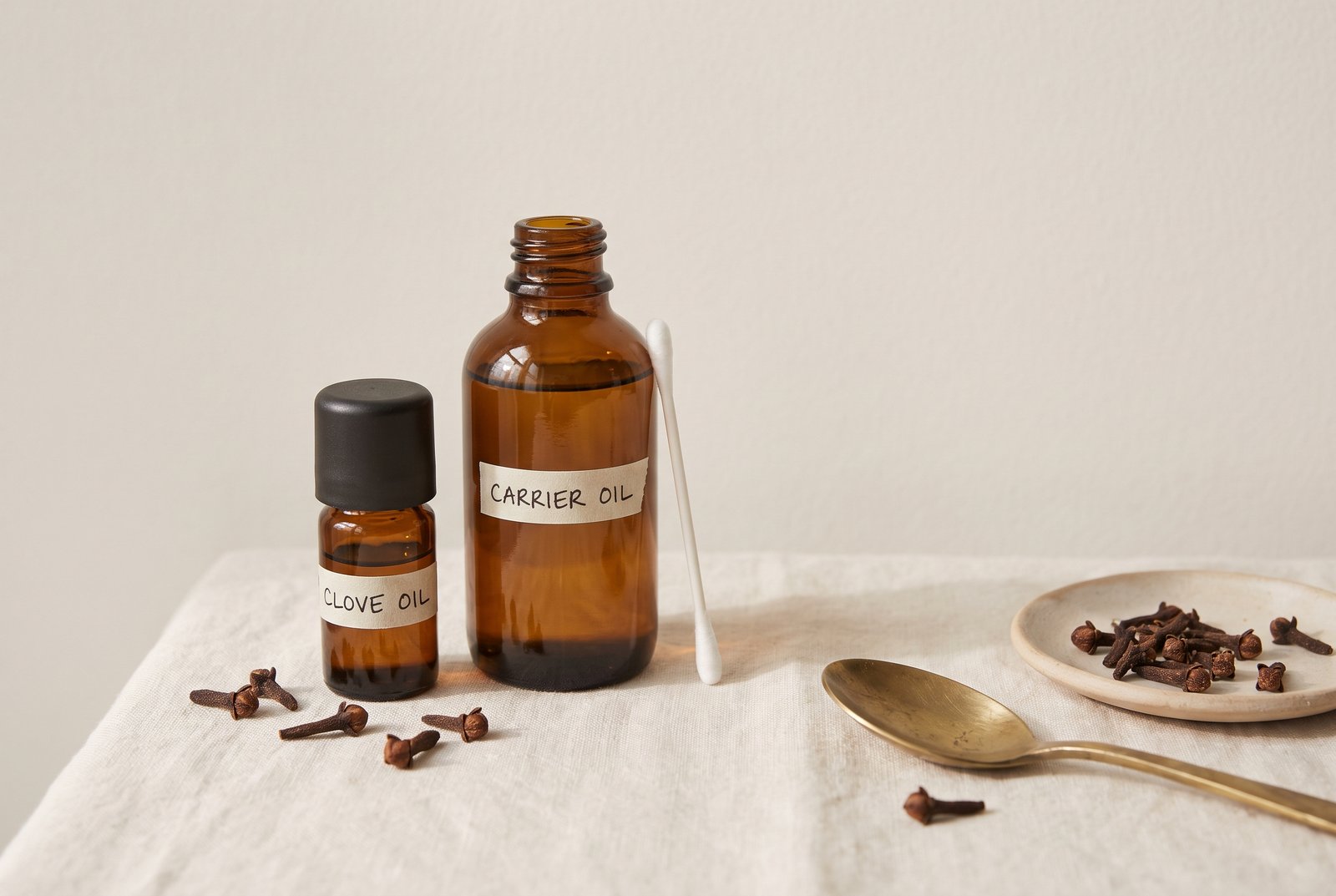
How to Use Clove Oil for a Toothache, Safely
A step-by-step guide to using clove oil for toothache relief — correct dilution, application method, what to avoid, and the safety rules that matter, especially around children.
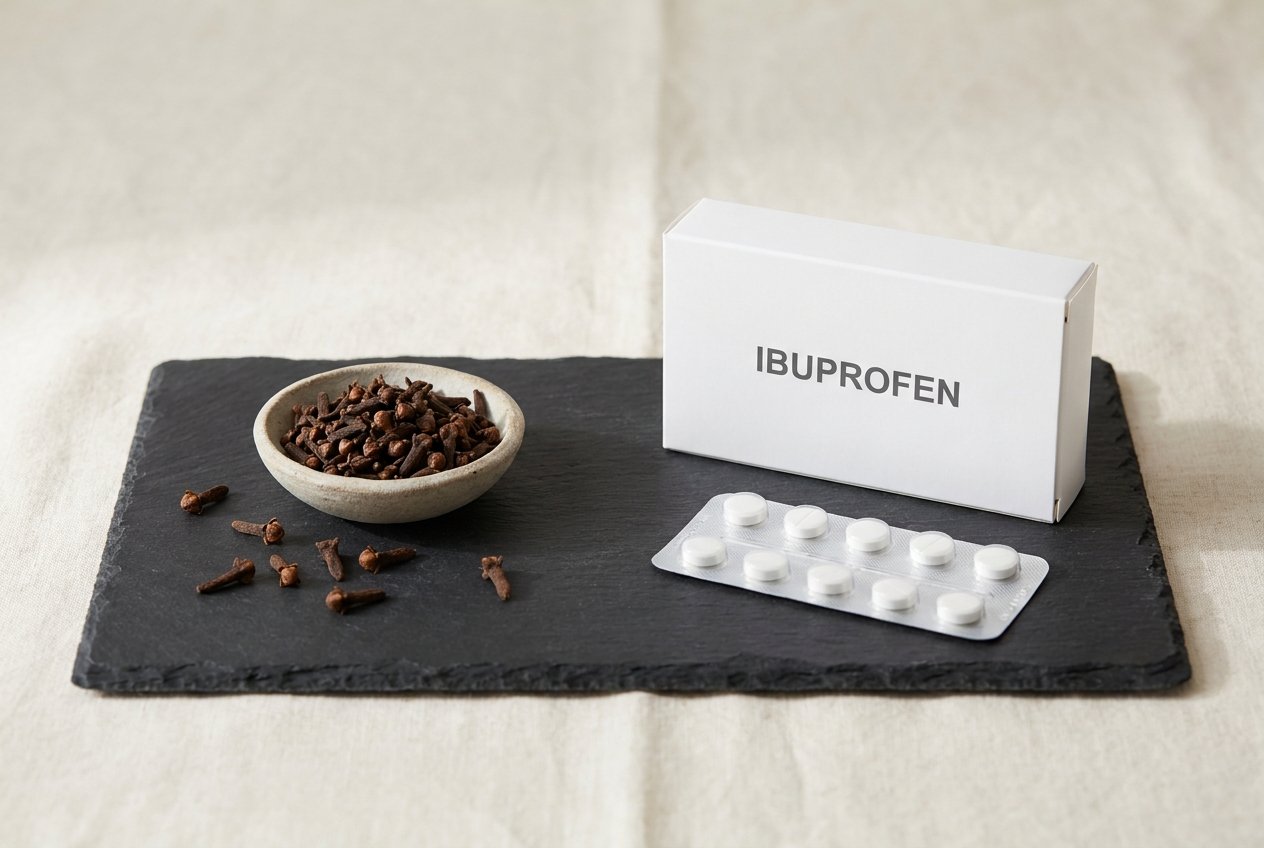
Natural vs. Over-the-Counter Toothache Relief: Which Should You Reach For?
Natural remedies or OTC painkillers for a toothache? A clear, evidence-based comparison of clove, salt water, and cold therapy against ibuprofen, acetaminophen, and benzocaine — and when to combine them.

Clove Tea: What It Actually Does, and How to Brew It Properly
Clove tea benefits, graded honestly — what the evidence supports, what it doesn't, how to brew it so it tastes like a drink rather than a dare, and who should be careful with it.

Cloves for Bad Breath: Does Chewing One Actually Work?
Chewing a clove for bad breath — whether it works, how long it lasts, how it compares with mints and mouthwash, and the far more important question of what is causing the smell in the first place.

Clove Water Benefits: What the Trend Gets Right, and What It Invents
Clove water is all over social media for digestion, skin, hormones and detox. Here is what soaking cloves in water actually does, how to make it properly, who should skip it, and which viral claims have no evidence at all.
Clove Benefits for Women and Men: Separating the Claims from the Evidence
Clove is sold to women for hormones and fertility, and to men for testosterone and stamina. Almost none of it has been tested in people. Here is what clove genuinely does, what it does not, and the one sex-specific caution that is real.
Common questions
What are the health benefits of cloves?+
One is well supported and the rest are not, and it is worth knowing which is which. Eugenol numbs tissue and kills mouth bacteria, which is why clove has a genuine place in dental pain and bad breath — dentistry uses it in temporary dressings to this day. Beyond the mouth, clove's reputation for digestion, blood sugar, inflammation and immunity rests on laboratory work, animal studies and extracts far stronger than any tea. Interesting, not proven.
What are the side effects of cloves?+
Whole cloves in food are safe as food. Concentrated clove oil is the problem: swallowed, it can cause serious liver injury and seizures, and children have been harmed by small amounts. Undiluted on the gum it can burn tissue and damage the pulp of a tooth. Eugenol also has a mild blood-thinning effect, which matters if you take anticoagulants or are heading for surgery.
Is it good to drink clove water every day?+
Clove water is a social-media trend rather than a studied remedy, and the honest answer is that nobody has tested drinking it daily. A weak infusion of a few cloves is very unlikely to hurt a healthy adult. The claims attached to it — hormone balance, liver detox, killing parasites — have no human evidence behind them at all, and some of the most-shared versions of the trend are simply false.
How many cloves should I put in water?+
We do not publish a dose, because clove sits close to the line where a spice starts behaving like a drug. Traditional infusions use a few whole cloves per cup, not a spoonful of ground clove and never clove oil. If you are drinking it for a health reason rather than for the taste, that is the moment to ask a pharmacist instead of a website.
Does clove actually stop toothache?+
Yes, temporarily, and this is the one clove claim with real support. Eugenol is a local anaesthetic, and properly diluted clove oil on a small piece of cotton can take the edge off for a while. It relieves the pain and does nothing about the cause. Pain lasting more than a day or two, a swollen face, a fever, or pain that wakes you at night all need a dentist.