
Spice guide
Cumin Seeds: What They Do, What They Are Called, and Which Seed Is Actually in Your Jar
Cumin is the third most-used spice on earth and it travels under more names than almost any other. Jeera, zeera, jira, geera — all one seed. Shahi jeera and kala jeera are not. These guides sort out which seed you are holding, what the evidence behind jeera water really says, and what to reach for when the jar is empty.
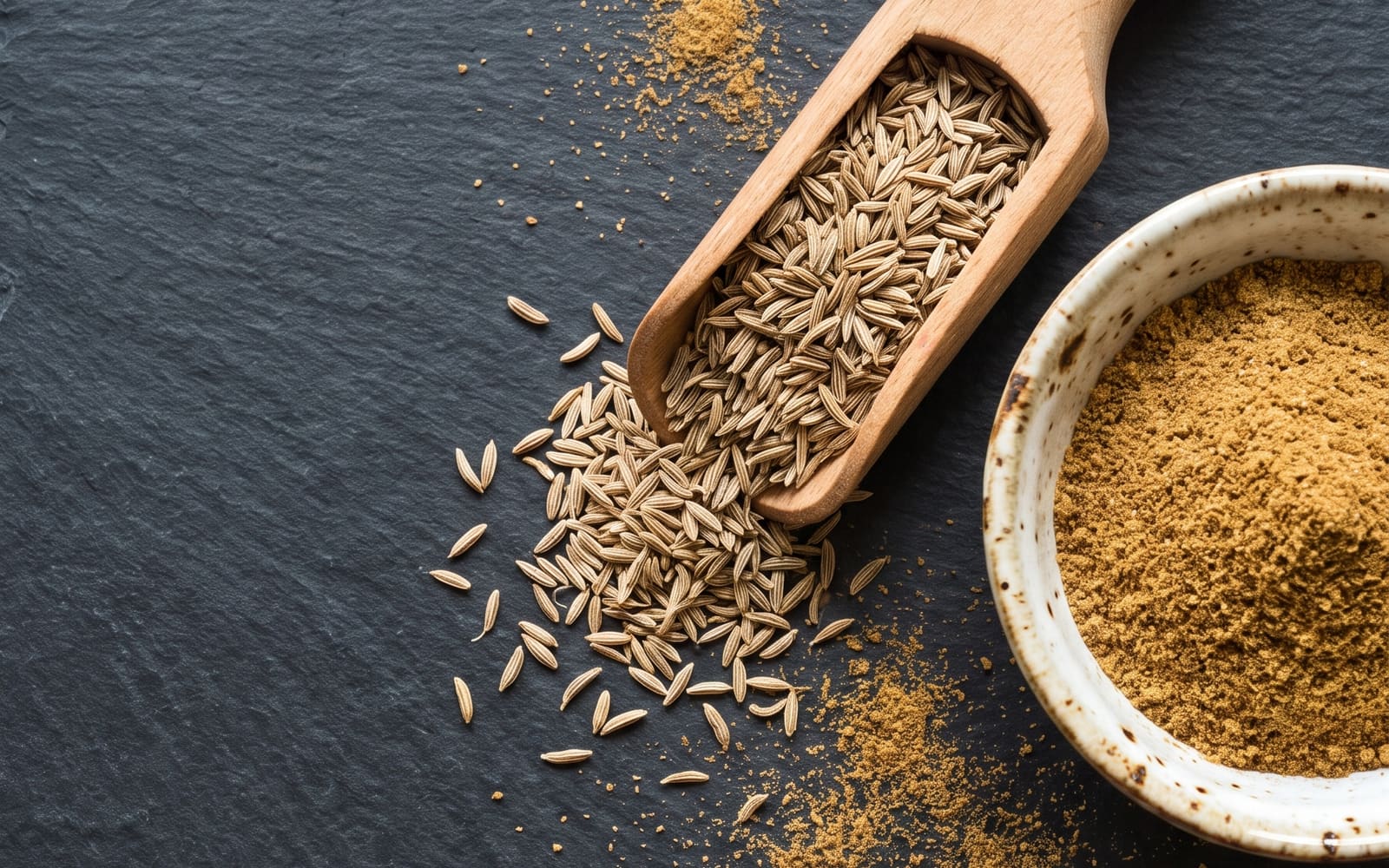
Cumin has a naming problem, and it is not a small one.
Jeera is cumin. So is zeera, zira, jira and geera — one seed, five spellings, picked up as the word crossed languages and oceans. Any of them on a packet is the ordinary brown cumin a curry recipe means.
Shahi jeera is not. Neither, most of the time, is kala jeera. And black cumin, the phrase American shops print most often, usually means nigella — a third plant again, unrelated to either.
Four names. At least three different seeds. And the top of Google’s own results currently tells US searchers that two of them are the same thing.
The three questions this spice raises
“Which seed have I actually got?” — because the packet, the recipe and the shop assistant may each mean something different.
“Is jeera water doing anything?” — because it is the most-recommended home remedy in Indian kitchens and the most oversold one online.
“What do I use when I run out?” — because cumin is in almost everything, and running out mid-recipe is the most common way anybody arrives here.
What the evidence actually supports
We grade every claim inline so you can see the strength of the support without leaving the sentence.
- Easing bloating and IBS symptoms — preliminary, and the best cumin has. Small human trials of cumin oil and cumin-containing preparations show real improvement in bloating and discomfort. Small, short, and worth knowing about.
- Helping a heavy meal go down — traditional, and consistent with the above. Two thousand years of use as a digestive, and a plausible mechanism behind it.
- Antioxidant and antibacterial activity — lab. Real in a dish, unproven in a person.
- Blood sugar and cholesterol — preliminary and thin. A handful of small studies, mixed results, nothing replicated at a size that should change what you eat.
- Weight loss — oversold. The studies most often quoted are small and confounded by the diet programmes running alongside them. See the jeera water guide, which gives the numbers rather than the headline.
- Flavour — the actual reason cumin is in your cupboard. Not a health claim, and the only one a stale jar destroys.
Read this first
Cumin in food is a food, and safe as one. Nothing on these pages is a treatment and none of it tells you how much to take.
One caution is worth stating plainly. Concentrated cumin — oil, capsules, several spoonfuls of seed steeped daily — is a different thing from the pinch in your dinner, and it is the form worth being careful with if you are pregnant, on blood-sugar medication or on blood thinners. That is a conversation with a pharmacist rather than an internet search.
Going deeper
The complete account — the four seeds that share a name and how to tell them apart by eye, cumin’s route from the Nile to Delhi to a Tex-Mex taco packet, the digestive evidence read properly, and the Indian, Middle Eastern and Mexican traditions kept separate — is Cumin: The Seed With Too Many Names, a 51-page book that grades every health claim by the strength of the evidence behind it, and whose strongest tag never gets used once. The guides here are free and stay free.
Guides
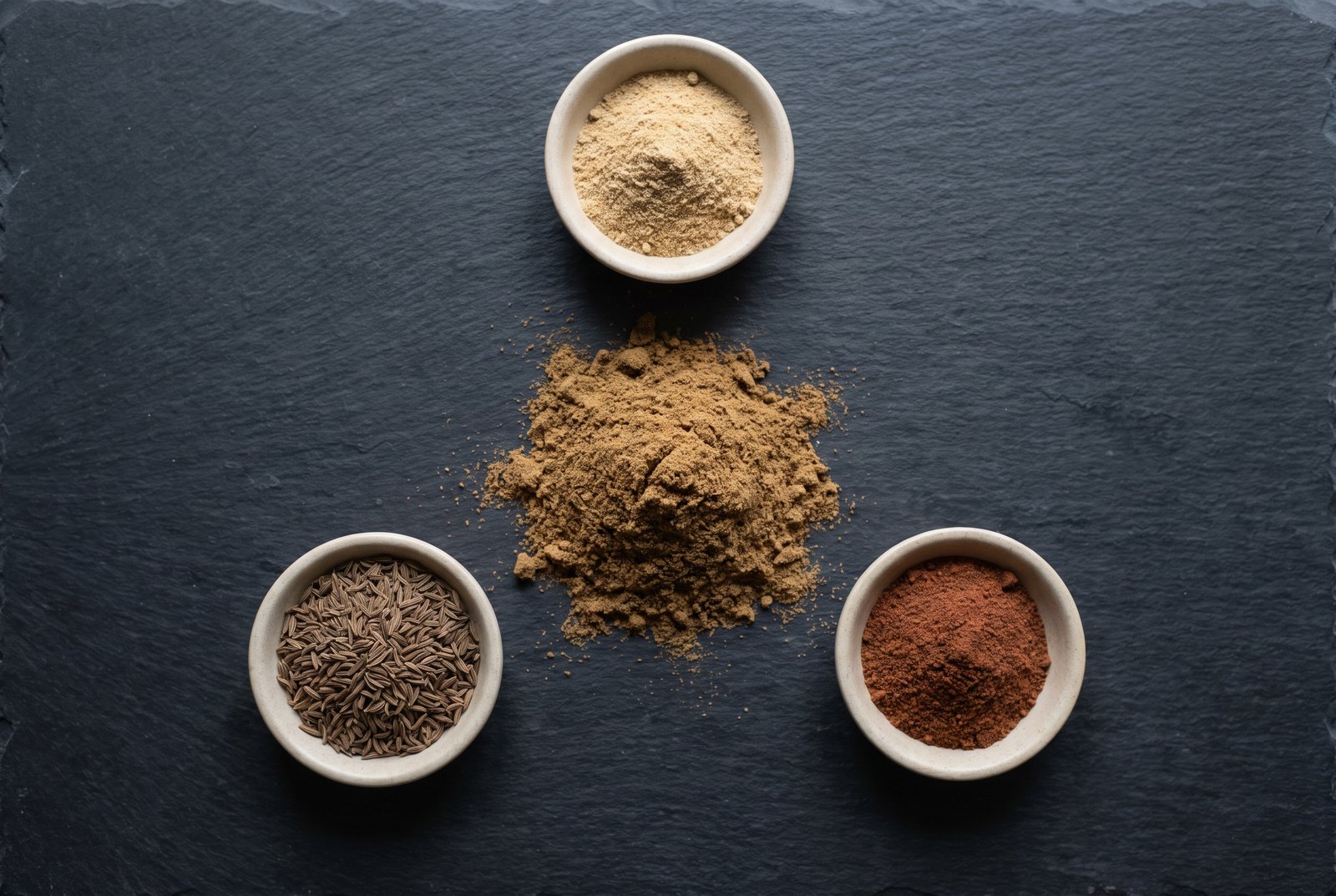
Cumin Substitute: What to Use, and How Much
The best cumin substitutes with exact swap amounts — ground coriander, caraway, chili powder, garam masala and taco seasoning — sorted by dish, plus the three swaps that quietly ruin a recipe.

Jeera in English: Which of These Four Seeds Do You Actually Have?
Jeera, zeera, jira and geera are all cumin. Shahi jeera, kala jeera and black cumin usually are not. A plain guide to which seed is which, what each one is called in English, and how to tell them apart in the jar.
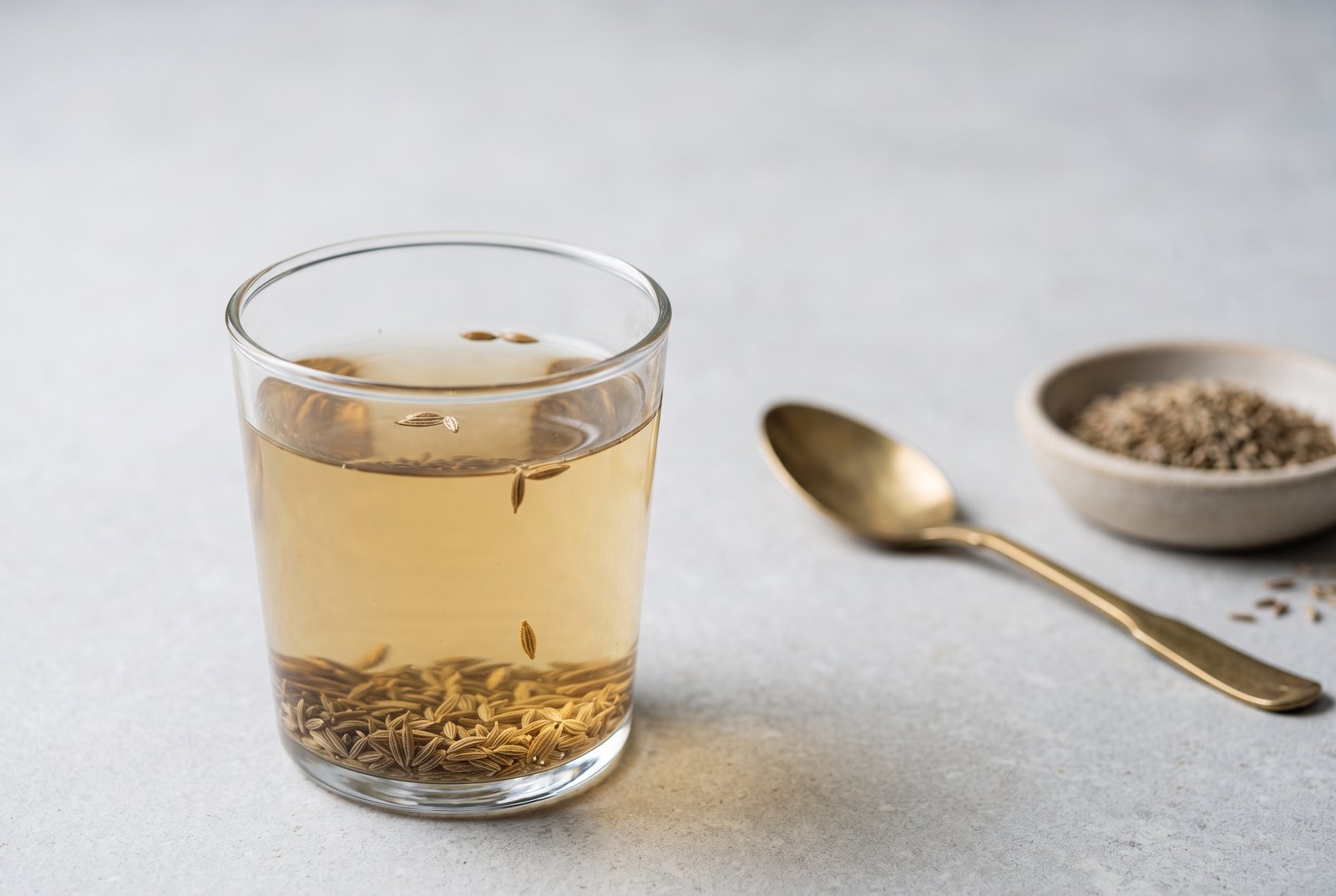
Jeera Water Benefits: What It Does, and What It Does Not
Jeera water is the most recommended home remedy in an Indian kitchen and the most oversold one online. What cumin water genuinely does for digestion, what the weight-loss studies actually say, how to make it, and who should be careful.
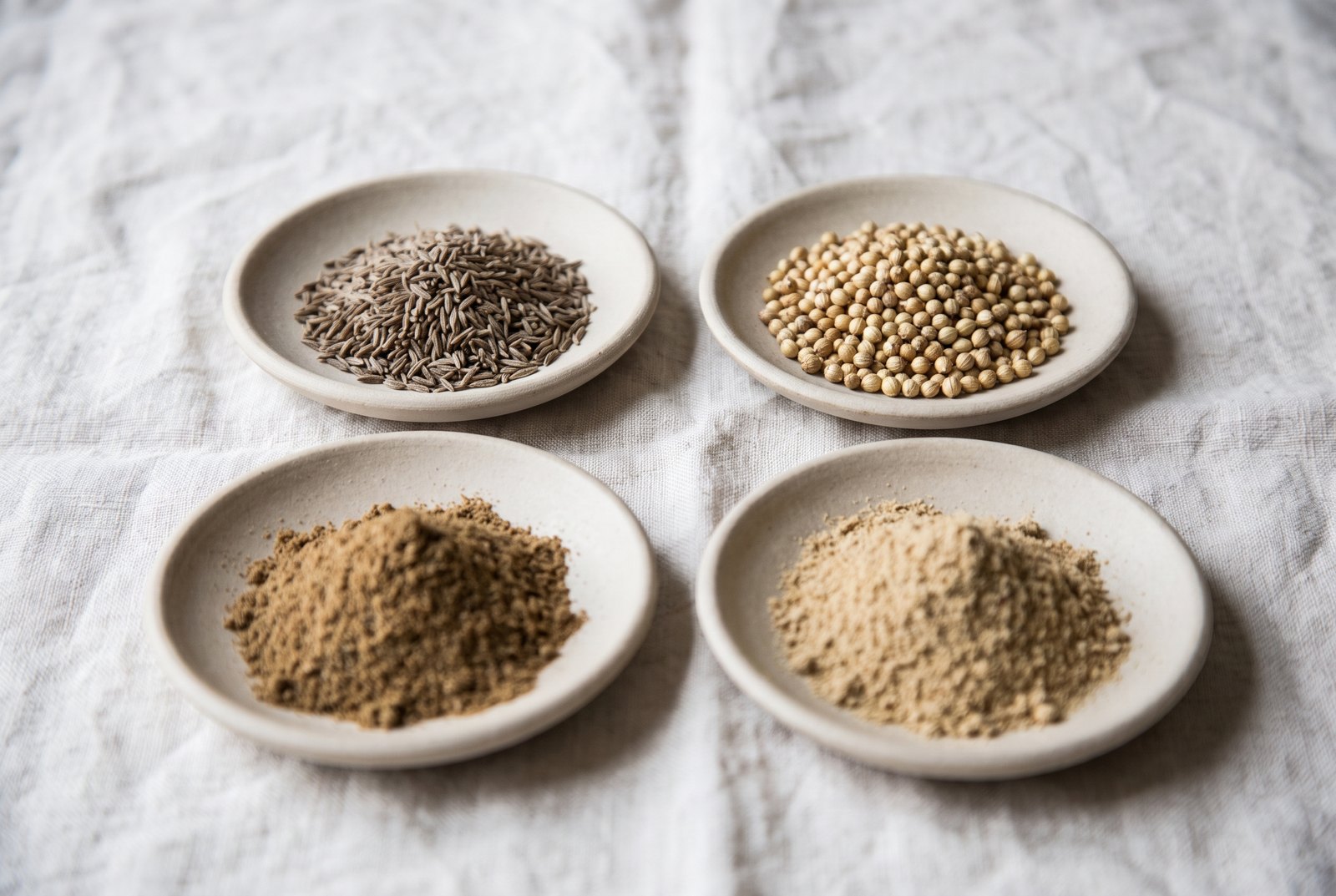
Cumin vs Coriander: Two Seeds, Two Jobs, and Why Recipes Use Both
Cumin and coriander are different plants doing different halves of one job. How they taste, how to tell them apart, why Indian cooking sells them pre-mixed as dhania-jeera, and whether you can swap one for the other.
Common questions
What is jeera in English?+
Jeera is cumin — the seed of Cuminum cyminum. Zeera, zira, jira and geera are the same word spelled differently as it moved between Hindi, Urdu, Punjabi and Caribbean English. They all mean the same seed, and any of them on a packet is the ordinary cumin a recipe means.
Is shahi jeera the same as cumin?+
No. Shahi jeera is Bunium persicum, a different plant in the same family. The seeds are darker, thinner and more curved than cumin, and the flavour is smokier and more like caraway. It is expensive, used sparingly in Mughlai and Kashmiri cooking, and it is not a substitute for ordinary jeera. Many sources — including Google's own answer box — call it black cumin, which is also the common name for nigella, a third plant again.
What are the benefits of cumin seeds?+
The reliable ones are digestive and modest. Cumin has genuine early human evidence for easing bloating and the symptoms of irritable bowel, and lab work showing antioxidant and antibacterial activity. Claims about weight loss, blood sugar and cholesterol come from small studies that have not been replicated at a size worth acting on. Cumin in food is a food, and a well-evidenced pleasant one. Nothing here is a treatment.
Does jeera water help with weight loss?+
The honest answer is barely, and not in the way it is sold. The trials people cite are small, short and often paired with a diet and exercise programme that would explain the result on its own. What jeera water does more reliably is settle a heavy stomach and get warm fluid into you first thing, which is worth doing for its own sake. Treat it as a pleasant habit, not a weight-loss method.
Is jeera the same as fennel seeds?+
No. Fennel is saunf — plumper, pale green, and sweet with a clear aniseed note. Cumin is smaller, brown-grey, ridged, and earthy with a faint bitterness. They look nothing alike side by side, and swapping one for the other changes a dish completely. The mix-up usually comes from Indian restaurant mukhwas, where fennel is the seed handed out after a meal.
Are jeera and ajwain the same?+
No, though the seeds are a similar size and colour. Ajwain is carom seed, Trachyspermum ammi, and it tastes strongly of thyme because it contains the same compound. Cumin is earthy and nutty with no thyme note at all. Ajwain is used in far smaller amounts — a pinch in a paratha dough, not a spoonful in a pot.
What can I use instead of cumin?+
Ground coriander at three quarters of the amount is the safest all-round swap, because the two are already paired in most Indian recipes. Caraway at half the amount is closer in flavour but pushes the dish towards rye bread. In Tex-Mex cooking, chili powder already contains cumin, so a spoonful of that fills the gap and brings the rest of the blend with it.