
Cumin
Jeera Water Benefits: What It Does, and What It Does Not
Quick answer
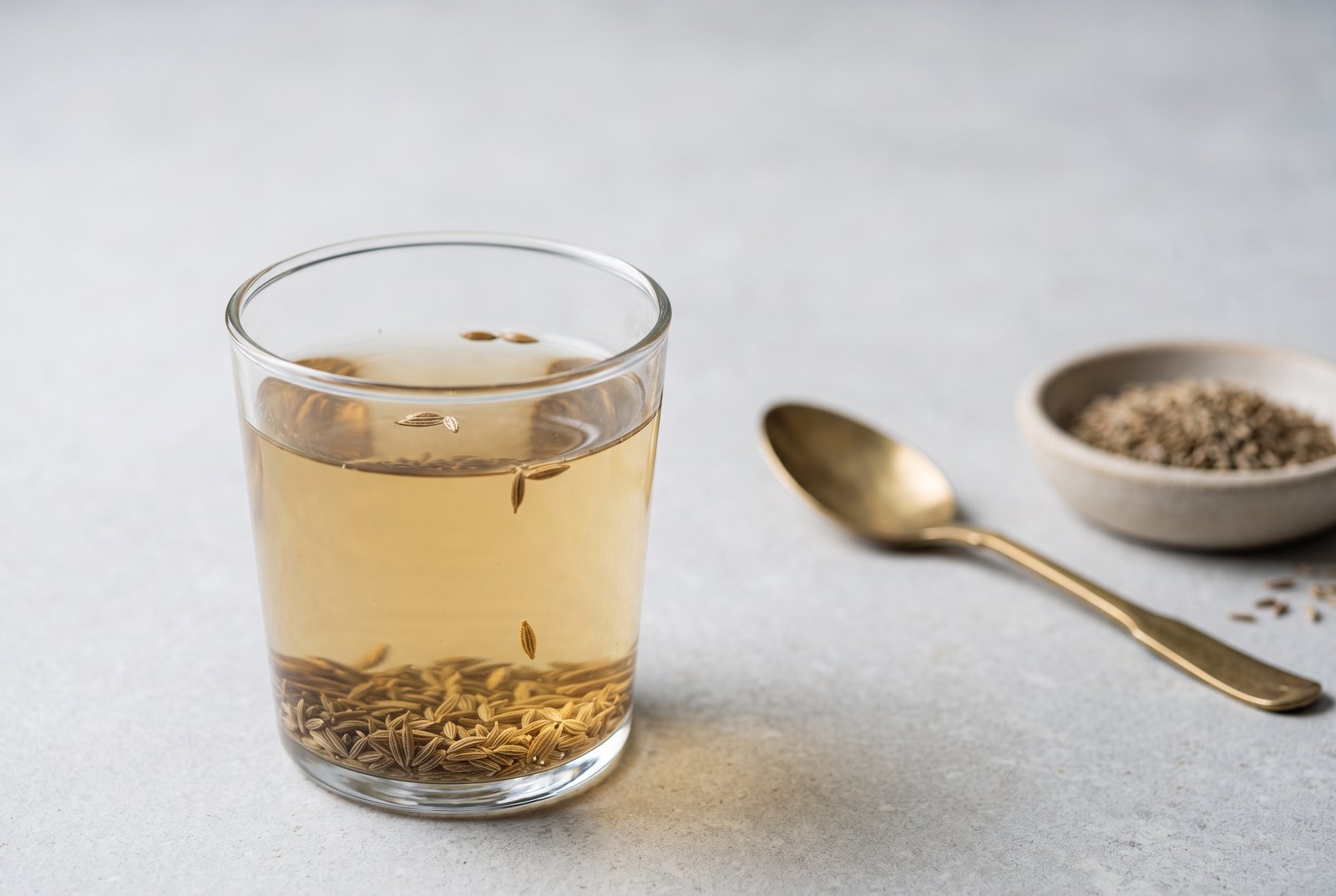
Jeera water is cumin seeds steeped in water, and it is a genuinely useful digestive drink wearing a very oversized set of claims. The honest position: preliminary human evidence for easing bloating and IBS symptoms, a long and consistent tradition behind drinking it after a heavy meal, thin and unreplicated evidence on blood sugar and cholesterol, and nothing worth acting on behind the weight loss, detox, glowing-skin and immunity claims that made it go viral. One teaspoon of seeds per cup of water is the whole recipe. If you take blood-sugar medication or blood thinners, mention it to a pharmacist rather than starting quietly.
Almost every Indian household has a version of this. Cumin seeds in hot water, drunk after a heavy dinner or first thing in the morning, offered whenever somebody says their stomach feels tight.
It is one of the few kitchen remedies where the traditional use and the modern evidence actually point the same way. That makes it unusual, and it makes it worth separating carefully from what the internet has since attached to it.
What jeera water is
Cumin seeds — jeera — steeped in water. That is the entire product.
There are three common versions and no meaningful difference in effect between them:
- Soaked (jeera pani). A teaspoon of seeds in a cup of water, left overnight, strained and drunk in the morning.
- Boiled (jeera tea). A teaspoon simmered in a cup of water for about five minutes, strained, drunk warm.
- Roasted and steeped. The seeds dry-roasted for half a minute first, then steeped. This is the one that tastes best by a wide margin, because roasting is what develops cumin’s flavour in the first place.
The mental model: jeera water is a weak infusion, not a supplement. A teaspoon of seeds contains a fraction of what a cumin capsule delivers, and that gap is the whole reason a cup of it is a low-risk thing to try.
What the evidence supports
Graded inline so you can see the strength of the support without leaving the sentence.
Bloating and IBS symptoms — preliminary, and the best cumin has
Small human trials of cumin preparations report real improvement in bloating, abdominal discomfort and the general symptom load of irritable bowel syndrome. The studies are small and short, and several used concentrated cumin oil rather than a cup of seed water. But the direction is consistent, and it matches what the drink has been used for in Indian homes for a very long time.
What that means for you: a cup after a heavy meal is a reasonable thing to try, and it may well help. It is not a treatment for a persistent gut problem, and a symptom that keeps coming back is a doctor’s appointment rather than another glass.
Settling a heavy meal — traditional, and consistent with the above
Centuries of use, a plausible mechanism, and the same finding arrived at independently by the trials. This is the strongest overall case on the page even though it is not the strongest single piece of evidence.
Blood sugar and cholesterol — preliminary and thin
There are small studies suggesting modest effects on fasting glucose and lipid markers. They are small, mixed, and have not been replicated at a size that should change what anyone eats or takes.
The part that actually matters here is the interaction, not the benefit. If cumin nudges blood sugar down at all, and you are already on medication that pushes it down, those two things stack. That is worth a sentence to your pharmacist and is the main safety point on this page.
Iron — true and misleading
Cumin is genuinely iron-rich by weight, and this fact gets quoted constantly. A teaspoon of seeds is about two grams, most of which you strain out and throw away. Jeera water is not an iron supplement and nobody should treat it as one.
Antioxidant and antibacterial activity — lab
Real in a dish. Unproven in a person. Almost every plant in your kitchen has the same paragraph written about it.
Skin, hair and “glow” — no evidence
There is no human evidence that drinking cumin water changes your skin or hair. What genuinely does change skin over a few weeks is drinking more water and sleeping better, both of which tend to travel with a new morning routine. The routine is doing it, not the seeds.
Detox, immunity, parasites — nothing
These are not weak claims, they are absent ones. Your liver and kidneys perform detoxification continuously and no infusion assists them. Treat any source promising the three of them together as a source that is not reading studies.
The weight-loss claim, unpacked
This is the reason most people arrive here, so it deserves the detail rather than a dismissal.
What is usually claimed: that jeera water on an empty stomach raises metabolism and burns belly fat.
What the studies actually are: a handful of small trials, typically a few dozen participants, running eight to twelve weeks, using cumin powder — often several grams a day, sometimes stirred into yoghurt — rather than a cup of strained seed water. In most of them, every participant was also put on a supervised calorie-reduced diet.
Why that matters: if two groups both diet and one also eats cumin, a small difference between them is a small difference. It is not evidence that cumin water melts fat, and it is a long way from what happens when someone adds a glass of jeera water to an unchanged diet.
What is honestly true:
- A warm drink before a meal takes up stomach volume and slows you down. That is a real, small effect and it is true of any warm drink.
- Replacing a sweetened morning drink with jeera water removes real calories. That is the swap working, not the cumin.
- The traditional use — settling a heavy stomach — makes people feel better after eating, and feeling better after eating is a genuinely useful thing that has nothing to do with fat loss.
The bottom line on weight: drink it because it is pleasant and it settles your stomach. Nothing on this site will tell you it is a weight-loss method, because the studies do not support that and the honest version of this page has to say so.
How to make it properly
The everyday version. Dry-roast 1 teaspoon of cumin seeds in a pan for about 30 seconds, until they darken slightly and you can smell them. Add to 1 cup of water, simmer 5 minutes, strain, drink warm.
The overnight version. 1 teaspoon of seeds in 1 cup of room-temperature water, covered, overnight. Strain and drink in the morning. Milder and less aromatic.
Jeera chaas, which is what many Indian households actually drink in summer: a pinch of roasted, ground cumin stirred into buttermilk with salt. More pleasant than either of the above, and it brings the buttermilk with it.
Three practical rules:
- Use whole seeds, not ground. Ground cumin makes a gritty, muddy drink that has to be strained through cloth and tastes worse.
- Strain it. Chewing the softened seeds is harmless but unpleasant and adds nothing.
- Never use cumin essential oil. Culinary infusions and essential oils are not the same category of thing, and the oil is concentrated far beyond anything a kitchen quantity delivers.
Who should be careful
A weak infusion of a teaspoon of seeds is well tolerated by most healthy adults. Three situations are worth naming.
Blood-sugar medication. The most important one. Any small glucose-lowering effect stacks with what the medication is doing. Mention it before making it a daily habit.
Blood thinners, or surgery coming up. The evidence here is thinner than for blood sugar, but the principle is the same and the cost of mentioning it is nothing.
Pregnancy, in concentrated forms. Cumin as food is food, and it is eaten throughout pregnancy across South Asia. Cumin oil, cumin capsules and several spoonfuls of seed a day are a different proposition, and that is where the caution belongs.
We do not publish a therapeutic amount here. The traditional culinary quantity is about a teaspoon of seed per cup, and if you are drinking it for a medical reason rather than because you like it, that is a conversation with a pharmacist rather than a website.
The bottom line
Jeera water is a good digestive drink with a real, if preliminary, case behind it and a genuine tradition supporting the same use. A teaspoon of roasted seeds in a cup of water, after a heavy meal or in the morning, is the whole method.
It is not a weight-loss tool, a detox, an iron supplement or a skincare routine. The moment a source promises all four at once, it has stopped reading studies and started writing copy.
Related reading:
Frequently asked questions
What does jeera water actually do?+
The defensible answer is digestive comfort. Cumin has early human evidence behind easing bloating and the symptoms of irritable bowel, and a very long tradition of being drunk after a heavy meal. Beyond that you are mostly getting the benefit of warm fluid on an empty stomach, which is real and is not a property of the cumin. The detox, immunity and fat-burning claims have nothing solid behind them.
Does jeera water help you lose weight?+
Barely, and not in the way it is sold. The trials people quote are small — often a few dozen participants over eight to twelve weeks — and most ran alongside a supervised diet, which would account for the result on its own. No study has shown that adding cumin water to an unchanged diet produces meaningful weight loss. If a glass of jeera water replaces a sweet drink, that swap is doing the work, not the cumin.
How do you make jeera water?+
Soak one teaspoon of cumin seeds in a cup of water overnight and drink it strained in the morning, or simmer one teaspoon in a cup of water for about five minutes and let it cool a little. Both work. Dry-roasting the seeds for thirty seconds first makes it taste considerably better and is the version most Indian households actually drink.
When should you drink jeera water?+
Whenever suits you. The morning-on-an-empty-stomach ritual is the version social media sells, and no study has ever compared it against any other time of day. Traditionally it is drunk after a heavy meal rather than before breakfast, which fits the digestive evidence better. Pick the time you will keep up.
Who should not drink jeera water?+
Anyone on blood-sugar medication should mention it to their doctor, since cumin may add a small lowering effect to what the medication is already doing. The same applies to blood thinners and to anyone with surgery scheduled. Concentrated forms — cumin oil, capsules, several spoonfuls a day — are a different thing from a cup of weak infusion, and are the ones to be careful with in pregnancy.
Is jeera water good for gas and bloating?+
This is the claim with the most support behind it, and it is still only preliminary. Small human trials of cumin preparations show real improvement in bloating and abdominal discomfort, and it is what the drink has been used for in Indian homes for centuries. A cup after a heavy meal is a reasonable thing to try. It is not a treatment for a persistent gut problem.
New: Google now lets you choose which sites it shows you first. One tap lifts our spice guides in your results — nobody else's — and you can undo it any time.
More on Cumin
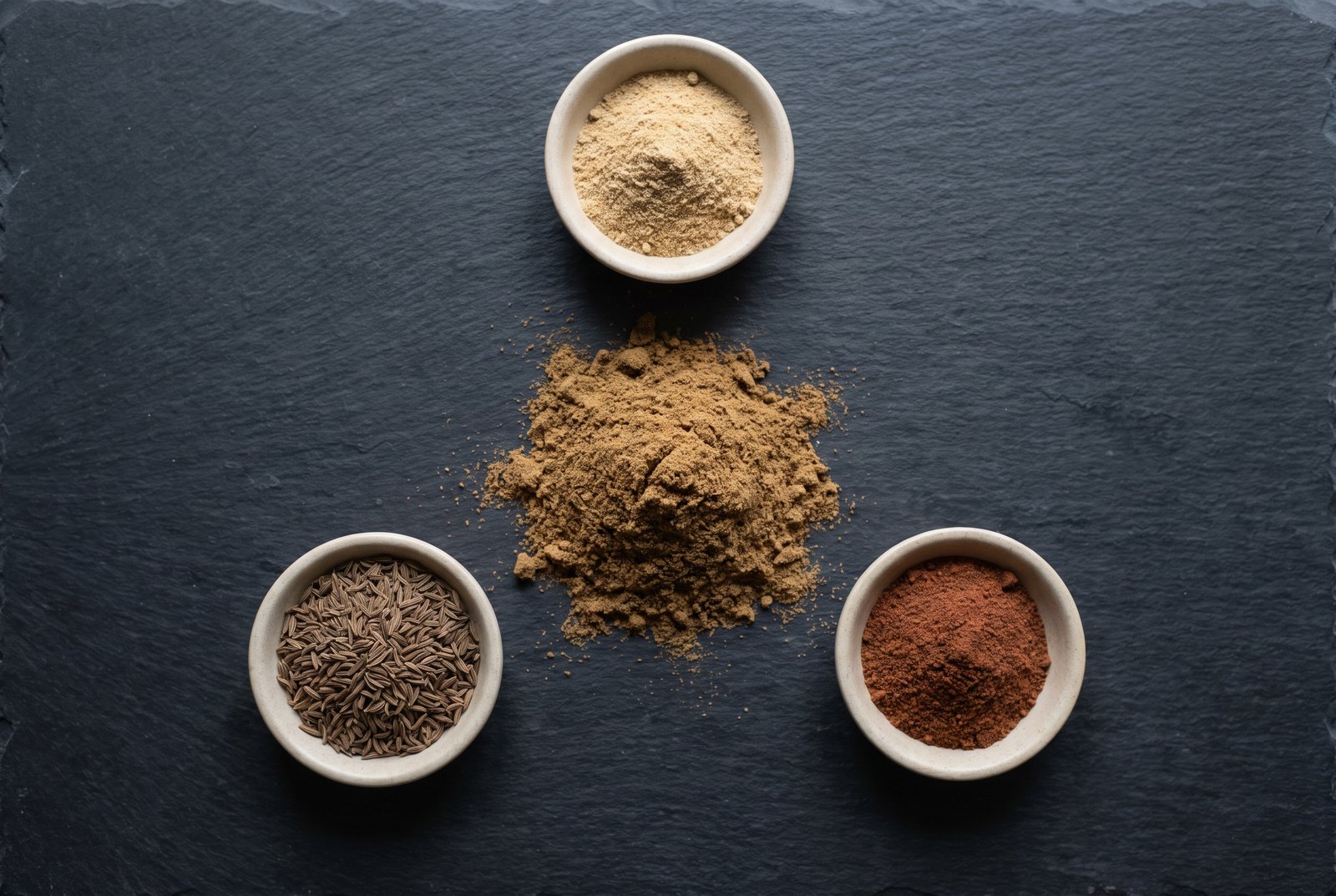
Cumin Substitute: What to Use, and How Much
The best cumin substitutes with exact swap amounts — ground coriander, caraway, chili powder, garam masala and taco seasoning — sorted by dish, plus the three swaps that quietly ruin a recipe.
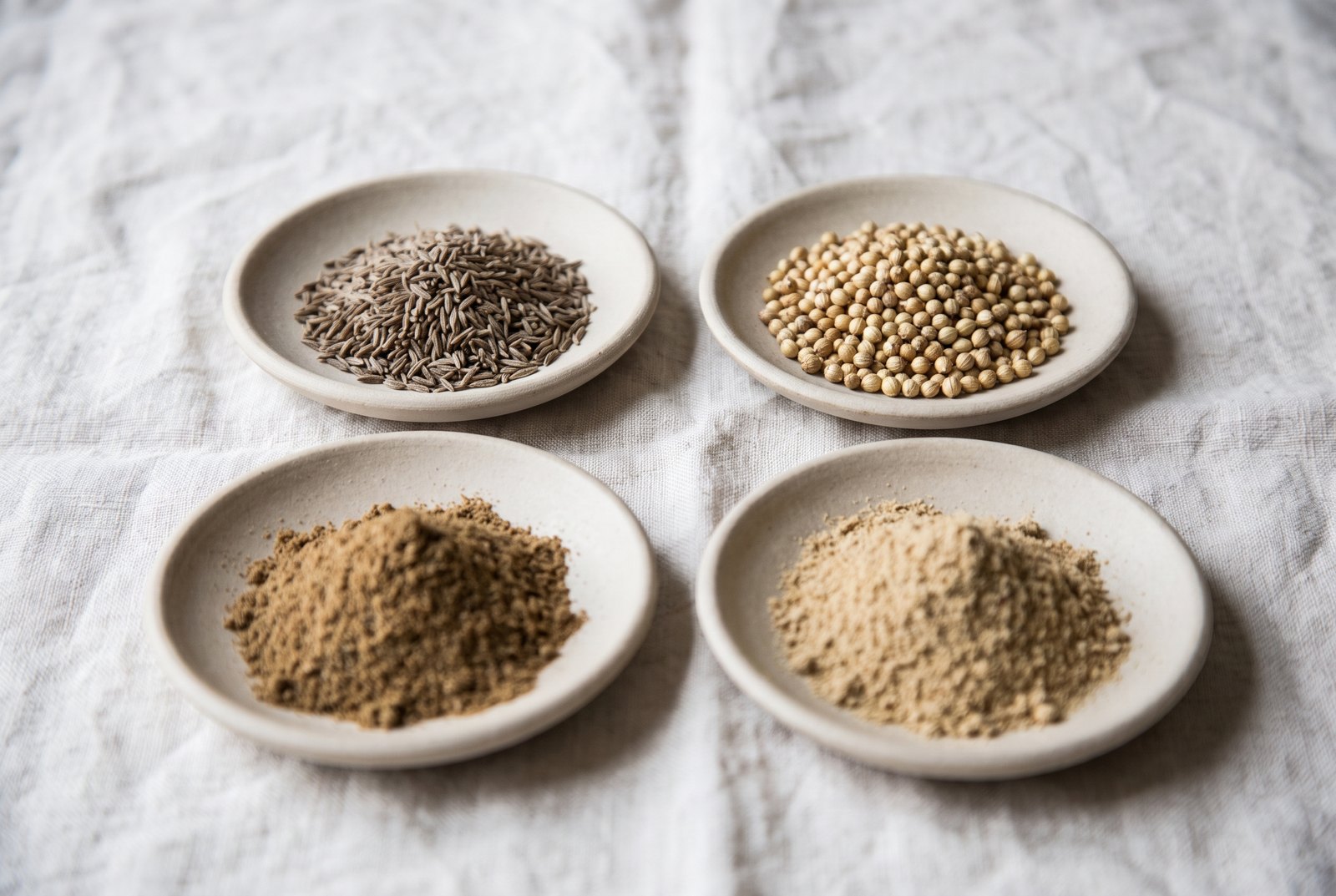
Cumin vs Coriander: Two Seeds, Two Jobs, and Why Recipes Use Both
Cumin and coriander are different plants doing different halves of one job. How they taste, how to tell them apart, why Indian cooking sells them pre-mixed as dhania-jeera, and whether you can swap one for the other.
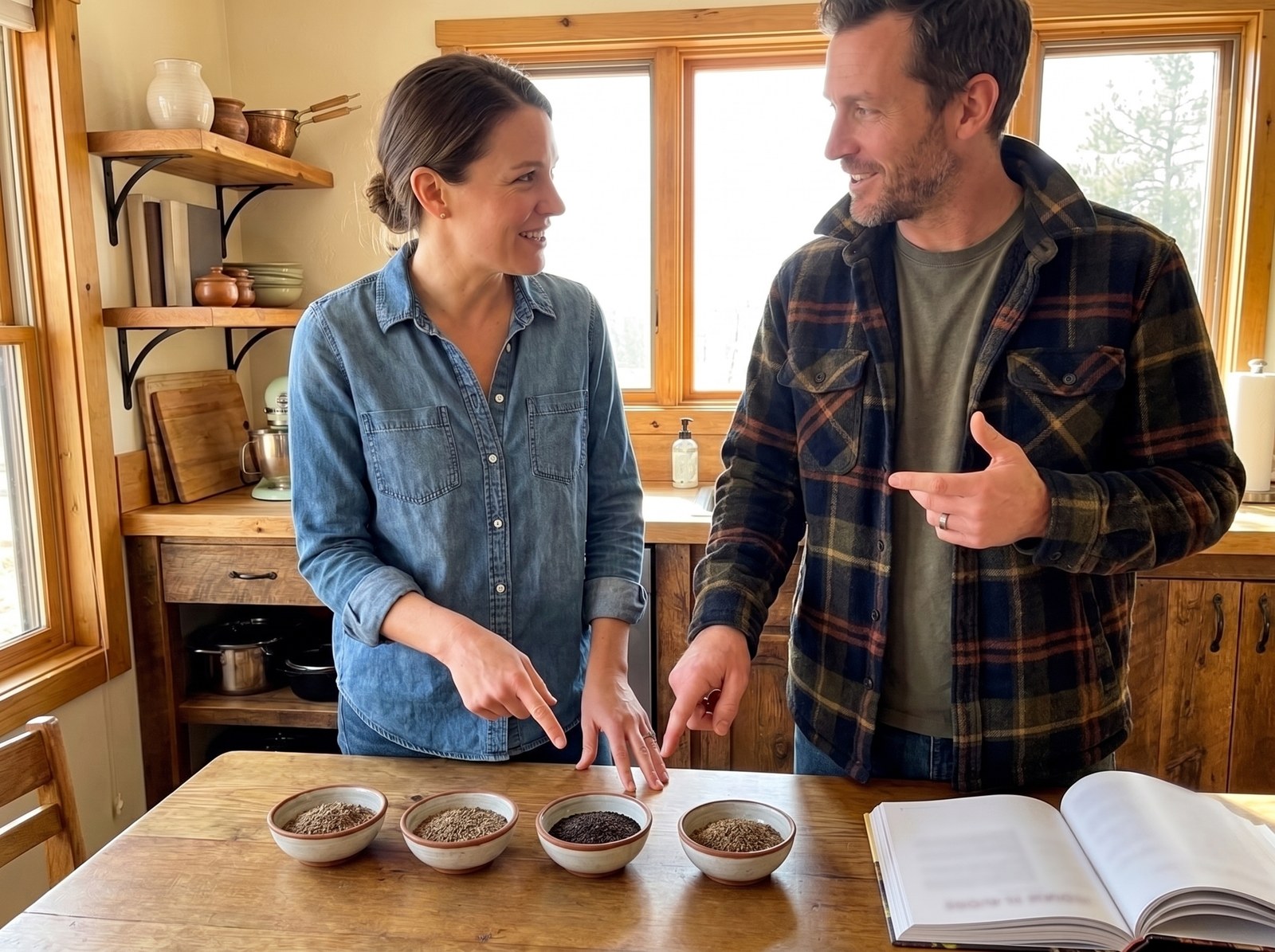
Jeera in English: Which of These Four Seeds Do You Actually Have?
Jeera, zeera, jira and geera are all cumin. Shahi jeera, kala jeera and black cumin usually are not. A plain guide to which seed is which, what each one is called in English, and how to tell them apart in the jar.