
Garam Masala
Best Garam Masala: How to Choose One, and Where to Buy It
Quick answer
Check three things on the label, in this order:
- Is green cardamom listed? If not, put it back. It is the expensive spice and the one that makes the blend recognisable.
- Is turmeric near the top? Then the jar is bulked out with the cheapest thing available, and you may be holding a curry powder in disguise.
- How many spices are there? Four is thin. Eight or more is a blend somebody designed.
Where to buy it: an Indian grocer if you have one, Amazon if you do not, the supermarket last. The supermarket is the most expensive per ounce and the slowest-moving stock.
And the honest answer: if you cook Indian food regularly, grinding your own beats every jar on this page, and it is not close.
Why this page does not rank ten brands
Every “best garam masala” article ranks products. Most of them have not tasted any of them, and the ones that have tasted a handful, once, from jars of unknown age.
That last point is the problem. Garam masala is a blend that fades, and the difference between a good jar and a mediocre one is smaller than the difference between a fresh jar and a six-month-old one of the same brand. A tasting ranking tells you which particular jars a writer opened. It does not tell you what is on the shelf near you today.
So this page does something more useful and more honest: it tells you what is checkable before you buy, and which category of blend suits which kind of cook.
We have not run a blind tasting. If we do, it will say so and it will publish the method.
Where a blend is named below, it is named as the example of its category — chosen on the label tests in the next section, which anyone can repeat, and not on a taste ranking we did not do. Ingredient lists get reformulated, so run the three tests on the listing yourself before you buy. One of the four categories has no recommendation at all, for reasons given there.
The three label tests
1. Green cardamom, or nothing
Green cardamom is the third most expensive spice in the world after saffron and vanilla, and it is the note people actually recognise as garam masala.
It is therefore the first thing a manufacturer cuts.
A blend without it can still smell warm and pleasant — cinnamon and clove will see to that — but it does not smell like garam masala, and no amount of it in a dish will produce the effect you were after. If cardamom is not on the list, the jar has failed.
2. Turmeric near the top means padding
Traditional garam masala contains no turmeric. It is what makes curry powder yellow, and the two are different products for different moments in a dish — the full comparison is in curry powder vs garam masala.
Turmeric is also cheap, mild and strongly coloured, which makes it the ideal thing to bulk a blend with. A pinch far down an ingredients list is unremarkable. Turmeric in the first three, in a jar labelled garam masala, means somebody is selling you volume.
3. Length of list
Ingredients are listed by weight, and a real blend has a lot of them.
- Four or five — thin. Usually coriander, cumin, cinnamon, pepper. Missing the aromatics that matter.
- Eight to twelve — a proper blend. Look for black cardamom, mace and nutmeg: these three are the most commonly omitted and the ones that separate a good blend from a merely warm one.
- Three, in a Bengali-style blend — the exception. Cardamom, cinnamon and clove only, and that is by design rather than economy.
The four kinds of blend on sale, and who each suits
Indian mass-market brands
The big Indian names, sold in South Asian groceries and on Amazon, usually in foil pouches or cardboard boxes rather than glass jars.
In their favour: far better value, particularly in the larger sizes; more assertive and closer to what garam masala tastes like in India; and a much faster turnover on an Indian grocer’s shelf, which in practice means fresher product.
Against: more variable between batches, and more likely to contain chilli, which matters if you are also seasoning the dish for heat. Some are aimed at export markets and are milder than the domestic version of the same name.
Suits: anybody who cooks Indian food regularly, and anybody who thinks a supermarket blend tastes of nothing.
The one we point people at in this category is Rani’s 11-spice garam masala, on the length test above — eleven spices is a blend somebody designed rather than a short list padded out, and it is sold salt-free, which matters because a salted blend cannot be added freely to a dish you are already seasoning. As an Amazon Associate we may earn from qualifying purchases.
Supermarket house and legacy brands
The jar in the spice aisle of an ordinary American supermarket.
In their favour: available now, consistent, and mild enough that they will not surprise anyone at the table.
Against: the most expensive route per ounce by some distance, the shortest ingredient lists, and the stock moves slowly because garam masala is a low-volume line in a Western supermarket.
Suits: the cook who needs it tonight for one recipe. That is a real need and there is nothing wrong with meeting it.
Spice Islands garam masala is the standard example of the category, in the small 3oz jar that is the right size for it — buy the amount you will finish in a season rather than the best value per ounce, because this is the tier most likely to sit open for a year. As an Amazon Associate we may earn from qualifying purchases.
Organic and co-op brands
The health-food-shop tier — organic certification, glass jars, small quantities.
In their favour: genuinely careful sourcing, and the organic certification is meaningful for ground spices.
Against: small jars at high prices, and the ingredient lists are often shorter than the price suggests. Check for black cardamom specifically; it is frequently absent.
Suits: cooks who buy organic across the board and use spice slowly.
Frontier’s bottled garam masala is the co-op blend most people meet, and the 2oz bottle is honest about what this tier is for — a small quantity, used slowly, replaced before it goes flat. As an Amazon Associate we may earn from qualifying purchases.
Single-origin and small-batch American blends
The premium end — named farms, recent grind dates, small jars, prices several times the supermarket.
In their favour: this is where the real quality difference lives, and it is a difference of freshness and sourcing, not of recipe. A recently ground blend from named origins is a noticeably better thing and you can smell it through the lid.
Against: expensive, and the value collapses the moment the jar has been open four months. Buying premium and using it slowly is the worst combination on this page.
Suits: cooks who will finish a small jar in a season and want the best version of it.
We have nothing to point you at here, and that is the honest answer rather than a gap. The blends in this tier are mostly sold direct by the roasters themselves and go in and out of stock — the best known of them was unavailable when this page was last checked. If you want this tier, buy it from the roaster’s own site rather than accepting a marketplace substitute, and check the grind date before the price. We will name one here when there is one worth naming that you can reliably get.
The premium tier is not selling you a better recipe. There is no better recipe — garam masala is a household blend and every brand is somebody’s household. What the money buys is freshness. Judge it on that and it is often worth it.
Where to buy it
An Indian or South Asian grocer, if there is one within reach. This is the underrated answer. The stock turns over fast, the sizes are larger and much cheaper, the brands are the ones people actually cook with, and you can usually buy the whole spices at the same time. Bring cash and expect no shelf labels.
Amazon, for everything else. Every category above is available, including Indian brands that no US supermarket stocks and small-batch American blends with no retail presence. Read the ingredients panel in the images before ordering — the product title tells you nothing.
Ordinary supermarkets, for tonight. One or two options in the spice aisle, small jars, highest price per ounce.
A note on ordering from India. Search results for “best garam masala brand” are full of pages ranking Indian domestic brands with rupee prices. Those pages are written for shoppers in India. The brands are often good, but the rankings do not describe what is available or sensibly priced in the United States, and it is worth noticing which country a recommendation is written for before acting on it.
When buying any of them is the wrong answer
If you cook Indian food more than about once a fortnight, stop buying ground garam masala.
The arithmetic is simple. Whole spices hold their volatile oils for two to three years. A ground blend is past its best in three or four months. So a bag of cardamom pods bought once will still be making excellent garam masala long after four commercial jars have gone flat, and it costs less.
It takes about twenty-five minutes to make a batch that lasts a season, and needs nothing but a dry pan and a cheap electric grinder kept for spices. The method, with the Punjabi and Kashmiri variations, is in how to make garam masala.
If you cook Indian food twice a year, buy the smallest jar of something with cardamom on the label and do not think about it again.
The freshness test, for a jar you already own
Open it and smell it without lifting it to your face.
A fresh blend is loud. You should get cardamom and clove from a foot away. A stale one has to be held under your nose and reads as a general dusty warmth with no individual spice standing out.
If yours fails that test, it is not ruined — but it is no longer doing the job garam masala exists for, which is to perfume a dish in the last minute of cooking. Use it up early in dishes as a background spice, and buy or grind a fresh one for finishing.
Frequently asked questions
What should I look for in a garam masala?+
Three things, in order. First, green cardamom on the ingredients list — it is the expensive spice and the one that defines the blend, and a manufacturer who left it out left out the point. Second, no turmeric near the top of the list, because turmeric is cheap and is used to bulk a blend out. Third, a length of list that suggests somebody thought about it: four ingredients is thin, eight or more is a real blend. Colour and price tell you far less than any of those.
Where can I buy garam masala?+
An Indian or South Asian grocer is the best answer if there is one within reach — the turnover is faster, the bags are larger and cheaper, and the brands on the shelf are the ones people actually cook with. Amazon carries every category, from Indian mass-market brands to single-origin American blends. Ordinary supermarkets stock it in the spice aisle, usually one or two options, and it is the most expensive route per ounce. Health food shops carry the organic co-op brands.
Is expensive garam masala worth it?+
Sometimes, and not in the way the price suggests. What you are paying for at the top of the market is freshness and sourcing — spices ground recently, from named origins, in small jars. That is a real difference and you can smell it. What you are not paying for is a better recipe, because there is no such thing; garam masala is a household blend and the premium version is simply somebody's household blend. A cheap fresh blend beats an expensive stale one every time.
Which is better, Indian brands or Western brands of garam masala?+
Indian mass-market brands tend to be more assertive, closer to what the blend tastes like in India, and much better value in the larger bags — they are also more variable and often contain more chilli. Western supermarket and co-op brands tend to be milder, more consistent, more expensive per ounce and more likely to be missing black cardamom or mace. Neither category wins outright. If you cook Indian food regularly, the Indian brands are usually the better buy.
How can you tell if garam masala is fresh?+
Open it and smell it without lifting it to your face. A fresh blend is loud — you should get cardamom and clove from a foot away. A stale one has to be held under your nose, and reads mostly as dusty warmth. Colour is a poor guide, since blends legitimately range from tan to nearly black. If a jar has been open more than about four months it is past its best, whatever the date on the bottom says.
Should I buy whole spices and grind my own instead?+
If you cook Indian food more than once a fortnight, yes. Whole spices keep their oils for two to three years where a ground blend fades in months, so grinding your own means every batch is fresher than anything you can buy. It takes about twenty-five minutes for a batch that lasts a season, and needs only a cheap electric grinder. If you cook Indian food twice a year, buy a small jar of something decent and do not overthink it.
Does garam masala expire?+
It does not become unsafe, but it does become pointless. The volatile oils that make the blend worth using dissipate steadily once the jar is opened — three to four months is when a ground blend is at its best, and after a year it is mostly colour and dust. Buy the smallest jar you will actually finish rather than the best value per ounce, unless you are cooking Indian food weekly.
New: Google now lets you choose which sites it shows you first. One tap lifts our spice guides in your results — nobody else's — and you can undo it any time.
More on Garam Masala
Curry Powder vs Garam Masala: What Is Curry Powder, Really?
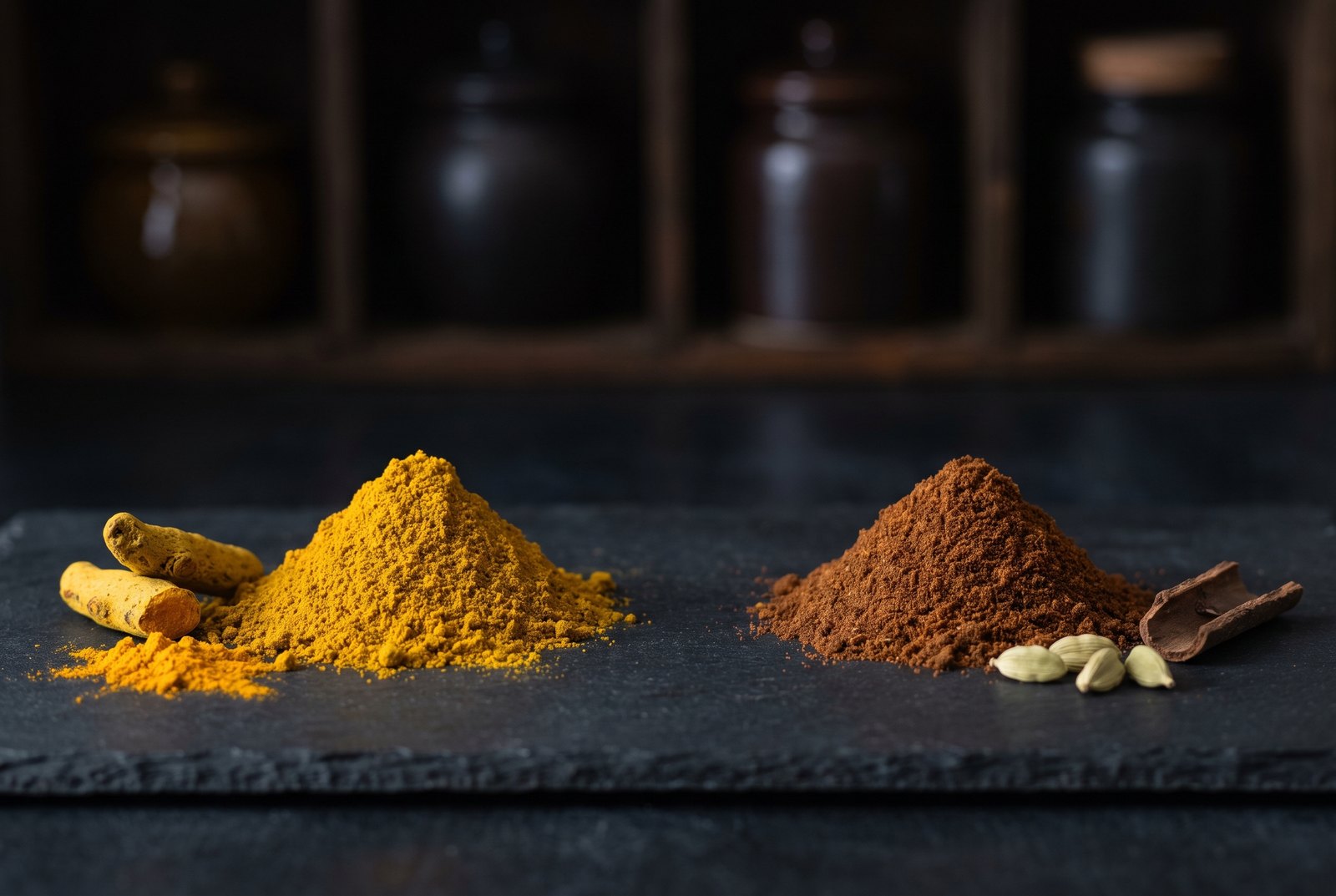
Curry powder and garam masala are not two versions of the same thing. What curry powder actually is, why no Indian kitchen has a jar of it, when each one goes into the pot, how to substitute either — and what to use when a recipe calls for curry powder and you have none.
Garam Masala Substitute: What to Use, by Dish
The best garam masala substitutes with exact amounts — the two-spice cheat, a five-spice mix from a normal rack, and the three shop blends that come closest — plus why curry powder is the swap that changes your dish most.
Garam Masala Recipe: How to Make It at Home
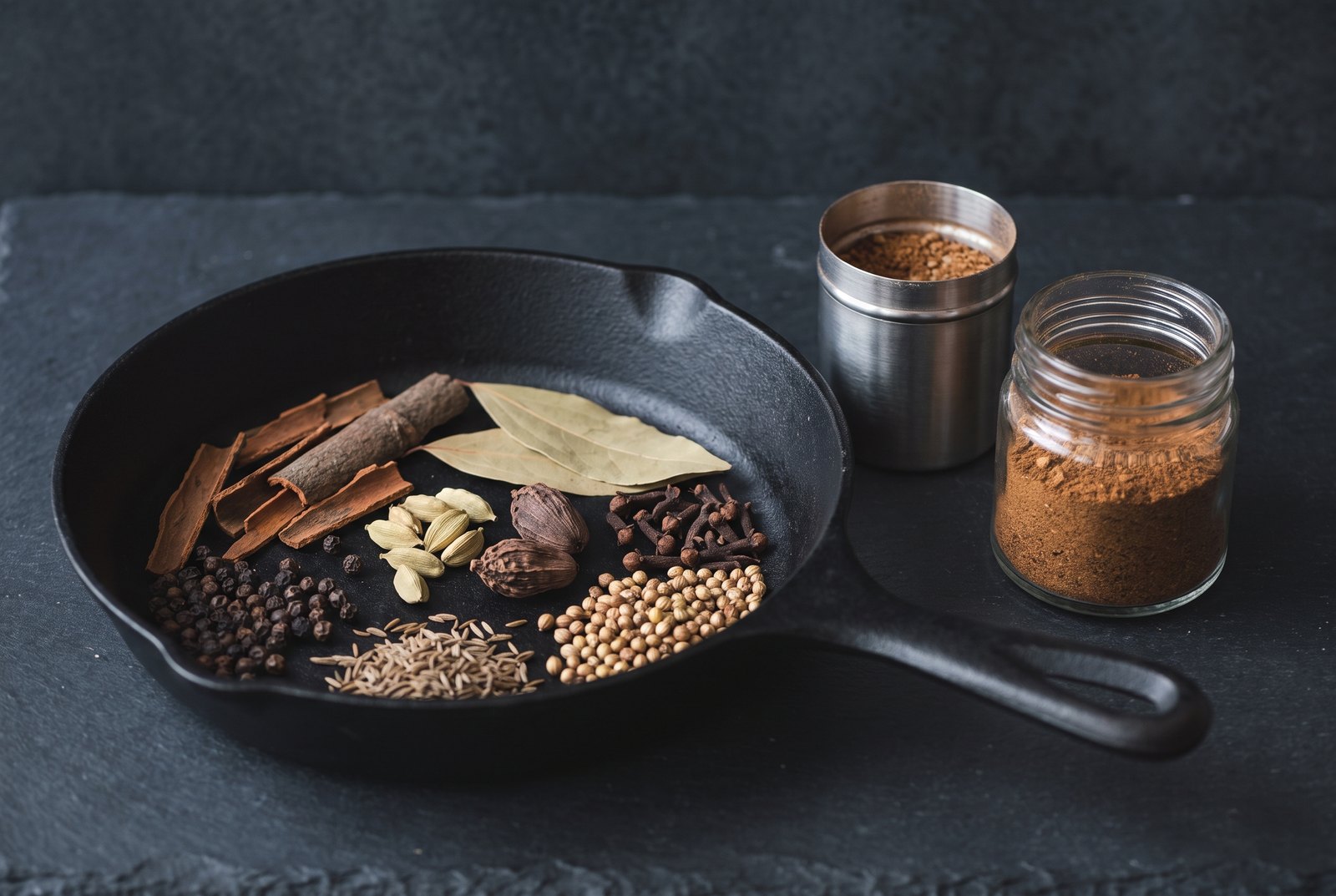
A homemade garam masala recipe with exact weights, plus the Punjabi and Kashmiri versions — which spices to roast, how long, how fine to grind, how long it keeps, and why a fresh blend beats a supermarket jar by a distance.