
Garam Masala
Garam Masala Substitute: What to Use, by Dish
Quick answer
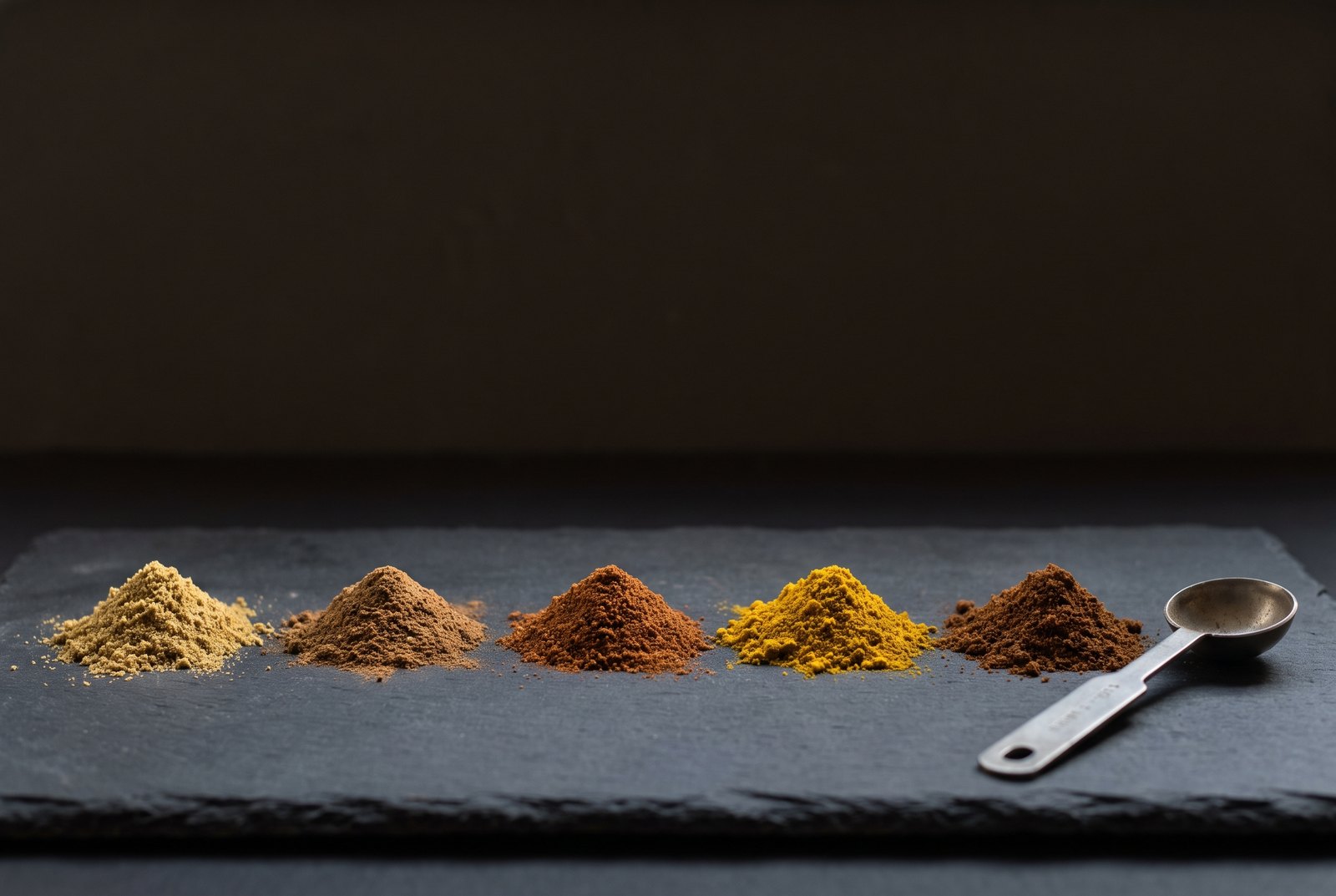
Two spices you probably already have: half a teaspoon of ground cumin plus half a teaspoon of ground allspice, per teaspoon of garam masala.
Better, if the rack allows it: ¼ tsp each of ground cumin, coriander, cardamom and black pepper, plus ⅛ tsp each of cinnamon and clove. That is a teaspoon, and it is a real garam masala in everything but the roasting.
The best thing you can buy: baharat, one for one. Almost the same ingredient list, and nobody in your kitchen will know.
Curry powder works but changes the dish — the turmeric in it will turn the food yellow. Three quarters of a teaspoon, added earlier.
Garam masala is the spice most often missing at the worst moment, because it is the last thing a recipe asks for.
You are forty minutes into a curry, the pot is nearly done, and the instruction is a single line at the very end: stir in one teaspoon of garam masala. There is no time to go out and nothing else in the recipe to hide behind.
The good news is that garam masala substitutes better than most blends, because it is a blend — you are not looking for one plant that tastes like another, you are rebuilding a mixture, and the pieces are ordinary.
The swaps, by amount
Every amount below replaces one teaspoon of garam masala.
| Substitute | Amount | How close | Notes |
|---|---|---|---|
| Baharat | 1 tsp | Very close | Nearly the same list. Contains paprika, no turmeric |
| Homemade mix, six spices | 1 tsp | Very close | Recipe below. The best answer if your rack is stocked |
| Cumin + allspice, equal parts | ½ tsp + ½ tsp | Good | The two-spice cheat. Works far better than either alone |
| Ras el hanout | 1 tsp | Good | More floral. Sometimes contains rose or lavender |
| Chinese five-spice | ½ tsp | Fair | Star anise dominates. Better in braises than in dals |
| Curry powder | ¾ tsp | Fair | Turns the dish yellow. Add earlier, not at the end |
| Pumpkin pie spice + cumin | ½ tsp + ½ tsp | Fair | Emergency only. The pie spice brings ginger you did not want |
| Chaat masala | — | Do not | Sour and salty, built on black salt and dried mango. A different job entirely |
The six-spice mix, which is the real answer
If you have single ground spices in the cupboard, do this. It takes ninety seconds and it is not really a substitute — it is garam masala, unroasted.
Per one teaspoon of garam masala:
- ¼ tsp ground cumin
- ¼ tsp ground coriander
- ¼ tsp ground cardamom
- ¼ tsp ground black pepper
- ⅛ tsp ground cinnamon
- ⅛ tsp ground cloves
Scale it up and make a small jar while you are at it. What it lacks against a proper blend is the toasted depth that comes from dry-roasting whole spices, and the smoke of black cardamom. In a finished dish, at the end of cooking, that gap is small.
If you are short a spice, drop the black pepper or the coriander. Cardamom, cinnamon and clove are the three doing the recognisable work, and cumin is what stops it tasting sweet. Those four are the ones to protect.
Baharat, which nobody mentions
This is the most useful thing in this article.
Baharat is the standard warm blend of the Levant and the Gulf — the word simply means spices in Arabic — and it is stocked in most Western supermarkets and every Middle Eastern grocer. Its ingredient list is black pepper, cumin, coriander, cinnamon, clove, cardamom and nutmeg, usually with paprika.
Compare that to garam masala’s core seven. It is the same blend with paprika added and, crucially, no turmeric, which is the thing that makes curry powder the wrong shape for this job.
Swap it one for one. In a finished curry, dal or rice dish, most people would not be able to name the difference. It is slightly sweeter and a shade redder from the paprika.
Ras el hanout is the North African equivalent and the next closest. It is a good swap too, but it tends to carry dried rose, lavender or nigella, so it reads more floral and more distinctly perfumed.
Curry powder, and why it is the most common wrong answer
This is what most people reach for, and it is not a disaster — but it is the substitute that changes the dish most, in two ways at once.
Colour. Curry powder is built around turmeric. Garam masala contains none. Stir curry powder into a pale korma or a cream-based dish and it will go yellow, immediately and irreversibly.
Timing. Curry powder is a base seasoning designed to be cooked in from the start, with turmeric and coriander that want heat and time. Garam masala is a finishing blend of volatile aromatics that want neither. Adding curry powder at the very end leaves a raw, dusty edge that has not had time to cook out.
So if curry powder is genuinely all you have: use three quarters of a teaspoon, add it a good five minutes before the end rather than at the last second, and accept the colour.
The two blends are compared properly, including why one exists at all, in curry powder vs garam masala.
By dish
Rich curries, dals, chole, anything with tomato or cream — baharat, or the six-spice mix. These dishes are robust enough to take any of the good swaps.
Biryani and pulao — the six-spice mix, weighted towards cardamom and cinnamon. Rice dishes are about perfume, so protect the aromatic half and let the cumin go.
Yoghurt marinades and grilled meat — baharat is excellent here; the paprika in it is an asset rather than a compromise.
Slow-braised meat — Chinese five-spice earns its place, at half strength. The long cooking and the strong meat can carry the star anise.
Light or pale dishes — korma, a cream sauce, a delicate fish curry — the six-spice mix, or leave it out. Do not use curry powder here. The colour change is the whole risk and this is where it lands.
When to leave it out instead
If garam masala is one of six spices in the recipe, omitting it costs you aroma and nothing else. The dish will be flatter and perfectly edible.
If garam masala is the only spice in the recipe — which happens more often than you would think in quick weeknight recipes — there is nothing left to make it taste of anything. Use one of the swaps above.
The rule: substitute when the blend is carrying the dish, omit when it is decorating it.
And afterwards
If this happens more than once, making your own is the fix. Whole spices keep for years where a ground blend keeps for months, so a bag of cardamom pods and a cheap grinder means the jar is never empty again.
Frequently asked questions
What can I use instead of garam masala?+
Equal parts ground cumin and ground allspice is the fastest usable swap — half a teaspoon of each replaces a teaspoon of garam masala. If your spice rack allows it, a better mix is a quarter teaspoon each of ground cumin, coriander, cardamom and black pepper plus an eighth of a teaspoon each of cinnamon and clove, per teaspoon. Baharat, the Middle Eastern warm blend, is the closest single thing you can buy in a Western supermarket and swaps one for one.
Can I use curry powder instead of garam masala?+
You can, and it will work, but understand what changes. Curry powder is built on turmeric, so it will turn your dish yellow, and it is designed to be added early rather than at the end. Use about three quarters of a teaspoon of curry powder per teaspoon of garam masala, add it earlier in the cooking, and expect a flatter, more uniform flavour and a noticeably different colour. It is the most common substitute and the one that changes the dish most.
Is allspice a good substitute for garam masala?+
On its own, no — it is a single spice standing in for a blend, and it reads as sweet and slightly clove-like without the savoury base. Mixed half and half with ground cumin, it becomes genuinely good, because the cumin supplies the earthy floor that allspice lacks and allspice supplies the warm sweet aromatics that cumin lacks. That two-spice mix is the best substitute most people can make from what is already open.
Can I use Chinese five-spice instead of garam masala?+
In a pinch, at about half a teaspoon per teaspoon of garam masala. The two blends genuinely overlap — cinnamon, clove and fennel are in both — but five-spice is dominated by star anise, which garam masala usually is not, so the result leans strongly towards licorice. It works better in a slow-braised meat dish than in a dal or a light curry, and it is more assertive than garam masala, so start with less.
What is the closest shop-bought blend to garam masala?+
Baharat. It is the Middle Eastern warm blend and it shares almost the whole ingredient list — black pepper, cumin, coriander, cinnamon, clove, cardamom and nutmeg — with paprika added and no turmeric. It swaps one for one and most people would not name the difference in a finished dish. Ras el hanout is the next closest but is more floral and often contains dried rose or lavender.
How much substitute do I use for one teaspoon of garam masala?+
One for one for baharat and for a homemade mix from single spices. Half a teaspoon for Chinese five-spice, which is stronger. Three quarters of a teaspoon for curry powder, added earlier in the cooking. Half a teaspoon each of cumin and allspice for the two-spice cheat. In every case, taste before you add the second half — substitutes vary far more in strength than garam masala does.
Can I just leave garam masala out?+
Yes, if it is one of several spices in the recipe. The dish will be less aromatic and slightly flatter, but it will not be wrong. Leaving it out is the better choice when the alternative is a substitute that fights the dish — curry powder in a pale korma, or five-spice in a delicate dal. The exception is a recipe where garam masala is the only spice, in which case there is nothing left to make it taste of anything, and any of the swaps here beats omitting it.
New: Google now lets you choose which sites it shows you first. One tap lifts our spice guides in your results — nobody else's — and you can undo it any time.
More on Garam Masala
Best Garam Masala: How to Choose One, and Where to Buy It
How to pick a garam masala that is worth buying — the three things on the label that decide it, the four kinds of blend on sale in the US and who each suits, why the Indian grocer beats the supermarket, and when buying any of them is the wrong answer.
Curry Powder vs Garam Masala: What Is Curry Powder, Really?
Curry powder and garam masala are not two versions of the same thing. What curry powder actually is, why no Indian kitchen has a jar of it, when each one goes into the pot, how to substitute either — and what to use when a recipe calls for curry powder and you have none.
Garam Masala Recipe: How to Make It at Home
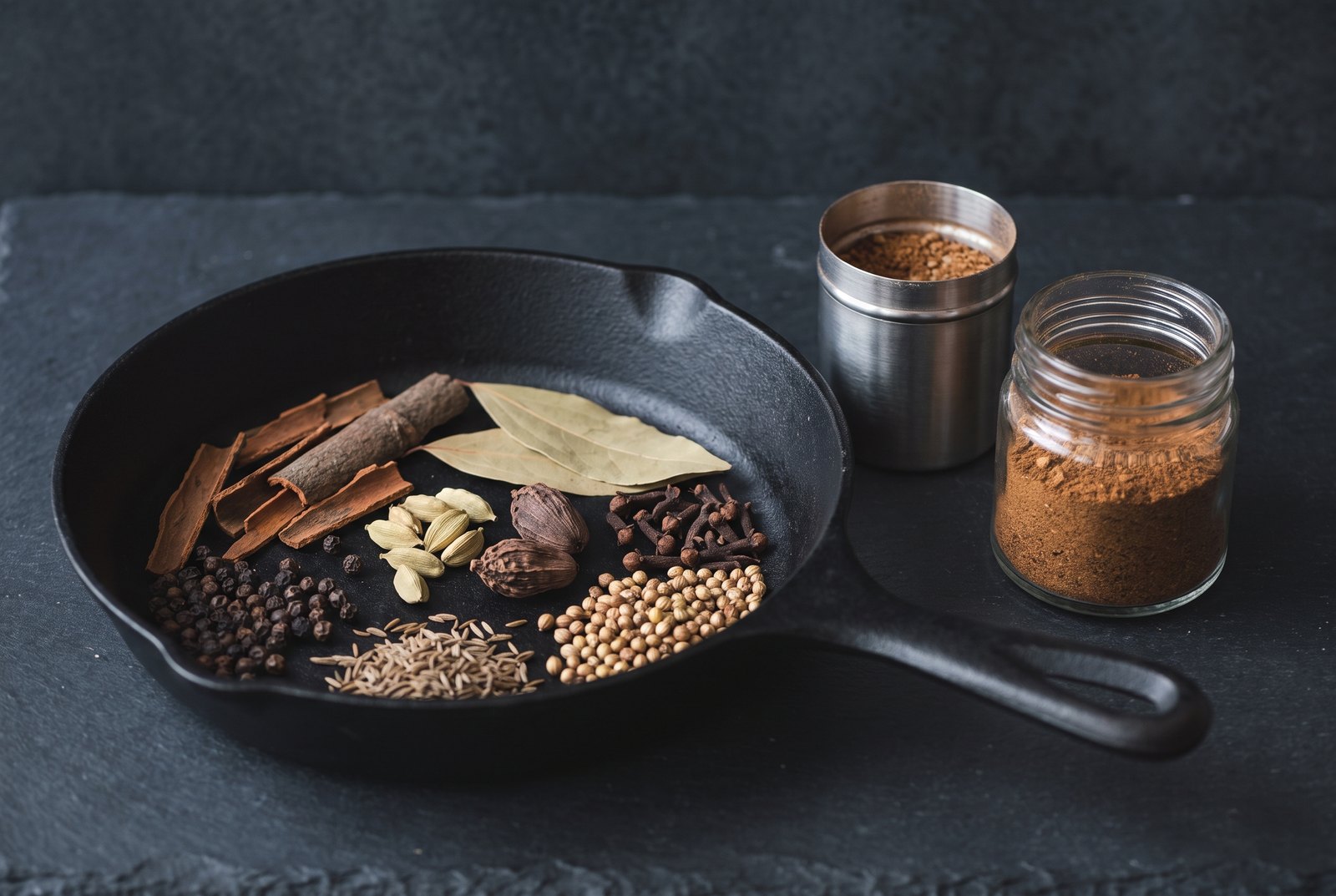
A homemade garam masala recipe with exact weights, plus the Punjabi and Kashmiri versions — which spices to roast, how long, how fine to grind, how long it keeps, and why a fresh blend beats a supermarket jar by a distance.