
Garam Masala
Garam Masala Recipe: How to Make It at Home
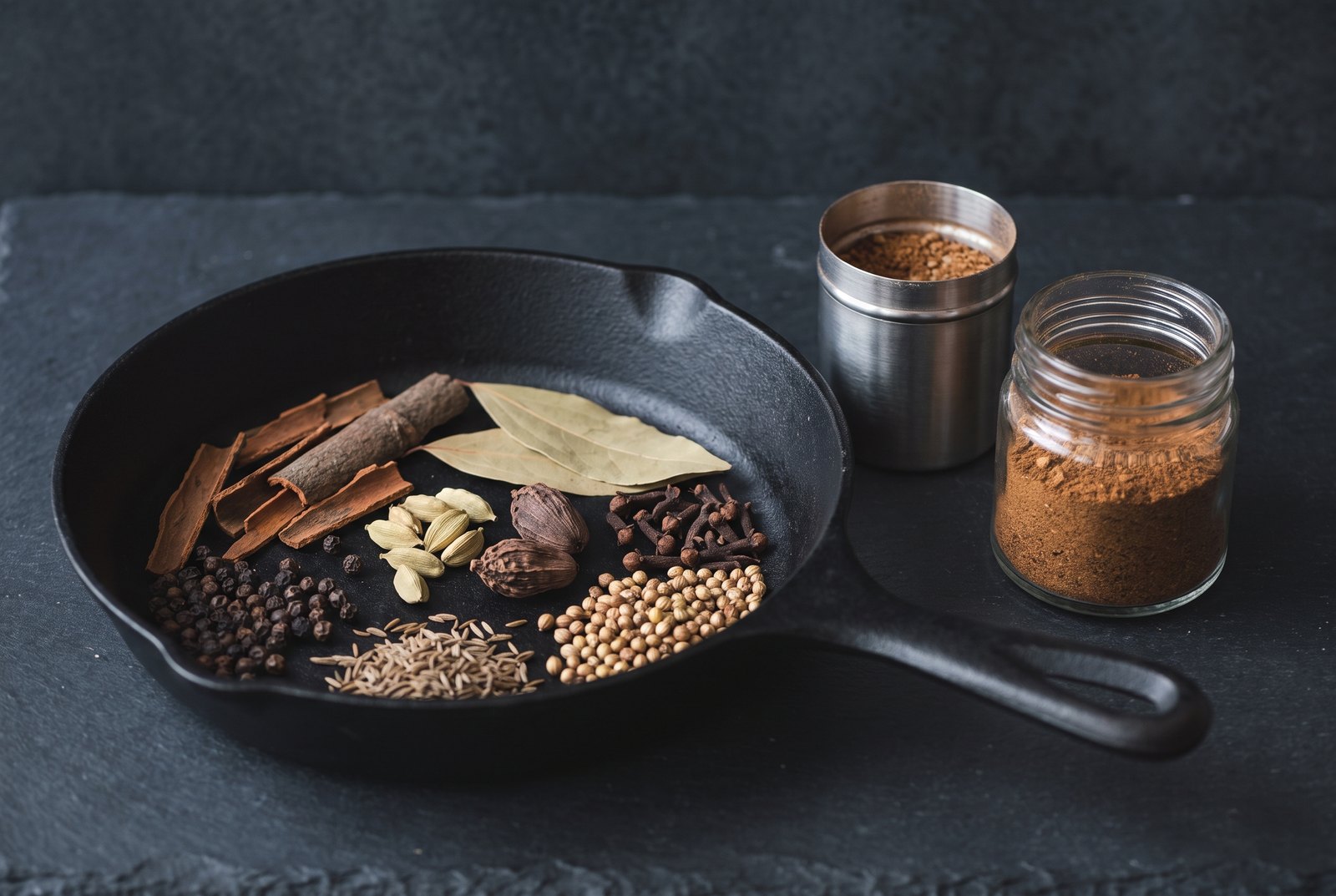
Quick answer
Dry-roast, cool completely, grind fine, store small. That is the whole method, and the cooling step is the one people skip.
The base blend, which makes roughly six tablespoons:
- 2 tbsp coriander seed
- 1 tbsp cumin seed
- 1 tsp black peppercorns
- Seeds from 10 green cardamom pods
- 2 black cardamom pods, whole
- 2 inch piece of cinnamon or cassia bark, snapped up
- 1 tsp whole cloves
- 2 dried bay leaves
- ¼ of a whole nutmeg
- 1 blade of mace, if you have it
Roast over low heat for two to four minutes, until they smell toasted and the cumin darkens a shade. Cool for twenty minutes. Grind. Done.
There is one good reason to make your own garam masala and it is not authenticity.
It is that ground spices go flat and whole spices do not. A jar of supermarket garam masala was ground in a factory, shipped, warehoused, shelved and then opened in your kitchen, and by the time you use the last of it the blend can be two years past grinding. The whole cardamom pods in a bag on your shelf will still be fragrant in three years.
Grinding your own is not a purist’s exercise. It is the difference between a spice you can smell across a room and one you have to hold up to your face.
The spices, and what each one is doing
You do not need all of these. You do need to know which job you are removing if you leave one out.
| Spice | Amount | What it contributes |
|---|---|---|
| Coriander seed | 2 tbsp | The volume. Mild, citrusy, slightly sweet — it carries everything else |
| Cumin seed | 1 tbsp | The savoury base. Earthy and nutty once roasted |
| Green cardamom | 10 pods, seeds only | The perfume. The single most recognisable note in the blend |
| Black cardamom | 2 pods, whole | Smoke and depth. Powerful — two is plenty |
| Cinnamon or cassia | 2 inch piece | Sweet warmth. Cassia is stronger and darker; either is fine here |
| Cloves | 1 tsp | The sharp medicinal edge. The easiest spice in the list to overdo |
| Black peppercorns | 1 tsp | Almost all of the actual heat |
| Bay leaf | 2 leaves | A herbal lift that stops the blend reading as dessert |
| Nutmeg | ¼ whole | Sweet and woody. Small amount, large effect |
| Mace | 1 blade | Nutmeg’s lacier cousin — finer, more floral |
No turmeric, and usually no chilli. Turmeric is what makes curry powder yellow, and it does not belong here. If you want heat, add chilli to the dish rather than to the blend, so you can control the two separately.
The method, properly
1. Roast low, and stop early
Put everything except the nutmeg and mace into a dry pan — no oil — over a low flame. Keep it moving.
You are waiting for the smell to change, not for colour. It takes two to four minutes. The cumin will darken by roughly one shade and the whole pan will start to smell like an Indian restaurant kitchen. That is the moment.
Burnt spices make a bitter blend and there is no fixing it. If the pan smells sharp rather than toasted, or if the cumin has gone properly brown, throw it out and start again. It is a pound of ingredients and twenty minutes; a bitter batch will ruin every dish you use it in for the next three months.
Some cooks roast each spice separately, because a coriander seed and a cinnamon stick do not toast at the same rate. It is better. It is also four times the work, and roasting them together is what most Indian households actually do.
2. Cool completely
Tip the roasted spices onto a cold plate and spread them out. Leave them twenty minutes, until they are properly at room temperature.
This is the step recipes mention in four words and nobody obeys. Two things go wrong if you grind warm spices: they gum up and cake against the grinder wall instead of powdering, and the residual steam condenses inside the storage jar, which is how a blend clumps and loses its life in a fortnight.
Grate the nutmeg now, while you wait. It goes in at the grinding stage rather than the roasting one.
3. Grind fine
An electric coffee grinder kept only for spices is the right tool and costs very little. Twenty seconds in short bursts, shaking it between, gets you a fine even powder.
The feature worth paying for is a removable bowl — this one has a 70g bowl that lifts out — because a fixed-bowl grinder cannot be washed properly, and clove and black cardamom leave a residue that turns the next batch of anything into garam masala. It is also the difference between owning one grinder and needing two. As an Amazon Associate we may earn from qualifying purchases.
Hard items first if your grinder struggles: cinnamon bark, black cardamom pods and nutmeg are what jam a cheap motor. Break the cinnamon into small pieces with the flat of a knife before it goes in.
With a mortar and pestle it is genuinely hard work and the result will be coarser — good, but not the same. Do the hard things first and separately.
4. Store small and dark
A small airtight jar, filled close to the top so there is little air in it, kept in a cupboard rather than on the shelf above the cooker. Heat and light are what finish a ground spice.
Make a batch you will use in three months. Six tablespoons is about right for a household that cooks Indian food weekly.
Punjabi garam masala
This is the default — the blend most people mean, and the one the base recipe above produces. It is savoury and robust, weighted towards cumin, coriander and black cardamom, and always roasted.
To push the base recipe further in that direction: raise the cumin to a tablespoon and a half, use three black cardamom pods rather than two, and add a teaspoon of fennel seed.
It suits weight. Dal makhana, a rich meat curry, chole, anything with cream or tomato that can take a heavy hand.
Kashmiri garam masala
Lighter, floral, and traditionally unroasted — the kaccha style, where the spices are dried in the sun instead of over a flame.
Build it on green cardamom, cinnamon, cloves and fennel, add a teaspoon of dried ginger powder, drop the cumin right back, and leave the black cardamom out entirely. A tablespoon of dried rose petals is traditional and does exactly what it sounds like.
It suits yoghurt. Rogan josh, a pulao, a light chicken curry where a Punjabi blend would sit on top of the dish rather than in it.
The two blends are not interchangeable in the way the shelf suggests. If you cook a lot of Indian food, two small jars is a better use of a cupboard than one large one.
How to use what you have made
Fresh homemade garam masala is stronger than the shop version, sometimes by a lot. Start with half of what a recipe asks for, taste, and add more.
Add it in the last minute of cooking or off the heat entirely. That is the whole point of the blend and it is covered properly on the garam masala hub — the aromatics you just spent twenty minutes preserving will evaporate out of a long simmer.
Half to one teaspoon finishes a dish for four.
What to do with the whole spices you bought
You will have bought more cardamom, cinnamon and cloves than one batch uses. That is fine — they are the four longest-lived things in a spice cupboard and they are all useful on their own.
They are also, individually, worth knowing. Green cardamom, cinnamon, clove, black pepper, cumin and coriander each have their own guides here, and every one of them is doing a specific job in the blend you have just made.
Frequently asked questions
How do you make garam masala at home?+
Dry-roast the whole spices in a pan over low heat until they smell fragrant, which takes two to four minutes and not longer. Let them cool completely — this is the step people skip and it matters, because warm spices clump in the grinder and trap steam in the jar. Then grind to a fine powder and store in a small airtight jar away from the stove. The base recipe below is two tablespoons of coriander seed, one of cumin, one teaspoon of black peppercorns, the seeds from ten green cardamom pods, two black cardamom pods, a two-inch piece of cinnamon, one teaspoon of cloves, two bay leaves and a quarter of a nutmeg.
What is the correct ratio for garam masala?+
Two parts coriander to one part cumin is the usual base, with everything else in much smaller amounts. Coriander and cumin are the volume — they are mild and they carry the rest. Cloves and black cardamom are the two easiest to overdo, because both are aggressive and both will take over a blend at more than about a teaspoon per batch. If you are unsure, start with less clove than you think and adjust the next batch. A blend is a household preference, not a formula.
Should you roast spices for garam masala?+
Yes, for the roasted or pakka style, which is the common North Indian method and the one most recipes mean. Dry-roasting drives off residual moisture and develops nutty toasted notes the raw spices do not have. There is also an unroasted kaccha style, where the spices are sun-dried instead, giving a lighter and more floral blend — Kashmiri versions often use it. Roasted keeps slightly better. Neither is wrong.
How long does homemade garam masala last?+
Three to four months at its best in a sealed jar in a cool dark cupboard, and about a year before it is mostly colour. It does not spoil in a way that will make you ill; it simply loses the volatile oils that were the whole point. Make small batches. The whole spices you started with will keep for two or three years, so the sensible pattern is to store whole and grind a few tablespoons at a time.
What is the difference between Punjabi and Kashmiri garam masala?+
Punjabi garam masala is savoury and robust — heavier on cumin, coriander and black cardamom, and it is what most people picture when they think of the blend. Kashmiri garam masala is lighter and more perfumed, built on green cardamom, cinnamon, clove and fennel, often with dried ginger and sometimes rose petals, and usually made without roasting. A Punjabi blend suits a rich dal or a meat curry; a Kashmiri blend suits a yoghurt-based rogan josh or a pulao where you want scent rather than weight.
Can I make garam masala without a spice grinder?+
Yes, with a mortar and pestle, though it is real work and the result will be coarser. Grind the hard items — cinnamon, nutmeg, black cardamom pods — separately and first, since they are what defeats most grinders. A cheap electric coffee grinder kept only for spices is the practical answer and grinds a batch in twenty seconds. Do not use the one you grind coffee in unless you want both to taste of the other.
Do you grind the cardamom pods or just the seeds?+
The seeds only, for green cardamom. The pale outer husk is fibrous, adds nothing but bulk, and will not break down in a home grinder, so it leaves specks of chaff in the blend. Split the pods and tip the little black seeds out. Black cardamom is different — the whole pod goes in, skin and all, because its smoky character is largely in the shell.
New: Google now lets you choose which sites it shows you first. One tap lifts our spice guides in your results — nobody else's — and you can undo it any time.
More on Garam Masala
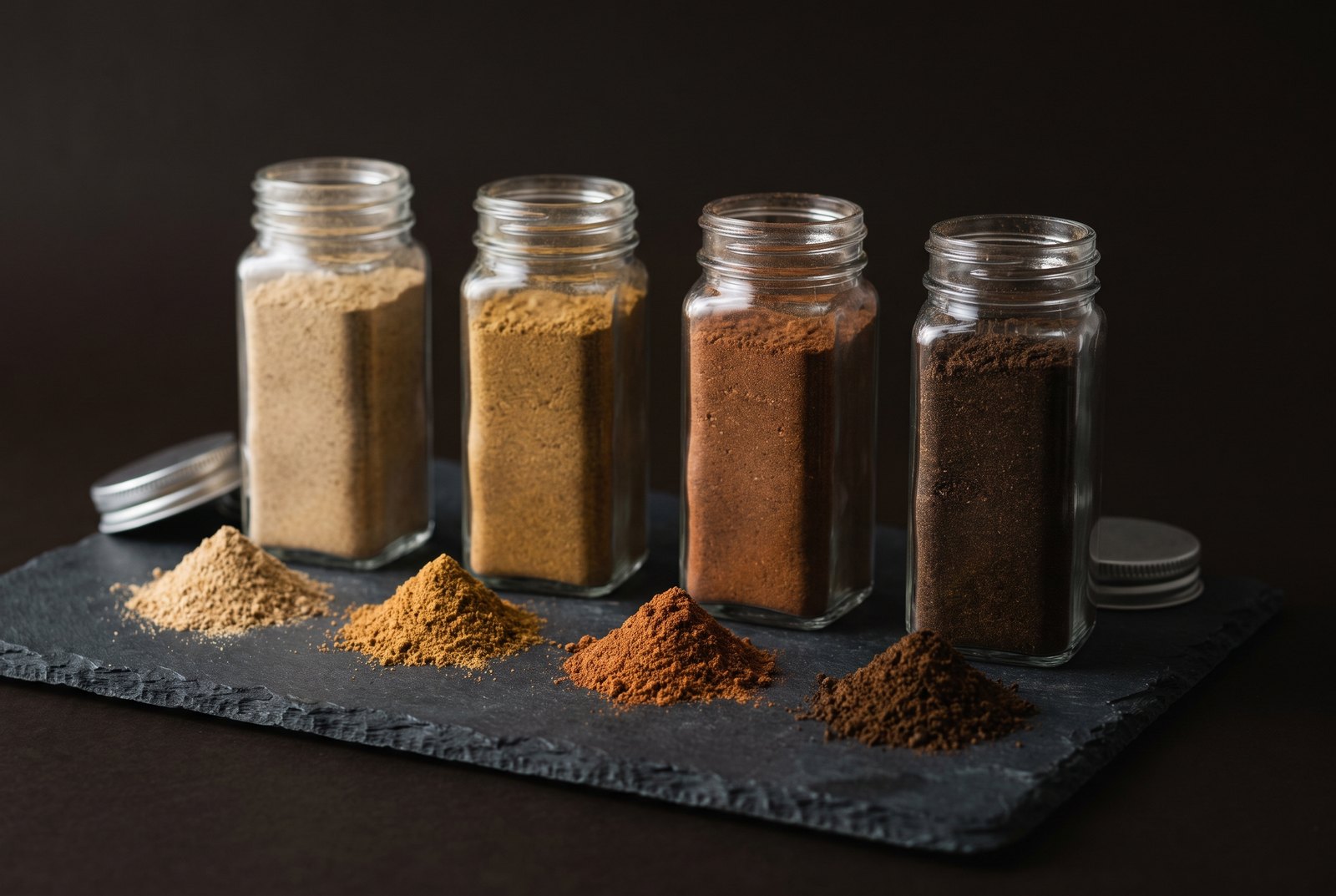
Best Garam Masala: How to Choose One, and Where to Buy It
How to pick a garam masala that is worth buying — the three things on the label that decide it, the four kinds of blend on sale in the US and who each suits, why the Indian grocer beats the supermarket, and when buying any of them is the wrong answer.
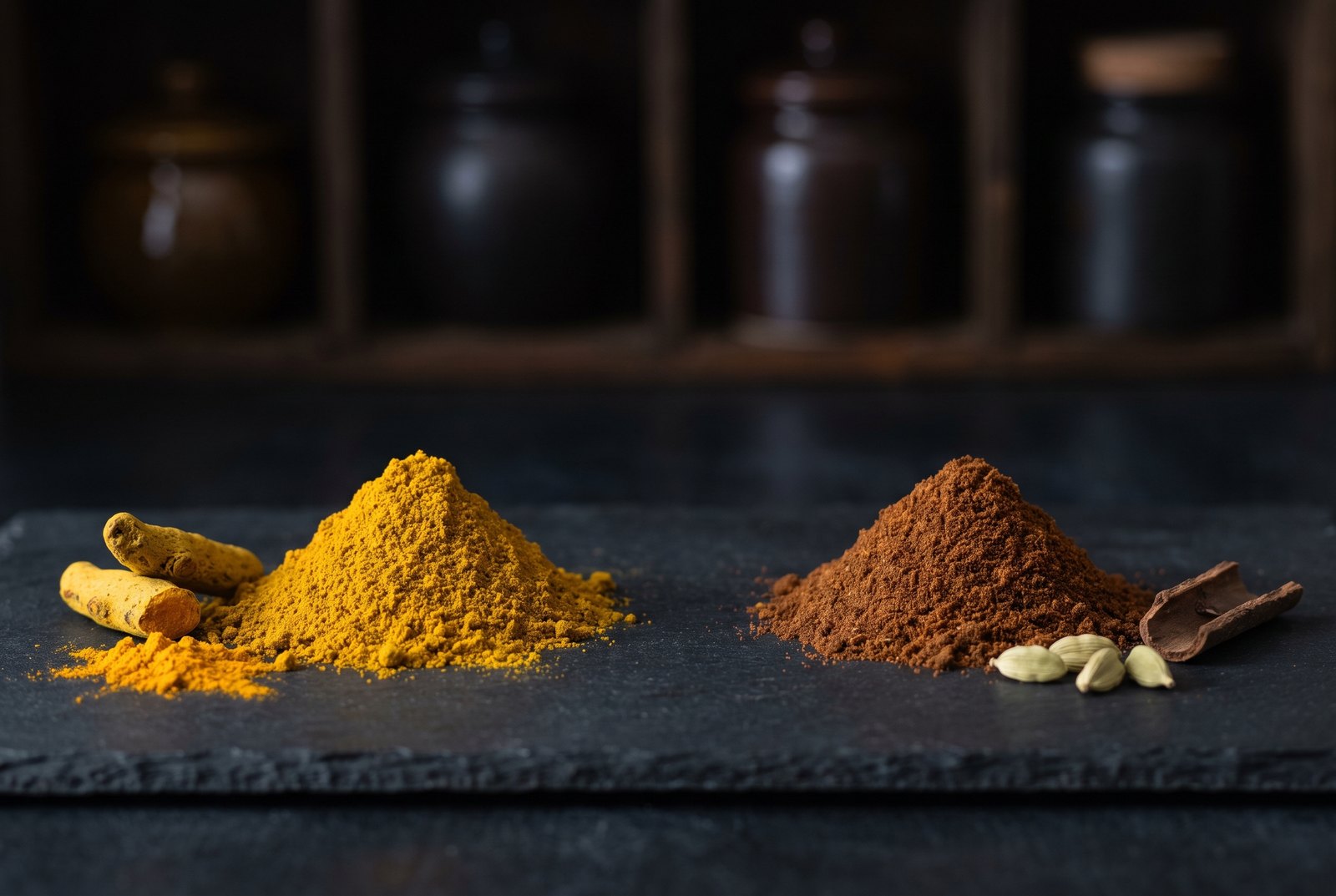
Curry Powder vs Garam Masala: What Is Curry Powder, Really?
Curry powder and garam masala are not two versions of the same thing. What curry powder actually is, why no Indian kitchen has a jar of it, when each one goes into the pot, how to substitute either — and what to use when a recipe calls for curry powder and you have none.
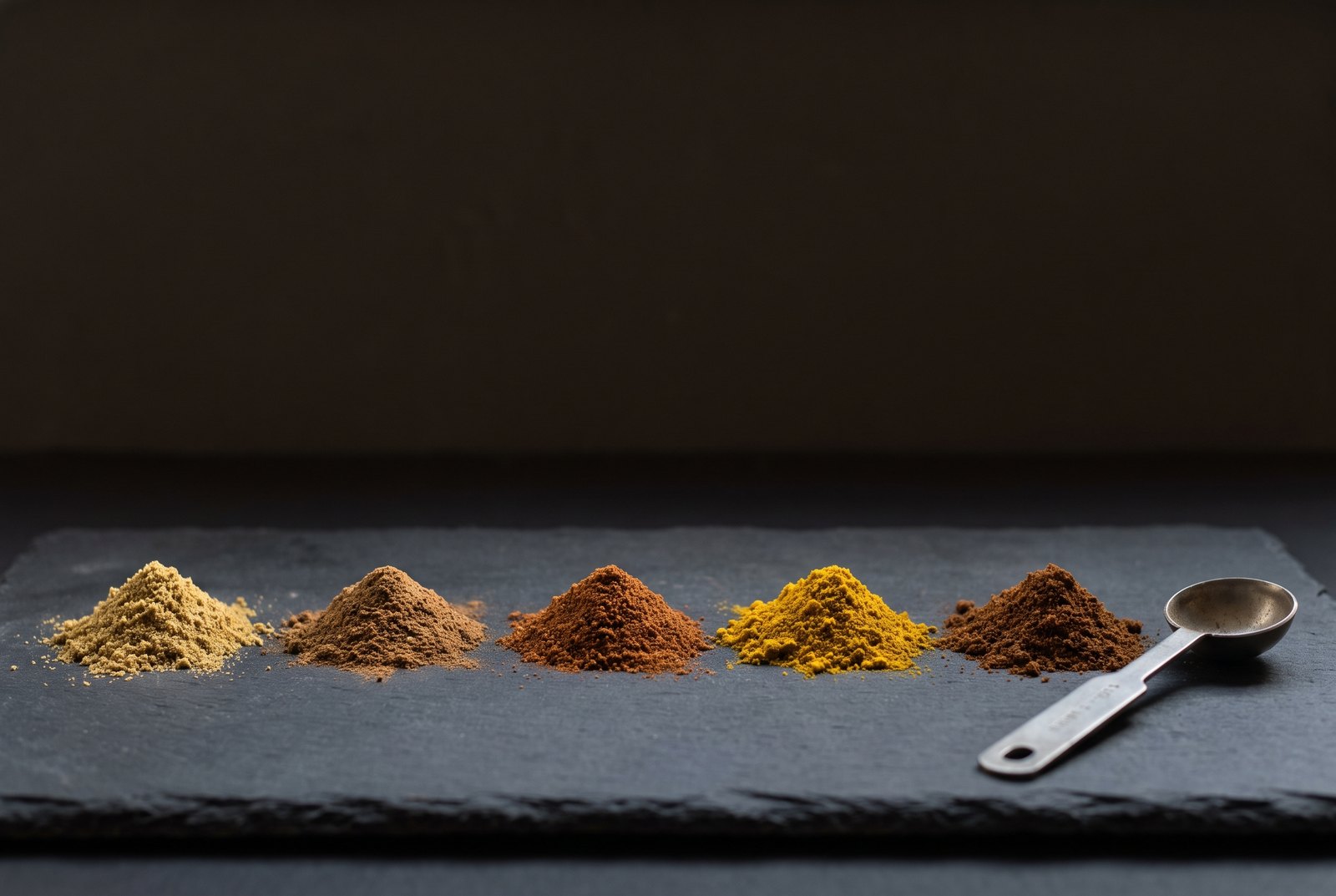
Garam Masala Substitute: What to Use, by Dish
The best garam masala substitutes with exact amounts — the two-spice cheat, a five-spice mix from a normal rack, and the three shop blends that come closest — plus why curry powder is the swap that changes your dish most.