
Turmeric
Golden Milk Recipe: The Turmeric Latte, Made So It Actually Works
· Updated
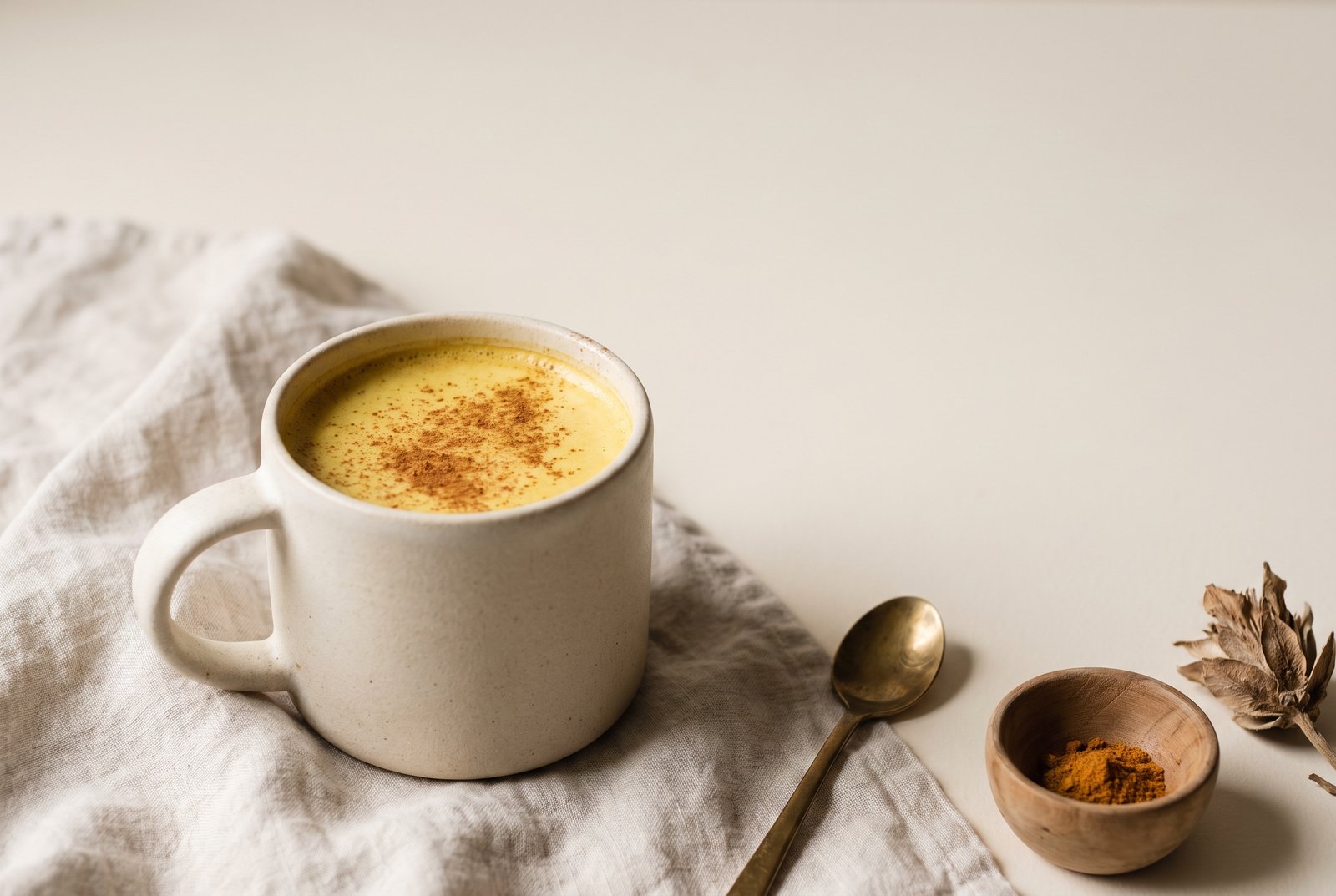
Quick answer
To make a turmeric latte that actually delivers, you need three things most viral versions skip: a fat (whole or a fattier plant milk, or a little coconut oil), a pinch of black pepper, and gentle heat. Curcumin — turmeric’s active compound — is fat-loving and poorly absorbed on its own, so those tweaks are what turn a pretty yellow drink into one your body can use. Even done perfectly, a latte is a food-level dose: lovely as a daily ritual and a warm, comforting swap for a second coffee, but not a substitute for a measured supplement if you’re targeting a specific health goal.
Scroll TikTok for thirty seconds and you’ll hit it: someone swirling golden turmeric into frothy milk, claiming it cleared their skin, fixed their sleep, and replaced their afternoon coffee. The turmeric latte — golden milk, haldi doodh — has gone from Ayurvedic home remedy to full-blown wellness aesthetic.
Here’s the good news: it’s genuinely worth making. And here’s the part the viral videos almost never mention — most people make it in a way that barely absorbs, which is why so many “I tried it for a week” videos end with a shrug. Let’s fix that, and be honest about what a golden latte can and can’t do.
Why your turmeric latte might be doing nothing
Curcumin, the yellow compound behind turmeric’s reputation, has an awkward habit: on its own, your body absorbs very little of it. Stir plain turmeric into hot water and most of it passes straight through. That’s the difference between a drink that’s just pretty and one that actually gets curcumin into you.
Two kitchen tricks change the maths, and both come straight from traditional South Asian cooking:
- Add fat. Curcumin dissolves in fat, not water. Whole milk, a fattier plant milk (oat, soy, or coconut), or a small spoon of coconut oil or ghee gives it something to ride on.
- Add black pepper. A single pinch of piperine — the compound in black pepper — slows the enzymes that would otherwise break curcumin down, so more of it survives.
Gentle heat helps too. Do all three and your golden milk isn’t just comforting — it’s working with your body’s chemistry instead of against it.
The one rule to remember: fat + a pinch of pepper + warmth. Skip these and you’ve made a lovely yellow drink that mostly rinses through.
The golden milk recipe that actually works
This is the version to make — five minutes, one small pan.
How to make it (serves 1):
- In a small pan, whisk 250 ml milk of choice (dairy or a fattier plant milk) with ½ tsp ground turmeric.
- Add 1 small pinch of black pepper and ¼ tsp coconut oil or ghee — the absorption duo.
- Add ¼ tsp cinnamon and a little grated fresh ginger for warmth.
- Warm gently for 4–5 minutes, whisking — don’t let it boil.
- Take off the heat, strain if you used fresh ginger, and sweeten with honey or maple to taste.
Froth it if you like the café look. That’s it.
Want it to taste like the café version? A good organic ground turmeric, whole black peppercorns for a fresh grind, and a milk frother are the only upgrades that matter. → HQOExpress organic ground turmeric · Nespresso Aeroccino 3 milk frother. As an Amazon Associate we may earn from qualifying purchases.
Prefer it iced, or without dairy?
Blend ½ tsp turmeric, a thumb of fresh ginger, a pinch of black pepper, a squeeze of lemon, a few drops of oil, and 60 ml water or coconut water; strain and pour over ice. Same absorption logic, brisk and dairy-free — a genuine alternative to a morning coffee.
What a turmeric latte can (and can’t) do
Let’s separate the honest benefits from the TikTok promises.
The realistic wins. A daily golden latte is a warm, low-sugar ritual that helps you wind down and swap out a second coffee — small things that add up. Made with fat and pepper, it’s also the most pleasant everyday way to get some curcumin.
“It cleared my skin / fixed my sleep.” These are popular claims, but the evidence for a nightly latte transforming your skin or sleep is thin — much of the glow people report comes from the ritual, the hydration, cutting late caffeine, and simply slowing down before bed. Turmeric may play a supporting role, but a mug of golden milk is not a clinical dose. Enjoy it for what it reliably is: a calming habit, not a cure.
“It’s an anti-inflammatory powerhouse.” Turmeric’s anti-inflammatory reputation comes from studies using concentrated curcumin extracts, not a sprinkle in warm milk. A latte delivers a food-level amount. If you’re targeting something specific like joint pain, a drink is the wrong tool — that’s a supplement conversation (and one to have with your clinician).
A few honest cautions
- It stains — cups, worktops, grout. Rinse promptly.
- More isn’t better. Very large daily amounts can upset the stomach; ½ tsp per mug is plenty.
- If you take a blood thinner or diabetes medication, or have gallstones, keep to normal food amounts and check with your clinician before making turmeric a heavy daily habit. (Concentrated supplements are where the real cautions live — here’s what to know →.)
The bottom line
The viral turmeric latte deserves its moment — it’s genuinely nice, and made right, it’s the best everyday way to enjoy turmeric. Just make it with fat, a pinch of pepper, and gentle heat, and hold the expectations at “lovely daily ritual” rather than “miracle in a mug.” That’s the version that actually does something.
Want three more absorption-smart turmeric drinks, plus the full evidence on what turmeric really helps? It’s all in our ebook, Turmeric: Nature’s Anti-Inflammatory, Chapter 4.
Related reading:
Frequently asked questions
What is golden milk?+
Golden milk is warm milk infused with turmeric — haldi doodh, a South Asian home remedy long before it became a café menu item. The modern turmeric latte is the same drink with a frother. The traditional version happens to include the two things that make curcumin absorbable, fat and black pepper, which is why the café version is often the weaker one.
Do you really need black pepper in a turmeric latte?+
It genuinely helps. Piperine in black pepper slows the breakdown of curcumin so more is absorbed. A single small pinch is enough and you won't taste it. Without either pepper or fat, most of the curcumin passes through unused.
Is a turmeric latte good before bed?+
It's a calming, low-caffeine wind-down ritual many people find helpful at night. Evidence that turmeric itself improves sleep is limited, so credit the routine as much as the spice.
Can I use fresh turmeric instead of powder?+
Yes. Grate about a 1-inch piece of fresh turmeric per mug for a brighter, more floral drink, and strain before drinking. Keep the fat and pepper the same.
How often can I drink turmeric lattes?+
One a day is a fine, sustainable habit for most people. There's no need to chase large amounts; it's a food, and its value is in the ritual as much as the spice.
Does a turmeric latte reduce inflammation?+
Only mildly, if at all, because it's a food-level dose. The anti-inflammatory research uses concentrated curcumin extracts, not golden milk. For a targeted effect, a standardised supplement discussed with a clinician is the right tool.
New: Google now lets you choose which sites it shows you first. One tap lifts our spice guides in your results — nobody else's — and you can undo it any time.
More on Turmeric
Turmeric Benefits for Men: What Holds Up, and What Is Being Sold to You
Turmeric is marketed to men for testosterone, muscle recovery and prostate health. Here is what the human evidence actually supports, what it does not, and how to tell a useful turmeric supplement from an inert one.
Turmeric Side Effects: The Ones That Are Real, and Who They Apply To
Most turmeric side-effect lists blur the spice and the supplement together. Here is the honest split — what culinary turmeric can do, what concentrated curcumin can do, which medications interact, and the warning signs worth acting on.
Is Turmeric Bad for Your Liver? What the Recent Warnings Actually Mean
Doctors have linked some trendy turmeric supplements to rare liver injury — and the black-pepper combo everyone recommends may be part of the problem. Here's the honest, evidence-based picture: who's at risk, the warning signs, and how to use turmeric safely.