
Spice guide
Turmeric Benefits
Turmeric is the most over-promised spice in the kitchen and one of the most genuinely interesting. Almost every question about what turmeric is good for turns on a single distinction — turmeric the food versus curcumin the extract — and almost every confusing benefit you have read about dissolves once you have it straight.
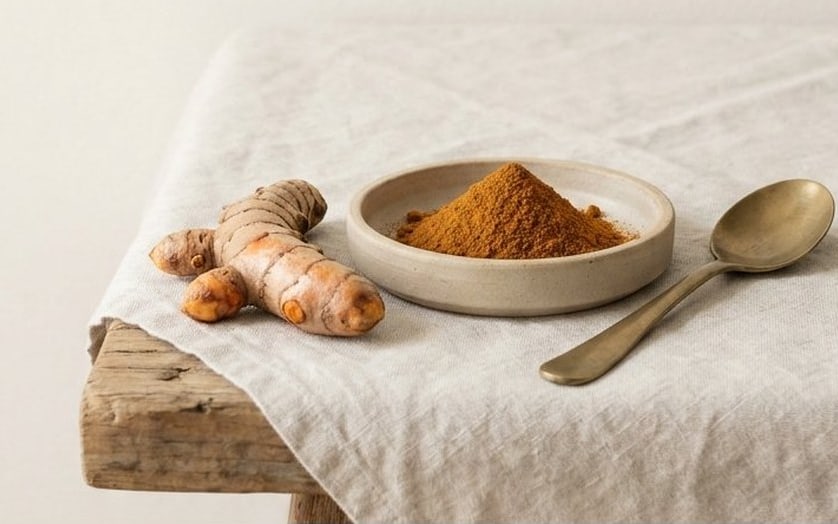
Turmeric root is a food. It has been eaten daily across South Asia for centuries, and at culinary amounts it is about as controversial as onion. Curcumin — the isolated yellow compound that gives turmeric its colour — behaves much more like a drug: concentrated, poorly absorbed on its own, and capable of interacting with medicines and, rarely, with the liver.
Nearly every viral turmeric claim collapses or clarifies once you know which of the two is being discussed. The guides below work through the ones that matter, starting with that distinction.
What turmeric is actually good for
Sorted by how much human evidence stands behind each one, strongest first.
- Joint discomfort. The best-supported benefit, and still a modest one. The trials that found an effect used concentrated curcumin, not the jar in your cupboard, and they compared it against placebo rather than against the treatment you might otherwise take.
- Markers of inflammation. Curcumin measurably moves several of them in human studies. Whether moving a marker changes how you feel is a separate question, and a much less settled one.
- Digestion and appetite. The traditional use, and the one turmeric has held longest across the most kitchens. The evidence is thin but the risk is nil.
- Skin. Real enough to be worth a guide of its own, with an important caveat: turmeric stains, and the difference between a face mask that helps and one that leaves you orange for two days is entirely in the method.
- Colour and flavour in cooking. Not a health claim, and the one benefit nobody disputes. It is also how turmeric gets into you daily, in the company of the fat and pepper that help you absorb it.
What turmeric is not good for is a longer list — and the guides say so plainly, because a spice site that only ever agrees with the internet is not worth reading.
The honest summary
- Turmeric in cooking is safe and useful, and its colour is doing real work in the pan.
- Curcumin supplements are a different product with different risks and a genuine absorption problem.
- Black pepper helps absorption, but the famous 2,000% figure is far shakier than the internet suggests.
- A small number of people should be careful — those on certain medications, and those with liver conditions.
Going deeper
The full picture — dosing, the chemistry, the traditional preparations and the evidence behind each one — is set out chapter by chapter in our ebook Turmeric: Nature’s Anti-Inflammatory.
Guides
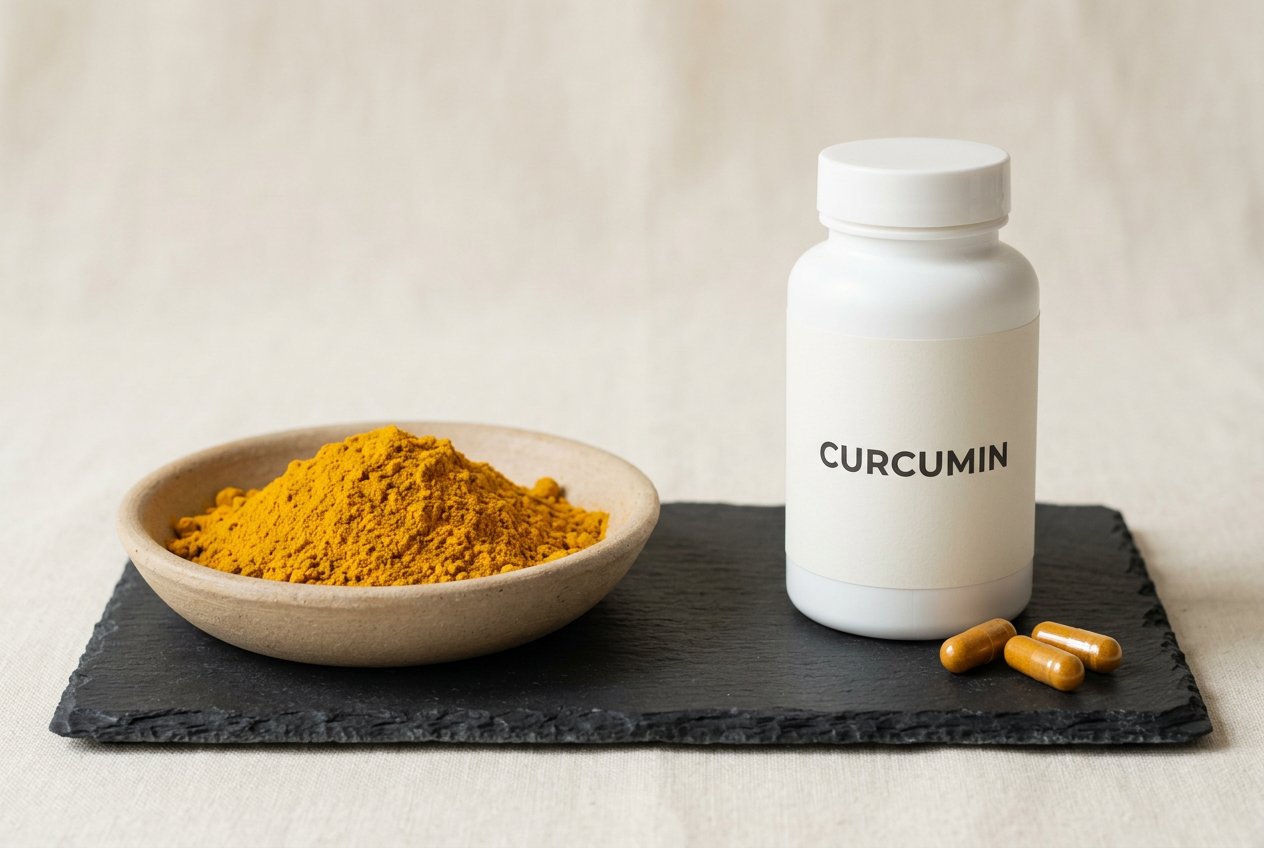
Turmeric vs Curcumin: Why Your Golden Latte and Your Supplement Aren't the Same Thing
Turmeric and curcumin get used interchangeably — but one is a food and the other behaves more like a drug. Here's the simple difference, why it changes everything about benefits and safety, and which one you actually need.
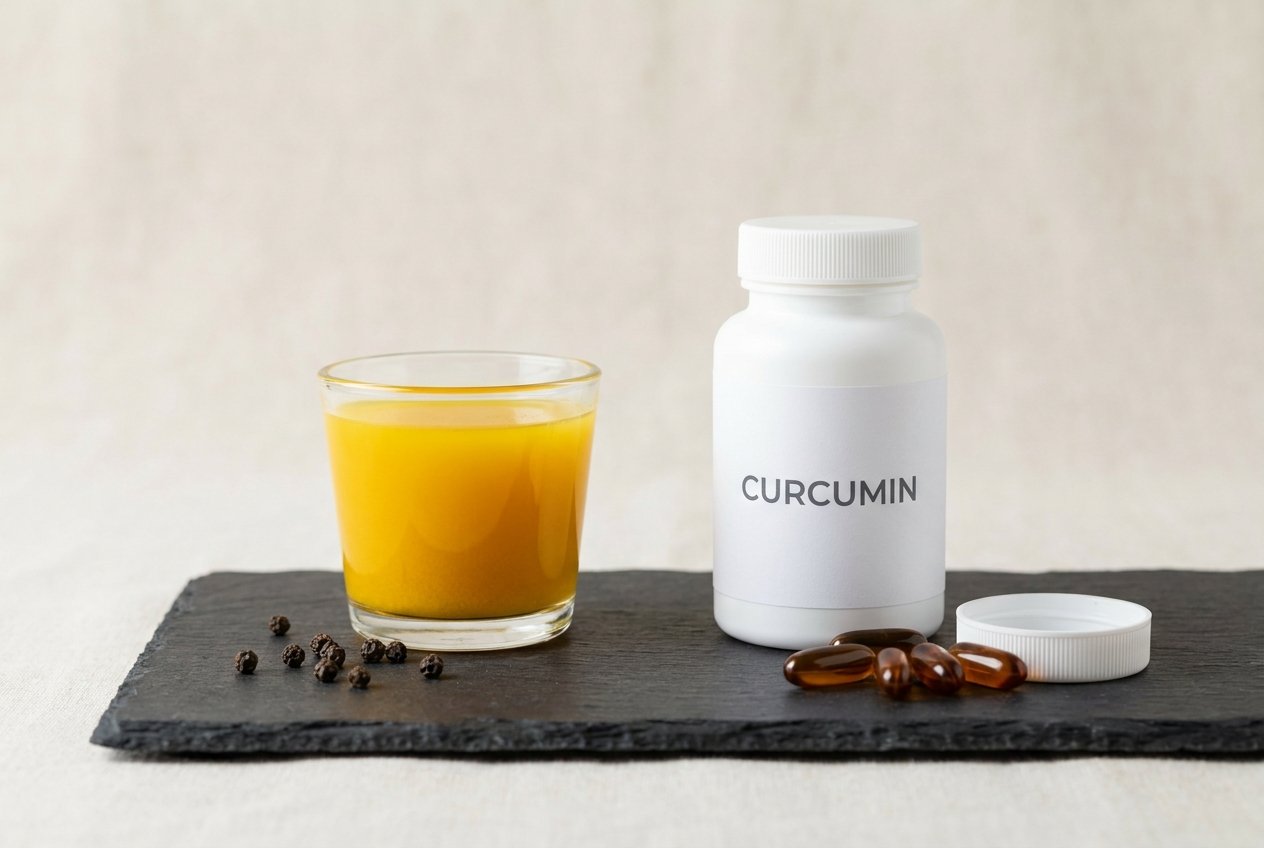
Turmeric Supplements with Black Pepper: Are You Absorbing Any of It?
Most curcumin never reaches your bloodstream. Here's why turmeric supplements pair with black pepper, how piperine compares with phytosome forms, and how to tell a good turmeric supplement from an inert one.
Is Turmeric Bad for Your Liver? What the Recent Warnings Actually Mean
Doctors have linked some trendy turmeric supplements to rare liver injury — and the black-pepper combo everyone recommends may be part of the problem. Here's the honest, evidence-based picture: who's at risk, the warning signs, and how to use turmeric safely.
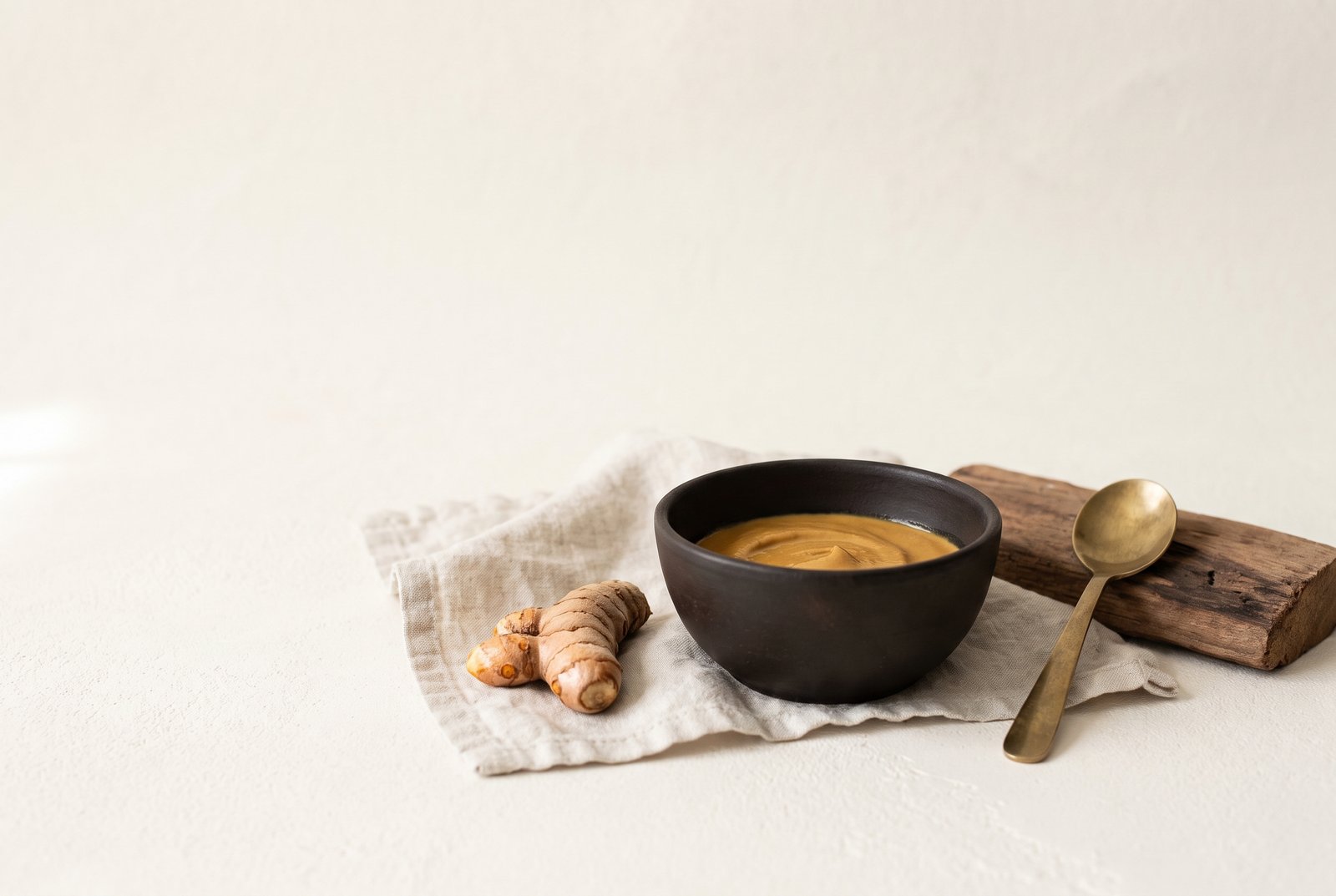
Turmeric Face Mask for Dark Spots: What It Can (and Can't) Do
A gentle turmeric face mask recipe, what the evidence honestly supports for dark spots and brightening, how the viral kojic-acid serums really work, and how to avoid the yellow stain.
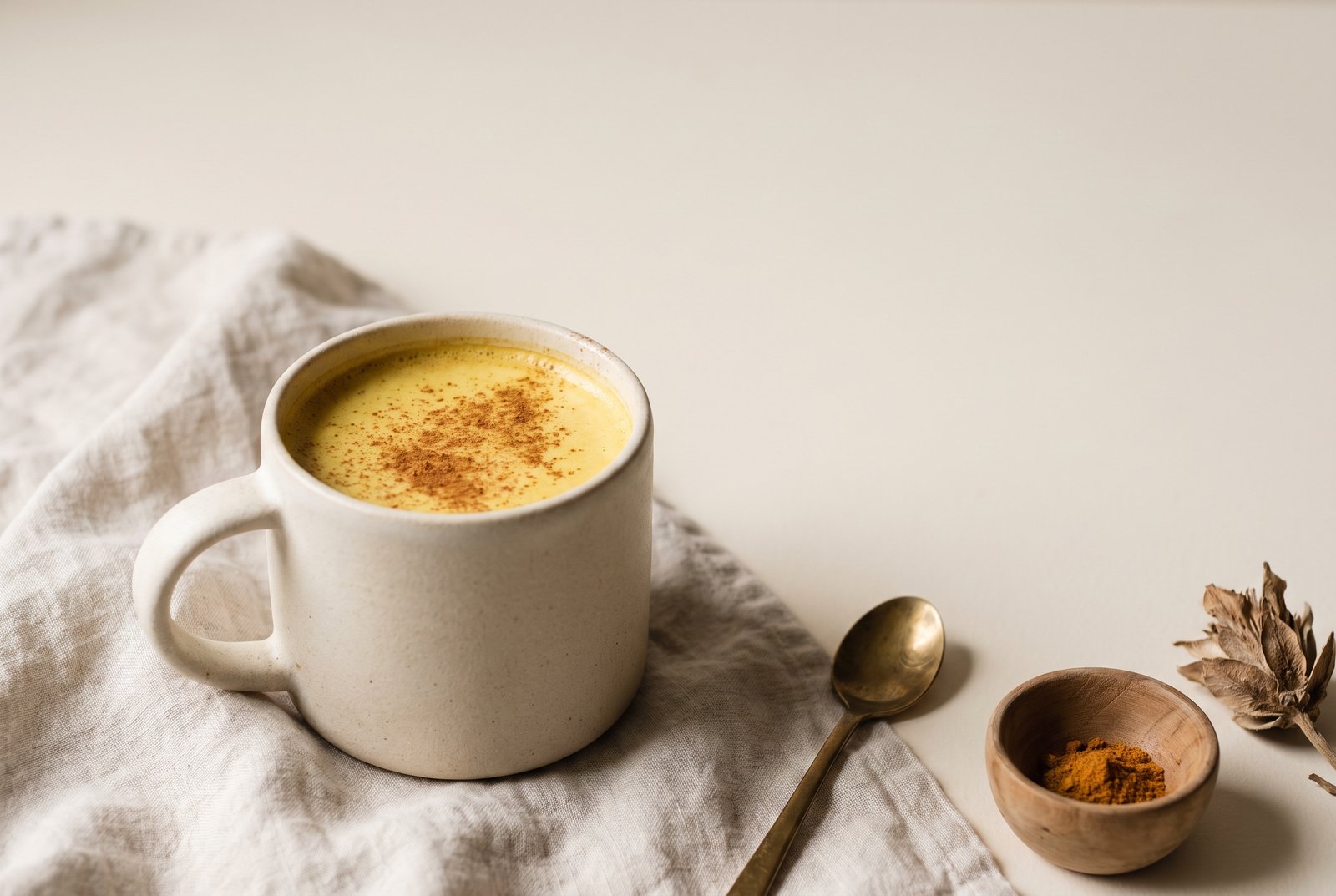
Golden Milk Recipe: The Turmeric Latte, Made So It Actually Works
A 5-minute golden milk recipe with the two tweaks most versions miss — the ones that decide whether any curcumin gets absorbed. Plus what golden milk can and can't do for your skin, sleep and inflammation.
Turmeric Side Effects: The Ones That Are Real, and Who They Apply To
Most turmeric side-effect lists blur the spice and the supplement together. Here is the honest split — what culinary turmeric can do, what concentrated curcumin can do, which medications interact, and the warning signs worth acting on.
Turmeric Benefits for Men: What Holds Up, and What Is Being Sold to You
Turmeric is marketed to men for testosterone, muscle recovery and prostate health. Here is what the human evidence actually supports, what it does not, and how to tell a useful turmeric supplement from an inert one.
Common questions
What is turmeric good for?+
In cooking, turmeric is good for colour, a mild earthy bitterness, and a small daily dose of curcumin alongside the fat and pepper that help you absorb it. As a concentrated supplement, curcumin has its best — though still incomplete — human evidence in joint discomfort and markers of inflammation. Claims beyond that, and there are hundreds, are mostly laboratory or animal work at doses no meal contains.
What is the difference between turmeric and curcumin?+
Turmeric is the whole root, eaten as a food for centuries. Curcumin is one isolated compound from it, and makes up only a few percent of the root by weight. A curcumin capsule can deliver many times the curcumin of a heavily spiced meal, which is why it behaves less like a food and more like a drug — including its interactions and its risks.
Does turmeric really need black pepper?+
Piperine, the compound that makes pepper hot, does slow the body's clearance of curcumin, so the direction of the effect is real and a pinch costs you nothing. The famous 2,000% figure comes from one small study and is quoted far past what it can support. Fat helps too, which is part of why turmeric has always been cooked into oil or milk rather than stirred into water.
Who should be careful with turmeric?+
Culinary turmeric is a food and is treated as one. Concentrated curcumin supplements are the ones that warrant care — particularly if you take blood thinners or diabetes medication, have gallstones or a liver condition, or are pregnant. Rare cases of liver injury have been reported with supplements, not with cooking. Ask a pharmacist before starting one; they can check your actual medicines in about a minute.
How much turmeric should I take?+
We do not give a dose, and you should be wary of any spice website that does. Cooking amounts need no measuring at all. If you are considering a supplement, the label's own serving size and a conversation with your doctor or pharmacist are the right starting points — the useful question is not how much, but whether the product's curcumin content and absorption claims are honest in the first place.