
Spice guide
Cayenne Pepper Benefits, and Why the Jar in Your Cupboard Is Probably Not Cayenne
Three different red powders sit on the world's shelves under names that overlap: cayenne, which is one ground chilli; American chili powder, which is a blend with cumin and oregano in it; and Indian red chilli powder, which is neither. These guides sort out which one a recipe means, what to use when you have the wrong one, and what the heat is genuinely doing to your body.
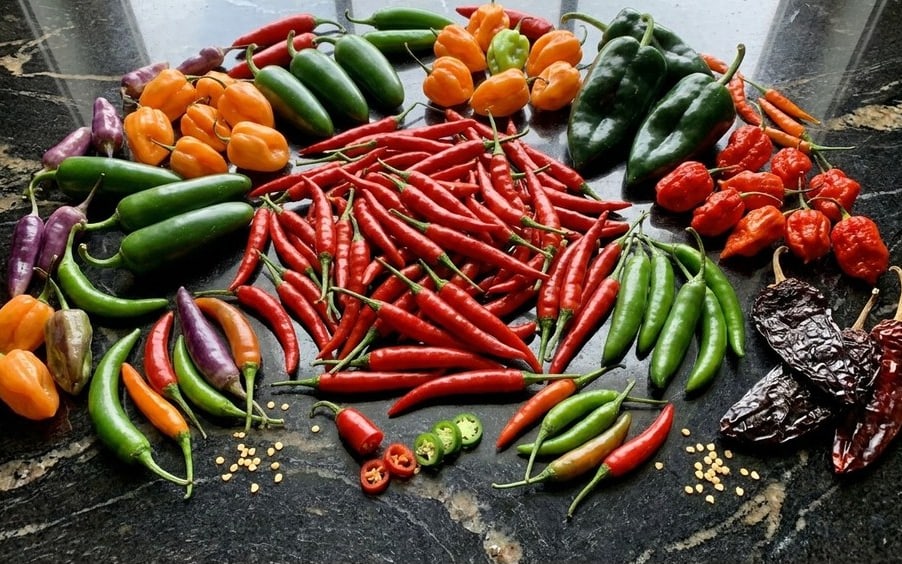
Three red powders. One word between them, and it is the wrong word for at least two.
Cayenne is a single chilli, ground. American chili powder is a blend — mild ground chillies with cumin, oregano, garlic and usually salt mixed in — and is several times milder. Indian red chilli powder is pure ground chilli again, but from different varieties, at a different heat, doing a different job in the pot.
A recipe that says “chili powder” and a recipe that says “red chilli powder” are asking for different things, and the gap between them is roughly a factor of five in heat. That is the practical problem this spice creates, and it is why six of the seven guides below are about telling the powders apart and swapping them correctly.
The two questions this spice raises
“Which red powder does this recipe mean?” — because three products share two words, and the American blend is the odd one out.
“Is the heat doing anything to me?” — because capsaicin is one of the most studied compounds in the spice cupboard, and what it is well proven to do is much narrower than what it is sold as doing.
What the evidence actually supports
We grade every claim inline so you can see the strength of the support without leaving the sentence.
- Topical pain relief — strong, and the best-evidenced thing capsaicin does. Creams and high-strength patches have real clinical trials behind them for nerve pain and arthritis. This is a licensed medicine in several countries, not a folk remedy.
- A small, brief rise in metabolic rate — real and too small to matter. Measurable in a lab, worth a handful of calories, and gone within hours. Not a weight-loss tool, whatever the capsule label says.
- Mild appetite suppression — real, modest, short-lived. Same story.
- Circulation and “warming the blood” — traditional. Cayenne genuinely makes you feel warm, because capsaicin triggers the same nerve receptor heat does. Feeling warm and improving circulation are not the same claim.
- Cholesterol, detox, “burning fat” — not supported. These are supplement marketing, not findings.
- Flavour and colour — the actual reason to buy good chilli. Not a health claim, and the only one that survives a stale jar.
Read this first
Chilli in food is a food, and safe as one. Nothing on these pages is a treatment, and none of it tells you how much to take.
Two cautions are worth stating plainly. Capsaicin irritates an already irritated gut, so if you live with reflux, gastritis or ulcers, the concentrated habits — capsules, cayenne water, a spoonful in lemon juice — are the ones to be careful with, not the pinch in your dinner. And capsaicin has real interactions with blood thinners, aspirin and some blood-pressure medicines, which is a conversation with a pharmacist rather than an internet search.
Going deeper
The complete account — how a single species became a dozen products, the Scoville scale read properly, what capsaicin actually does to a nerve, the Indian, Mexican and Tex-Mex traditions kept separate, and buying and storing for colour as well as heat — is Cayenne & Red Chilli: All Hot Facts, a 66-page book that grades every health claim by the strength of the evidence behind it, including the ones it says you should ignore. The guides here are free and stay free.
Guides
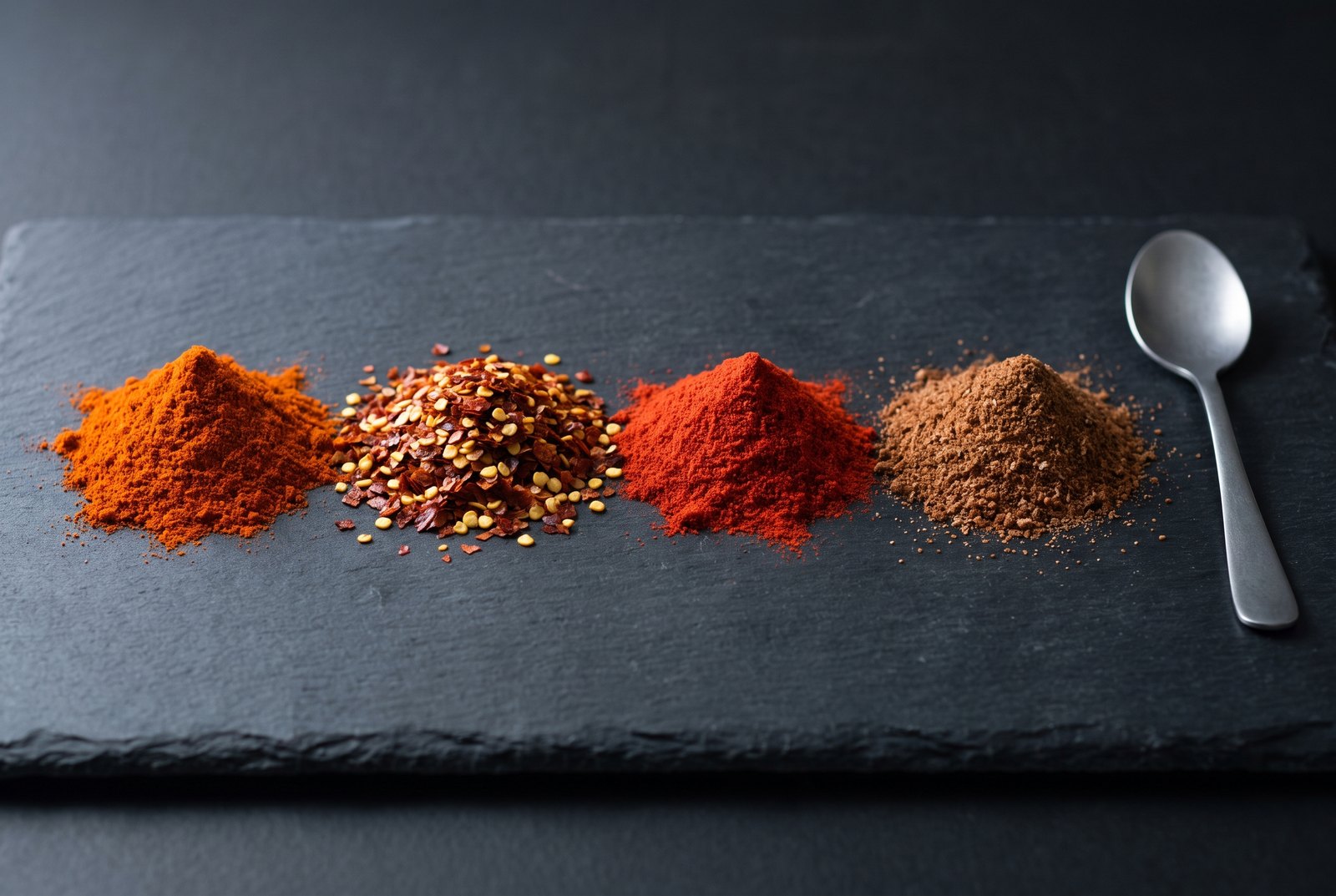
Cayenne Pepper Substitute: What to Use, and How Much
The best cayenne pepper substitutes with exact swap amounts — red pepper flakes, hot paprika, chili powder, gochugaru and hot sauce — by dish, plus the two swaps that quietly ruin a recipe.
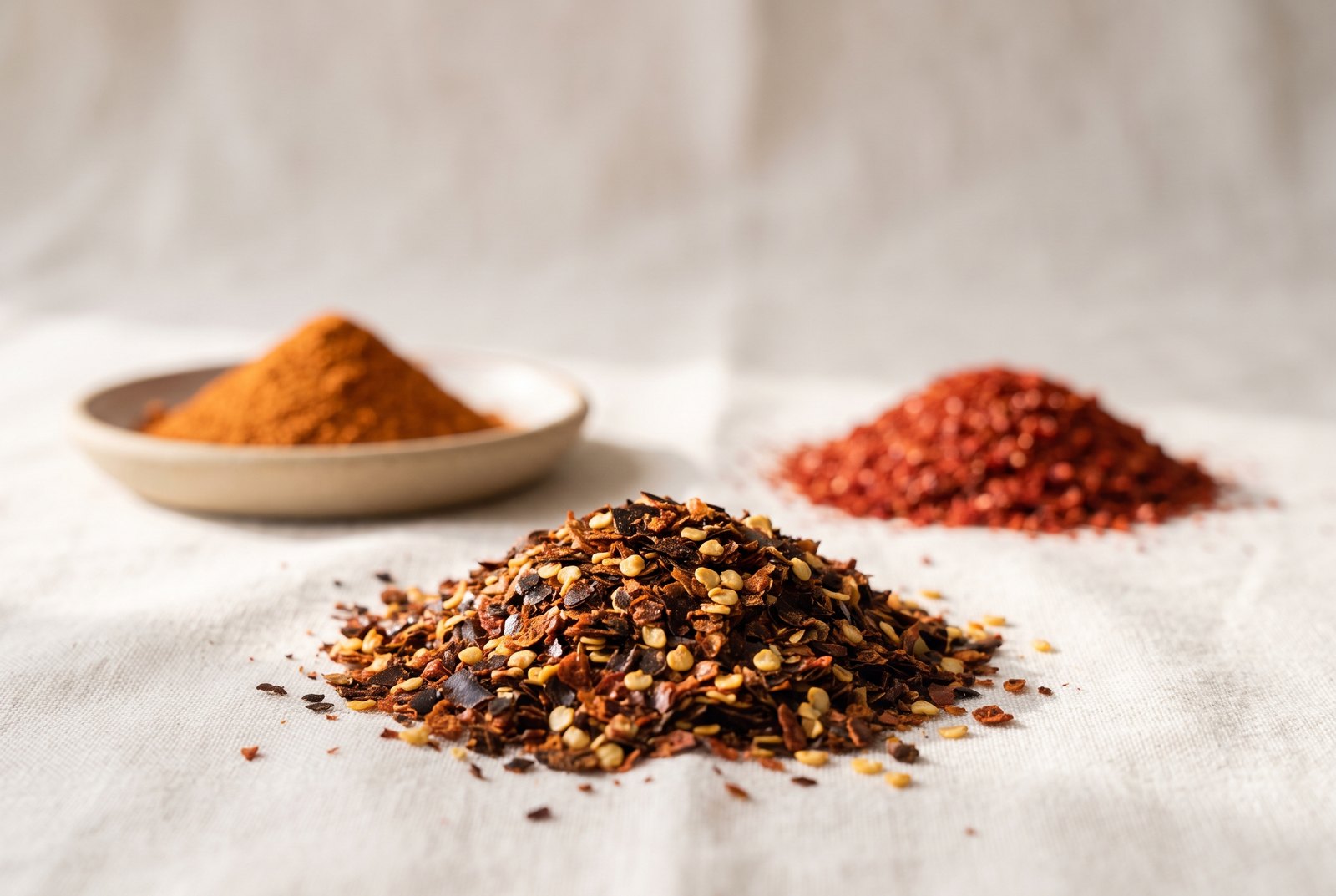
Red Pepper Flakes Substitute: What to Use, and How Much
The best red pepper flakes substitutes with exact swap amounts — cayenne, gochugaru, Aleppo, hot paprika, chili powder and fresh chilli — sorted by whether the flakes are cooked into the dish or sprinkled on top.
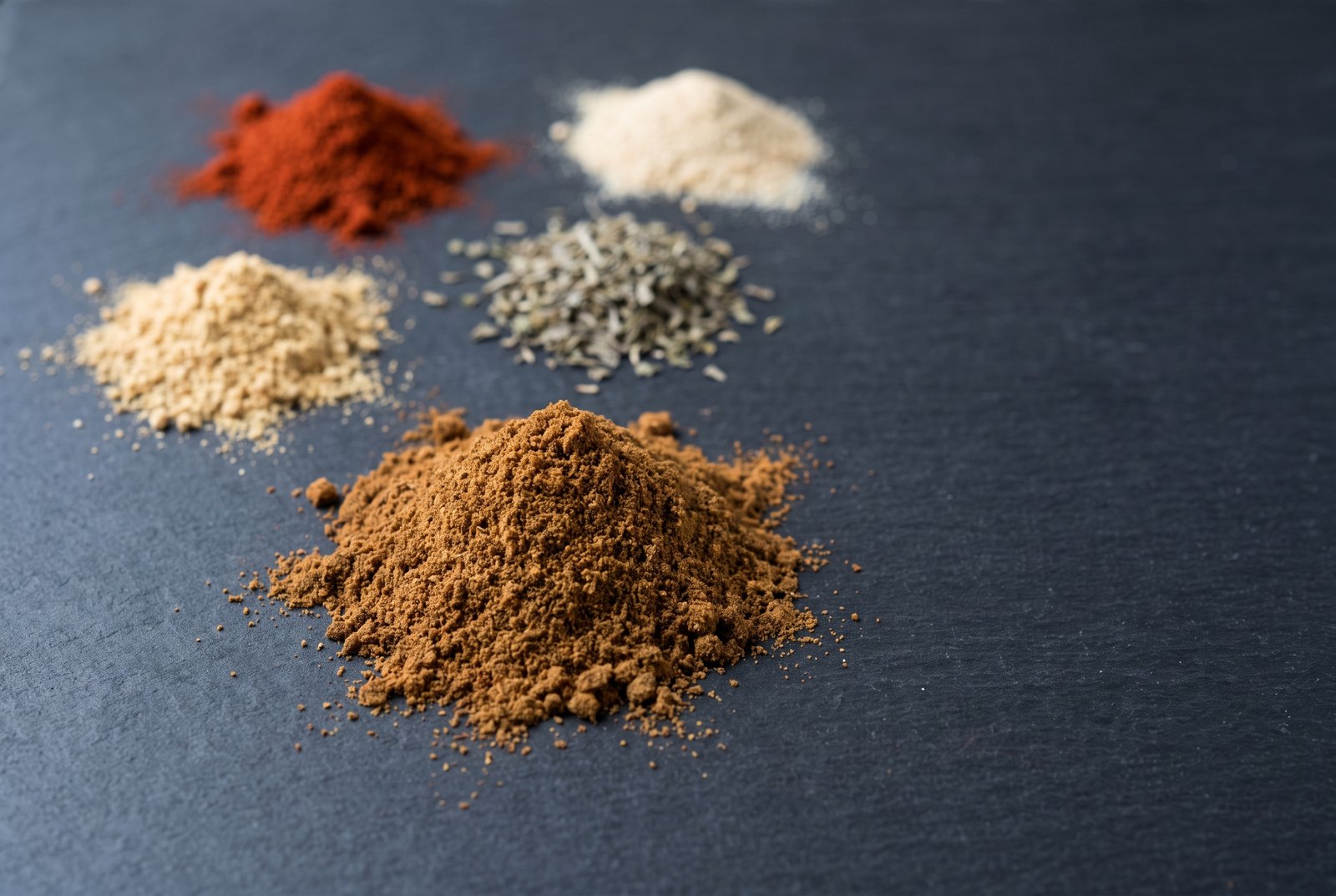
Chili Powder Substitute: Make It, or Swap It
Chili powder is a blend, not a single spice — so the best substitute is two minutes of mixing. The exact ratio, the single-jar swaps that work, and why taco seasoning needs the salt taken out.
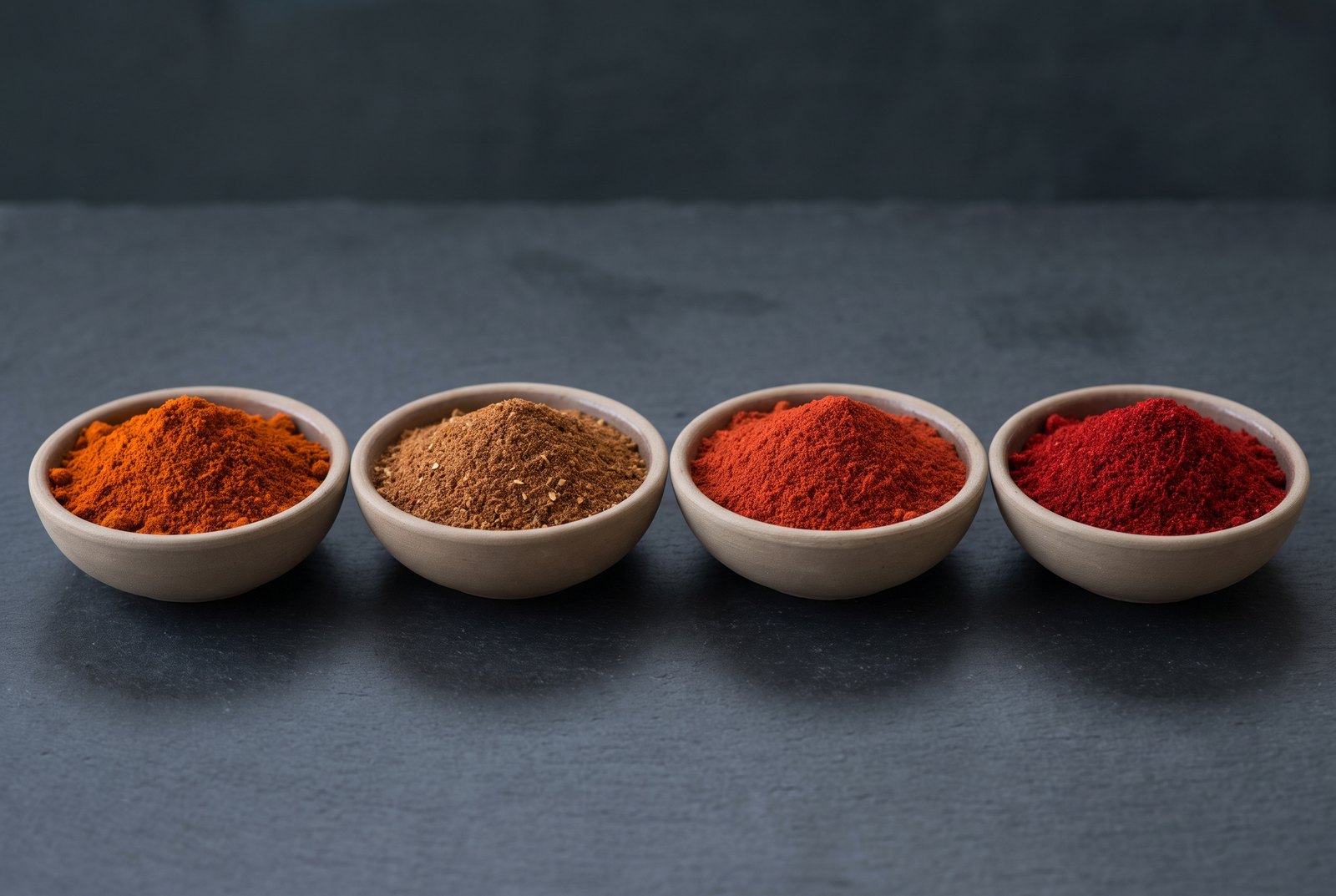
Cayenne vs Chili Powder vs Paprika: Which Red Powder Do You Need?
Three red powders, one constant mix-up. What cayenne, chili powder, paprika and Indian red chilli powder each are, how much hotter one is than the next, and which two jars are worth owning.
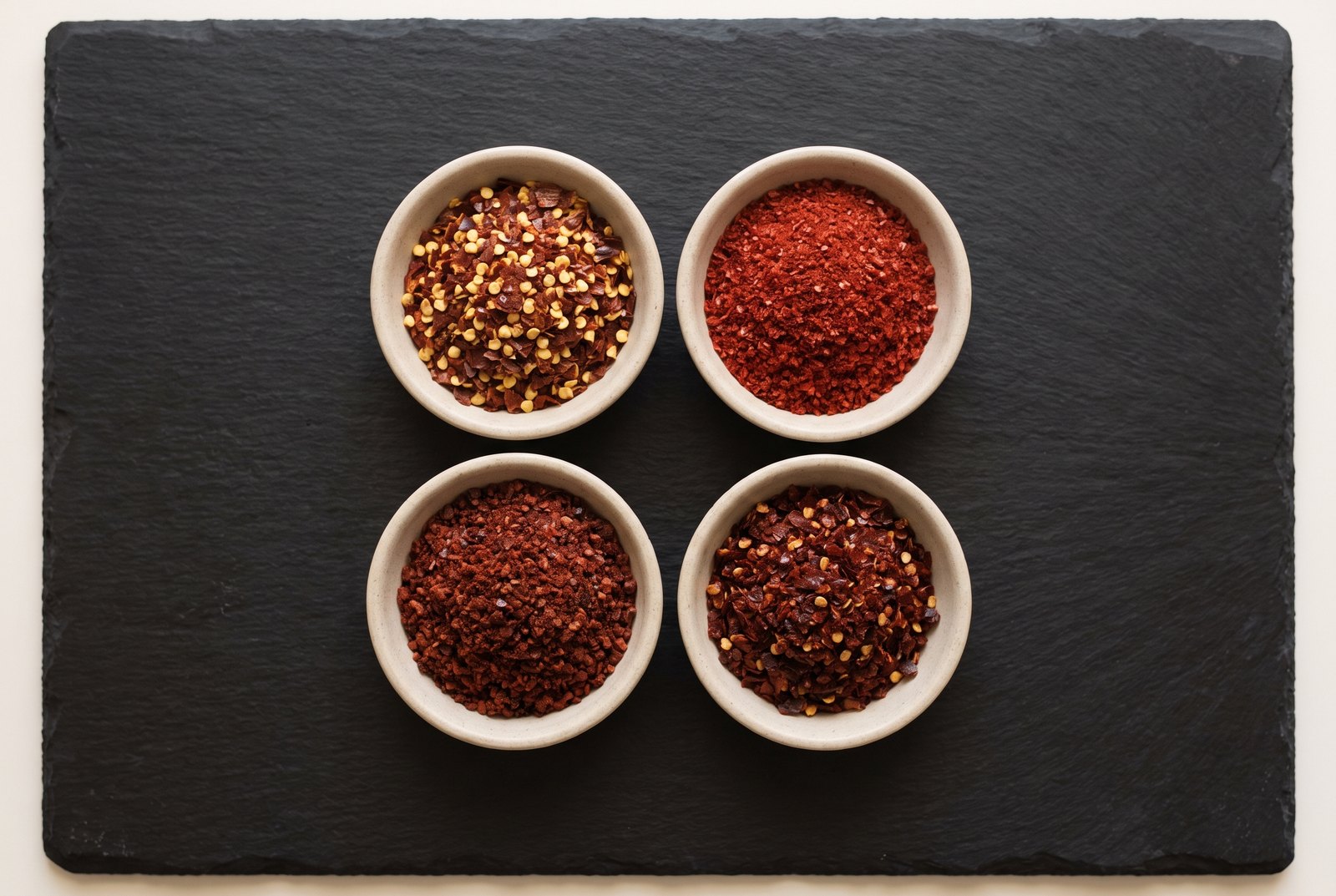
Chili Flakes vs Red Pepper Flakes: Are They the Same Thing?
In an American kitchen they are the same jar. In a British one they are often not. What the two labels mean, why gochugaru and Aleppo are also sold as chilli flakes, and when swapping them actually matters.
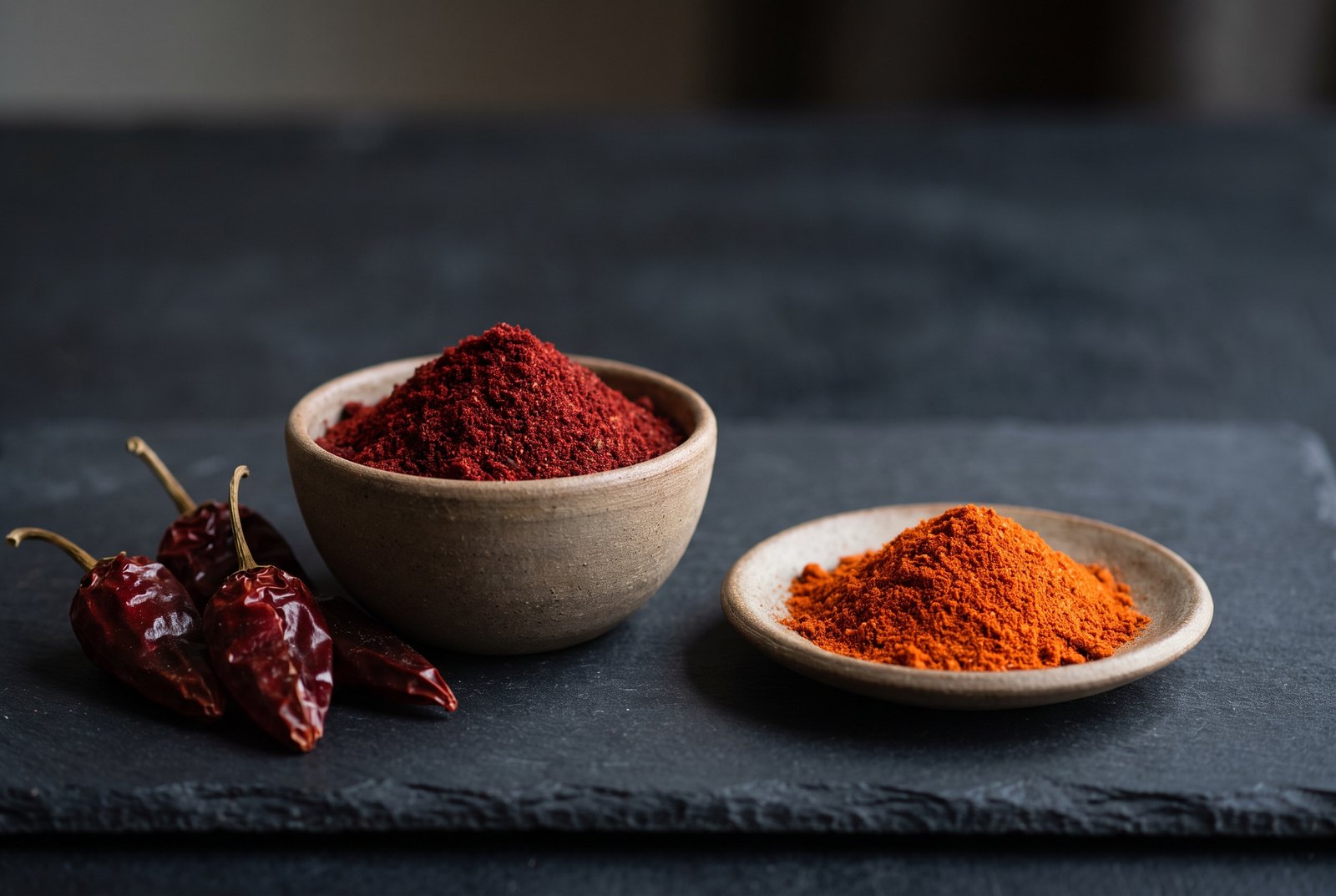
Kashmiri Chilli Powder Substitute — and What It Actually Is
Kashmiri chilli is bought for colour, not heat, so the substitute has to be too. The exact paprika-and-cayenne swap, what deggi mirch really is, and why most jars labelled Kashmiri are grown a thousand miles from Kashmir.
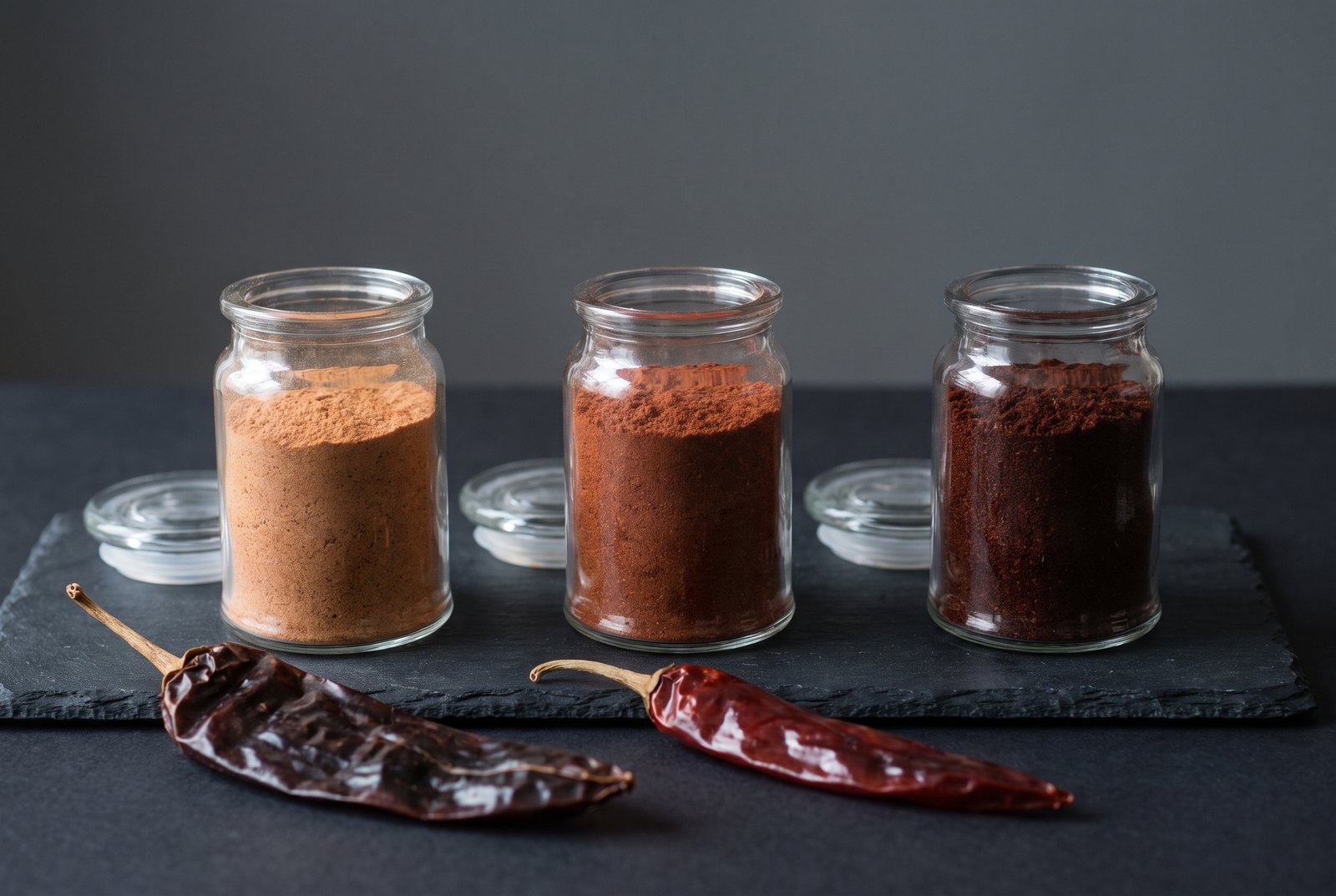
Which Chili Powder to Buy — and Which One for Chilli
How to judge a jar of chili powder: salt, fillers, which chillies are in it and how old it is. What to buy for a pot of chilli con carne, and when a single-chilli powder is the better purchase.
Common questions
What are the benefits of cayenne pepper?+
Cayenne's active compound is capsaicin, and the honest summary is that it does a few small things reliably and many large things not at all. It briefly raises metabolic rate and slightly reduces appetite, both by amounts too small to manage weight with. Applied to the skin as a cream, capsaicin has genuine, well-tested pain-relief evidence behind it. Claims about circulation, cholesterol and detox are traditional rather than proven. Cayenne in food is a food, and a good one.
Is cayenne pepper the same as chilli powder?+
No, and this is the most common mix-up in the spice aisle. Cayenne is a single ground chilli at roughly 30,000 to 50,000 Scoville units. American chili powder is a blend — ground mild chillies plus cumin, oregano, garlic and salt — and is far milder. Indian red chilli powder is pure ground chilli like cayenne, but from different varieties and at a different heat. Swapping them one for one is how a dish ends up either bland or inedible.
Are paprika and cayenne pepper the same?+
They are the same plant species, Capsicum annuum, prepared from different varieties. Paprika is made from mild, sweet, high-colour peppers and adds red colour with almost no heat. Cayenne is made from a hot variety and adds heat with less colour. Hot paprika sits between the two and is the closest common substitute for cayenne.
What happens if you take cayenne pepper every day?+
For most people who cook with it, nothing unusual. Capsaicin irritates the gut lining in some people, and daily concentrated amounts — the capsule and cayenne-water habits — can worsen reflux, gastritis and ulcers. Capsaicin also interacts with blood thinners, aspirin and some blood-pressure medicines. We do not publish a daily amount, because heat varies wildly between jars and tolerance varies wildly between people. Read the label on the product you actually own and ask a pharmacist if you take anything regularly.
Are cayenne pepper capsules worth taking?+
The evidence for swallowing cayenne in capsule form is much weaker than the evidence for capsaicin applied to the skin, and the capsules are the form most likely to upset a stomach. If cayenne appeals to you, eating it is cheaper, better evidenced and more pleasant. No page here will tell you a dose.
What is Kashmiri chilli powder?+
Kashmiri chilli is a mild, deep-red Indian chilli grown for colour rather than heat. It gives tandoori chicken, rogan josh and butter chicken their red without burning anybody, and it sits at roughly a tenth of cayenne's heat. It is the one red powder in this family bought for what it looks like rather than what it does to your mouth.