
Garam Masala
What Spices Are in Garam Masala? The Full Ingredients List
Quick answer
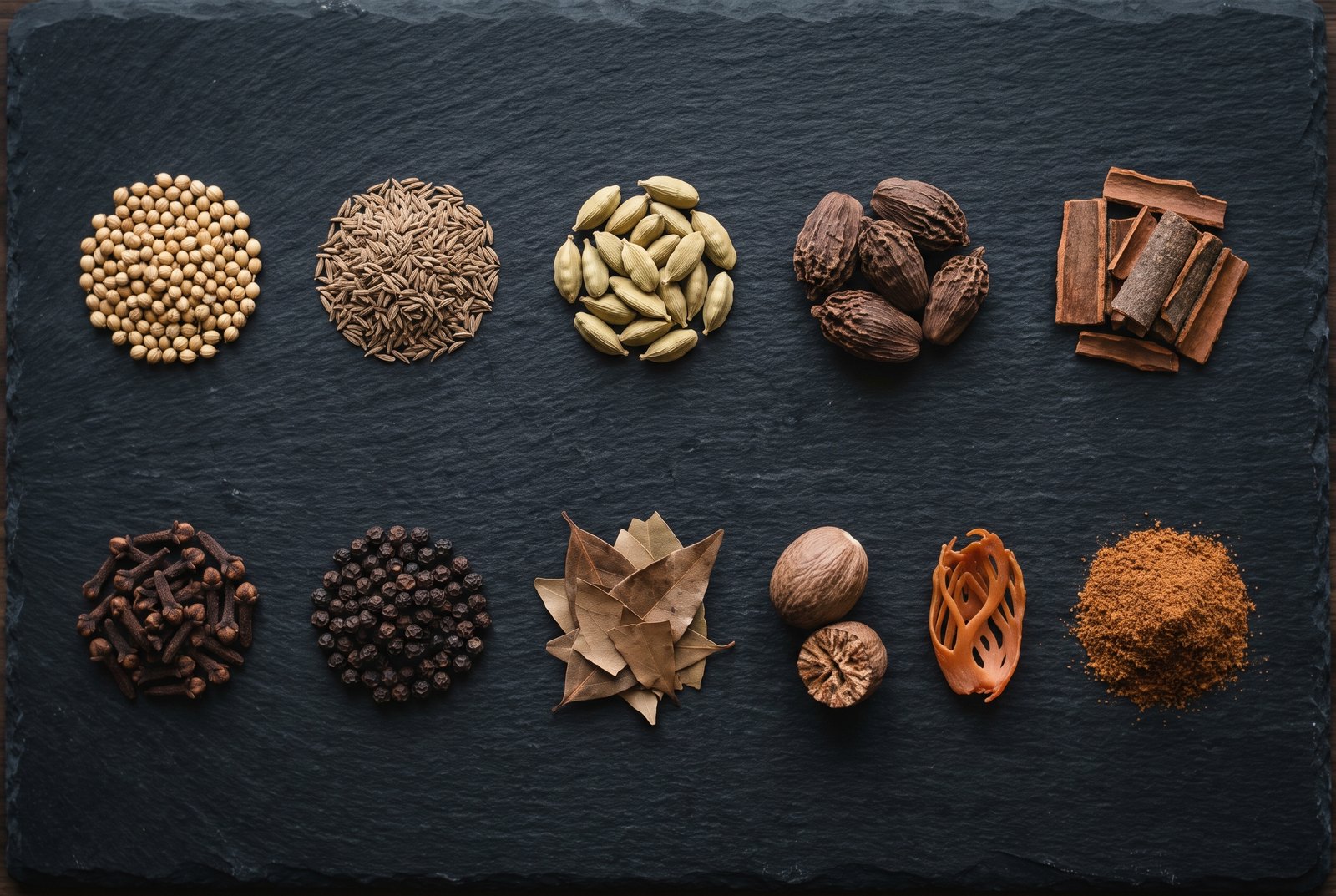
Seven spices form the core of nearly every garam masala:
coriander seed · cumin seed · green cardamom · black cardamom · cinnamon or cassia · cloves · black peppercorns
Five more turn up often: nutmeg · mace · bay leaf · fennel seed · star anise
Two are almost never in it: turmeric and chilli.
Coriander is usually the largest amount by weight. Green cardamom is the note you actually recognise.
There is no official recipe for garam masala, and that is not a gap in the record — it is the point.
Garam masala is a household blend. It varies by region, by family and by what was in the market that week, in the same way that a Sunday gravy or a chilli varies. Two jars can share four ingredients and both be entirely correct.
So the useful question is not “what is the recipe”. It is what is each spice doing, so you can tell what a jar is missing and what a recipe will taste like before you make it.
The core seven
These are the spices you will find in almost every blend, listed roughly by how much goes in.
Coriander seed — the carrier
The largest amount by weight in most blends, often twice anything else. On its own it is mild, faintly citrusy and slightly sweet, and it is not really there to be tasted. It is there to give the strong aromatics something to sit in, so the blend spreads evenly through a dish instead of arriving in sharp pockets.
Leave it out and the blend becomes aggressive and thin at the same time.
Cumin seed — the savoury floor
Earthy, nutty, a little bitter once roasted. Cumin is what keeps the blend on the savoury side of the line, which matters because cinnamon, cardamom and clove between them would otherwise read as a pudding spice.
Punjabi blends lean on it heavily. Kashmiri blends cut it right back.
Green cardamom — the perfume
The note people actually recognise as garam masala. Bright, floral, slightly camphorous, and by a distance the most volatile thing in the jar — which is most of the reason the blend goes in at the end of cooking rather than the start.
Only the small black seeds go in. The pale husk is fibrous and adds nothing.
A blend without green cardamom is not garam masala. It is a warm spice mix, and it will not smell like the thing you were expecting.
Black cardamom — the smoke
A different spice entirely despite the name — larger, wrinkled, dried over open fires, and unmistakably smoky and slightly medicinal. Two pods flavour a whole batch.
This is the ingredient most often left out of cheap commercial blends, and its absence is why a supermarket garam masala can smell correct and still taste hollow.
Cinnamon or cassia — the sweet warmth
Almost all Indian cooking, and virtually every commercial garam masala, uses cassia rather than true Ceylon cinnamon. Cassia is the thick hard bark, darker and much stronger; true cinnamon is the thin papery quill, lighter and more delicate.
Either works here. Cassia is what a North Indian blend traditionally uses and it stands up better to the rest of the jar.
Cloves — the sharp edge
Intense, medicinal, and the single easiest spice in the list to overdo. A teaspoon flavours a whole batch; two teaspoons make a blend that tastes of nothing but clove.
What it contributes is a sharp top note that stops the blend being merely warm and round.
Black peppercorns — the heat, all of it
In a traditional blend, pepper is the only source of heat. That is worth restating because it is the thing the name gets wrong: garam means warming in the Ayurvedic sense, not hot on the tongue.
The five that turn up often
Nutmeg — sweet, woody, and strong enough that a quarter of a nutmeg is a full batch. Adds a rounded richness that is hard to identify and obvious when absent.
Mace — the lacy red aril that grows around the nutmeg seed, sold in India as javitri. Finer and more floral than nutmeg itself. It is one of the marks of a good blend.
Bay leaf — Indian bay, tej patta, is a different leaf from Mediterranean bay: more cinnamon-like, less herbal. Either lifts the blend and stops it reading as dessert.
Fennel seed — sweet and anise-like. Common in Kashmiri and Bengali blends, rarer in Punjabi ones.
Star anise — a strong licorice note. Divides opinion; a little adds a distinctive perfume, a lot takes over completely.
What is never in it
Turmeric
This is the single most reliable test. Turmeric is what makes curry powder yellow, and it does not belong in garam masala.
If the powder in your hand is yellow or golden rather than reddish-brown through to dark brown, one of two things is true: it is curry powder, or it is a cheap blend padded out with turmeric because turmeric is far less expensive than cardamom.
The full comparison is in curry powder vs garam masala.
Chilli, usually
Most traditional blends have none. Some regional versions carry a little dried red chilli, and some Western commercial blends add it because shoppers expect an Indian spice to be hot.
Neither is wrong. But it is worth knowing which you have, because a blend with chilli in it cannot be added freely to a dish you are also seasoning with chilli separately.
How the regions differ
| Style | Leans on | Cut back or absent | Suits |
|---|---|---|---|
| Punjabi | Cumin, coriander, black cardamom, cloves | Fennel, rose | Rich dals, meat curries, chole |
| Kashmiri | Green cardamom, fennel, dried ginger, sometimes rose | Cumin, black cardamom | Rogan josh, pulao, yoghurt dishes |
| Bengali (garam masala proper) | Just three — cardamom, cinnamon, clove | Everything else | Delicate fish and vegetable dishes |
| Commercial Western | Coriander, cumin, cinnamon, pepper | Black cardamom, mace, nutmeg | Whatever is to hand |
The Bengali version surprises people most. It is genuinely three spices, sometimes four, and it is not a simplified blend — it is a different tradition, aimed at dishes that would be flattened by a Punjabi blend.
Reading a supermarket label
Three things to look for, in order.
1. Is green cardamom on the list? If not, put it back. It is the expensive ingredient and the one that defines the blend, and a manufacturer who has left it out has left out the point.
2. Where does turmeric appear, if at all? Anywhere near the top means the jar is bulked with the cheapest thing available.
3. How many spices are there? Four is thin. Eight or more is a blend somebody thought about. This is a soft signal rather than a rule — the Bengali style is three by design — but on a Western supermarket shelf it holds up well.
And one thing that tells you nothing: the price per gram. Some good blends are cheap. What matters is the list and, once it is open, the smell — a fresh blend is loud through the jar and a stale one needs holding to your face.
Which blends actually pass those tests is covered in the buying guide. And if the answer is that none of them do, making your own takes about twenty-five minutes.
Frequently asked questions
What spices are in garam masala?+
Seven spices form the core of almost every blend: coriander seed, cumin seed, green cardamom, black cardamom, cinnamon or cassia, cloves and black peppercorns. Common additions are nutmeg, mace, bay leaf, fennel seed, star anise, dried ginger and sometimes dried red chilli. There is no official recipe — garam masala is a household blend, and a Punjabi, Kashmiri or Bengali version can look quite different on paper while doing the same job in a dish.
How many spices are in garam masala?+
Usually between seven and twelve. A minimal working blend can be made with five. Elaborate family recipes run to twenty or more, and commercial Western blends are often at the low end — four or five is common on a supermarket label. The number matters less than which ones: a blend missing green cardamom will not smell right no matter how many other spices are in it.
Is turmeric in garam masala?+
No, and this is the clearest line between garam masala and curry powder. Turmeric is what makes curry powder yellow and it is essentially never in a traditional garam masala. If the blend in your hand is yellow or golden rather than reddish-brown to dark brown, you are almost certainly holding curry powder or a blend padded out with turmeric to bulk it cheaply.
Is there chilli in garam masala?+
Usually not. Most traditional blends contain no chilli at all, and the only heat comes from black pepper. Some regional versions include a small amount of dried red chilli, and some commercial blends sold in Western supermarkets add it because shoppers expect an Indian spice to be hot. Read the label if it matters. The word garam refers to warming the body in the Ayurvedic sense, not to chilli heat.
What is the main ingredient in garam masala?+
Coriander seed, by weight, in most blends — usually about twice as much as anything else. It is mild and slightly citrusy and its job is to carry the stronger aromatics rather than to be tasted on its own. By character, though, the main ingredient is green cardamom: it is the note most people recognise as garam masala, and a blend without it reads as generic warm spice.
What is the difference between garam masala and masala?+
Masala simply means a mixture of spices, so garam masala is one particular masala among hundreds. Chaat masala is a tangy blend with black salt and dried mango. Chai masala is for tea. Sambar masala, rasam masala, tandoori masala and pav bhaji masala are all different blends for different dishes. A recipe that says only masala means whatever wet or dry spice base that dish uses, not garam masala specifically.
Why is my garam masala so dark?+
Usually cloves, black cardamom or a heavy roast — all three darken a blend, and all three are signs of a robust North Indian style rather than a fault. A very dark blend can also mean cassia rather than true cinnamon, which is normal and fine. Colour is a poor guide to quality overall. Smell is the reliable test: a good blend is loud through the jar.
New: Google now lets you choose which sites it shows you first. One tap lifts our spice guides in your results — nobody else's — and you can undo it any time.
More on Garam Masala
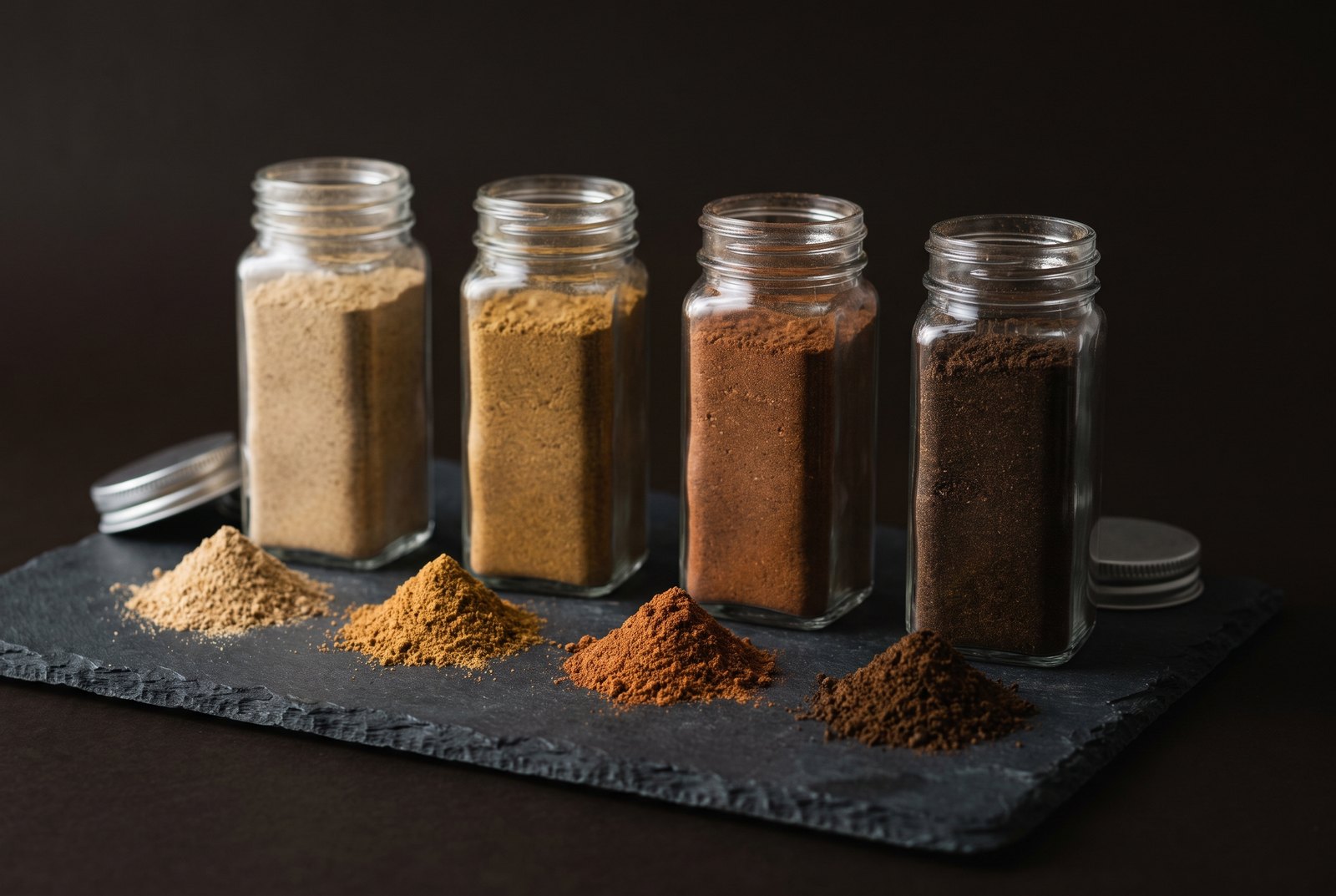
Best Garam Masala: How to Choose One, and Where to Buy It
How to pick a garam masala that is worth buying — the three things on the label that decide it, the four kinds of blend on sale in the US and who each suits, why the Indian grocer beats the supermarket, and when buying any of them is the wrong answer.
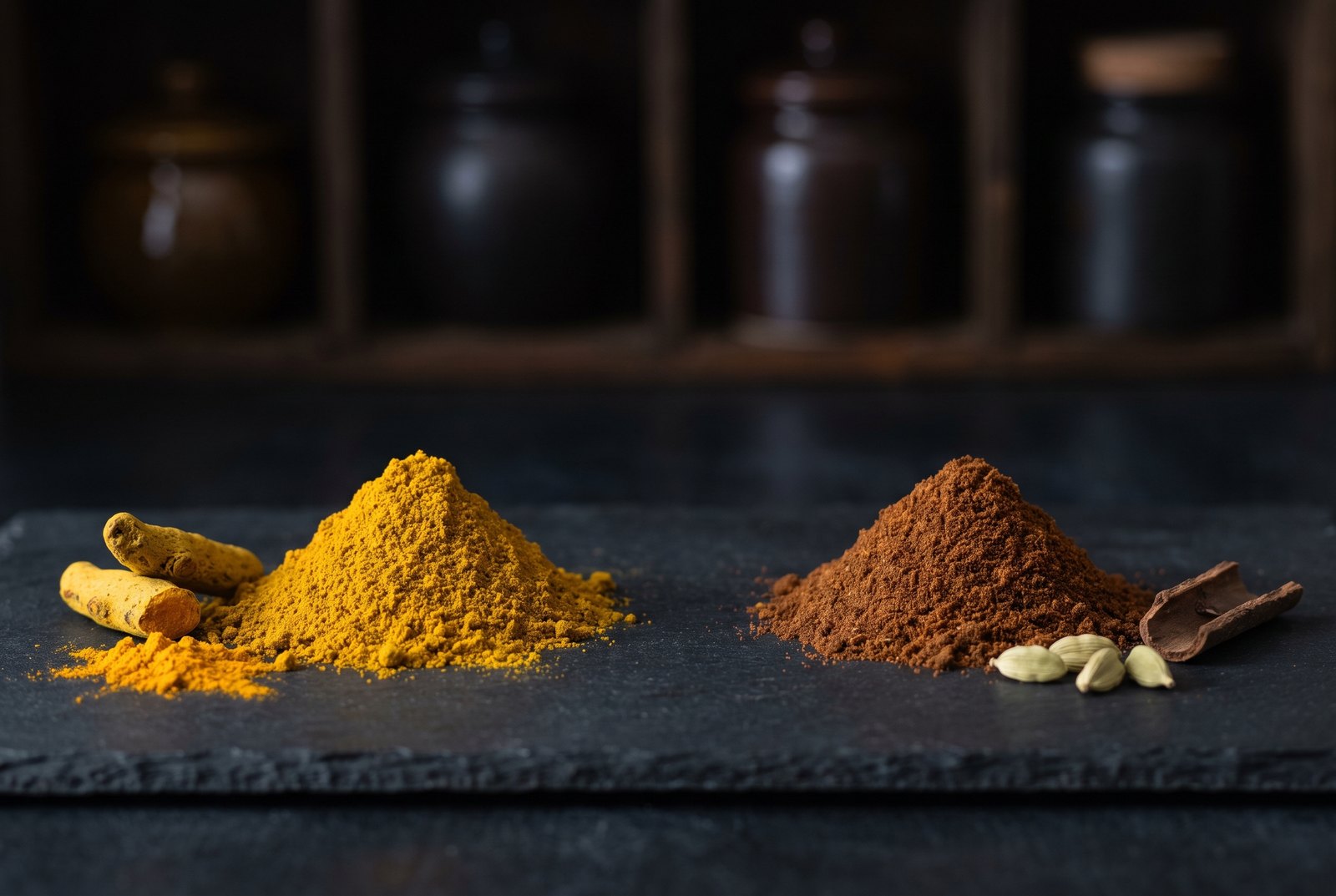
Curry Powder vs Garam Masala: What Is Curry Powder, Really?
Curry powder and garam masala are not two versions of the same thing. What curry powder actually is, why no Indian kitchen has a jar of it, when each one goes into the pot, how to substitute either — and what to use when a recipe calls for curry powder and you have none.
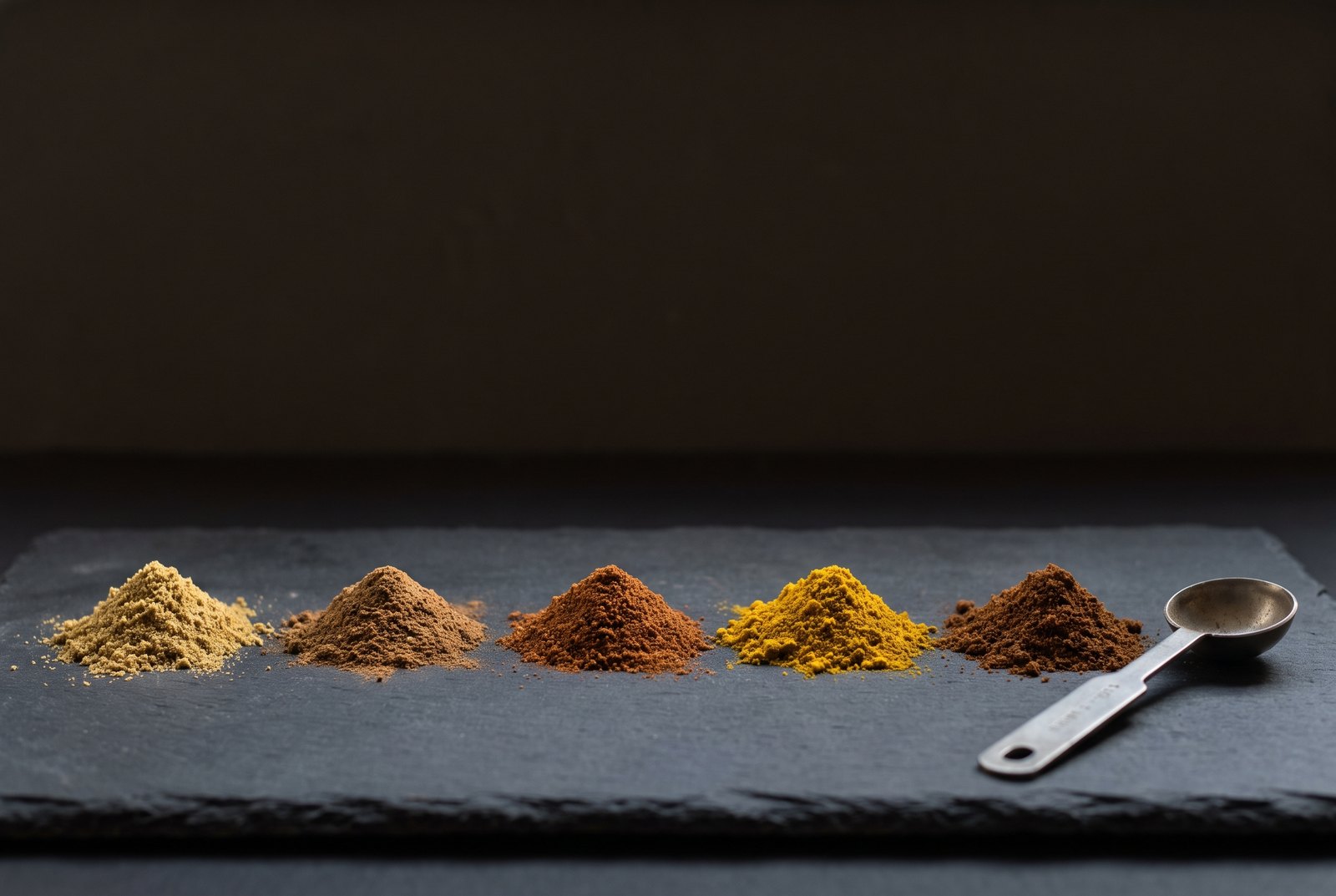
Garam Masala Substitute: What to Use, by Dish
The best garam masala substitutes with exact amounts — the two-spice cheat, a five-spice mix from a normal rack, and the three shop blends that come closest — plus why curry powder is the swap that changes your dish most.