
Star Anise
What Is Chinese Five Spice? The Blend, the Ratio, and What to Use Instead
Quick answer
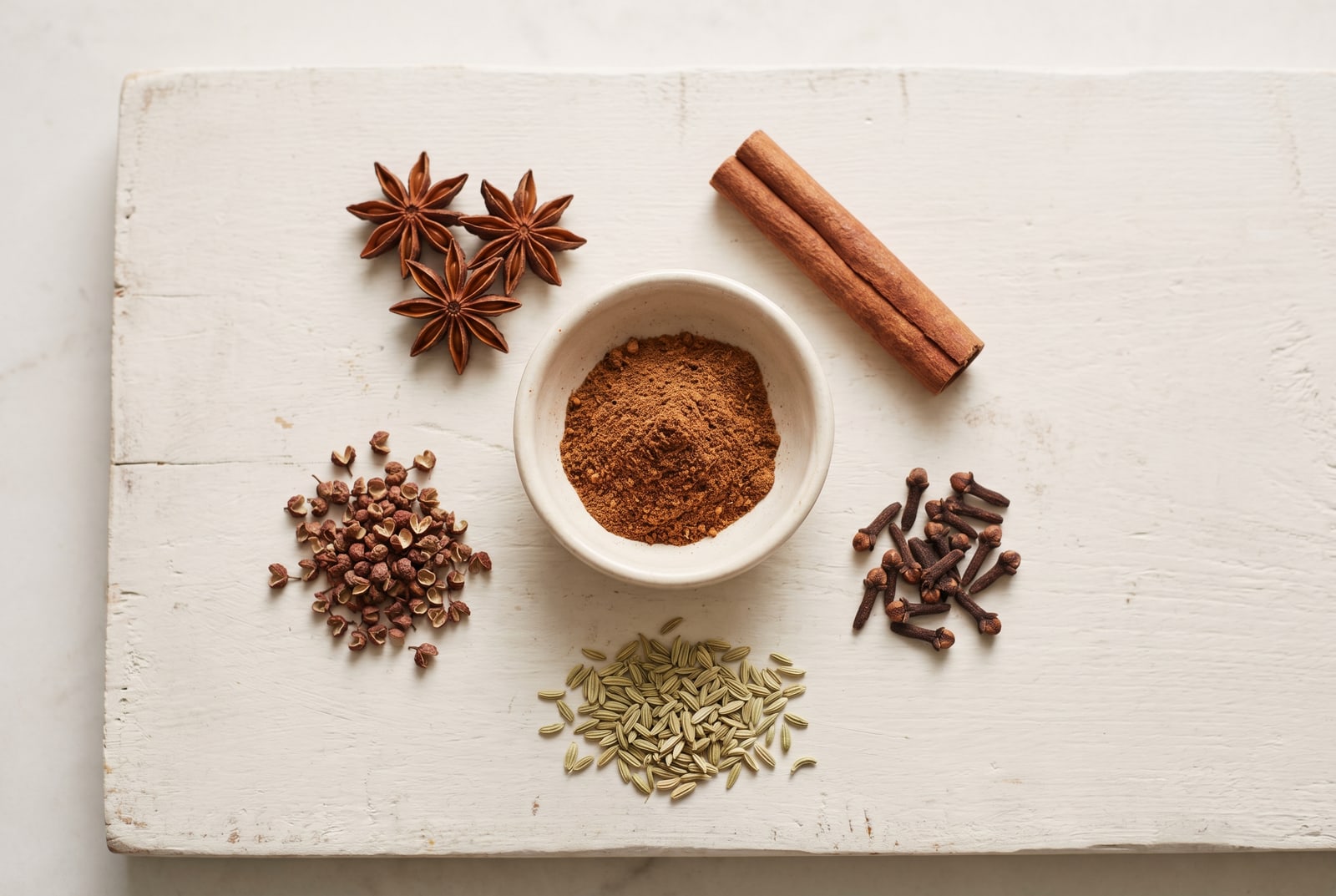
Chinese five spice is star anise, cassia cinnamon, cloves, fennel seed and Sichuan peppercorns, ground together. Star anise leads, and is what makes it recognisable.
The name is about the five traditional Chinese flavour categories the blend balances, not about the number of ingredients — which is why plenty of commercial jars contain six or seven spices and are still called five spice.
It is not allspice. Allspice is a single berry from a Caribbean tree. That confusion is common enough to have its own section below.
Out of it? Equal parts ground cinnamon and ground star anise covers most of the ground.
Five spice is the most recognisable spice blend in Chinese cooking and the one most likely to sit unopened.
Part of that is the smell, which is assertive and unfamiliar if you did not grow up with it. Part of it is that recipes calling for it are usually recipes for a specific dish — red-braised pork, char siu, roast duck — rather than everyday seasoning.
And part of it is a naming problem that sends people to the wrong jar entirely.
What is actually in it
| Spice | Chinese | What it brings |
|---|---|---|
| Star anise | bā jiǎo — “eight horns” | Licorice sweetness. The dominant note |
| Cassia cinnamon | ròu guì | Warmth and sweetness |
| Cloves | dīng xiāng | Sharpness, a medicinal edge |
| Fennel seed | xiǎo huí xiāng | Sweet, grassy, rounds off the star anise |
| Sichuan peppercorn | huā jiāo | Citrus, and a light numbing tingle |
The Chinese name for star anise, bā jiǎo, means “eight horns” — a straightforward description of the pod, and a reminder that this blend is built around it rather than merely containing it.
The “five” is a philosophy, not a count
The blend is meant to touch all five traditional Chinese flavour categories — sweet, sour, bitter, pungent and salty — which are in turn tied to the five elements: wood, fire, earth, metal and water.
That is why the ingredient count wobbles. Regional and commercial versions add ginger, white pepper, liquorice root, galangal, dried tangerine peel or nutmeg, and some drop the Sichuan pepper entirely. A jar with seven things in it is not mislabelled.
Five spice is not allspice
This is the mix-up worth stating plainly, because the two names sound like they are describing the same idea and they are not.
| Chinese five spice | Allspice | |
|---|---|---|
| What it is | A blend of five ground spices | One spice |
| Source | Five different plants | The dried berry of Pimenta dioica |
| From | China | Jamaica and the Caribbean |
| Tastes of | Licorice, warmth, a numbing tingle | Clove, cinnamon and nutmeg together |
| Licorice note | Yes, strongly | None at all |
Allspice is called allspice because one berry tastes like several familiar spices at once. It is a single ingredient with a compound flavour. Five spice is several ingredients ground together.
They do not substitute for each other. Allspice in a red-braised pork gives you a dish with no licorice backbone. Five spice in a Jamaican jerk marinade gives you a jerk that tastes wrong in a way people notice but cannot name.
The one thing they genuinely share is cloves and cinnamon in the flavour profile, which is why the two occasionally survive a swap in a sweet application — and why they never survive one in a savoury Chinese dish.
The ratio nobody agrees on
There is no standard. Commercial blends differ enormously, and the difference is mostly in how much star anise there is.
A common home starting point:
2 parts star anise, 1 part each of cassia, clove, fennel and Sichuan peppercorn.
That is a starting point rather than a rule. Southern Chinese blends tend to push the star anise and cassia further; some Taiwanese versions lean on the fennel; a blend intended for duck usually carries more clove.
The practical advice is to mix a small batch, cook one dish with it, and adjust. This blend is used in quarter-teaspoons, so a small jar lasts a long time.
Making your own is worth it
More so than for most blends, and for one reason: ground five spice goes stale fast, and the first thing to fade is the star anise that makes it work. A jar that has been open eighteen months is mostly cinnamon and clove.
The method is short:
- Toast the whole spices in a dry pan over medium heat, three to five minutes, until the kitchen smells of them. No oil.
- Cool them completely. Grinding warm spice produces a paste rather than a powder.
- Grind. A spice grinder or an old coffee grinder — star anise pods are woody and will not break down properly in a mortar.
- Store in a small airtight jar, away from the hob. Use within about six months.
Break the star anise pods roughly before they go in the pan so they toast evenly.
What to use instead of five spice
| Substitute | Amount | Notes |
|---|---|---|
| Cinnamon + ground star anise | equal parts | The best answer. These are the two that carry the blend |
| Cinnamon + clove + a pinch of fennel | 2 : 1 : pinch | If you have no star anise. Missing the licorice, keeps the warmth |
| Whole star anise, simmered | 1 pod per 1/2 tsp | Only in a wet dish. Fish it out before serving |
| Garam masala | — | Not recommended. See below |
Garam masala is the trap. The two blends share cinnamon, clove and sometimes fennel, so the substitution looks reasonable on paper. But garam masala is usually built on cumin and coriander, and it rarely contains star anise at all. The result reads as Indian in a Chinese dish — recognisably wrong rather than subtly off. This is the same error as reaching for five spice in a biryani, which fails because Sichuan pepper has no business in an Indian pot.
How to use it without overdoing it
Five spice is strong, and the most common mistake is treating it as a general seasoning.
- A quarter to a half teaspoon per portion is the working amount.
- It belongs in slow, fatty, savoury dishes — braises, roasts, marinades, rubs. The aromatics cut through fat, which is why pork belly and duck are its natural homes.
- It is not a stir-fry spice. Thrown into a hot dry wok it scorches and turns bitter within seconds. If a stir-fry wants it, put it in the sauce rather than the pan.
- Add it to wet dishes early enough to soften, but not so early that it simmers for hours — a ground blend does not need the long steeping a whole pod does.
A note on buying
If you are buying whole spices to grind your own, the star anise is the one worth care.
Buy whole pods from a seller who names the species. Illicium verum is the culinary star anise. A second species, Illicium anisatum, is a toxic ornamental that looks similar enough to pass, and it has been found adulterating loose shipments — a risk that rises rather than falls when the product is ground, because ground spice cannot be inspected at all. That is the argument for grinding your own from whole pods of a named species: Frontier Co-op publishes this one as Illicium verum, grown in Vietnam. What the two species are, and how they are actually told apart →
Related guides
Frequently asked questions
What is Chinese five spice made of?+
Star anise, cassia cinnamon, cloves, fennel seed and Sichuan peppercorns, in most blends. Star anise leads and is what makes the blend recognisable. The name refers to the five traditional Chinese flavour categories the mixture is meant to balance rather than to a fixed count of ingredients, which is why some commercial blends contain six or seven spices — ginger, white pepper, liquorice root, galangal and dried tangerine peel all appear in regional versions.
Is five spice the same as allspice?+
No, and they are not even the same kind of thing. Allspice is one spice — the dried berry of Pimenta dioica, a Caribbean tree — that tastes like a combination of clove, cinnamon and nutmeg, which is where its misleading name comes from. Chinese five spice is a ground blend of five separate spices. Swapping one for the other does not work: allspice has no licorice note at all, and five spice does not taste like allspice.
What can I use instead of five spice powder?+
Equal parts ground cinnamon and ground star anise gets you most of the way, because those two carry the blend's character. If you have no star anise, use cinnamon with a smaller amount of ground cloves and a pinch of ground fennel. Garam masala is the wrong answer despite the overlap — it usually contains cumin and coriander, which read as Indian rather than Chinese, and rarely contains star anise at all.
Is five spice spicy?+
Not in the chilli sense — there is no chilli in it. The Sichuan peppercorns give a mild tingling numbness rather than heat, and in a ground blend at normal amounts that effect is very slight. What people usually mean when they call it spicy is that it is strong: the blend is aromatic and assertive, and a heavy hand turns a dish medicinal. A quarter to a half teaspoon per portion is plenty.
What is five spice used for?+
Mostly meat, and mostly slow or fatty cuts. Red-braised pork belly, char siu, roast duck, five-spice chicken and soy-braised eggs are the classic uses, along with marinades and dry rubs. It suits rich, fatty food because the aromatics cut through the fat. It is used sparingly in Chinese cooking rather than as a general seasoning, and it is not a stir-fry spice — added to a hot dry wok it turns bitter quickly.
Can I make my own five spice?+
Yes, and it is better than most jarred versions because the ground blend goes stale fast. Toast the whole spices in a dry pan for a few minutes, cool them completely, then grind. A common starting ratio is two parts star anise to one part each of cassia, clove, fennel and Sichuan pepper, adjusted to taste. Grinding star anise needs a spice grinder rather than a mortar — the pod is woody and does not break down by hand.
Does five spice contain star anise?+
Yes, and it is the dominant spice in almost every version. Star anise is what makes five spice smell like five spice, which is why the blend is the best substitute for a missing star anise pod and why the two are so often mentioned together. A blend without star anise exists in a few regional variations, but it is not what the jar on a supermarket shelf will contain.
New: Google now lets you choose which sites it shows you first. One tap lifts our spice guides in your results — nobody else's — and you can undo it any time.
More on Star Anise
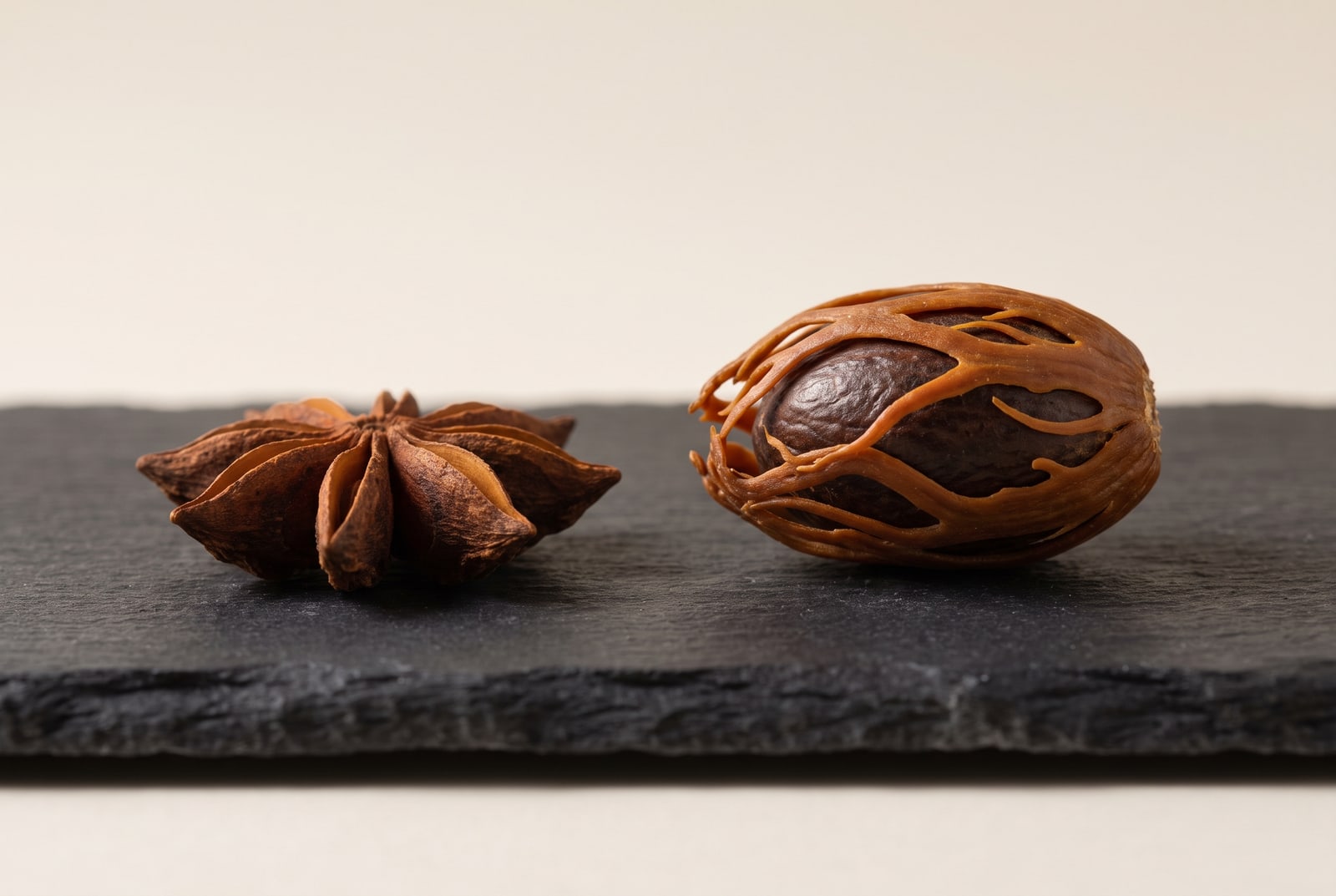
Star Anise in Hindi: Chakra Phool, Badiyan, and the Spice It Gets Confused With
Star anise in Hindi is chakra phool. Also badiyan, anasphal and biryani flower — every Indian name for it, what it does in a biryani, and why it is not javitri.
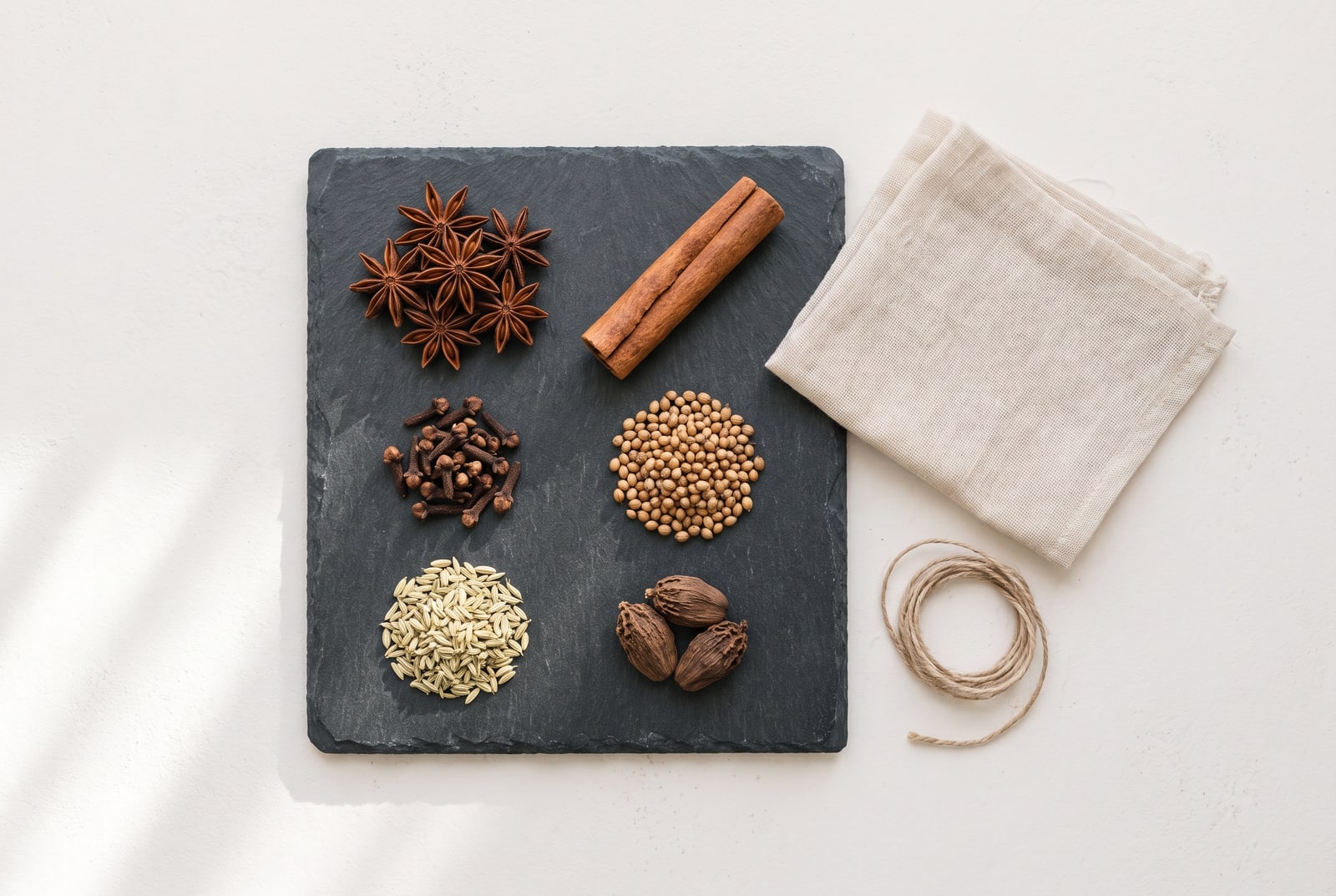
Star Anise in Pho: What It Does, and the Five Spices Beside It
What star anise actually contributes to a pho broth, how much to use, why it must be toasted first, and what each of the other five spices in the bundle is doing — a spice guide, not a broth recipe.
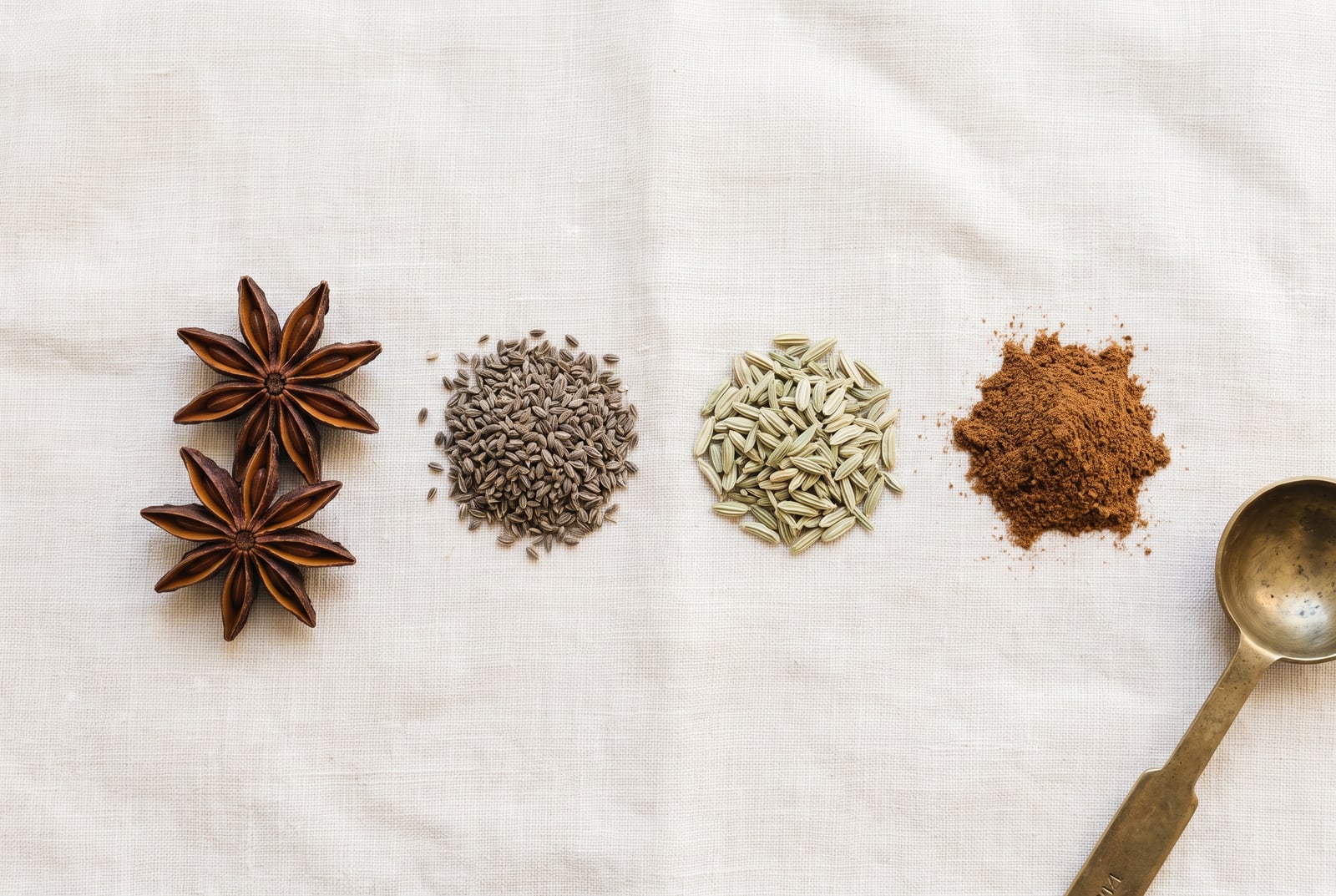
Star Anise Substitute: What to Use, by Dish
The best star anise substitutes with exact swap amounts — five-spice, aniseed, fennel, cloves and cinnamon — sorted by what you are cooking, plus the two dishes where leaving it out beats substituting.